Estadio Banorta

CASE STUDY

Estadio Azteca · Estadio Banorte · Mexico City

Every Screen Alive

Inside Mexico City’s iconic Coloso, AVPro MXNet quietly became the world’s largest single 10G AV-over-IP network — feeding more than 500 displays and over 20 video walls from one unified system.


500+

Displays driven

20+

Large-format video walls

580

Decoder endpoints (Phase 1)

16x

Channels of 4K60 encoding

<2 ms

End-to-end latency

#1

Largest Single 10G SDVoE Network

THE PROJECT

A legendary venue, reimagined for the modern fan

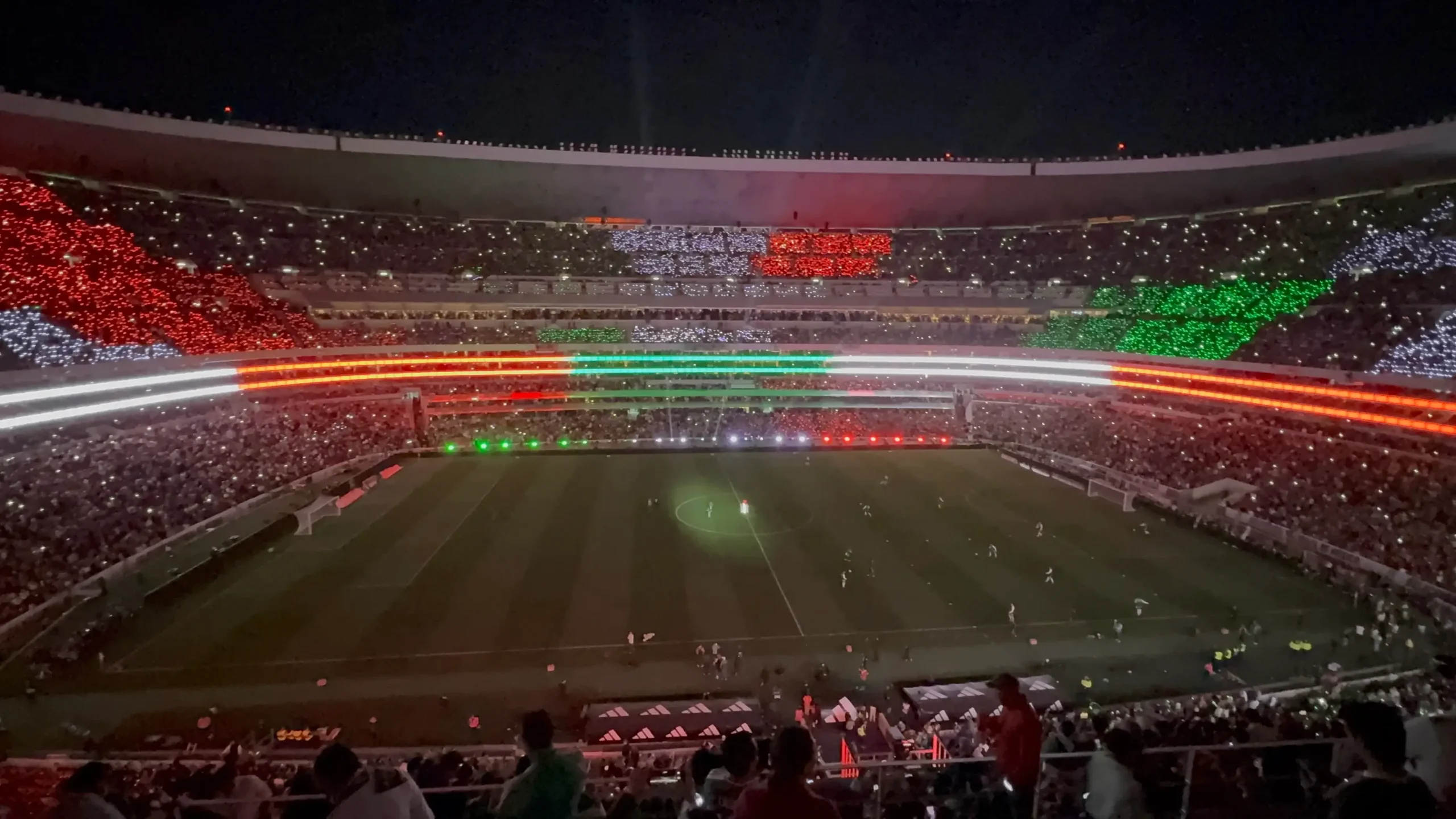
AVPro worked alongside our partners to deliver this solution to the people of Mexico City and to the wider world, transforming how video moves through one of fútbol’s most legendary venues. Pop Media served as the integrator and leader, Duoson as AVPro’s distributor in Mexico, and Polaris Controls rounded out the team as the brand representative. At Estadio Banorte, which the people of Mexico have called Estadio Azteca for the last 60 years and known nationwide as El Coloso de Santa Úrsula, the team designed and deployed a single, stadium-wide video network built entirely on the AVPro MXnet 10G AV-over-IP platform. As the venue prepares to host a packed calendar of major fútbol events this summer, beginning with Mexico versus South Africa on June 11, that network delivers live action, replays, way-finding, and branded content on screen everywhere a fan looks. The result is a fan experience that feels effortless, and an engineering achievement that the AV industry will be talking about for years.

In collaboration with partners:

THE VENUE

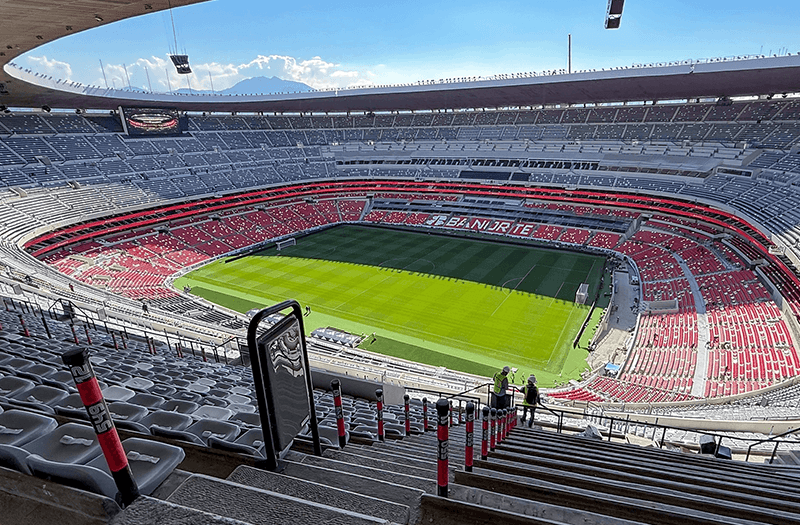
El Coloso de Santa Úrsula

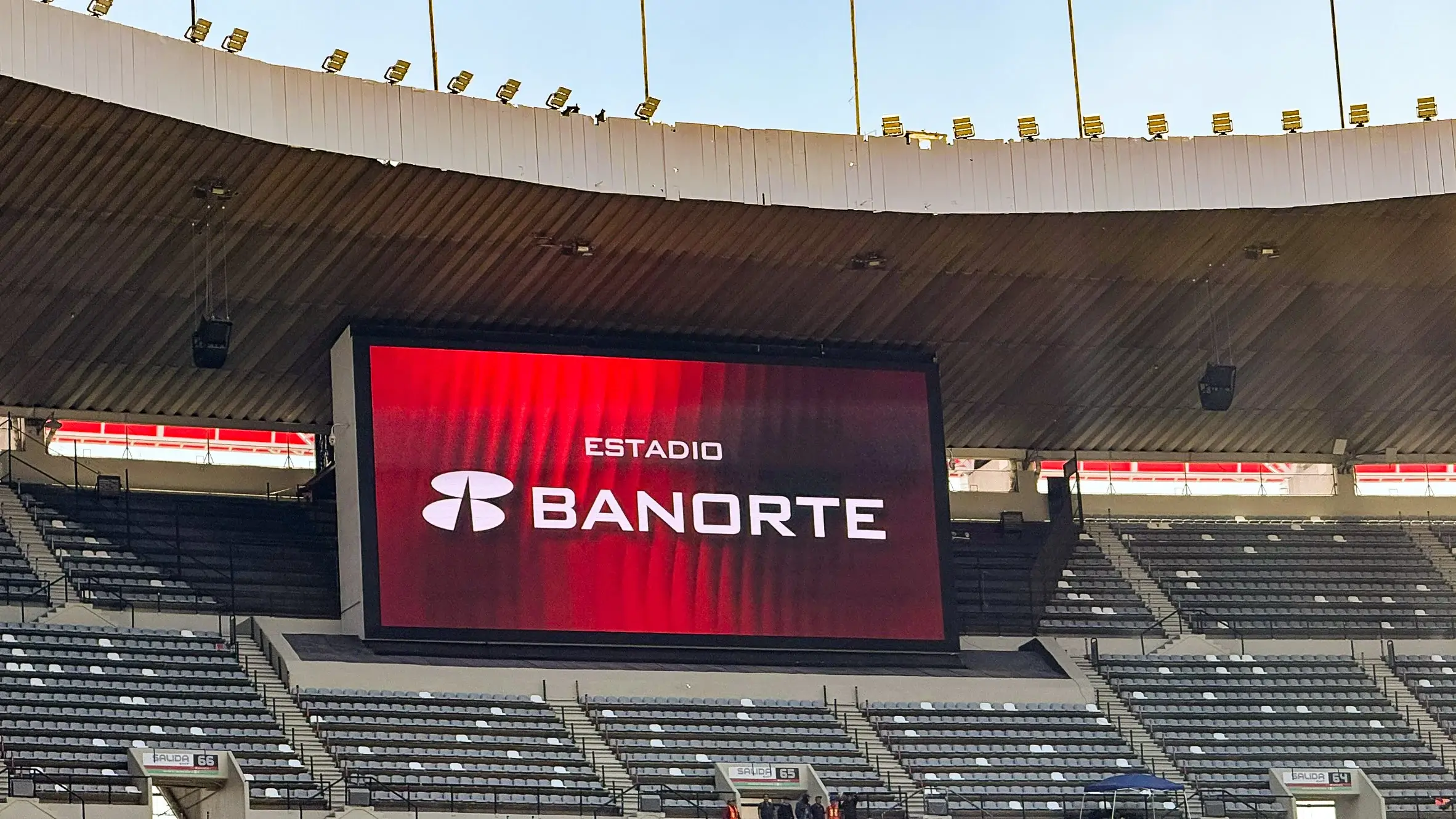
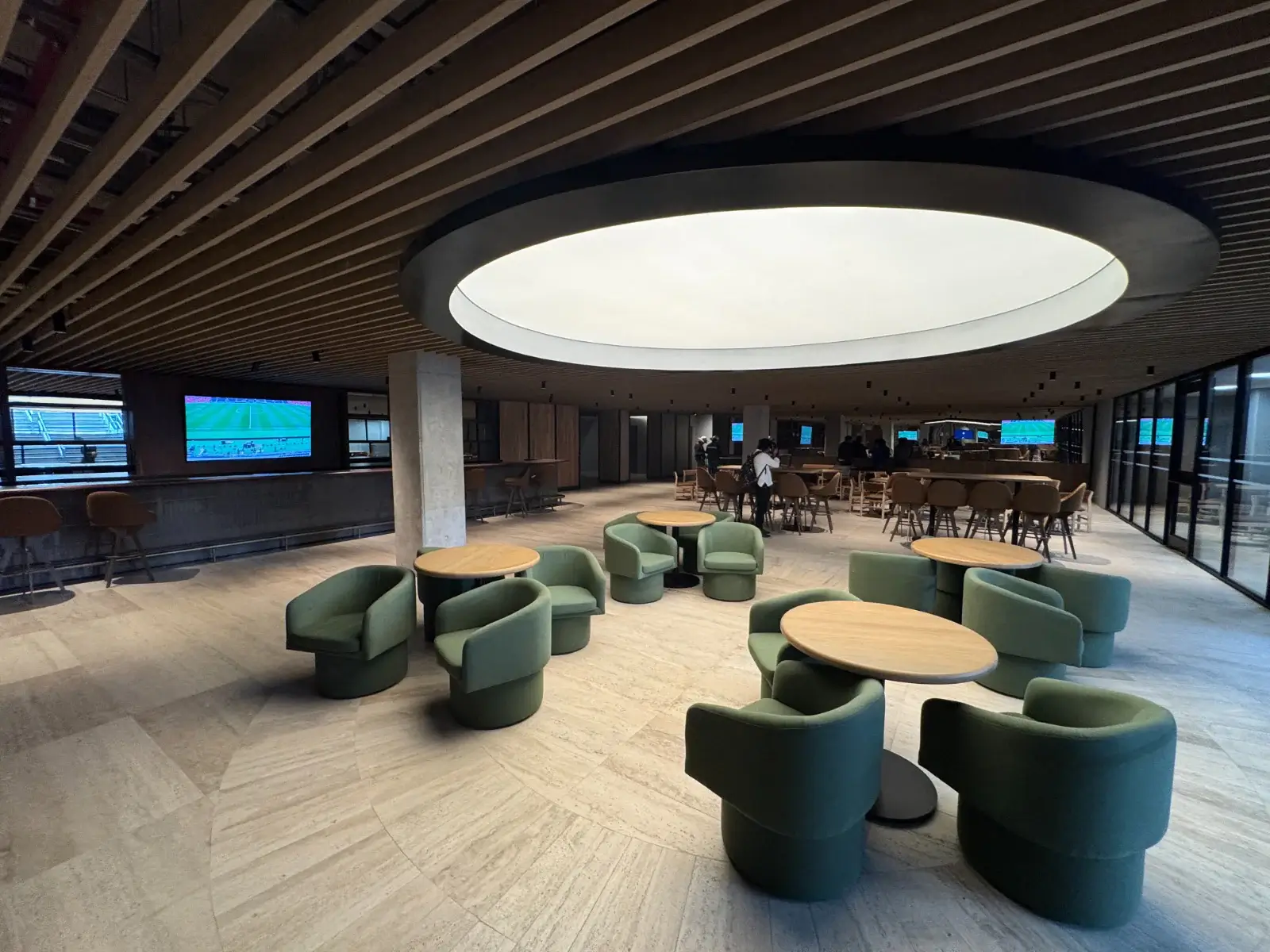
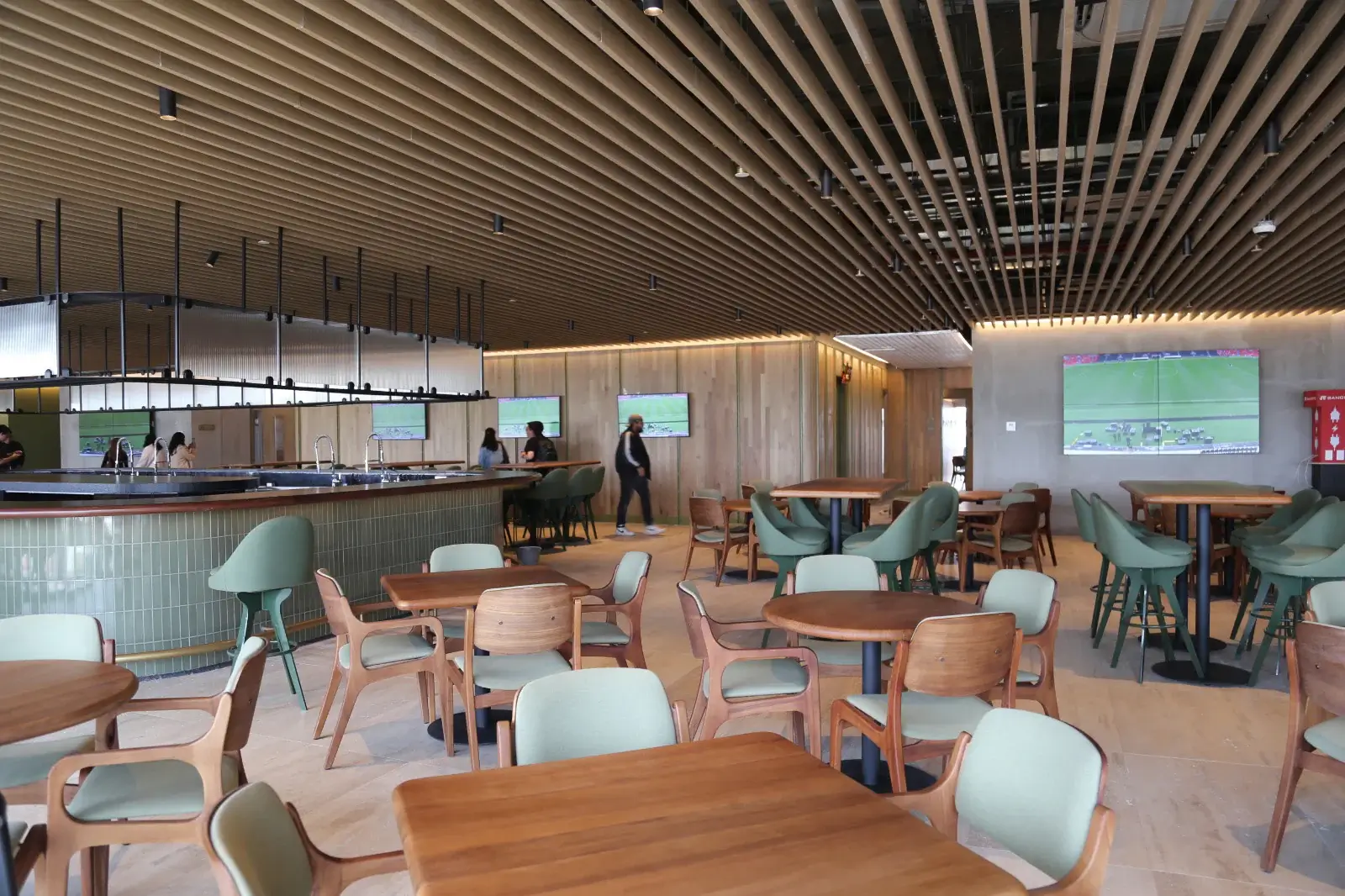
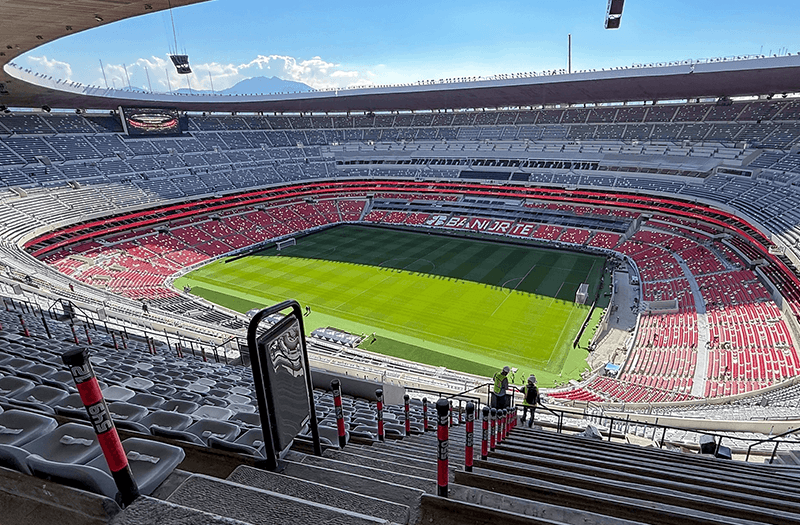
Estadio Banorte is not an ordinary building. Opened in 1966 and rising 2,200 meters above sealevel, it is the largest stadium in Latin America and one of the most storied fútbol’grounds on Earth, the only venue to have twice hosted the final of the sport’s biggest global tournament, and the stage for the most iconic moments in the game’s history. Bringing a place like this into the modern era meant solving a problem of sheer scale: how to deliver pristine, perfectly synchronized video to every concourse screen, suite, hospitality space, and giant video wall across an enormous concrete bowl, all from a single source of truth, with no stutter, no lag, and no compromise. For tens of thousands of fans in the stands and millions more watching from around the world, every one of those screens has to come alive at exactly the right instant.

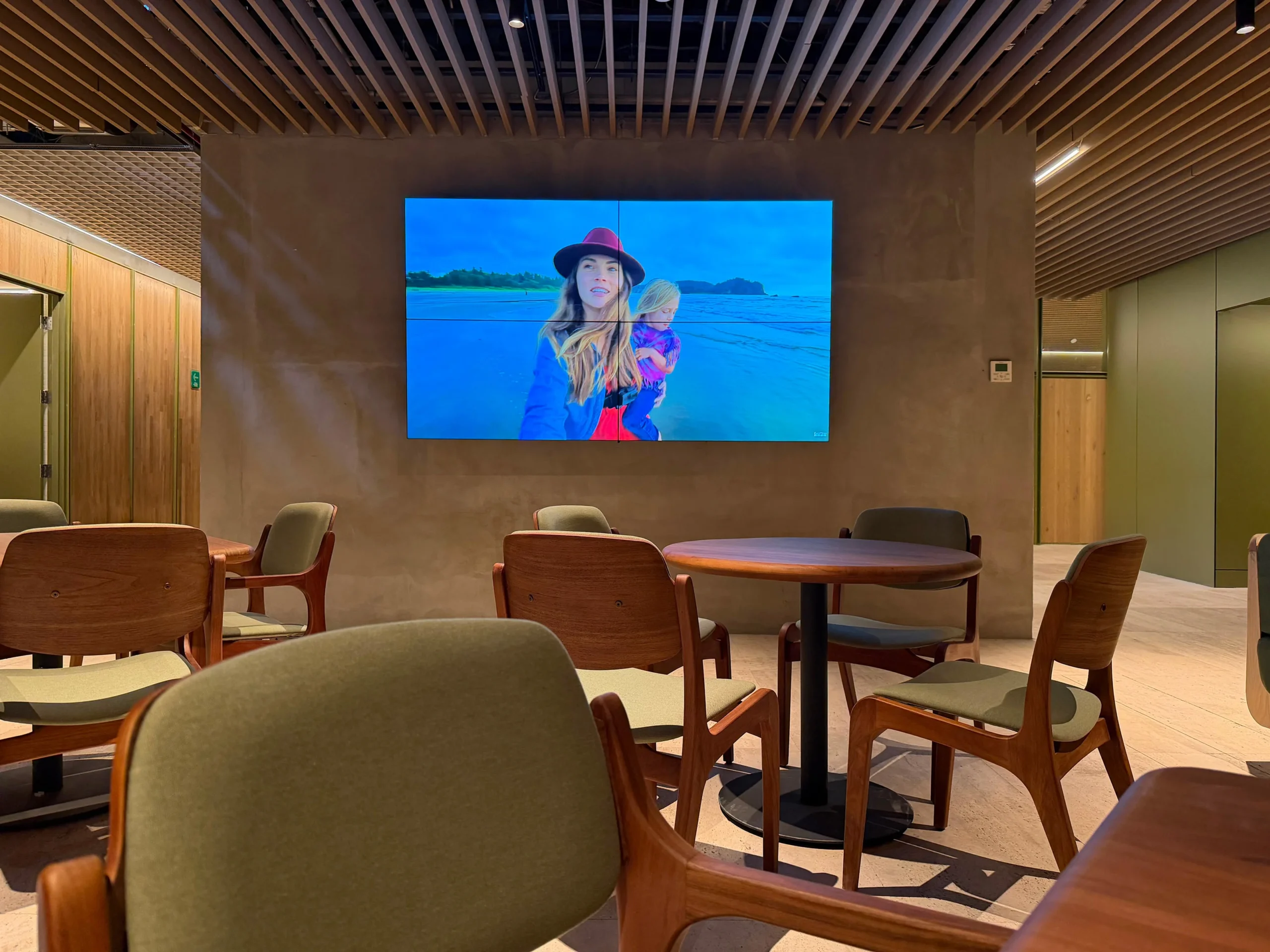
Estadio Banorte, Mexico City

THE SOLUTION

One complete AVPro ecosystem

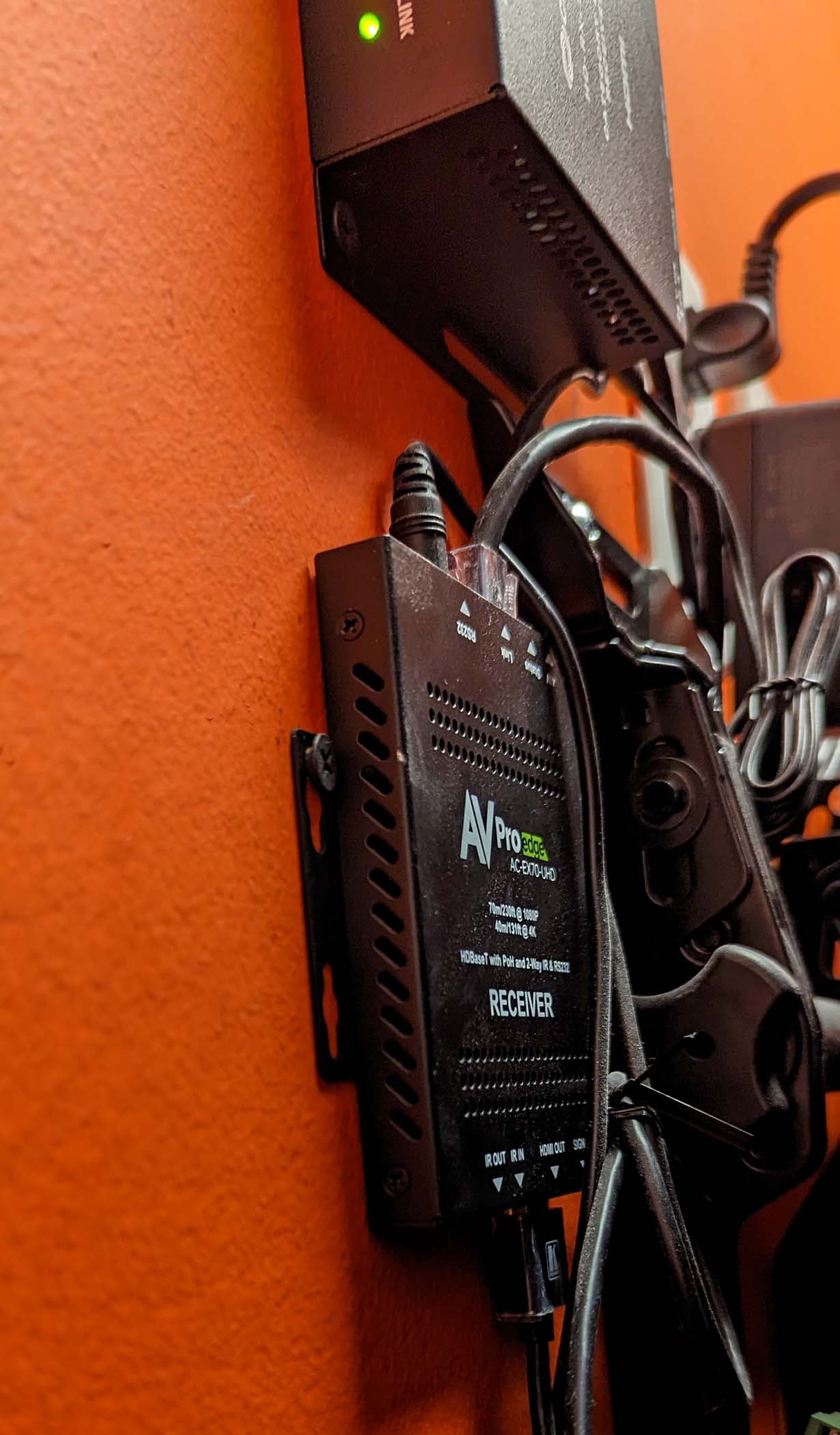
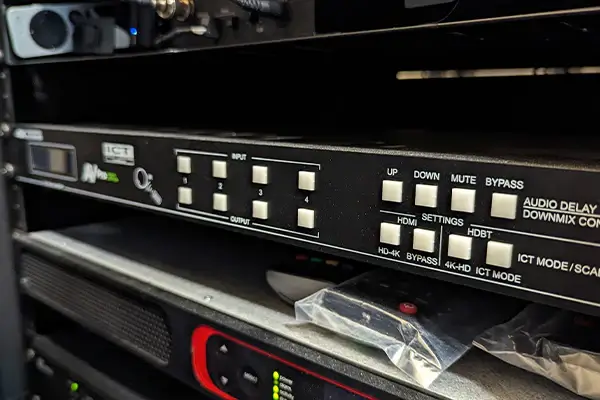
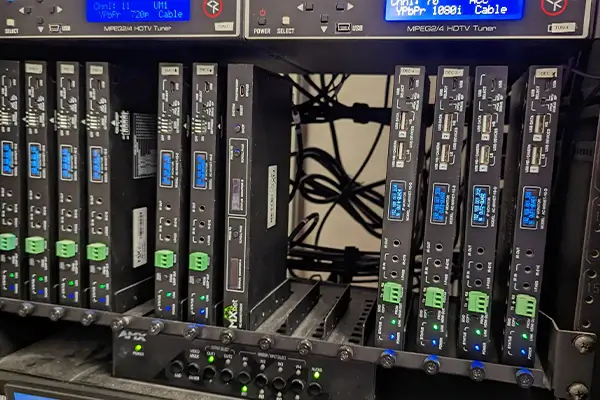
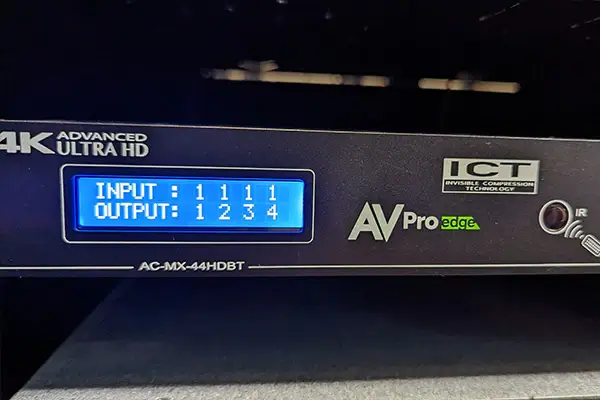
To make that happen, AVPro delivered a complete, end-to-end product ecosystem rather than a patchwork of parts. At the heart of the system are MXnet 10G SDVoE transceivers, compact encode-and-decode endpoints that sit behind each display, paired with MXnet 100G core switches, MXnet access switches, and dual CBOX-HA control systems for high-availability management of the entire network. Together, these components route live video to more than 500 televisions and over 20 large-format video walls throughout the stadium. Because every endpoint speaks the same language on the same network, any source can be sent to any screen, anywhere in the building, the moment an operator calls for it.
MXNet 10G SDVoE Transceivers
Compact endpoints behind every screen. Model AC-MXNET-10G-TCVR.
MXNet 100G Core Switches
Redundant dual VSF stacking core for the whole venue.
MXNet Access Switches
Reaching every corner across 23 distribution areas.

Dual CBOX-HA Control Systems
High-availability orchestration with built-in failover.

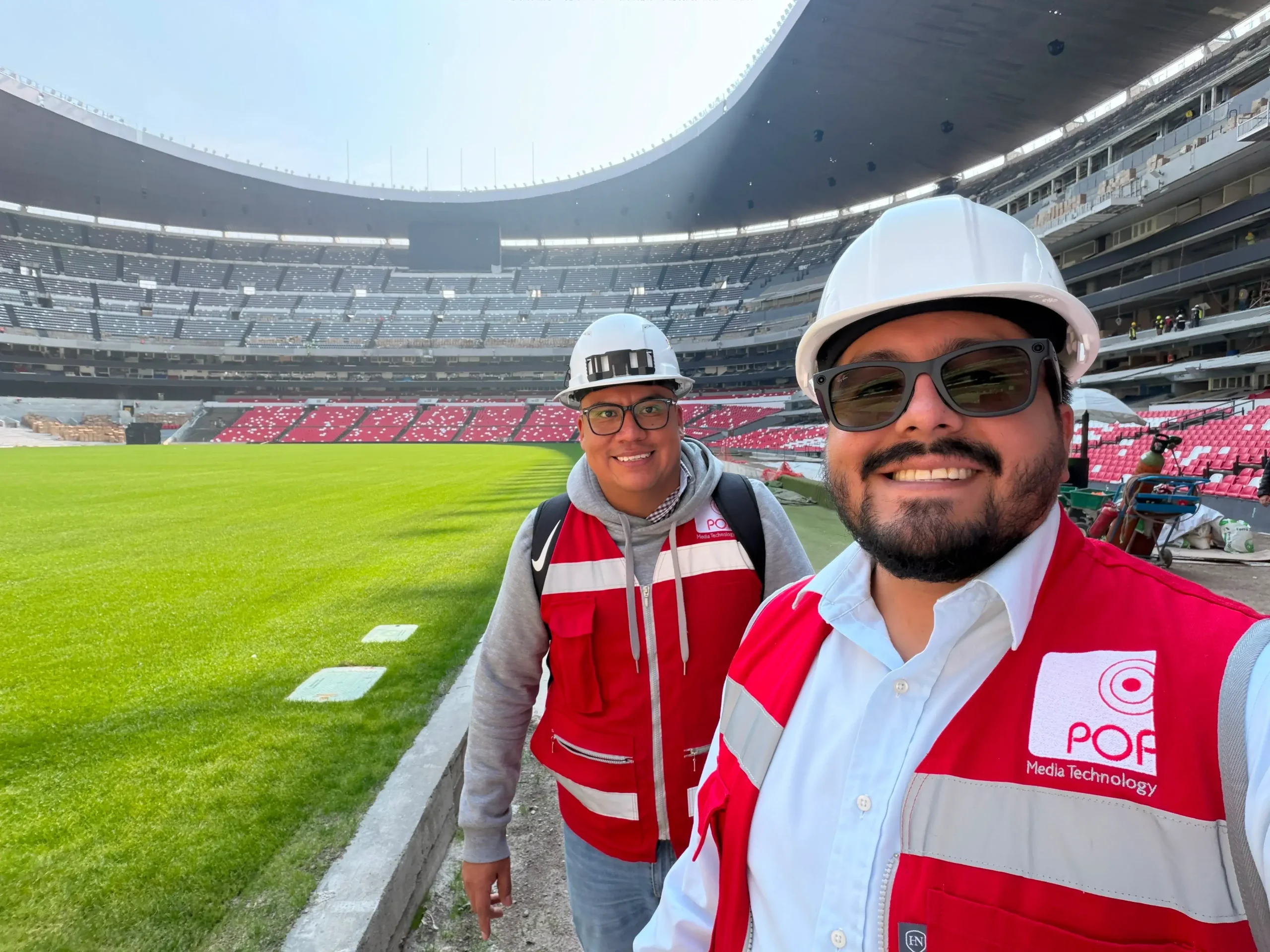
An Engineering Perspective: Kevin Wang

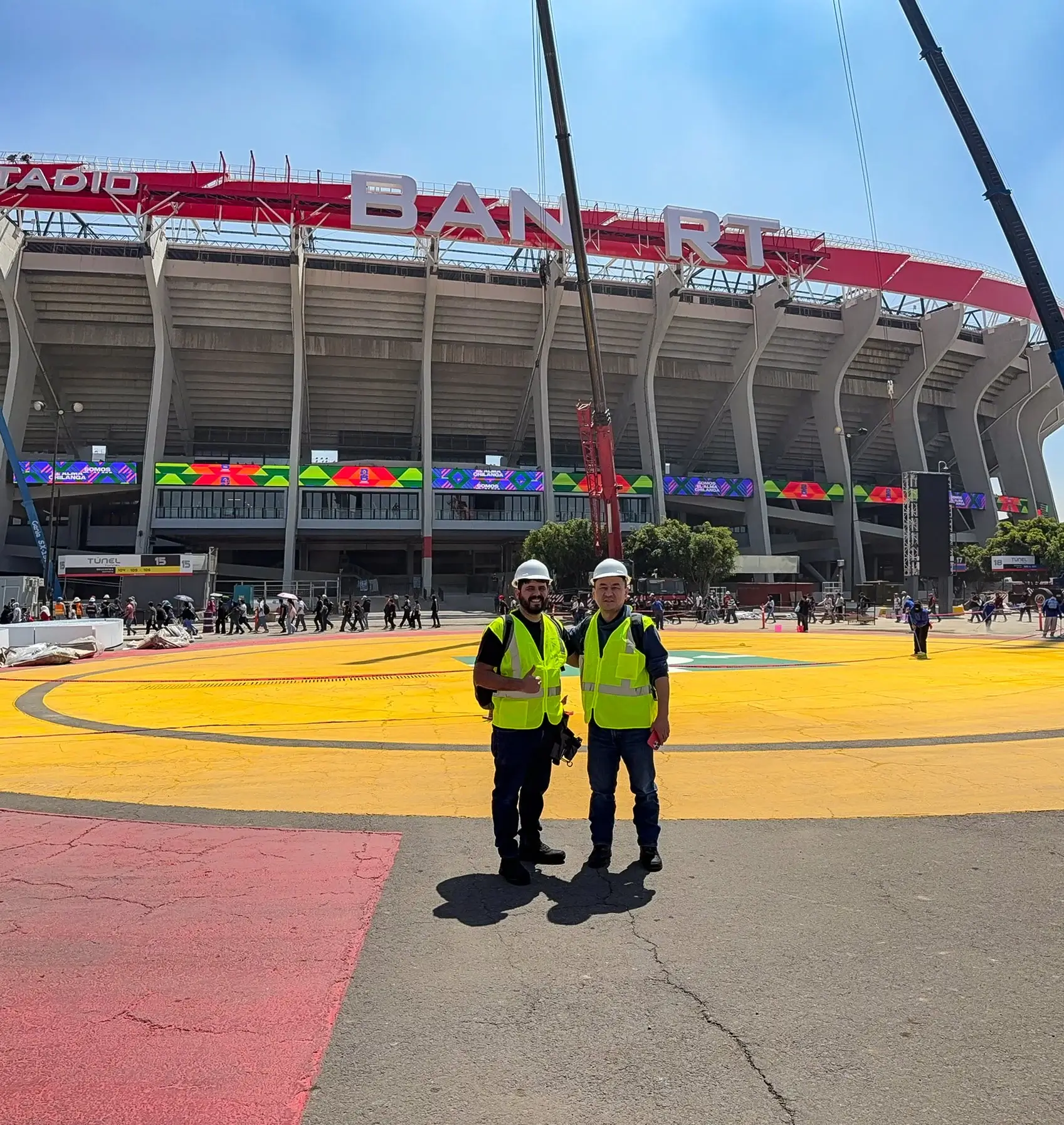
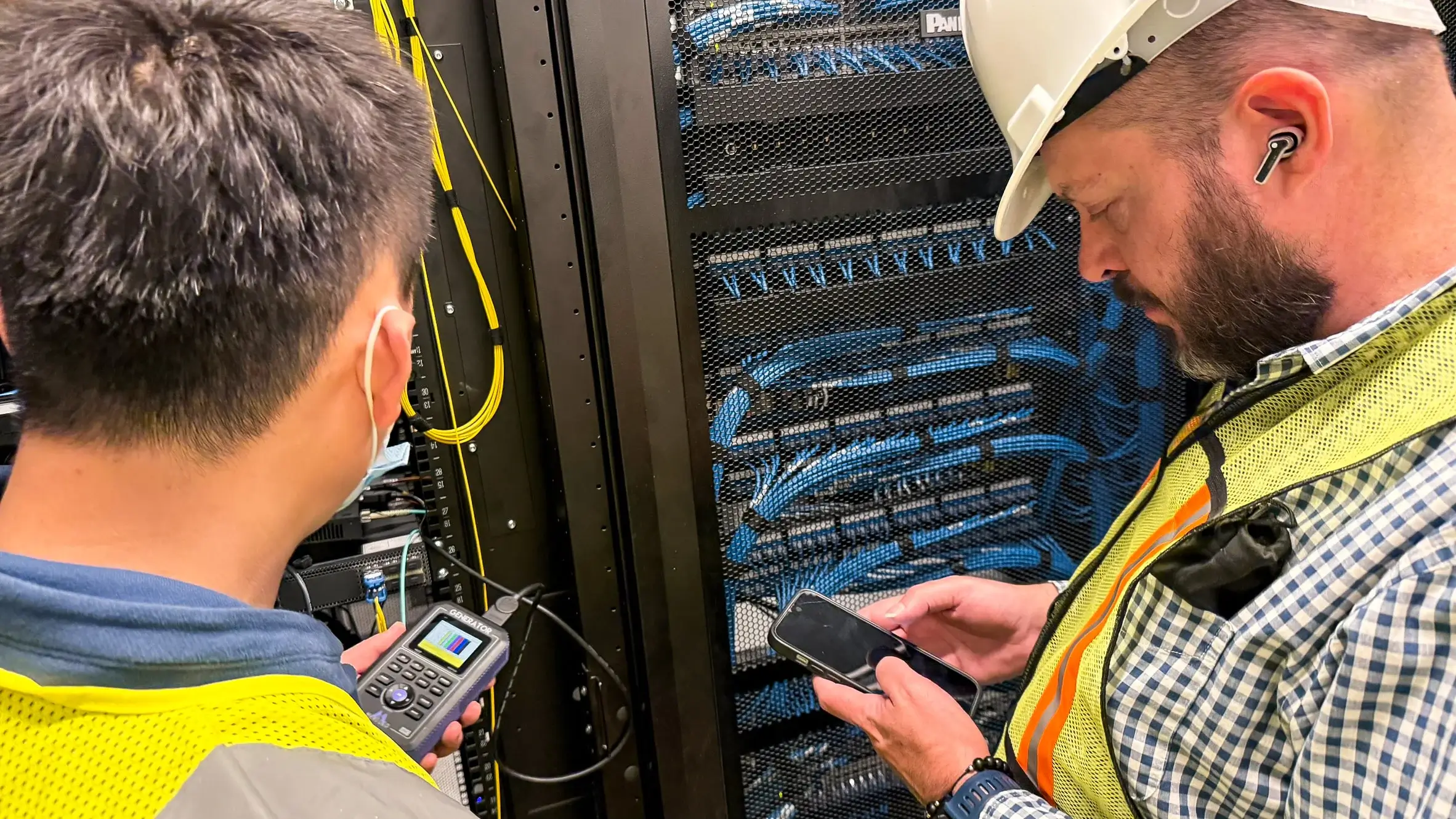
Kevin Wang on Site at Estadio Banorte

I first became involved with the Estadio Banorte project before ISE 2025 with the system design going through several major revisions as the customer’s requirements continued to evolve.

Because of cybersecurity and confidentiality requirements, I cannot share many of the technical details. However, the most important part of the project was that we recreated the entire system in our factory laboratory before deployment.

The R&D team and I spent seven full days building the complete system and carrying out the initial testing. After that, the wider AVPro team conducted another 14 days of integration testing. This allowed us to validate the design, test the network and system behavior, and identify potential problems before the equipment arrived on site.

The time and cost savings from this preparation are difficult to quantify, but they were among the main reasons the implementation went so smoothly. It also demonstrated the value of combining detailed engineering preparation with the effort of the entire AVPro team.

How It Works

Any Content, Any Screen, Instantly – With One Tap

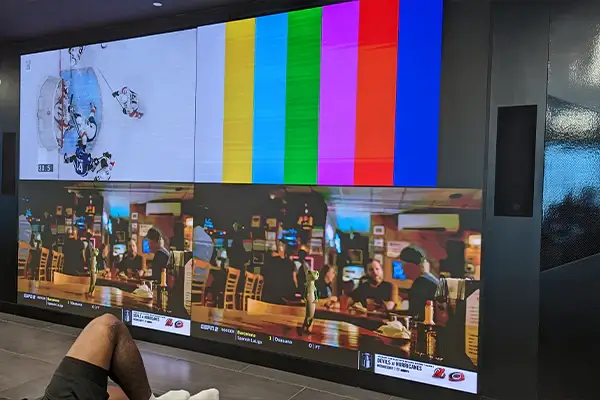
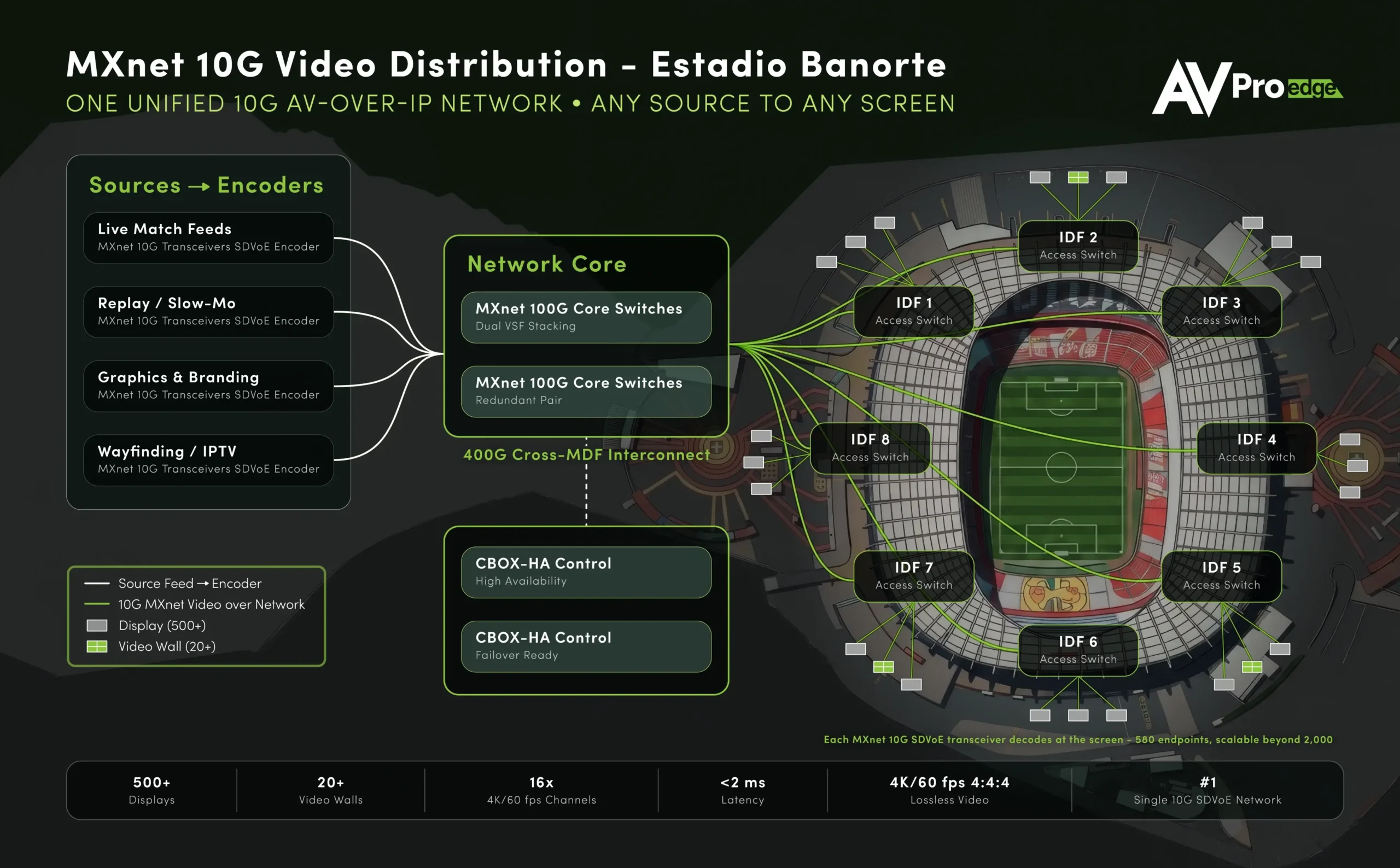
What makes the experience so seamless is how the system moves signals to each screen. Rather than running a separate cable to every display, AVPro’s platform carries multiple independent video streams across a single shared 10-gigabit network and lets each decoder pull exactly the feeds it needs, from a single match angle on a concourse TV to several sources stitched together on a video wall. Every screen receives lossless 4K video with end-to-end latency low enough that the picture is effectively instantaneous, so a goal celebrated on the field is celebrated on every display in the same breath. For the people operating the venue, switching what plays where is as simple as a tap, even across hundreds of endpoints at once.

Conceptual Application Diagram of How MXnet 10G Routes Video

The Network

Engineered as one system, end to end

None of this works without the network underneath it, and this is where the project truly stands apart. AVPro didn’t just supply the video gear; the team designed and deployed the entire supporting infrastructure, building a resilient backbone with a dual stacking core, a 400G interconnect tying the stadium’s main distribution points together, 23 separate distribution areas reaching every corner of the venue, and redundant 100G uplinks throughout. By engineering switches, networks, encoders, and decoders into a cohesive system from a single manufacturer, AVPro removed the finger-pointing and guesswork that so often plague large installations. The infrastructure didn’t merely tolerate the demands of real-time AV; it was purpose-built for them, and it performed flawlessly under full load.

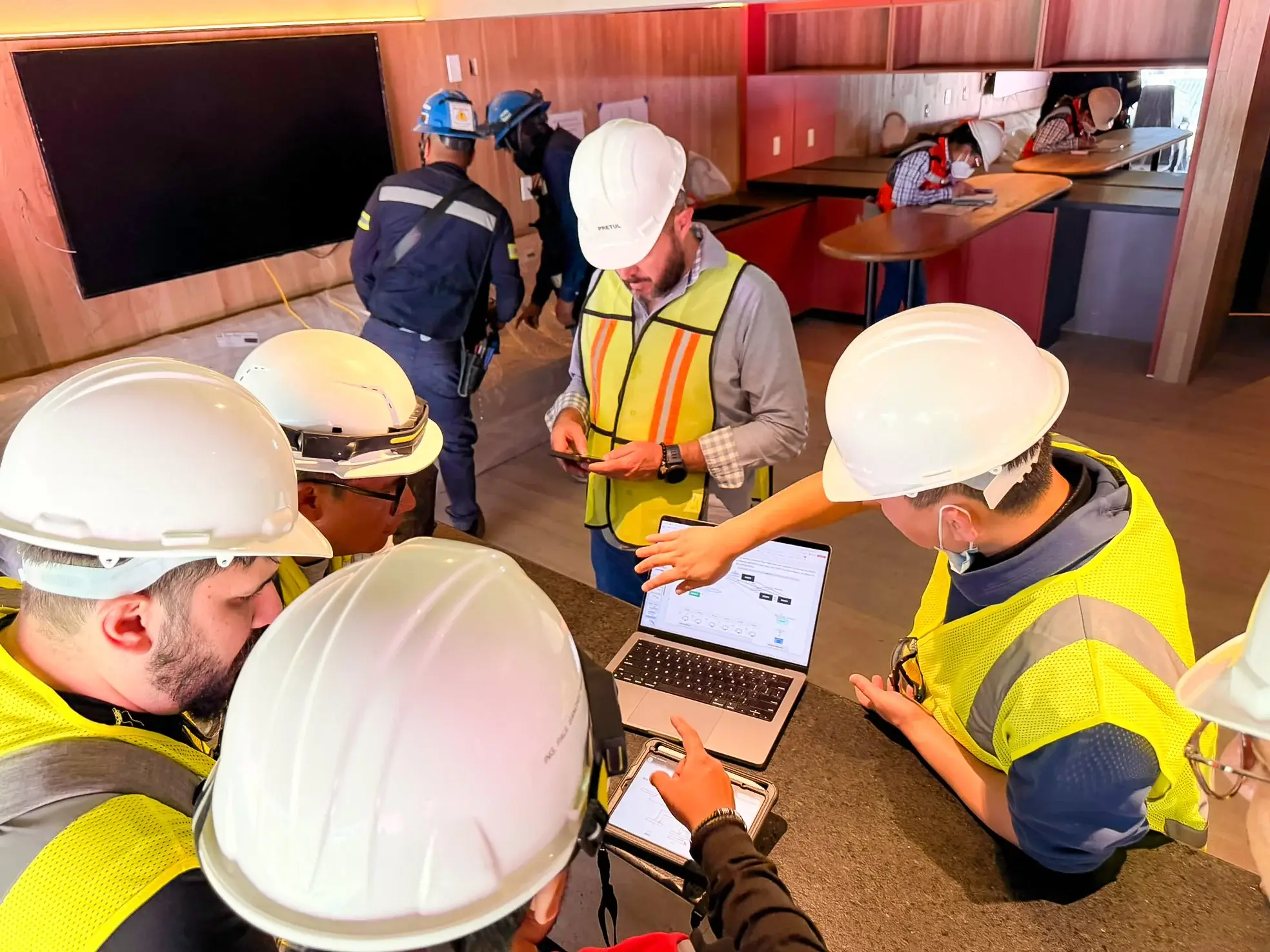
“One of the most important challenges of the project was to install everything in a surprisingly short time, as the stadium suffered a major renovation, so coordination between construction, fiber infrastructure, and hardware installation and commissioning was critical. But we managed to complete the project on time.

– Octavio Villa, Deputy General Manager at Pop Media, Technology

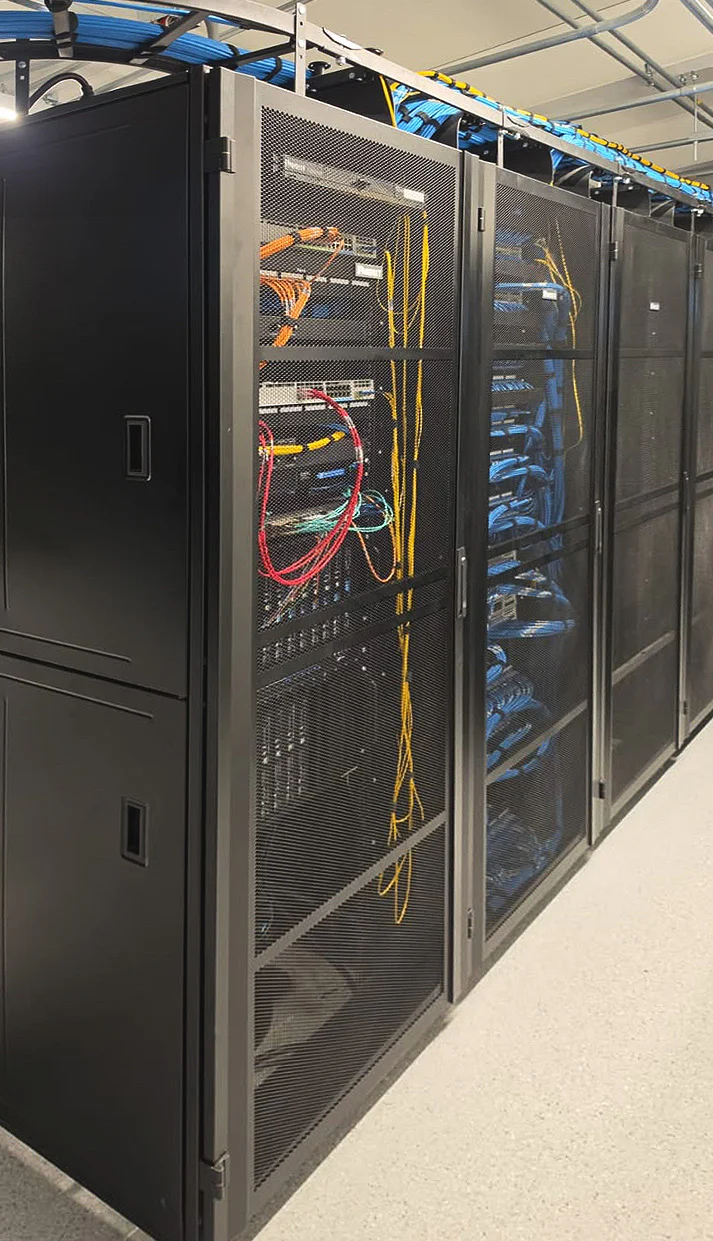
From Core Racks to Commissioning, AVPro Designed and Deployed the Full Network

The Scale

The Largest Single 10G SDVoE AV-over-IP Network in the World

The scale of the deployment is what sets it apart. Phase 1 alone runs 16 channels of 4K60 encoding, feeding 580 decoder endpoints, all on a single continuous network, making this the largest single-site 10G SDVoE AV-over-IP deployment in the world, a distinction AVPro has confirmed directly with Semtech, the technology’s originator. While other venues have purchased large quantities of SDVoE endpoints before, those projects were stitched together from several separate networks; Estadio Banorte runs as one. The system has already passed factory full-load testing, large-scale switching trials, co-existence testing alongside IPTV and Samsung VXT digital signage, and high-availability validation. And it is built to grow: the architecture scales beyond 2,000 nodes, with Phase 2 set to bring the venue to roughly 1,500 endpoints.

  • 16 channels of 4K60 encoding
  • Lossless 4K60 4:4:4, <2 ms latency
  • 23 distribution areas, dual 100G uplinks
  • Phase 2 grows to ~1,500 endpoints
  • 580 decoder endpoints in Phase 1
  • Dual VSF stacking core + 400G cross-MDF
  • Scales beyond 2,000 SDVoE nodes
  • Validated with Semtech as #1 worldwide
  • 16 channels of 4K60 encoding
  • Lossless 4K60 4:4:4, <2 ms latency
  • 23 distribution areas, dual 100G uplinks
  • Phase 2 grows to ~1,500 endpoints
  • 580 decoder endpoints in Phase 1
  • Dual VSF stacking core + 400G cross-MDF
  • Scales beyond 2,000 SDVoE nodes
  • Validated with Semtech as #1 worldwide

Passed factory full-load testing, large-scale switching trials, co-existence testing with IPTV and Samsung VXT digital signage, and high-availability validation.
Teatro Duse Theater

CASE STUDY

Teatro Duse Theater

Live Events Theater in Bologna, Italy

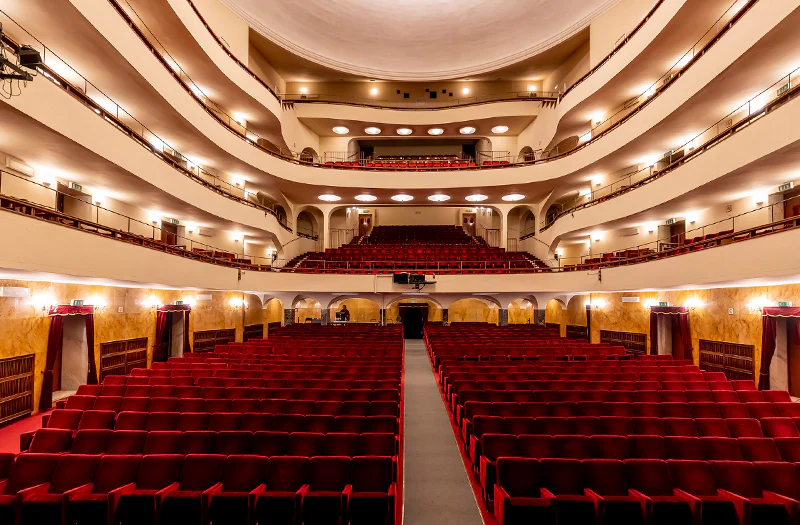
The historic Teatro Duse of Bologna raises the curtain with an ambitious and modern installation. The project was created to give new life to the scenic environment and give a more engaging theatrical experience, both to artists and users.

AVPro Edge Solution: MXNet

Click here for original article.

Private Design Offices

CASE STUDY

Private Design Offices

Corporate Lobby in Minneapolis, MN

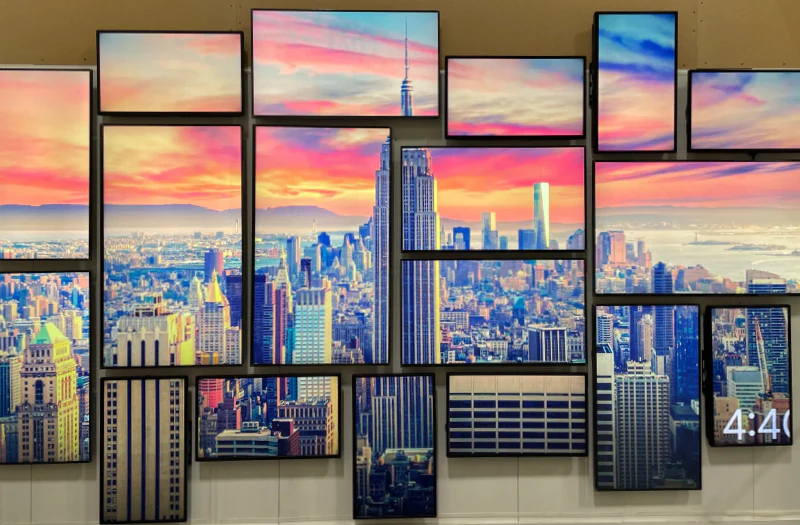
Creating the wow factor for visitors, this install is made up of 23 monitors that can be split into three different zones/walls or have one large image/video across the entire video wall.

AVPro Edge Solution: MXNet Mosaic Video Walls

Click here for original article.

Alaska Airlines Terminal

CASE STUDY

Alaska Airlines Terminal

Airport in Seattle, WA

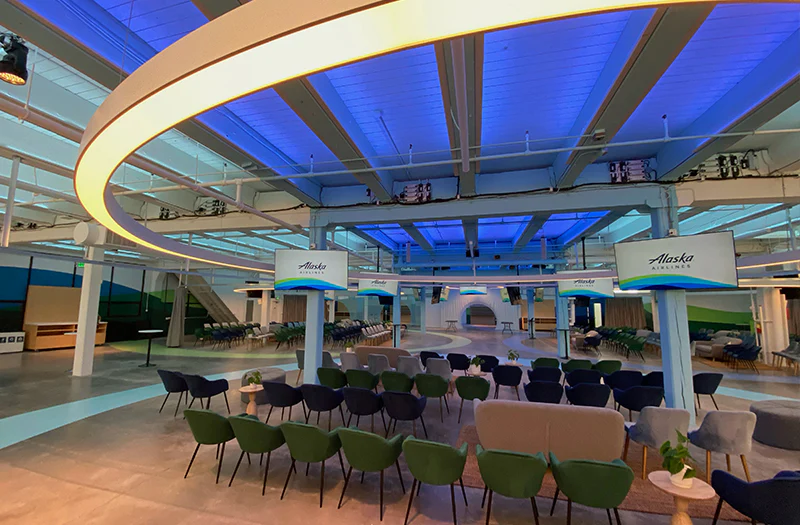
This commercial digital signage installation for Alaska Airlines features one CBOX, one AC-MXNET-SW48, 22 decoders, and six encoders. This video distribution system does the communication job for Alaska Airlines by displaying signage, flight info, and airport warnings.

AVPro Edge Solution: MXNet

Click here for original article.

Hard Rock Café

CASE STUDY

Hard Rock Café

Live Music Venue and Restaurant in Verona, Italy

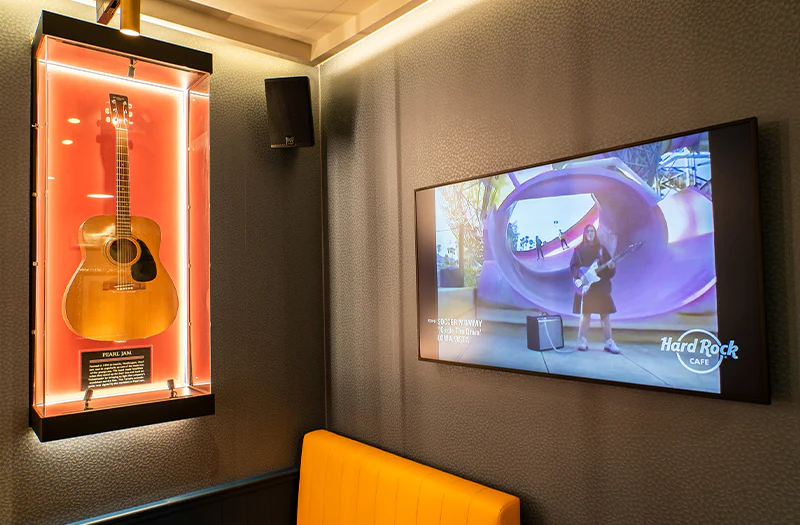
Deploying AVPro Edge’s AV-over-IP solution, MXNet, as part of the installation for a client considered one of the world’s most storied franchises. The local integrator created a rocking and rolling setting for the new Hard Rock Cafe in Verona, Italy, known romantically as “The City of Love”.

AVPro Edge Solution: MXNet

Click here for original article.

LET IT FLY

CASE STUDY

LET IT FLY

Video & Audio Distribution At A Luxury Oceanside Residence

The Restaurant

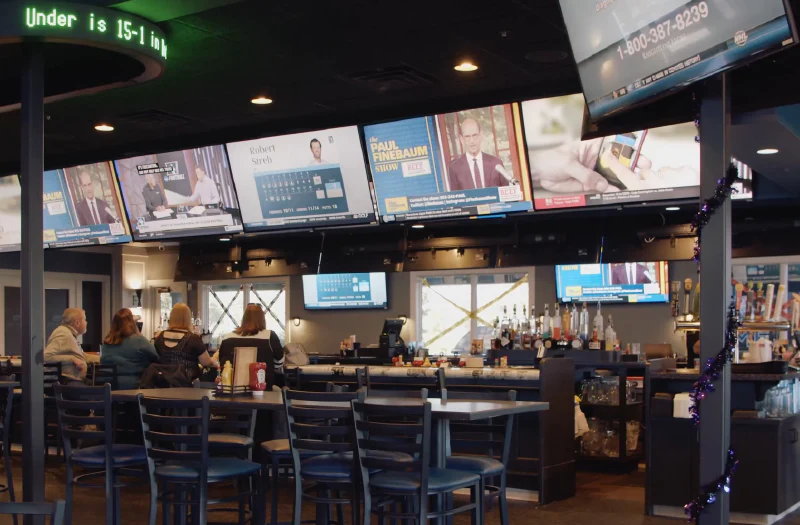
Let It Fly, an upscale Sports Bar and Grill located in Sioux Falls, South Dakota, emphasized the “Sports” in “Sports Bar” and requested live sports be visible at every angle. The restaurant space had two main seating areas with 200 seats, an outdoor patio with 100 seats, a bar, and a casino that needed AV solutions. With so much space and what would become over 80 displays, there was a need for a robust AV distribution system with secure management capabilities.

AV Design

Let It Fly tasked Dave Lawrence, L&S Video & Audio CEO, with finding a solution. L&S Video & Audio is a family-owned AV distributor and installer operating in Sioux Falls for over 20 years. Dave designed a solution to cover all seating angles with 81 TVs and 16 video sources and also had one side of the interior as one giant display. The length of the wall is 36 feet and 8 inches. A typical TV has a 16:9 aspect ratio, so the wall can comfortably fit four 110-inch displays.

A single 110-inch LCD or LED display sounds ideal, but presently they are costly and difficult to find. A projector can make a 110-inch display, but projectors aren’t very bright, and projector screens work best in dark environments not suitable for retail or restaurants. Alternatively, video walls are more affordable, and they allow both the size and the brightness of a regular TV. Video walls are multiple video displays tiled together into one more prominent display using a video wall processor. The cost of a 2×2 video wall, or four 55-inch TVs, plus a video wall processor is much cheaper and more versatile than a single 110-inch display.

They needed an audio and video system that could handle a lot of displays and video walls from one end of the restaurant to the other. Their plan would also need a control system to manage the different panels and audio routing. L&S Video & Audio had partnered with AVPro Edge on AV distribution projects before, and they were interested in AVPro Edge’s AV over IP solution for Let It Fly. After speaking with Loel Wheeler, Pro AV Business Development Manager, and John Tumbleson of Product Development and Engineering, he decided to use MXNet.

AV over IP Advantage

AVPro Edge’s MXNet is an audio-video data over internet network or AV over IP solution. MXNet has hardware components designed to coexist to create an ecosystem. The MXNet Ecosystem contains network switches, encoders, decoders, and a control box that can distribute video, audio, and control signals with unlimited sources and displays over a standard ethernet network. Using an AV over IP solution like MXNet allowed Dave to manage all of the displays securely, and he could save on installation costs by using the existing internet network.

With MXNet, the number one goal is easy deployment. All MXNet components come ready for audio-video signals out of the box. The last thing Dave needed to worry about was configuring a network switch to handle AV signals. The MXNet web interface, Mentor, gives integrators complete control to name endpoints, switch sources, analyze data rates, create video walls, and much more. Mentor comes built-in to each MXNet Ecosystem, giving integrators the upper hand to have a quick and successful installation.

Results

After the installation was complete, Dave said he was happy with how easy MXNet was to install and the overall results of the MXNet Ecosystem. He said John Tumbleson was always available during the installation to ensure the best results on all displays and video walls. Since then, he hasn’t needed John to repair or update any MXNet components at Let It Fly. The MXNet Ecosystem works well with the other equipment at the restaurant, namely, audio amplifiers and an audio controller. Dave said the installation went exceptionally well, and he would use MXNet again in other projects.

“the best thing about this solution is that I have control of the full system.”

Simplify any large-scale AV distribution with MXNet. With the MXNet Ecosystem, Dave had an easy AV deployment, and he has control and stability in the entire system. To get your hands on an MXNet AV over IP Ecosystem, visit our website at avproedge.com or give us a call at 605-274-6055.

Click here for original article.

UNIVERSITY OF MIAMI

CASE STUDY

UNIVERSITY OF MIAMI

Revolutionizing University of Miami's Audio Video Landscape: An Inside Look

Ageless Grandeur

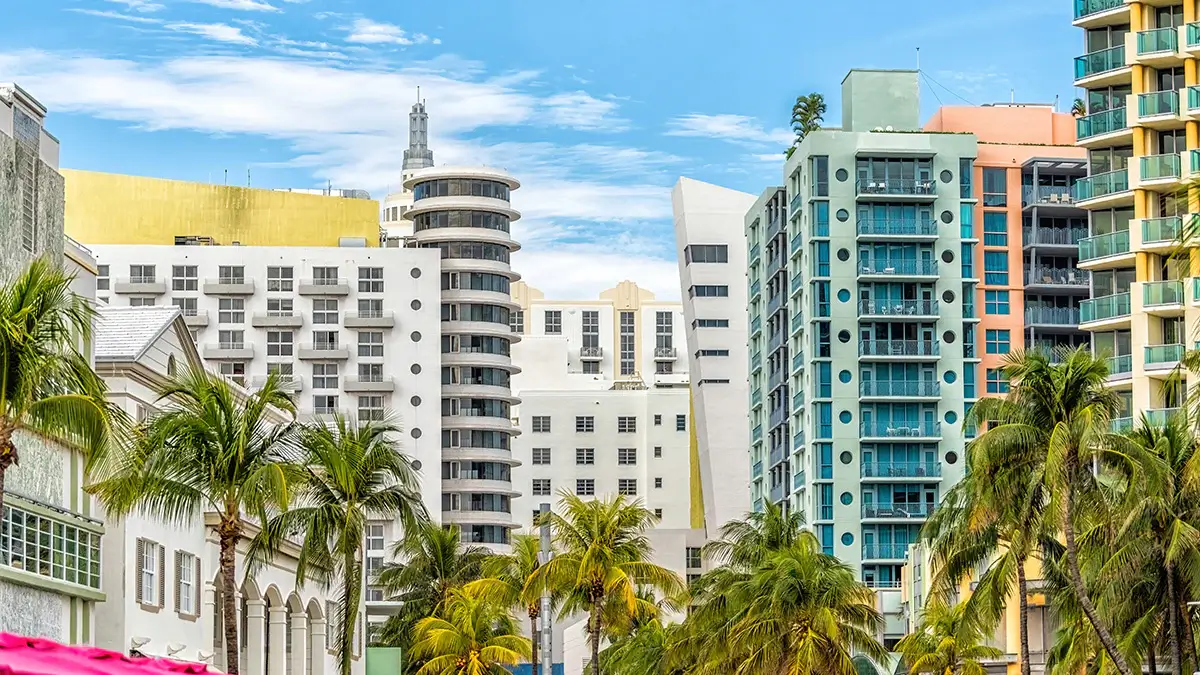
When Miami is mentioned, sun-splashed visions of South Beach along Ocean Drive leap to mind, with its sherbet-shaded pastel Art Deco District buildings, deeply imbued in rich pigments of cadmium, cerulean, and phthalo, their hues hearkening back to the halcyon days of the mid-20s. The legendary collection of nearly 1,000 historic buildings is the highest concentration of Art Deco structures worldwide, continuing to retell their histories almost a century later. Their existence parallels the timeline of another historic metropolitan area landmark in Coral Gables, the University of Miami, seven miles southwest of South Beach.

Orange and Green, Nothing Plain About That

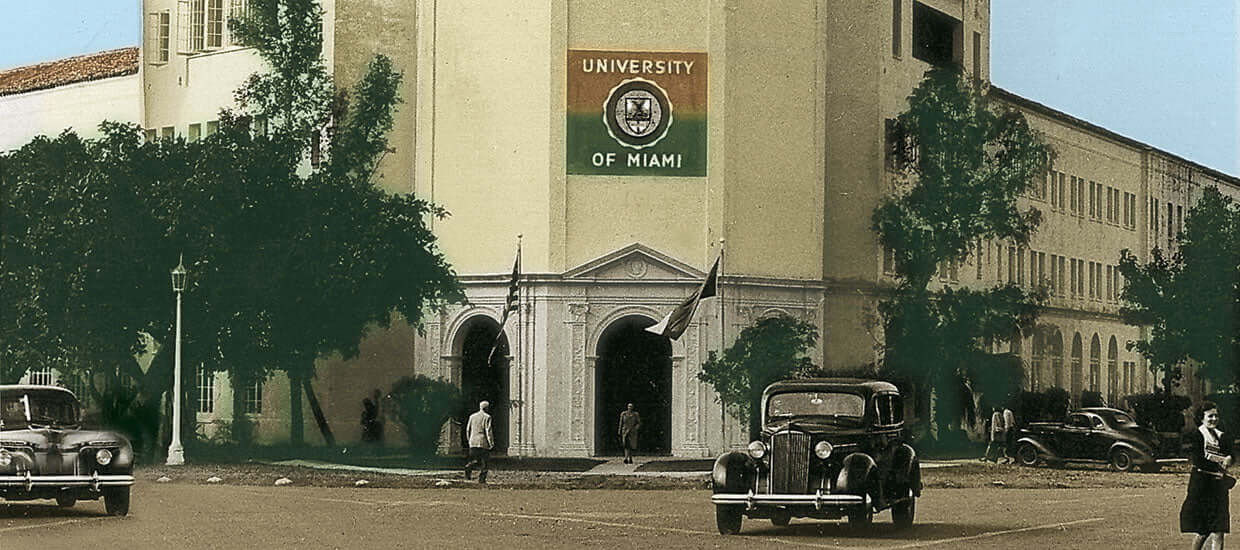
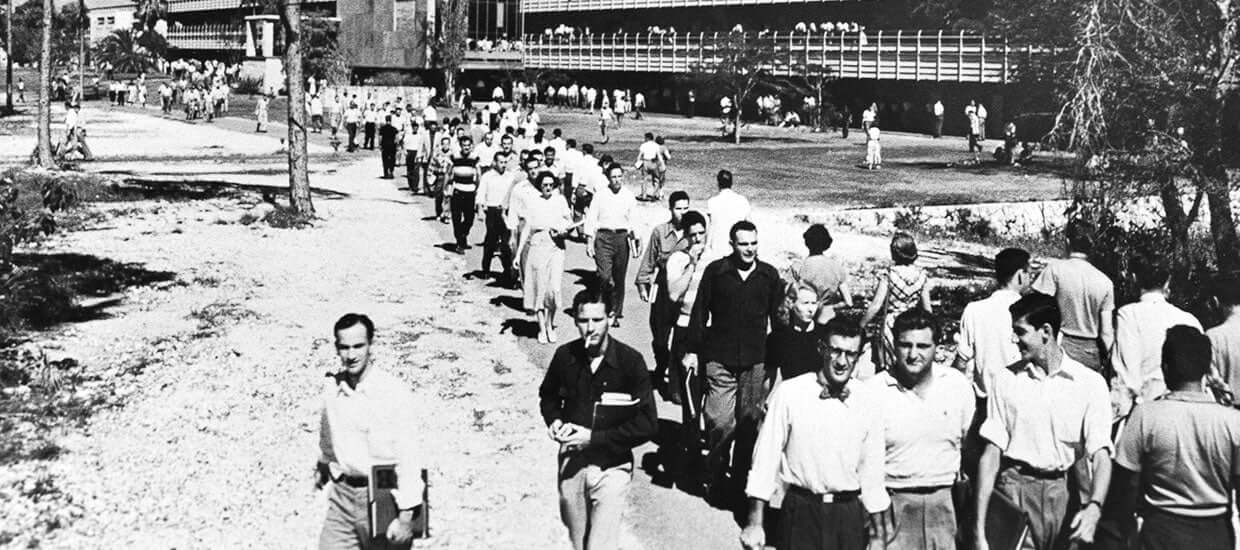
In 1926, as stucco touches were being applied to future South Beach waterfront mainstays, the University of Miami opened its doors to the first enrollment class and a nascent freshman football team. Sans an official designation other than its affiliation with the school, the team tenaciously tallied a perfect 8-0 inaugural season, despite the first game being postponed nearly a month due to the Great Miami Hurricane of 1926. Devastating as the storm proved to be, it managed to provide the team with its official nickname. Also, the official school colors of orange, green, and white were selected at this time, symbolizing Florida orange trees. Orange represents the fruit, green the leaves, and white signifies the blossoms. The following season, 1927, witnessed the team compete as a varsity entity, starting the first chapter in its continuing, storied history.

Room to Play

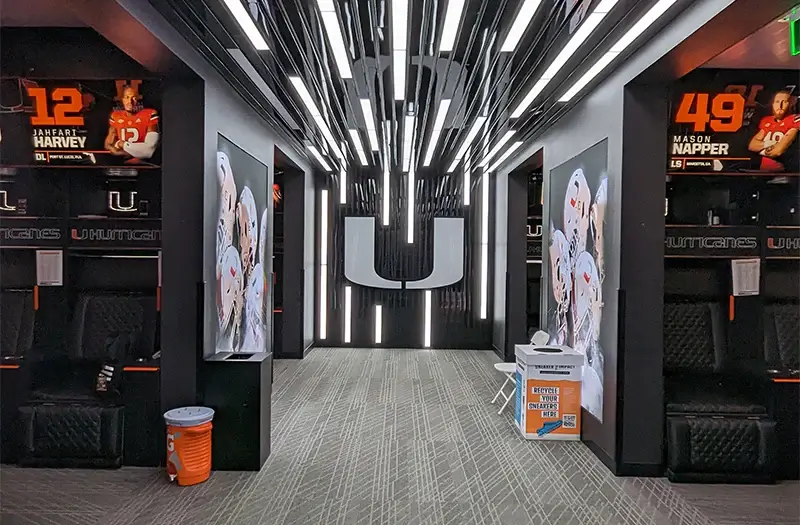
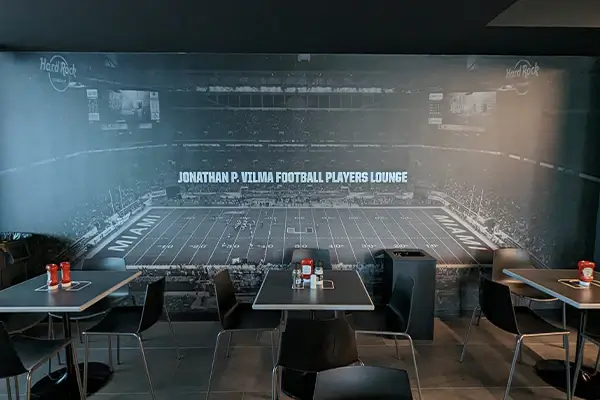
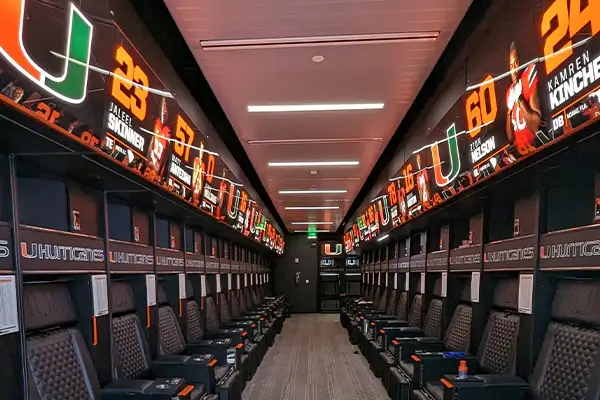
As the program’s centennial nears, a revamp to the team training facility was merited, including an expansive area intended to provide student-athlete football players, coaches, and staff an accommodating environment to decouple from the intense pressures to win at the NCAA Division 1 level. Just as working alongside one another is essential for team success, learning to reduce stress and balance life plays a vital part in shaping the lifelong personal success of these young men. The project was designed with critical elements for socializing as a team and for the capability to immerse in some activities individually. The timing coincided with last season’s official arrival of new head coach Mario Cristobal, marking the former Hurricane’s homecoming return since his playing days at the school and his first coaching role as a graduate assistant in 1998.

Special Teams

Based in Miami and quarterbacked by Jesse Miller, Midtown Video was tasked with bringing the project over the goal line. High-profile, high-level projects are the norm for Midtown Video. The chess game began when it was decided Audio-Visual over Internet Protocol (AV-o-IP) would provide the best method for effective distribution of audio/video signaling. During the initial stages of the installation, Jesse was hampered, along with most in the A/V integration industry, by supply chain constraints. Upon learning that supply chain chicanes did not similarly plague Sioux Falls-based AVPro Edge and its unique, vertically integrated manufacturing capabilities, straightaway collaboration between the two companies enabled Midtown Video to handily beat the installation play clock and meet the project turnover date.

Huddle Up

The installation was not without specific challenges. Though AVPro Edge manufactures and pre-configures its network switches, optimizing performance compounded by the excessive demands of packetized AV-o-IP and not mere network data, the University of Miami IT department standardized an alternate switch brand across the campus whose use they preferred. Undaunted, AVPro Edge Tech Support, joined by Midtown Video and the university’s IT wizards, worked tirelessly to configure this aspect of the system to operate flawlessly.

Enjoying a Bye Week

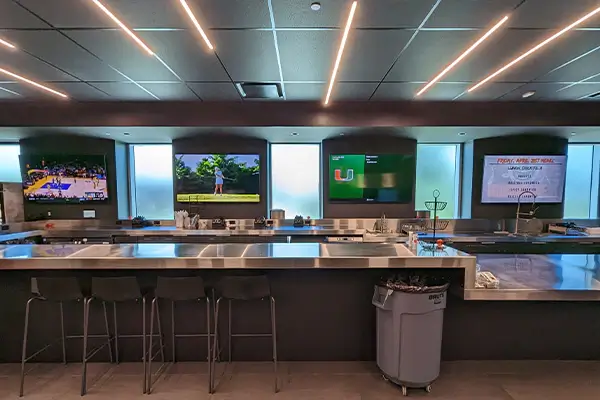
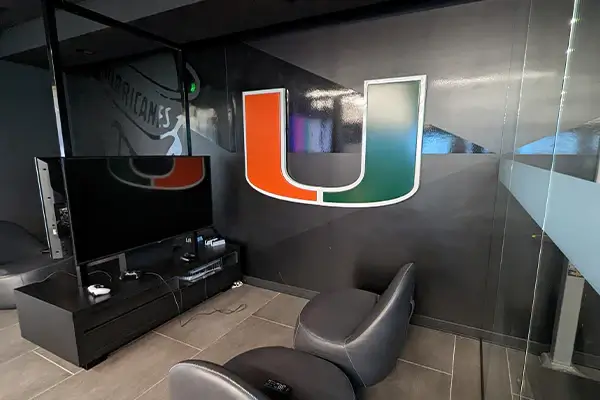
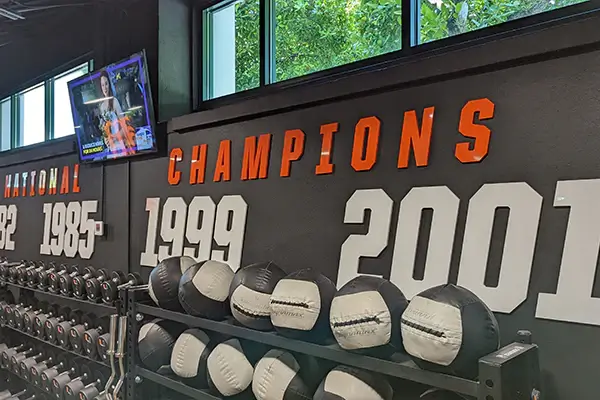
The massive video wall is the best way to keep tabs on conference rivals during a bye week. As many as four key games can be displayed simultaneously and delivered with the video precision the AVPro Edge reputation is known for. With the AVPro Edge MXnet AV-o-IP Ecosystem, a virtual matrix switcher is created for the networked video, enabling video content to be delivered effortlessly to any desired display location or to merge the video wall into a stadium-sized image to critically scrutinize next week’s opponent in a big way, albeit, surrounded by a rare hint of luxury. Some athletes may opt instead for a bit of “me time” and to stay keen with hand-eye skills by cocooning at one of the PlayStation 5 pods, going through future dreamed-of NFL game scenarios bruise-free. Yet others may elect to do reps in the state-of-the-art weight room, spiritedly motivated by the pseudo-crushing, crystal-clear sound waves of the Danley Sound Labs audio system that, almost by itself, makes blood move through the body.

Serious Business and Serious Fun

The almost business-like atmosphere of NCAA football makes impossible demands on student-athletes in nearly every human dimension. Providing an inviting environment to escape momentarily and decompress returns big rewards on Saturdays during the fall and, who knows, perhaps even on New Year’s Day. AVPro Edge and Midtown Video are proud of their synergism in making this facility a technical tour de force while creating a cutting-edge retreat from the all-consuming rigors that few outside college sports comprehend entirely.

Click here for original article.