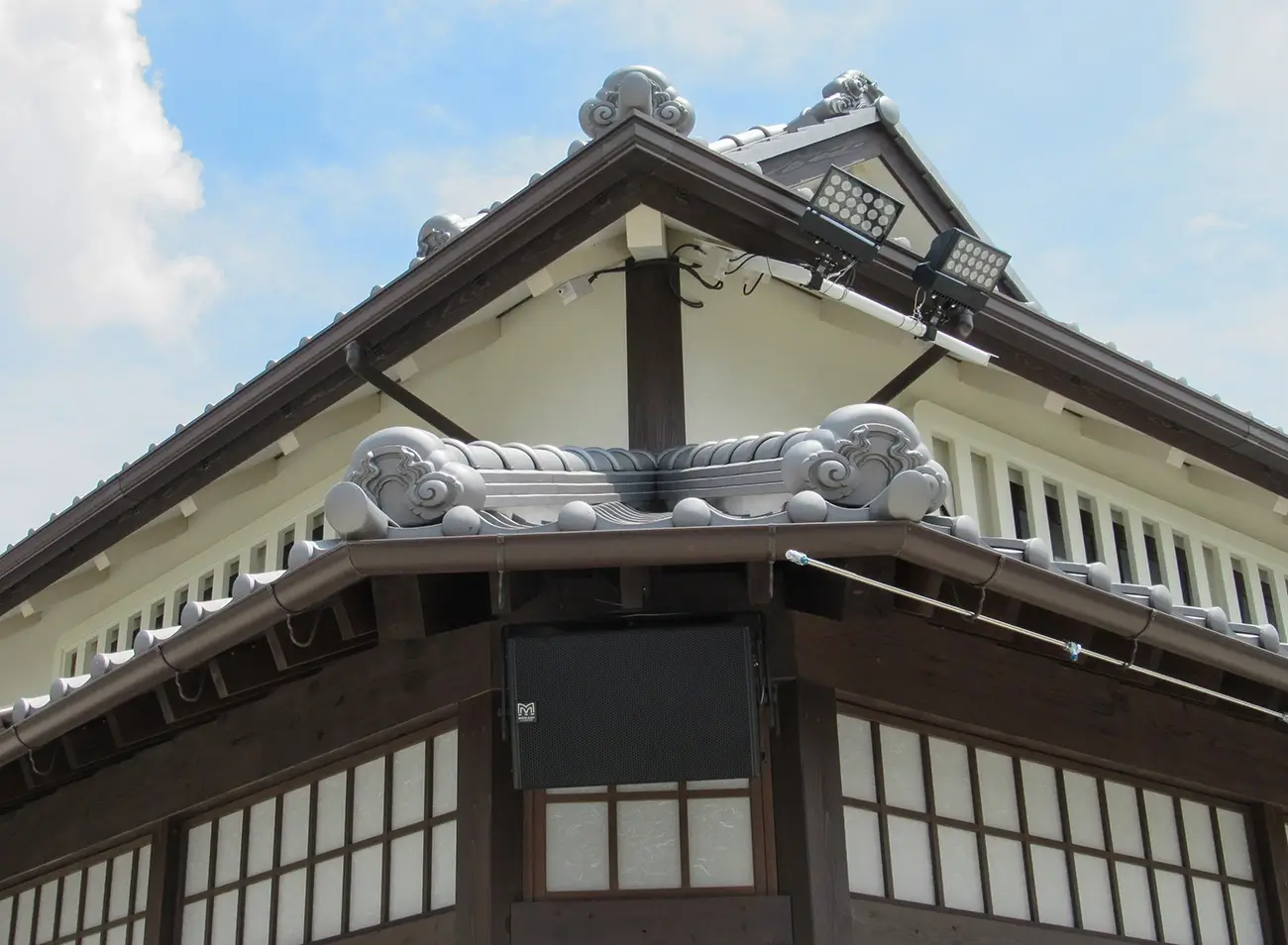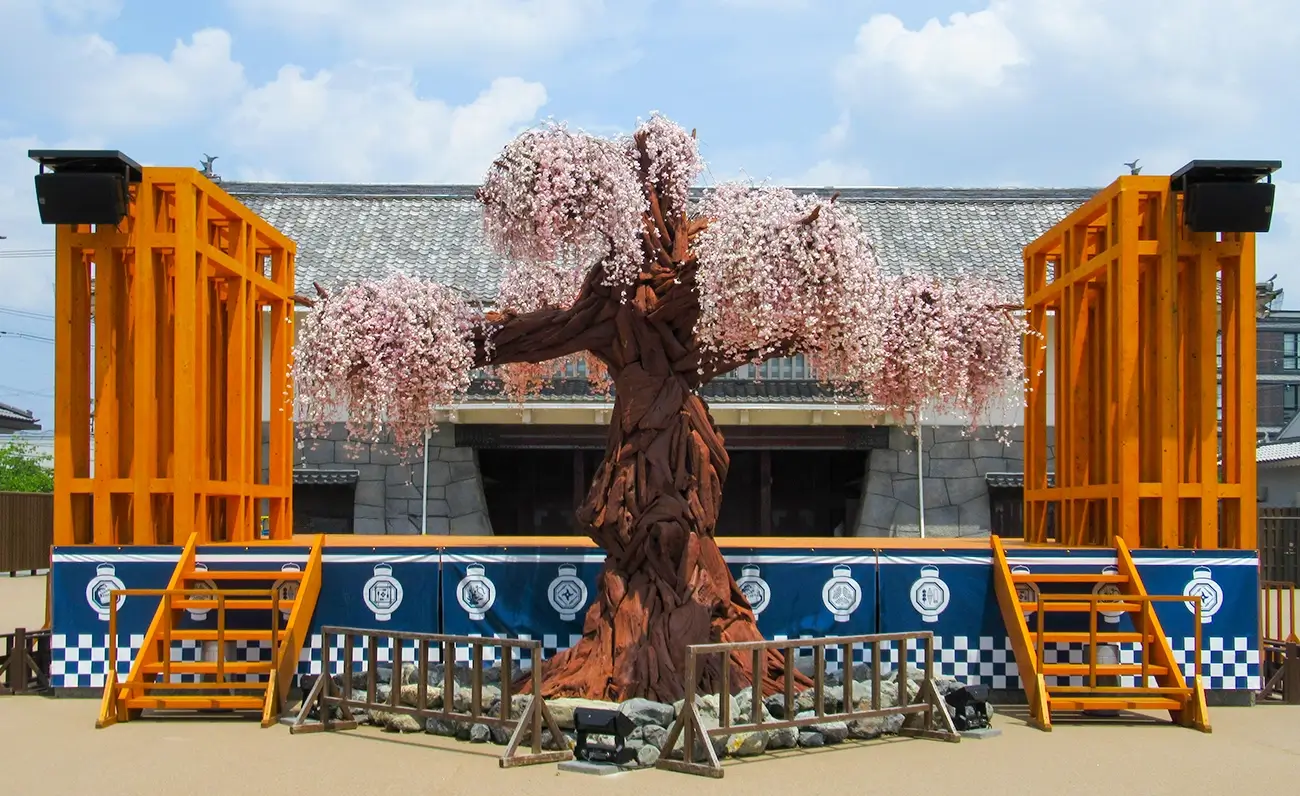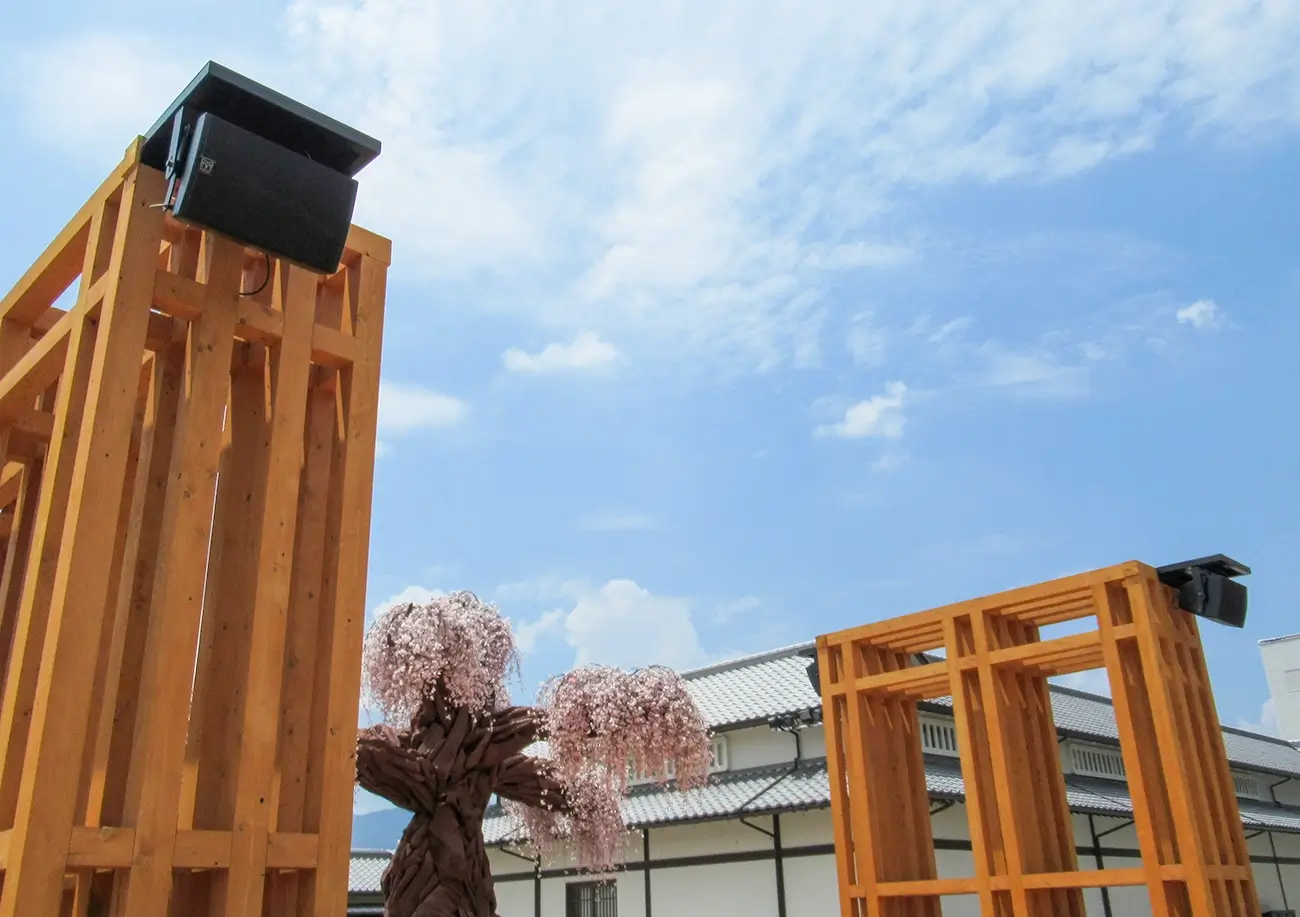
Teatro Duse Theater

CASE STUDY

Teatro Duse Theater

Live Events Theater in Bologna, Italy

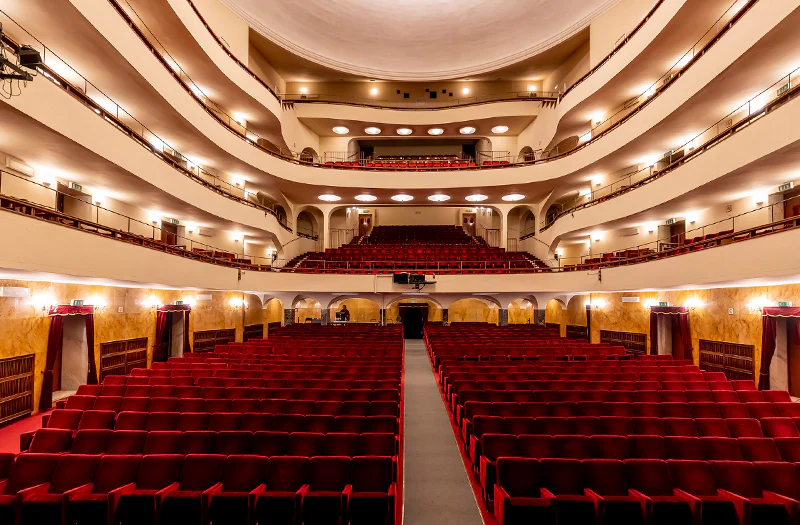
The historic Teatro Duse of Bologna raises the curtain with an ambitious and modern installation. The project was created to give new life to the scenic environment and give a more engaging theatrical experience, both to artists and users.

AVPro Edge Solution: MXNet

Click here for original article.

Private Design Offices

CASE STUDY

Private Design Offices

Corporate Lobby in Minneapolis, MN

Creating the wow factor for visitors, this install is made up of 23 monitors that can be split into three different zones/walls or have one large image/video across the entire video wall.

AVPro Edge Solution: MXNet Mosaic Video Walls

Click here for original article.

Alaska Airlines Terminal
CASE STUDY

Alaska Airlines Terminal

Airport in Seattle, WA

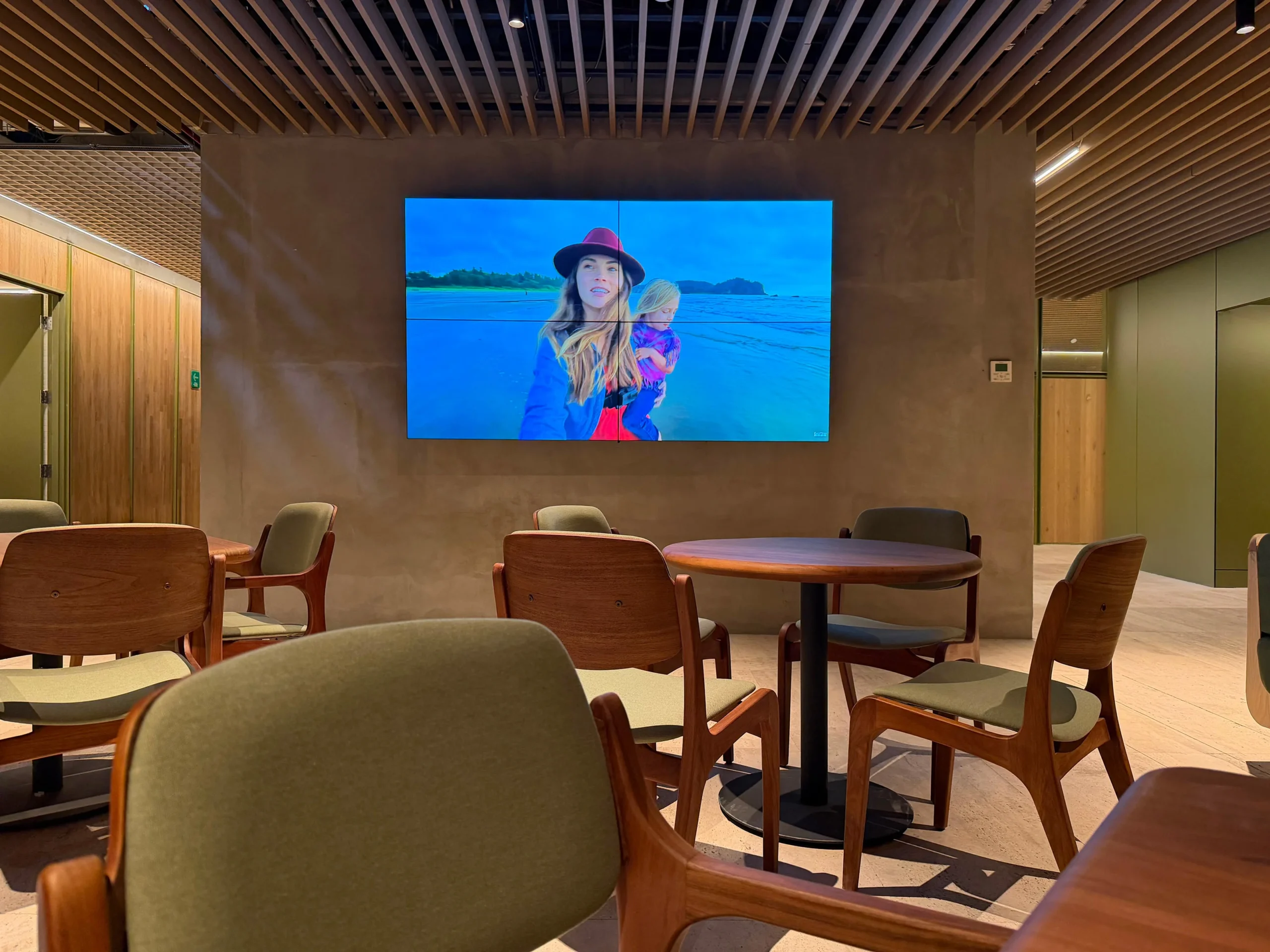
This commercial digital signage installation for Alaska Airlines features one CBOX, one AC-MXNET-SW48, 22 decoders, and six encoders. This video distribution system does the communication job for Alaska Airlines by displaying signage, flight info, and airport warnings.

AVPro Edge Solution: MXNet

Click here for original article.

Hard Rock Café

CASE STUDY

Hard Rock Café

Live Music Venue and Restaurant in Verona, Italy

Deploying AVPro Edge’s AV-over-IP solution, MXNet, as part of the installation for a client considered one of the world’s most storied franchises. The local integrator created a rocking and rolling setting for the new Hard Rock Cafe in Verona, Italy, known romantically as “The City of Love”.

AVPro Edge Solution: MXNet

Click here for original article.

LET IT FLY

CASE STUDY

LET IT FLY

Video & Audio Distribution At A Luxury Oceanside Residence

The Restaurant

Let It Fly, an upscale Sports Bar and Grill located in Sioux Falls, South Dakota, emphasized the “Sports” in “Sports Bar” and requested live sports be visible at every angle. The restaurant space had two main seating areas with 200 seats, an outdoor patio with 100 seats, a bar, and a casino that needed AV solutions. With so much space and what would become over 80 displays, there was a need for a robust AV distribution system with secure management capabilities.

AV Design

Let It Fly tasked Dave Lawrence, L&S Video & Audio CEO, with finding a solution. L&S Video & Audio is a family-owned AV distributor and installer operating in Sioux Falls for over 20 years. Dave designed a solution to cover all seating angles with 81 TVs and 16 video sources and also had one side of the interior as one giant display. The length of the wall is 36 feet and 8 inches. A typical TV has a 16:9 aspect ratio, so the wall can comfortably fit four 110-inch displays.

A single 110-inch LCD or LED display sounds ideal, but presently they are costly and difficult to find. A projector can make a 110-inch display, but projectors aren’t very bright, and projector screens work best in dark environments not suitable for retail or restaurants. Alternatively, video walls are more affordable, and they allow both the size and the brightness of a regular TV. Video walls are multiple video displays tiled together into one more prominent display using a video wall processor. The cost of a 2×2 video wall, or four 55-inch TVs, plus a video wall processor is much cheaper and more versatile than a single 110-inch display.

They needed an audio and video system that could handle a lot of displays and video walls from one end of the restaurant to the other. Their plan would also need a control system to manage the different panels and audio routing. L&S Video & Audio had partnered with AVPro Edge on AV distribution projects before, and they were interested in AVPro Edge’s AV over IP solution for Let It Fly. After speaking with Loel Wheeler, Pro AV Business Development Manager, and John Tumbleson of Product Development and Engineering, he decided to use MXNet.

AV over IP Advantage

AVPro Edge’s MXNet is an audio-video data over internet network or AV over IP solution. MXNet has hardware components designed to coexist to create an ecosystem. The MXNet Ecosystem contains network switches, encoders, decoders, and a control box that can distribute video, audio, and control signals with unlimited sources and displays over a standard ethernet network. Using an AV over IP solution like MXNet allowed Dave to manage all of the displays securely, and he could save on installation costs by using the existing internet network.

With MXNet, the number one goal is easy deployment. All MXNet components come ready for audio-video signals out of the box. The last thing Dave needed to worry about was configuring a network switch to handle AV signals. The MXNet web interface, Mentor, gives integrators complete control to name endpoints, switch sources, analyze data rates, create video walls, and much more. Mentor comes built-in to each MXNet Ecosystem, giving integrators the upper hand to have a quick and successful installation.

Results

After the installation was complete, Dave said he was happy with how easy MXNet was to install and the overall results of the MXNet Ecosystem. He said John Tumbleson was always available during the installation to ensure the best results on all displays and video walls. Since then, he hasn’t needed John to repair or update any MXNet components at Let It Fly. The MXNet Ecosystem works well with the other equipment at the restaurant, namely, audio amplifiers and an audio controller. Dave said the installation went exceptionally well, and he would use MXNet again in other projects.

“the best thing about this solution is that I have control of the full system.”

Simplify any large-scale AV distribution with MXNet. With the MXNet Ecosystem, Dave had an easy AV deployment, and he has control and stability in the entire system. To get your hands on an MXNet AV over IP Ecosystem, visit our website at avproedge.com or give us a call at 605-274-6055.

Click here for original article.

UNIVERSITY OF MIAMI

CASE STUDY

UNIVERSITY OF MIAMI

Revolutionizing University of Miami's Audio Video Landscape: An Inside Look

Ageless Grandeur

When Miami is mentioned, sun-splashed visions of South Beach along Ocean Drive leap to mind, with its sherbet-shaded pastel Art Deco District buildings, deeply imbued in rich pigments of cadmium, cerulean, and phthalo, their hues hearkening back to the halcyon days of the mid-20s. The legendary collection of nearly 1,000 historic buildings is the highest concentration of Art Deco structures worldwide, continuing to retell their histories almost a century later. Their existence parallels the timeline of another historic metropolitan area landmark in Coral Gables, the University of Miami, seven miles southwest of South Beach.

Orange and Green, Nothing Plain About That

In 1926, as stucco touches were being applied to future South Beach waterfront mainstays, the University of Miami opened its doors to the first enrollment class and a nascent freshman football team. Sans an official designation other than its affiliation with the school, the team tenaciously tallied a perfect 8-0 inaugural season, despite the first game being postponed nearly a month due to the Great Miami Hurricane of 1926. Devastating as the storm proved to be, it managed to provide the team with its official nickname. Also, the official school colors of orange, green, and white were selected at this time, symbolizing Florida orange trees. Orange represents the fruit, green the leaves, and white signifies the blossoms. The following season, 1927, witnessed the team compete as a varsity entity, starting the first chapter in its continuing, storied history.

Room to Play

As the program’s centennial nears, a revamp to the team training facility was merited, including an expansive area intended to provide student-athlete football players, coaches, and staff an accommodating environment to decouple from the intense pressures to win at the NCAA Division 1 level. Just as working alongside one another is essential for team success, learning to reduce stress and balance life plays a vital part in shaping the lifelong personal success of these young men. The project was designed with critical elements for socializing as a team and for the capability to immerse in some activities individually. The timing coincided with last season’s official arrival of new head coach Mario Cristobal, marking the former Hurricane’s homecoming return since his playing days at the school and his first coaching role as a graduate assistant in 1998.

Special Teams

Based in Miami and quarterbacked by Jesse Miller, Midtown Video was tasked with bringing the project over the goal line. High-profile, high-level projects are the norm for Midtown Video. The chess game began when it was decided Audio-Visual over Internet Protocol (AV-o-IP) would provide the best method for effective distribution of audio/video signaling. During the initial stages of the installation, Jesse was hampered, along with most in the A/V integration industry, by supply chain constraints. Upon learning that supply chain chicanes did not similarly plague Sioux Falls-based AVPro Edge and its unique, vertically integrated manufacturing capabilities, straightaway collaboration between the two companies enabled Midtown Video to handily beat the installation play clock and meet the project turnover date.

Huddle Up

The installation was not without specific challenges. Though AVPro Edge manufactures and pre-configures its network switches, optimizing performance compounded by the excessive demands of packetized AV-o-IP and not mere network data, the University of Miami IT department standardized an alternate switch brand across the campus whose use they preferred. Undaunted, AVPro Edge Tech Support, joined by Midtown Video and the university’s IT wizards, worked tirelessly to configure this aspect of the system to operate flawlessly.

Enjoying a Bye Week

The massive video wall is the best way to keep tabs on conference rivals during a bye week. As many as four key games can be displayed simultaneously and delivered with the video precision the AVPro Edge reputation is known for. With the AVPro Edge MXnet AV-o-IP Ecosystem, a virtual matrix switcher is created for the networked video, enabling video content to be delivered effortlessly to any desired display location or to merge the video wall into a stadium-sized image to critically scrutinize next week’s opponent in a big way, albeit, surrounded by a rare hint of luxury. Some athletes may opt instead for a bit of “me time” and to stay keen with hand-eye skills by cocooning at one of the PlayStation 5 pods, going through future dreamed-of NFL game scenarios bruise-free. Yet others may elect to do reps in the state-of-the-art weight room, spiritedly motivated by the pseudo-crushing, crystal-clear sound waves of the Danley Sound Labs audio system that, almost by itself, makes blood move through the body.

Serious Business and Serious Fun

The almost business-like atmosphere of NCAA football makes impossible demands on student-athletes in nearly every human dimension. Providing an inviting environment to escape momentarily and decompress returns big rewards on Saturdays during the fall and, who knows, perhaps even on New Year’s Day. AVPro Edge and Midtown Video are proud of their synergism in making this facility a technical tour de force while creating a cutting-edge retreat from the all-consuming rigors that few outside college sports comprehend entirely.

Click here for original article.

AV CASE STUDY: GEELONG ARTS CENTRE AUDIO UPGRADE

CASE STUDY:

Geelong Arts Centre

A massive A$140m upgrade of Geelong’s arts precinct includes a hefty audio package led by Martin Audio WPS line arrays.

Hanson Associates was initially engaged to provide the acoustic and electroacoustic design for the new Stage 3 Redevelopment of the Geelong Arts Centre (GAC). This ambitious project introduced two new theatres: The Story House, a 550-seat venue, and The Open House, a flexible 250-seat performance space. Our role extended beyond room acoustics to include the design of house loudspeaker systems, thanks to the forward-thinking approach of GAC’s technical advisor Andrew Nicol of A.E.N. Advisory and Design Services, who understood the critical synergy between room acoustics and sound reinforcement.

Alongside the Stage 3 project, we were also directly appointed to assist with technology upgrades for GAC’s existing Play House theatre. This encompassed a new sound reinforcement system, motorised flying equipment, and an extensive overhaul of the venue’s cabling infrastructure.

TACKLING AN OUTDATED SYSTEM

The Play House Theatre’s previous sound system was a relic of an earlier era, consisting of outdated, single-source cabinets mounted on the proscenium. The venue’s geometry — originally designed as a cinema — compounded coverage issues, with a deep balcony overhang and complex side seating areas presenting significant challenges. The in-house system failed to provide adequate coverage, leading to its consistent replacement with temporary loudspeakers for live events.

The centre channel posed the greatest challenge, as the existing system provided negligible audience coverage and was often left unused. A modern solution was urgently needed to meet the demands of contemporary programming.

The Play House Theatre enjoyed a full technical refit including new rigging, electroacoustics package, Riedel Bolero comms, and lighting. 

CLIENT BRIEF: PERFORMANCE WITHOUT COMPROMISE

The loudspeaker system design for each venue was shaped by the final acoustic specifications, with a brief that emphasised:

  • Clarity – Intelligible speech (STI ≥ 0.6 at all listening positions)
  • Natural Reproduction – Excellent transient response and minimal distortion
  • Level – Total SPL at all listening positions: Leq 105dBC (6dB crest factor)
  • Uniformity – Minimal variation across the audience area
  • Dynamic Range – Low system noise and high headroom

A key requirement for The Story House was the ability to adapt its response to different room configurations with minimal operator intervention while maintaining consistent performance across both audience and stage areas.

The Play House and Story House required traditional front-left-right theatre sound reinforcement systems, supplemented by fill and delay loudspeakers. The Open House, a flexible black-box space, needed a single permanent loudspeaker system in a primary orientation, with additional infrastructure to support a pool of shared loudspeakers for alternative layouts.

The Open House black box theatre also opens out to the adjacent park for alfresco Christmas carols and the like.

MODELLING THE SOLUTION

Using Odeon, we developed detailed acoustic models for each venue, allowing us to refine room acoustics for different performance formats and evaluate the impact of various loudspeaker solutions.

In the Play House Theatre, sightlines were paramount. To optimise coverage, we modelled multiple centre loudspeaker configurations, ultimately selecting a line array solution over clustered point-source cabinets for its superior coherence and consistent audience coverage.

Finding the best location for the centre cluster wasn’t the end of the story. The existing documentation was outdated and did not accurately reflect the built environment. The P.A. People’s input here was invaluable. Not only did they supply and install new rigging for the loudspeakers but went above and beyond to ensure the arrays are tucked up and out of the way as much as possible.

Special mention also goes to MultiTek Solutions, the appointed AV contractor, which conducted extensive site investigations, to provide us with the information the 45-year-old plans couldn’t. MultiTek were also able to map new cabling access routes along with the identification of appropriate rigging locations.

Utilising independent 3D venue models, we tested several loudspeaker solutions based on manufacturer recommendations and conducted comparative simulations. A collaborative approach with GAC led to the development of a grading system, assessing each option against the venue’s requirements, available inventory, budget, and technical performance. Following this process, Martin Audio’s WPS line array system, supported by subwoofers and single-source speakers, was chosen for each space.

A standout endorsement came from Jessica Mauboy during the grand opening: ‘Wow. Aren’t the acoustics great!’

MARTIN AUDIO: MEETING THE BRIEF

Martin Audio has pioneered beam-shaping technology for over 15 years, a feature we previously leveraged in O-Line installations to precisely map direct sound coverage while rejecting unwanted areas. This same technology was deployed in the larger-format WP-series loudspeakers, allowing for adaptable audience coverage with simple preset adjustments via the control system.

The combination of Martin WPS Line Arrays and SXCF118 subwoofers delivered exceptional signal-to-noise performance on stage, reducing reflections from hard surfaces and improving on-stage rejection. The Martin Audio Display D2 software facilitated precise system optimisation, with settings uploaded to iKon amplifiers driving the WPS arrays.

SUBWOOFER STRATEGY

Both the Story House and Play House feature flown cardioid subwoofer arrays flanking the centre line array. This configuration enhances horizontal dispersion control while minimising stage spill. For high-impact performances, such as rock concerts or electronic music events, four Martin Audio SXP218 active dual subwoofers are available as ground stacks beneath the left and right arrays. These are shared between The Story House and Play House as needed.

The new Story House venue is the largest in the precinct and features 3 x 10-element Martin Audio WPS arrays at FOH along with Martin Audio CDD loudspeakers for fill. 

A RESOUNDING SUCCESS

The feedback from GAC’s technical managers and visiting audio professionals has been overwhelmingly positive. Touring artists and engineers alike have praised the system’s clarity, coverage, and ease of use. A standout endorsement came from Jessica Mauboy during the grand opening: “Wow. Aren’t the acoustics great!”

Such praise reflects the meticulous effort invested in design, installation, and system tuning. Hanson Associates collaborated closely with GAC staff to ensure that the final tuning not only met but exceeded expectations, delivering optimal audience coverage and localisation.

A TEAM EFFORT

TAG’s Tony Russo and Bryan Davidson provided invaluable support throughout the process, from design consultation to on-site implementation and post-completion assistance. The P.A. People supplied new motorised winch systems, enabling safe and flexible deployment of the centre array and subwoofers.

At Hanson Associates, we differentiate ourselves by directly commissioning and tuning the sound systems we design, ensuring that our performance specifications are fully realised. For the Play House Theatre, we executed system tuning in partnership with David Gilfillan of Gilfillan Soundwork, delivering a solution that continues to impress performers, audiences, and technical teams alike.

The transformation of Geelong Arts Centre’s audio infrastructure is a testament to the power of collaboration, precision engineering, and cutting-edge technology. It stands as a world-class example of how thoughtful acoustic and electroacoustic design can elevate the performance experience for artists and audiences alike.

Click here for original article.

O-LINE EXCELS IN TASMANIA

CASE STUDY:

O-LINE EXCELS IN TASMANIA

OUR MISSION
UNITE YOUR AUDIENCE

Martin Audio delivers rich, clear sound that envelops the audience helping to ensure that the next generation are inspired.

St John’s Launceston turned to GUZ BOX design + audio to propose an audio solution that would provide clear intelligibility in the main seating areas

As the first european settlements rose out of the virgin landscape of northern Tasmania in the early 19th century, St John’s claimed its stake as the oldest church in Launceston. Celebrating its 200th anniversary in 2024, the church committee decided to conduct extensive refurbishment ahead of the bicentennial celebrations. To enhance speech intelligibility, All Saints Anglican Network tasked GUZ BOX design + audio to propose architectural acoustic and electroacoustic design works in late 2020.

Unlike the intelligibility, the real-world challenges were clear for GUZ BOX design + audio founder, Tim Kuschel. Armed with few documents and hindered by the numerous pandemic restrictions in place at the time, the Canberra-based consultant was forced to work on modelling from point cloud data transferred to him. During a relaxation of pandemic restrictions in March 2021, Kuschel was almost overwhelmed by the heritage-listed architectural constraints and demanding acoustics, including a 22m-high dome.

“The dome and rising stone pillars combined to create multiple reflections and, with a pipe organ still in use, intelligibility was a major concern,” recalls Kuschel. “A large proportion of the congregants are elderly worshippers, and the majority could not understand the spoken word services. Therefore, the design brief focused on speech intelligibility within the main seating areas. Additionally, the existing audio system was deemed to possess limited flexibility, so I was requested to add enhanced features into the design.”

St John’s also hosts more contemporary music for its youth services and others during weekday evenings. Although the church is one of the oldest-surviving churches in Australia, it has received numerous extensions and modifications over the years. Only the tower and first pair of windows in the nave remain from the original 1824 construction. “Just as the church has added new extensions at various points in time, random loudspeaker enclosures have also been installed into various zones. The existing loudspeaker system simply did not meet the requirements because it consisted of too many non-compatible enclosures, which were not designed for such a space.”

The proposed works to upgrade and revise the sanctuary, platform and presentation area included an acoustic amenity supporting a modern contemporary worship style. Demanding a minimalist audio reinforcement footprint, the architectural and audio aesthetic for traditional un-amplified musical performances would need to be adhered to. A flexible AV system was also required to distribute and replay video content, including the broadcast and livestreaming of church activities and special events, from multiple camera locations to presentation screens.

To create detailed acoustic design and modelling using EASE software, Kuschel conducted extensive acoustic measurements. A man driven by detailed figures, Kuschel carefully studied the reflective surfaces and the acoustic materials. Not only was the audio system required to focus its PROJECTS energies on the main church seating areas, but the loudspeakers would also need to operate within the full frequency range for speech and music. Assuming a two-thirds seating capacity, Kuschel set a desirable Speech Transmission Index (STI) of greater than 0.60 throughout the areas covered by the audio systems. The balcony, chapel, choir, entry and crèche areas were also specified to operate within a minimum frequency response of 150Hz–16kHz (±3dB).

Balloons were used to measure the impulse responses, with the results used to correlate real-world with virtual response measurements. In addition, Kuschel’s ears played a significant role in studying the acoustic behaviour during various services. “For the more social aspects, I listened to the pipe organ and I played the piano to comprehend how a performer perceived the sound onstage. Because my background is in architecture, I built a model in AutoCAD from the point cloud data before converting it into a virtual acoustic model using AFMG’s EASE version 5 software. For added accuracy, I correlated the physical measurements with the EASE model.”

To minimise the impact on the architectural design and aspects within St John’s, Kuschel worked closely with Cumulus Studio by proposing an extensive acoustic works treatment programme, including ceiling absorbers and wall treatments. “It would be very difficult to remove all the sound defects, including echoes, room nodes and focused reflections from curved surfaces and dome structures. The focused reflections from the curved wall and ceiling surfaces are a characteristic of the existing church acoustic environment.”

The Hobart-based architects wanted Kuschel to install technology that would simplify the setup for local artists looking to perform in the church. “I evaluated various sound systems for this space but, ultimately, the Martin Audio O-Line offered the most consistent results across the seating areas. With its small, compact form factor, O-Line excels in houses of worship or those venues where speech intelligibility is the primary function of the space. For the ability to reproduce music, however, additional subwoofers were required.”

Working closely with Martin Audio distributor Technical Audio Group (TAG), L-R Martin Audio O-Line arrays provide the main FOH coverage. Consisting of 16 elements in each array, each element comprises dual 3.5-inch LF with five 0.6-inch HF drivers. For the ability to reproduce music by enhancing the low-frequency spectrum, six SX110 10-inch direct-radiating sub bass arrays have been placed under the main platform.

“We could not suspend the O-Line arrays from the 22m-high concrete dome, as it is 16m higher than the optimum speaker placement. For the desired coverage, the modelling suggested that the top speaker of each hang be suspended 6m above the sanctuary floor. To achieve this, customised speaker brackets were designed that extend the distance of the arrays from the wall.”

Fixed to pan and tilt brackets on the main balcony providing controlled 150° x 15° or 30° coverage, L-R QSC AD-S162T column enclosures serve as the main balcony delays. Several Martin Audio CDD6 and CDD5 cabinets have been fixed in the chapel and choir areas on ball and ceiling brackets. Completing the loudspeaker fulfilment, QSC AD-4T cabinets and AD-C4T 4.5-inch ceiling speakers serve the side entry and under balcony/crèche areas respectively. “To blend in with the décor, the conduits running the cabling to the wall-mounted speakers are painted in the same finish. Alternative colours were painted to match the sandstone and the brickwork in some areas.” This was initiated by the builder and integrator to satisfy the requirements of heritage constraints.

Six QSC CX-Q4K8 8-channel amplifiers are integrated into the Q-SYS design. In addition to powering 48 individual loudspeaker channels –and providing routing, advanced processing and control – the network amplifiers promote efficient channel power distribution with FlexAmp and Flexible Amplifier Summing Technology (FAST).

DSP settings for each O-Line element, the subwoofers and the fill speakers have been set and stored within a Q-SYS Core 110fx 128×128 processor. Mounted on a tabletop, simplified control of the audio parameters can be made, for those with access codes, from a Q-SYS 7-inch PoE touchscreen. The GUI interfaces with the entire Cat6 networkable audio connections courtesy of a Netgear Q-SYS PoE+ 30-port managed switch.

Fitted with a Dante card, an Allen & Heath SQ-6 digital console is used for mixing both simple spoken word services and musical performances. A wireless iPad loaded with SQ MixPad app allows the presiding audio technician to independently or simultaneously control the SQ-6 console over a wired or wireless network. Microphone inputs are received via Cat6 connection from the S-Link port on the rear of the 48-channel console from the Allen & Heath DX164-W 4-in/16-out  flush-mounted floor box expanders onstage. “When the FOH loudspeaker system is not required, the operator can select one of the Q-SYS presets. More advanced users can access the Dante network on the built-in SQ-6 touchscreen, which runs to a breakout box in the rack.”

Already possessing a large microphone inventory, Kuschel simply insisted on the adoption of a Sennheiser EW-DX wireless system. Boosted by an RF Venue diversity architectural antenna, MMD945 super-cardioid capsules and Que Audio DA12DE head-worn models connected to EW-DX bodypacks transmit to the EM4 4-channel Dante digital full-rack receiver. For spoken word, the lectern is fitted with Audio-Technica U857Q-H gooseneck microphones fitted to shock mounts.

Assistive listening is enhanced with the installation of Univox SLS-3 and SLS-5 phased-array induction loop amplifiers. Kuschel designed the placement to be as far from audio, video and data systems as possible. Consideration was also given to interference from under-floor heating systems. “Due to the magnetic field strength of induction loop systems, some of the audio equipment such as dynamic microphones and electric guitar pickups can be affected.”

The acoustic works included the replacement of the raised timber platforms towards the front of the church and in the chapel with 130m2 of recycled hardwood timber linings. Indirectly, the laying of 590m2 of new carpet throughout the ground-level seating areas and balcony sections provides added absorption. In addition to some wall treatments, Kuschel’s decision to apply an aesthetic acoustic treatment of Megasorber 50mm sound absorbing panels to approximately two-thirds of the ceiling over the main seating areas was fully merited during commissioning.

“The reverberant energy over the audience area has been controlled. Following the upgrade, the installed audio system provides a minimum measured STI value of 0.61 from the front row to the last seat of the balcony. The speech clarity is uniformly intelligible, whether you’re sitting in the main seating block, in the chapel or up in the balcony. Both live performances and high-definition spoken word services can be better managed.”

Following the acoustic treatment, Kuschel recorded 2.5s of reverberation time, mainly in the mid-frequencies. “The organist demanded reverberant energy in the space, and it was pleasing to note that this has been unaffected by the acoustic works. Crucially, however, the reflected energy has been controlled and so the performances of singers and musicians are no longer marred. There is a good natural reverberant tail which is more defined, but it doesn’t come with the early reflections that affect musicians.”

Installation works were carried out by Tasmania-based Contact Group, who have provided an exceptionally high-quality result considering the heritage constraints and detailed, time-consuming installation. T-Built project manager Joel Taylor managed all the contractors and systems integrators onsite. “During the entire upgrade and refurbishment programme, Joel carefully coordinated all the trades onsite,” explains Kuschel. “The acoustic works and AV fit-out were managed to perfection under him. I cannot rate him highly enough.” A 10 out of 10 perhaps, for Taylor, but some aspects of an AV upgrade cannot be assessed or measured scientifically.

Original article published on Worship Avl Asia

Portfolio Recommendations

Della Fame

Pulsarpro chooses HH Electronics audio system for stylish new Istanbul restaurant, Della Fame…

Home to the Metropol Istanbul Tower, Turkey’s highest skyscraper, the Ataşehir district on the Anatolian side of the city is a residential, business and trading centre which has developed a popular social scene. Its many busy eateries cater for a wide range of tastes, and attractively-designed Della Fame is the very latest Italian restaurant to open in Ateşhir. 

Located in a section of the Metropol Shopping Mall, Della Fame is a stylish and spacious venue which offers indoor and alfresco dining courtesy of its street-facing aspect, and delivers a high standard of Italian-inspired Mediterranean cuisine from its open kitchen.

Carefully selected background music and DJ sets complement the guest experience at Della Fame, meaning that exceptional audio was an essential component of the restaurant’s ambience. The Della Fame team engaged leading Istanbul-based professional audio integrator, Pulsarpro, to supply and install a discreet, high quality system that would meet the needs of the venue’s different spaces.

Project coordinator Hakan Tamer deployed 10 x HH TNi-0801A 8” full-range active loudspeakers in conjunction with 4 x TRS-1800 18” powered subwoofers for the inside spaces. These installation units from the HH Tessen and Tensor ranges respectively, combine to comfortably deliver all the necessary power and quality for background music and evening DJ sets, whilst blending unobtrusively into Della Fame’s elegant decor. 3 x HH TNi-C8 ceiling speakers were mounted in the lobby and restroom entrance area, while the garden area benefitted from 16 x TNi-W6 compact wall-mounted speakers.

Hakan Tamer comments:

The HH loudspeakers proved to be first-class products in terms of quality, power and consistency of coverage, as well as respecting the visual aesthetic of the venue’s unique decoration.

Della Fame Business Manager, Murat Coşkun is pleased with the system:

Our mission is to offer a relaxing experience, day and night, for guests who want to take a break from the hustle and bustle of the city. Good music plays a big part in creating the right atmosphere at Della Fame. Our new sound system, with its carefully placed HH speakers, delivers excellent sound quality both during the early lounge hours and later DJ performances.

Ian Wright, Global Sales Director for HH Electronics adds:

Pulsarpro did a great job at Della Fame, choosing a combination of speakers that delivered optimum quality and coverage of the spaces without being visually intrusive in what is a beautifully designed venue. Although a relatively new customer for us, Pulsarpro had no hesitation in designing an HH system for this eye-catching venue, and already have a number of other schemes underway in Turkey.

Click here for original case studies

THE CATERPILLAR CLUB

CASE STUDY:

The Caterpillar Club

OUR MISSION
UNITE YOUR AUDIENCE

Martin Audio delivers rich, clear sound that envelops the audience helping to ensure that the next generation are inspired.

Tucked away at 92 Pitt Street in the heart of Sydney’s CBD, the newly opened Caterpillar Club is far more than your average underground bar. With a vibrant music program, an extensive vinyl collection of nearly 12,000 records, and the perfect fusion of retro chic and modern sound technology, the Swillhouse Group venue is redrawing Sydney’s expectations of late-night culture in the city. Live music is a major drawcard at Caterpillar Club, and whenever a band isn’t on stage, a DJ spins vinyl through the house sound system. The club creates an atmosphere so compelling you’ll want to stay until the early hours of the morning, and if you get lost on your way, just look for the long queues outside the door.

NOD TO THE PAST

From the moment you descend into Caterpillar Club, it’s as if you’ve been transported to a cool speakeasy from another era. The venue exudes a distinct ’70s charm with dim, atmospheric lighting, cozy leather banquettes, and walls lined with record sleeves, creating an environment that’s both intimate and buzzing with energy. You can almost feel the influence of New York’s underground scene — a conscious homage, according to General Manager Emma Franceschini.

“We’ve taken inspiration from some great places from the ’70s. There’s a lot of New York inherently in this building,” Franceschini explains. “We have bands five nights a week from Sunday through to Thursday, and  any time there’s not a band on, there’s a DJ spinning vinyl. And we’ve got a little hidden secret tiki bar with DJs, so on Friday and Saturday night, essentially you can have two parties in one.”

“Good audio is everything. You know if something sounds good or bad, even if you can’t articulate it. It’s just a feeling”

THE VINYL EXPERIENCE

At the heart of Caterpillar Club’s identity is its record collection, one of the largest private collections in the world. It’s no surprise that vinyl plays a huge role in the venue’s appeal, as DJs regularly spin from this extensive collection between live sets. The tactile warmth of vinyl emanates through the space, offering something deeper than what digital music alone can provide — a sense of timelessness, nostalgia, and raw authenticity.

But what really sets this experience apart is the attention to detail in how the music is heard. Franceschini points out that vinyl isn’t just about the records themselves, but about how they are delivered to your ears.

“We’re a vinyl bar. We’re playing cool, interesting records. You want to be able to hear the nuances, and having a world-class sound system allows you achieve that,” she says. “Good audio is everything. You know if something sounds good or bad, even if you can’t articulate it. It’s just a feeling. When the balance of the sub is right in the room, and you get that thump in your chest, the whole place feels warm and comfortable to be in.”

EVERY SEAT IS THE BEST SEAT

“The thing with the Martin Audio sound system is you have that extra clarity in the room,” says Franceschini. “You’re able to take it to a pretty substantial volume and still have great conversation with your friends in the space.”

It’s a fine balance — loud enough to feel the energy of the live performance or the groove of the vinyl DJ, yet restrained enough to lean in and share a moment with your companions. The technology behind the Martin Audio system is engineered to ensure warm, rich sound that’s as comfortable as the venue itself.

Audio is processed and distributed across zones by a Q-SYS backbone. Zones are selected and controlled via QSC touchpanels with a custom GUI. An Allen & Heath SQ7 digital console and stagebox take care of live mixing duties.

TWO PARTIES, ONE NIGHT

What truly makes Caterpillar Club stand out is its ability to cater to different moods in a single evening. The main room offers live music and vinyl DJ sets, while a hidden tiki bar within the venue provides an entirely different vibe.

“On a Friday, Saturday night, essentially you can have two parties in one,” Franceschini notes. This dual experience lets you float between worlds: one moment you’re soaking in a band’s live set or dancing to a vinyl groove, the next you’re transported to a secluded hideaway for a whole other experience.”

Sydney’s nightlife scene is in constant evolution, and Caterpillar Club is an example of where it could be headed. By fusing nostalgia with state-of-the-art sound, live music with vinyl culture, and creating a space where people can truly engage with the music over fantastic drinks and snacks, Caterpillar Club is setting a high bar for late-night venues in the city.

Caterpillar Club: swillhouse.com/venues/the-caterpillar-club
Avivo Technology: avivotech.com.au
Technical Audio Group: tag.com.au

Portfolio Recommendations