Categories
TiMax

TIMAX SOUNDHUB ZONES IN ON UNIQUE FASHION EXHIBITION IN INDIA

“India in Fashion: The Impact of Indian Dress and Textiles on the Fashionable Imagination” in Mumbi accompanied by immersive soundscapes designed by Kapil Thirwani of Munro Acoustics utilizing dual SoundHub-S64 processors.

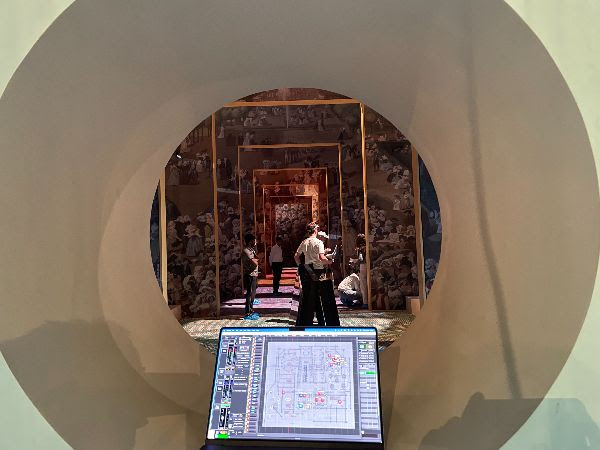
The inaugural exhibition of “India in Fashion: The Impact of Indian Dress and Textiles on the Fashionable Imagination” at the Nita Mukesh Ambani Cultural Centre in Mumbai was supported by an array of immersive soundscapes that segued from zone to zone in an audio designed utilizing the TiMax SoundHub platform.

Kapil Thirwani, director of Munro Acoustics, fulfilled the audio brief, calling upon the expertise of distributor, Alphatec, which recommended SoundHub for the project.

The exhibition is curated by Vogue global editor Hamish Bowles and presents a multi-zone exploration into the impact of India on global fashion and vice versa. Thirwani was contacted to deliver the audio approach in a very tight timeframe. On advice from Alphatec, and he had just enough time to fly to ISE in Barcelona to discuss the project in detail with Out Board.

Out Board director Dave Haydon explains, “Alphatec showed Kapil various ways TiMax could handle this project, which involved playing spatial music and effects across 15 different zones, starting and stopping it all automatically without anybody having to touch it. He worked out that TiMax was the only thing that could do it all at once.”

Thirwani’s final saw two 64 i/o TiMax SoundHub-S64s, each handling half of the exhibition, playing out a mix of stereo and multi-stem spatial music as well as soundscape tracks to 128 Genelec 4430 IP loudspeakers across 15 zones. The Genelec 4430, like TiMax, connects to a Dante network and supports external control via third-party hardware or software. Each running on a single Cat-5 cable, the self-powered Genelec units were not only discreet but avoided the use of more than 20 Km of hard-to-conceal copper wiring.

The soundscapes for the individual exhibition zones were originated by Goa-based musicians Sandunes. With some multi-channel spatial audio advice from Haydon in hand, the duo created audio content in the same key which served to prevent musical clashes from one zone to another. Various show content stems were sent to the UK where Haydon could begin programming the showfiles, and he subsequently visited Mumbai to help Sandunes bed in the immersive content on-site.

Without walls between the exhibits, overlap was unavoidable but once the audio installation was complete, the team started auditioning the soundscapes over the various zones of loudspeakers, walking from zone to zone with a Mac to fine-tune them.

Following this process all the settings were saved and the SoundHubs locked. Set to fade up at 10 am and then slowly fade out at the end of the day, it simplified client control for the TiMax-controlled system provided via a TouchOSC iPad for each SoundHub. Changes could be made to master level and individual zone levels for out-of-hours VIP visits, press and TV interviews without impacting the saved setup.

Arriving at the completed project shortly before it opened to the public, Haydon says, “The integration and design were amazing, and all the equipment was up and running to provide totally automated, hands-free, fully integrated show-in-a-box operation.”

Click here for original article.
Categories
TiMax

Simon Honywill comprehends The Nature of Why using TiMax SoundHub and TrackerD4

Simon Honywill comprehends The Nature of Why using TiMax SoundHub and TrackerD4

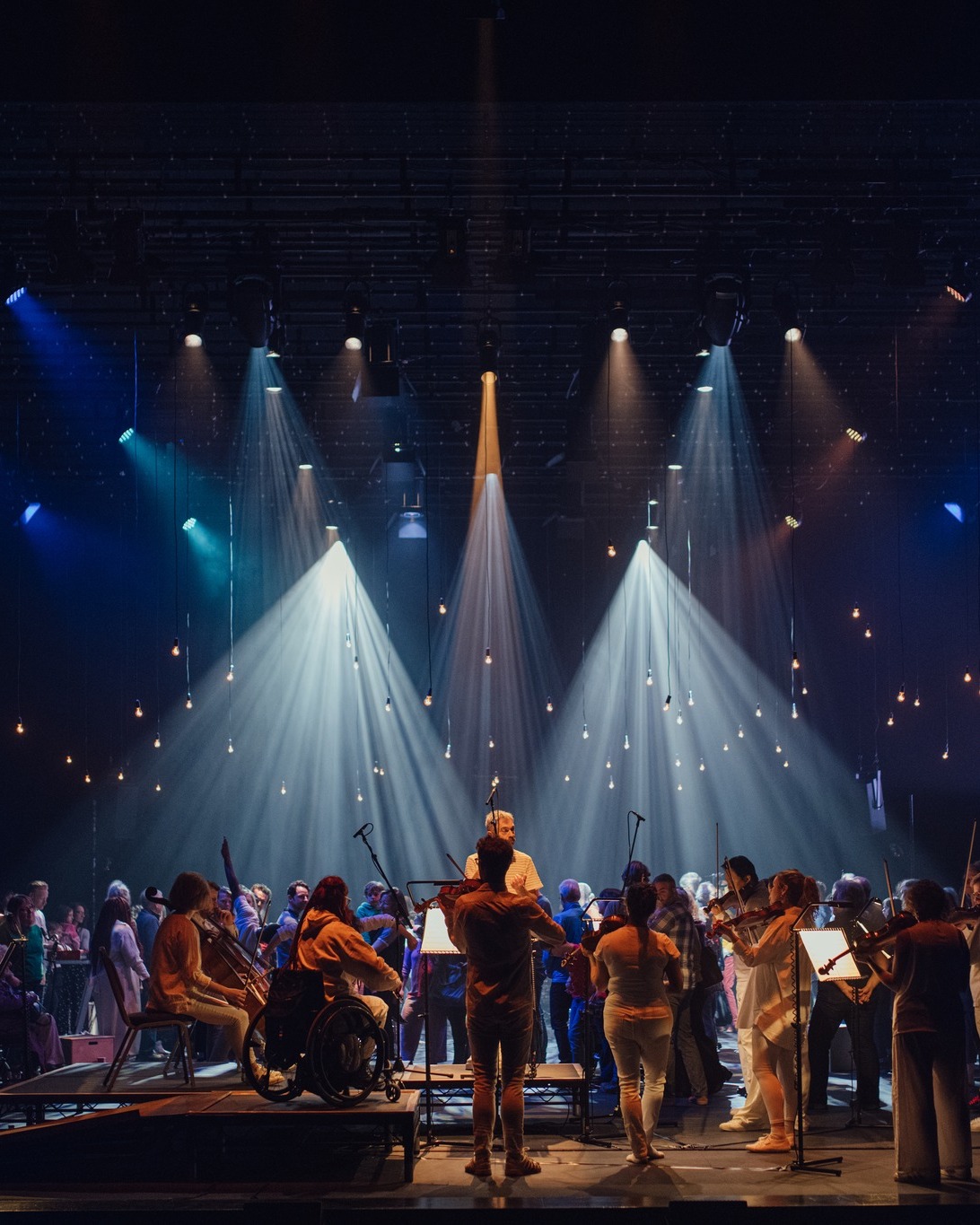
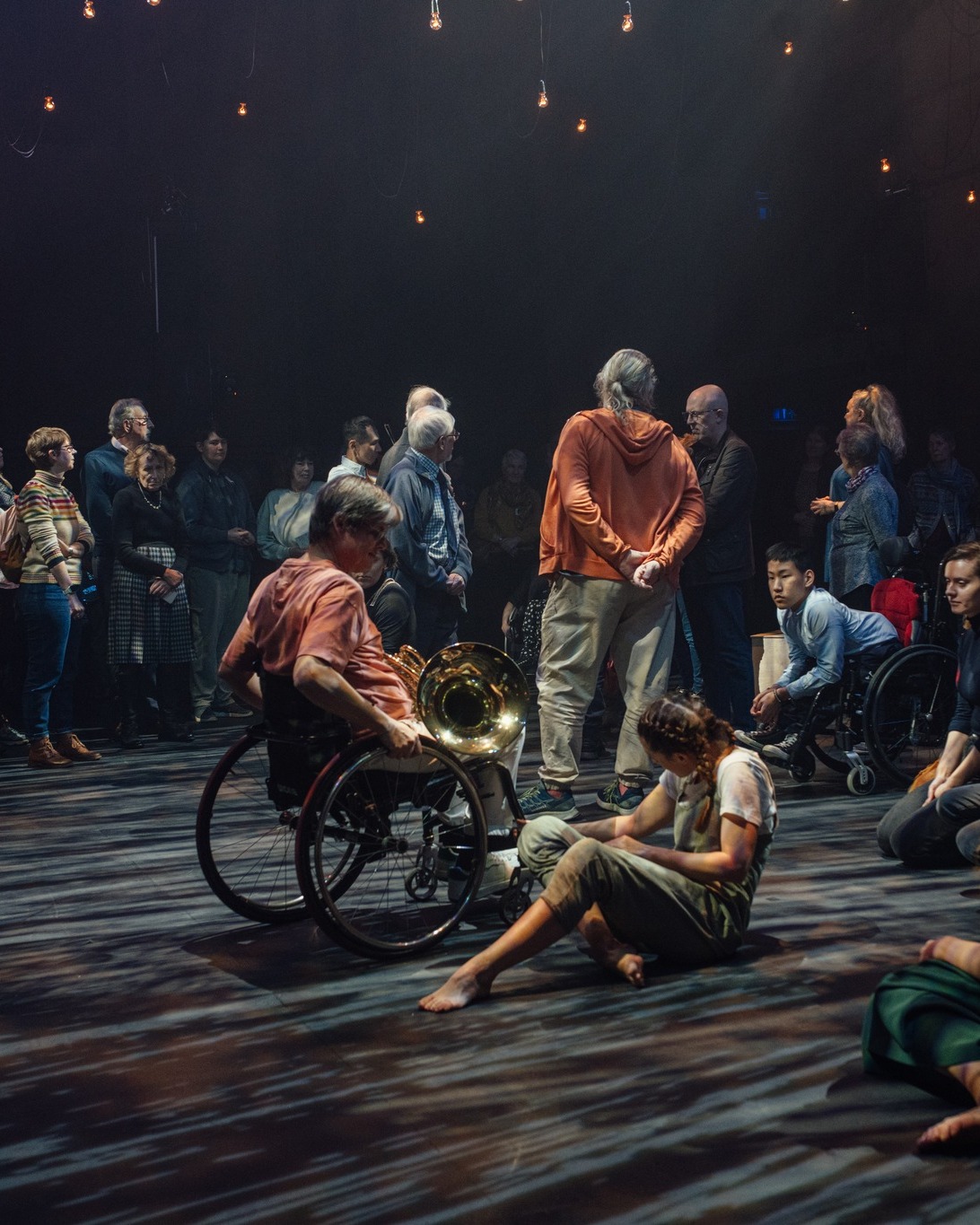
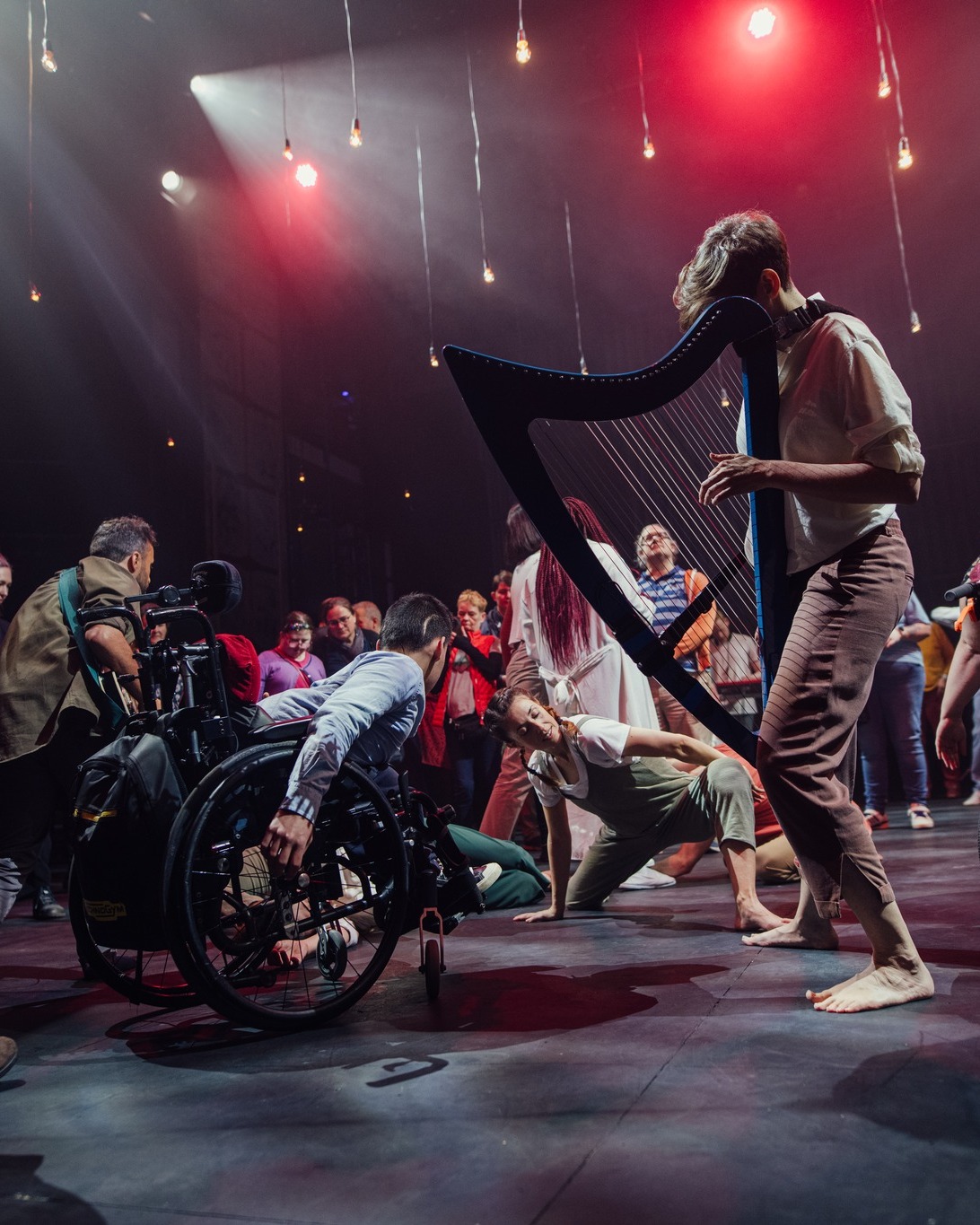
In early March, sound designer Simon Honywill used TiMax SoundHub with TiMax TrackerD4 performer stagetracking to spatially enhance an already incredible – and quite unique – immersive performance by the Paraorchestra musical ensemble. The Nature of Why, composed by Will Gregory and choreographed by Caroline Bowditch under the artistic direction of award-winning conductor, Charles Hazelwood, was performed within a 14m circular space on the Lyric Stage at Theatre Royal Plymouth, with 100-120 audience members mingling amongst the players and dancers for each performance.

Though it wasn’t the first performance of The Nature of Why – an interpretation of the famous interview with physicist Richard Feynman which asks in empirical terms why certain physical properties occur, such as magnetic attraction and slippery ice – it was the first time the immersive theatre experience had benefitted from TiMax spatialisation. Simon Honywill described it as, “…categorically, the most mind-blowing spatial audio experience I’ve ever had.”

He explained, “TiMax SoundHub was perfect for the show, especially with TiMax TrackerD4. It added so much to the performance. We realised just how good it was when, in that space full of people, heads turned immediately towards the viola solo at the beginning of the performance. The localisation was so clear and accurate.” Honywill was joined on-site by OutBoard’s Dave Haydon who assisted with TiMax SoundHub and TrackerD4 programming for rehearsals and provided support for the run of the three shows.
Paraorchestra is made up of professional disabled or non-disabled musicians performing a wide repertoire of orchestral music, including new compositions, at venues and locations across the globe. The Nature of Why is one of its most avant-garde productions. Immersive in the theatrical sense, Honywill worked closely with Gregory at the R&D stage of the production’s composition at which point “…a lightbulb moment determined that it needed to take place in a 360-degree space.”

For The Nature of Why, the performance space is defined by a ring of seven flown EM Acoustics R10 speakers supported by four separate sub bass channels, with an 11-piece string section positioned at the downstage point of the circle. A set of drums and two other large percussion rigs form another fixed musical point opposite, with an electronic keyboard as another static, musical fixed point to one side. The rest of the orchestra is almost continuously mobile, comprised of viola, French horn, electric guitarist, electric harp, standard and bass clarinet, double bass and two operatic singers.

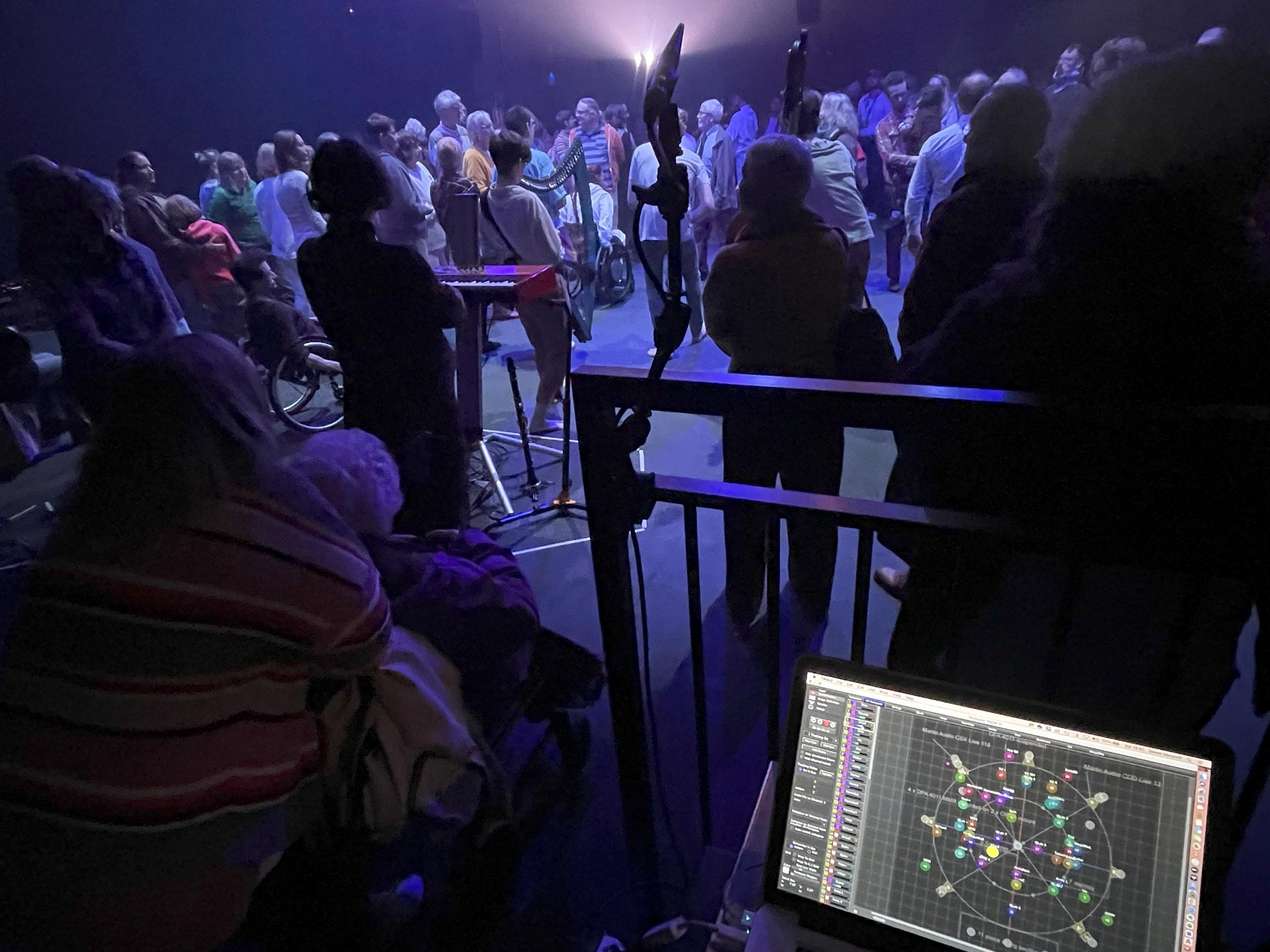
Spatialising image definition objects were rendered in TiMax SoundHub for perimeter locations as well as three special bass-heavy zones for the percussion, plus central mono “everywhere” images for vocal and instrumental soloists. The fixed instruments were statically imaged to their actual stage locations, but with some accentuated wide envelopment added to the string section and stereo keyboard images. The roving performers wore TiMax TrackerD4 Tags which continuously morphed their audio images seamlessly between the localisation zones. The marimba – 2 to 3 metres in length – featured multiple tags for the spectacular moment it was physically spun around the stage.

Other sources included stereo reverb returns from the Yamaha CL5 mixing console which TiMax SoundHub spatially mapped independently for separate vocal and band reverbs. An additional series of QLab feeds were mapped onto seven different spatial locations to deliver excerpts from the eponymous interview with rebel physicist, Richard Feynman.

Honywill mixed the show on an iPad from various locations within the action. He said, “It was just stunning – I never imagined it would be as good as it was, TiMax far surpassed my expectations.”
He continued, “This show sounded great before, but the performers often struggled to hear themselves. With TiMax spatialisation, the performers could hear themselves perfectly because the brain can easily and perfectly handle all the sonic information coming from different directions. It’s all clear and precise. It’s just mind blowing and so far ahead of the competition.”

Honywill was so impressed with the audio elevation provided by TiMax that he presented an account of his experience at the spring Martin Audio open days, which featured TiMax demonstrations for the first time.

Click here for original article.

Categories
TiMax

KV2 AUDIO & TIMAX TEAM UP AT THE SOUND KITCHEN IN PRAGUE

Festival celebrating theatre arts equipped with system incorporating ESP1000 amplifiers driving 16 KV2 ESD Cube loudspeakers and EX1.5 subwoofers working with a 64-channel SoundHub audio matrix.

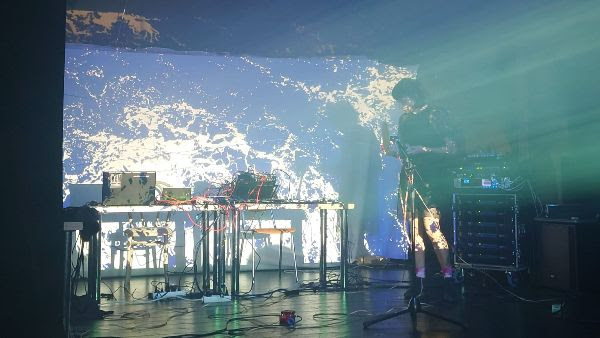
Now in its 15th year, Sound Kitchen, held at the Prague Quadrennial international festival that celebrates theatre arts in an interactive way in providing an opportunity for the “audio-curious” to perform their work and exchange ideas, featured a system incorporating KV2 Audio loudspeakers and amplification in a sound design centered upon a 64-channel TiMax SoundHub spatial audio matrix with Dante.

The collaborative exploration project is organized and co-curated by sound designer, Peter Rice, and Out Board’s Robin Whitaker, with support from a selected team of international sound designers, engineers and artists, as well as manufacturers, committed to the high-quality audio reproduction.

Specifically, analog output from TiMax supplied six KV2 Audio ESP1000 amplifiers driving 16 KV2 Audio ESD Cube full-range loudspeakers and six EX1.5 subwoofers. KV2’s ESD Cubes were distributed through the length of the venue, five per side and five overhead, with subs positioned in pairs at the front, middle and end of the room.

Out Board/TiMax director Robin Whittaker sates, “SoundKitchen is a very special event and an important, safe and fun space for budding and established sound artists and designers to come together. Every year it’s enlightening. We were honored that KV2 Audio accepted our invitation to join us at SoundKitchen. I have the highest respect for KV2 loudspeakers and have been continually impressed with their excellent sound quality. Many thanks to them: their guys were amazing, the ESD Cube loudspeakers sounded fabulous, and the subs were very musical.

”KV2 Audio CEO George Krampera adds, “It’s great to be part of an event like Sound Kitchen that encourages experimentation and pushing the boundaries in audio and performance–ideas that very definitely resonate with us at KV2–and especially here in Prague on our home turf. We were also happy to note how good the system sounded with the TiMax analogue outputs. We hope to be able to collaborate again soon.”

Click here for original article.