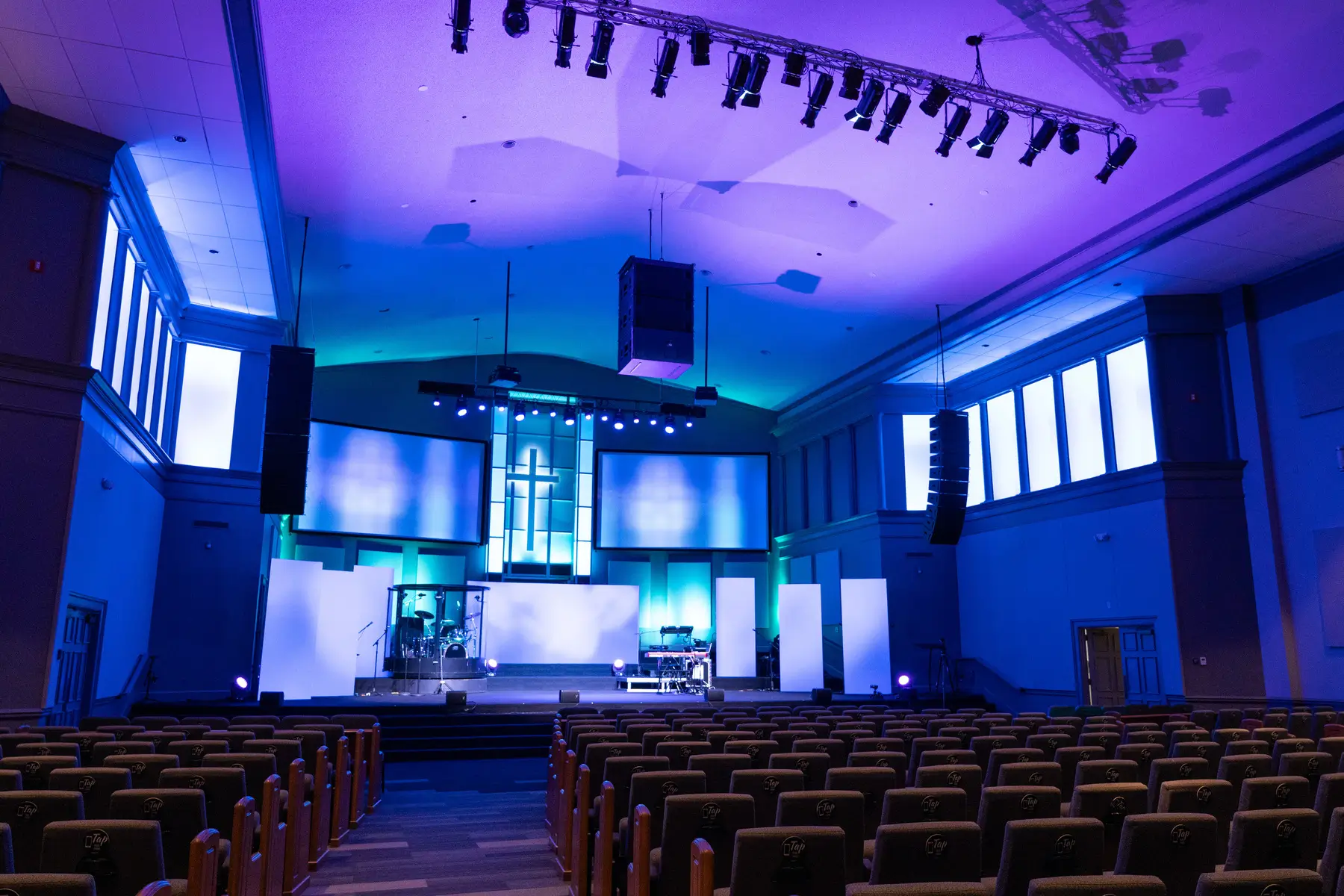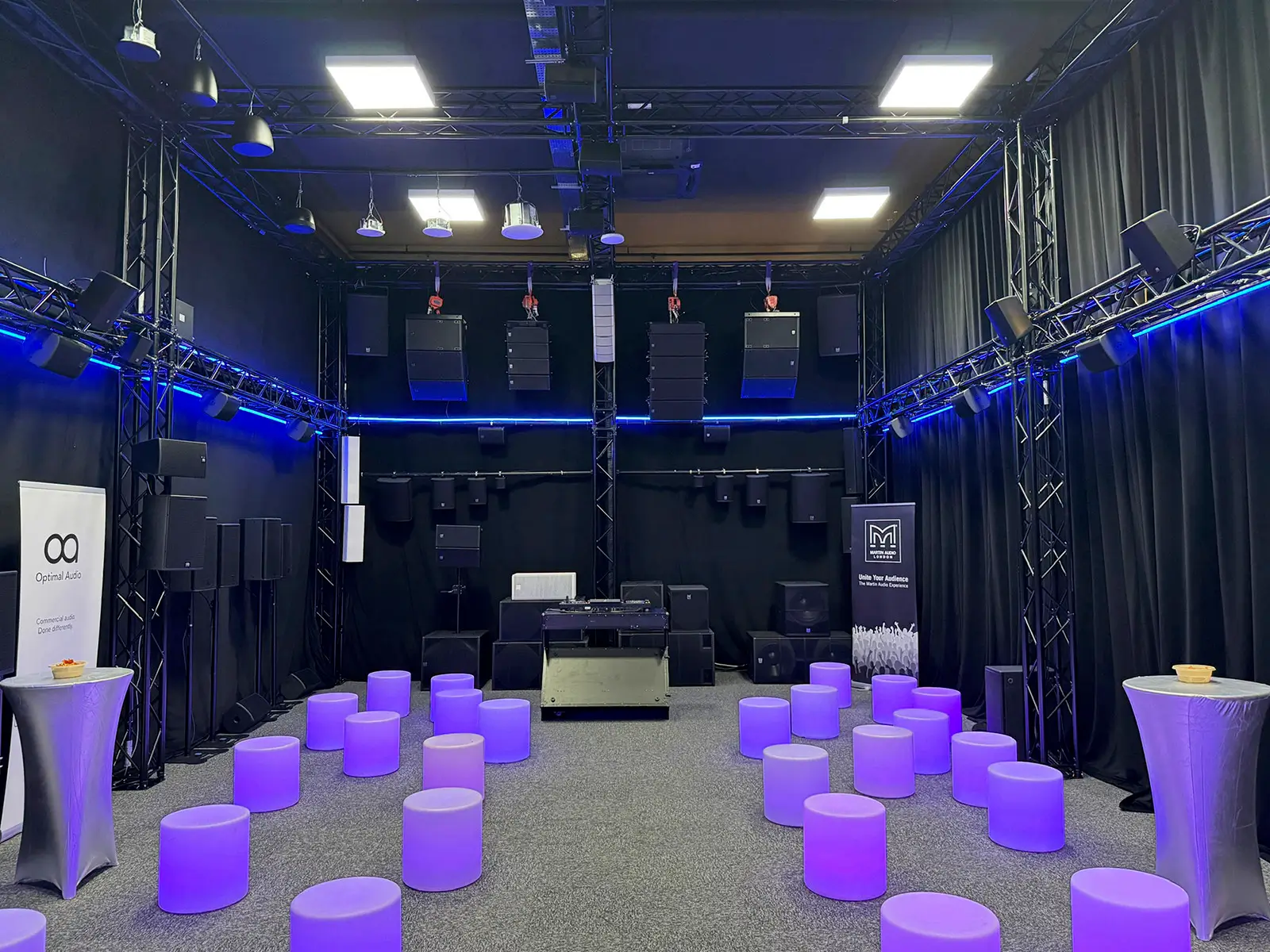
IND – KIIT Bhubaneswar presented the 61st Femina Miss India at KIIT Cricket Ground, Bhubaneswar, bringing one of India’s most prestigious pageant platforms to Odisha with grandeur, elegance, and national attention. The event celebrated talent, confidence, personality, and stage presence, creating a memorable evening for the audience and participants. Sadhvi S. from Goa was crowned Femina Miss India World 2026 and will represent India on the global stage at Miss World. Rajnandini Pawar from Maharashtra was named Femina Miss India 2026 – 1st Runner Up, while Advaita from Jammu & Kashmir was crowned Femina Miss India 2026 – 2nd Runner Up.
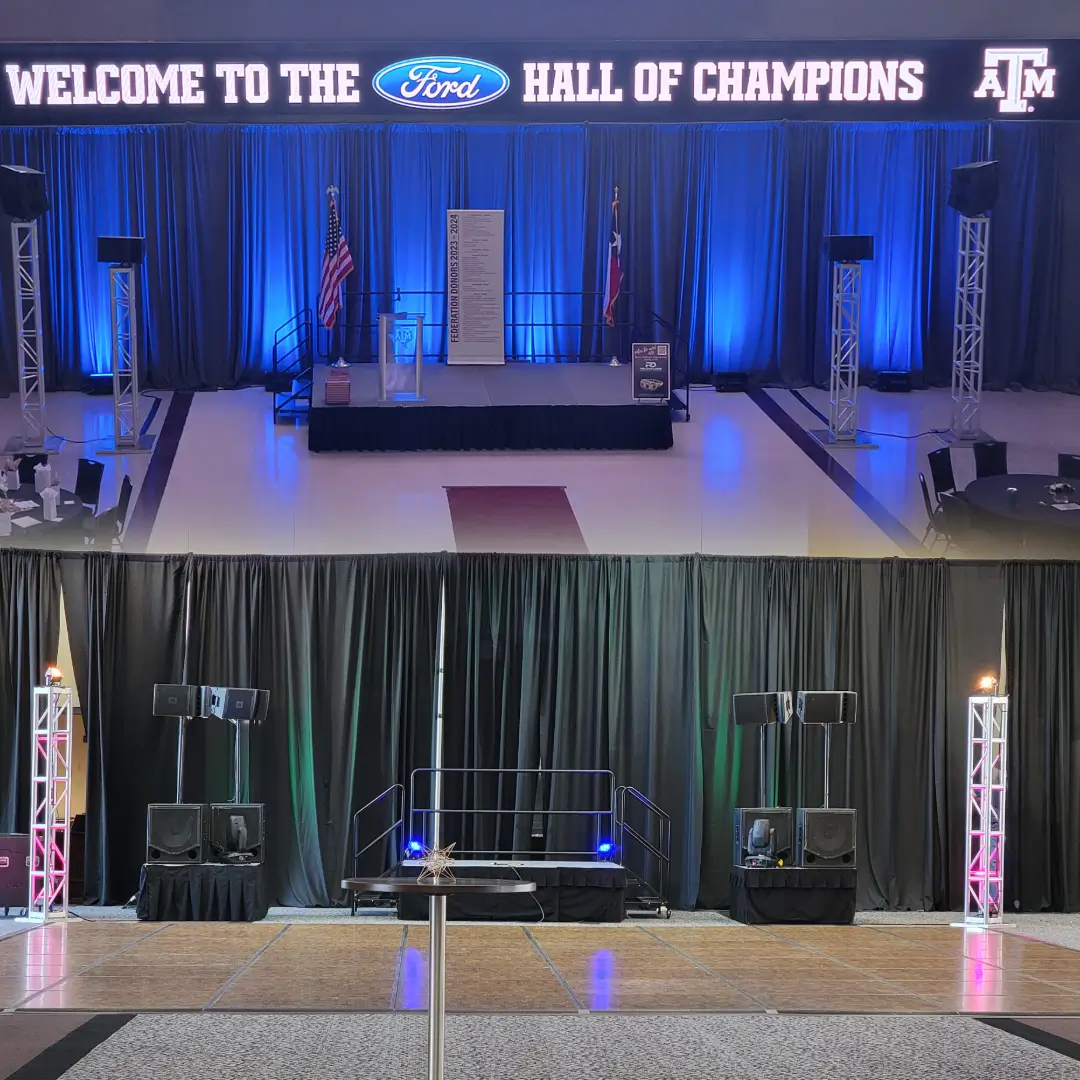
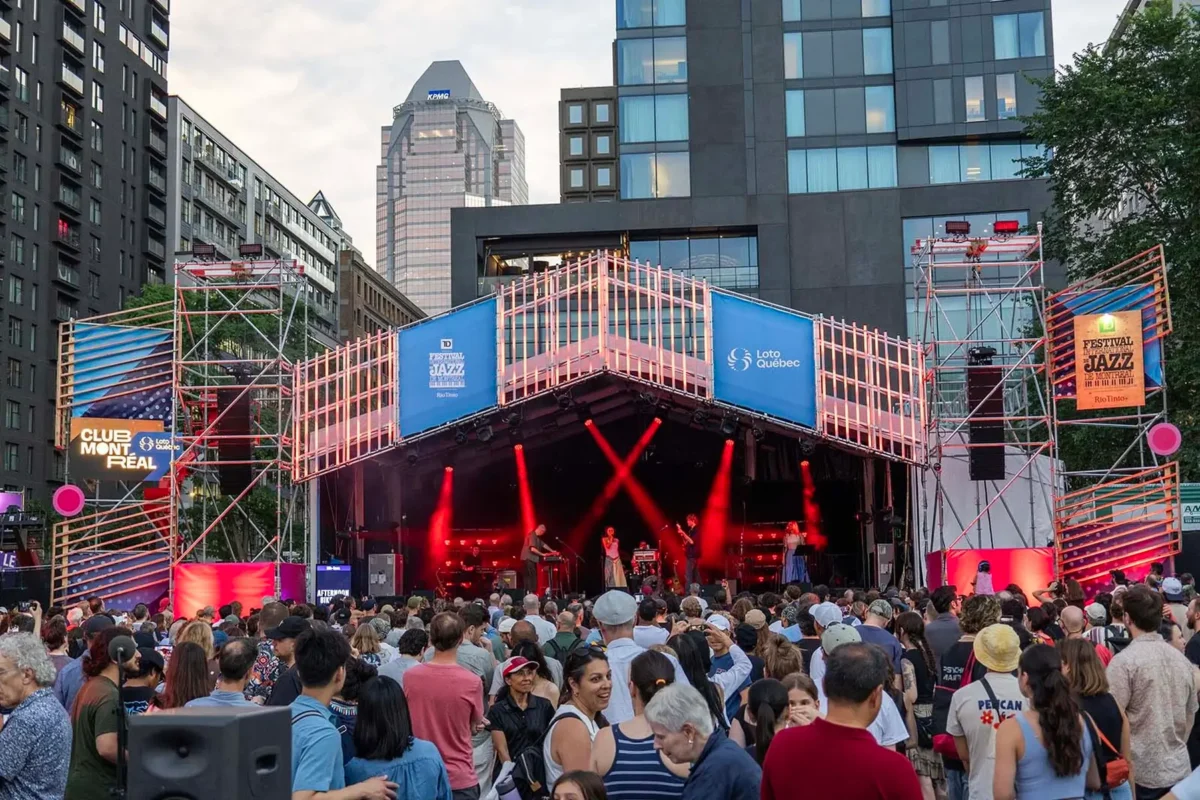
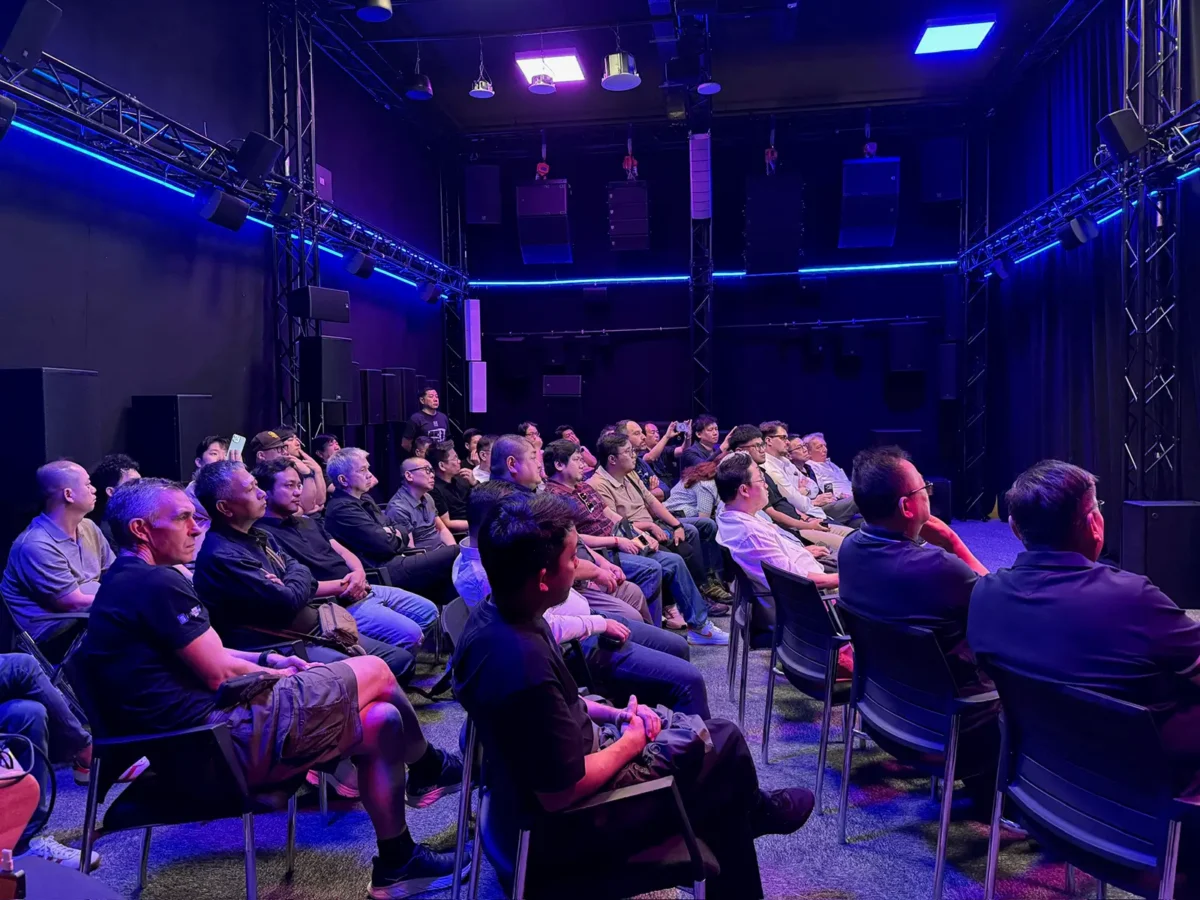
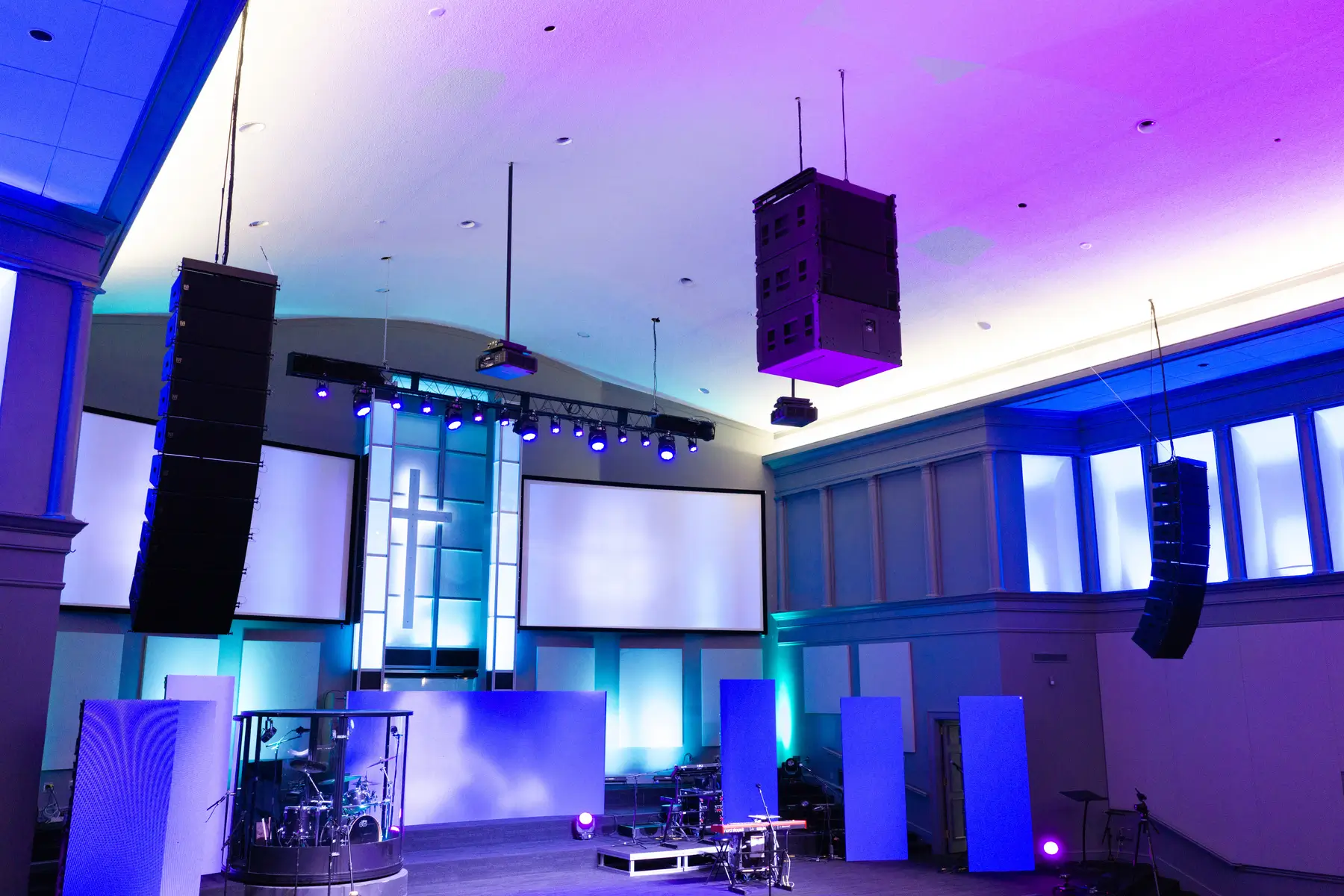
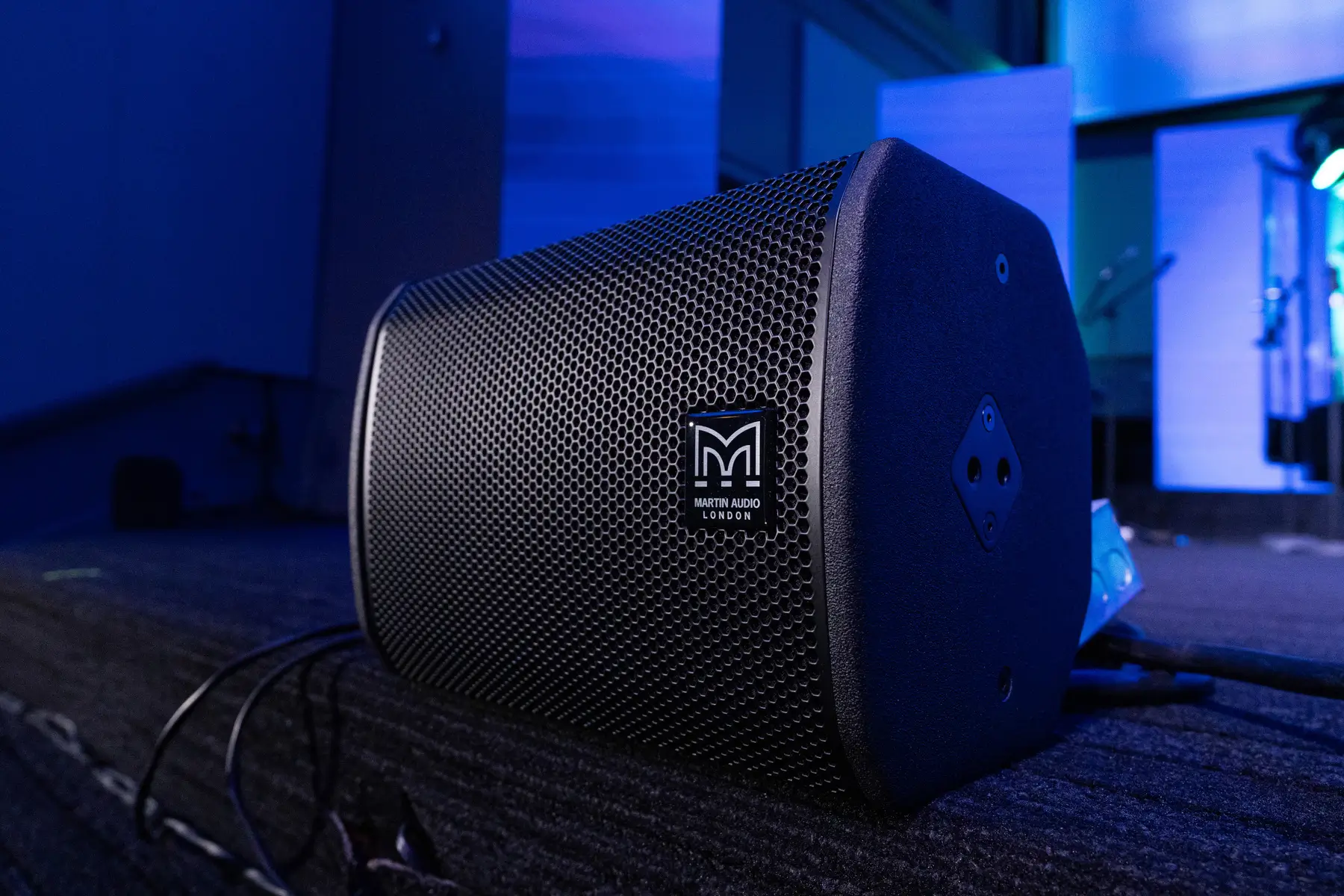
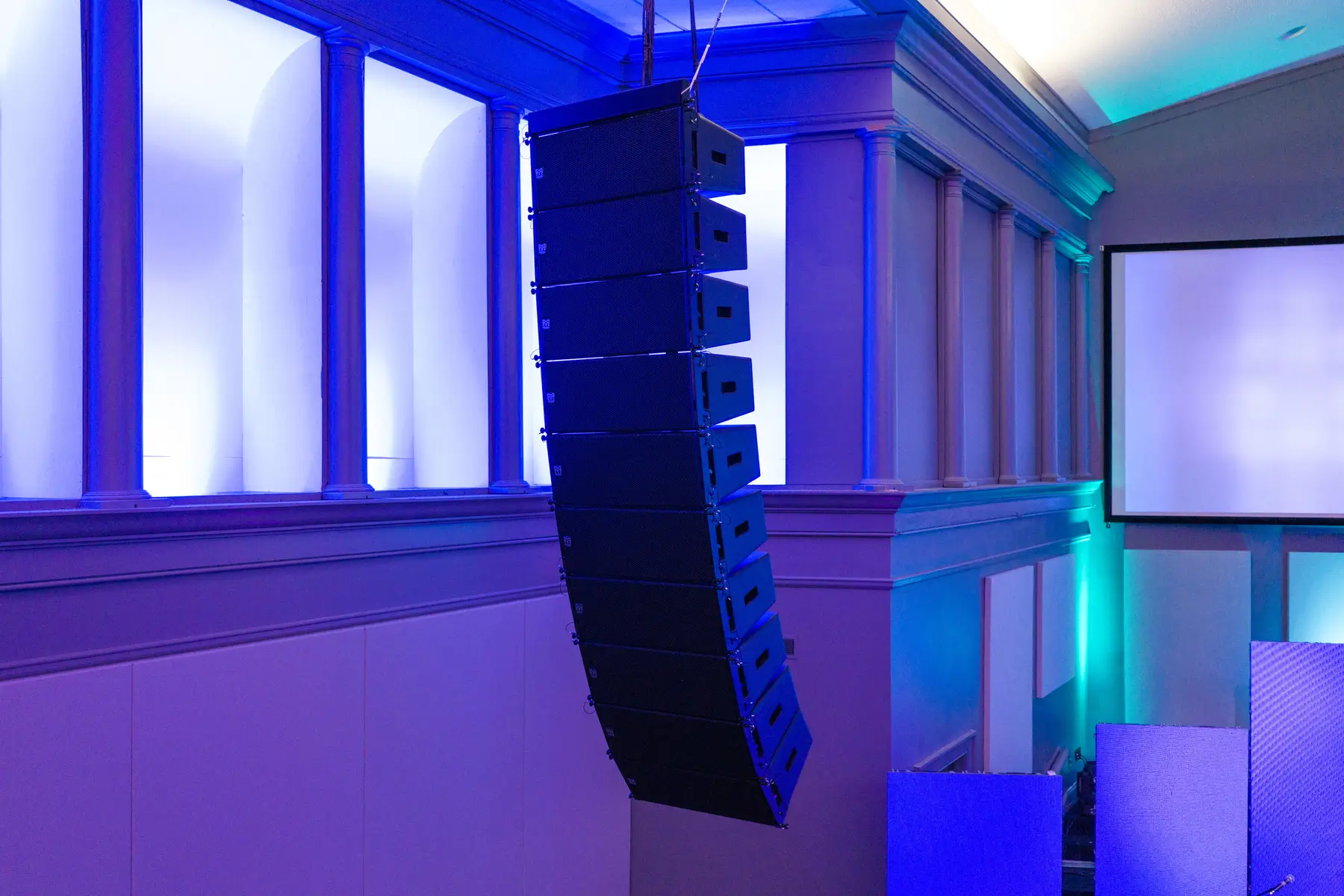
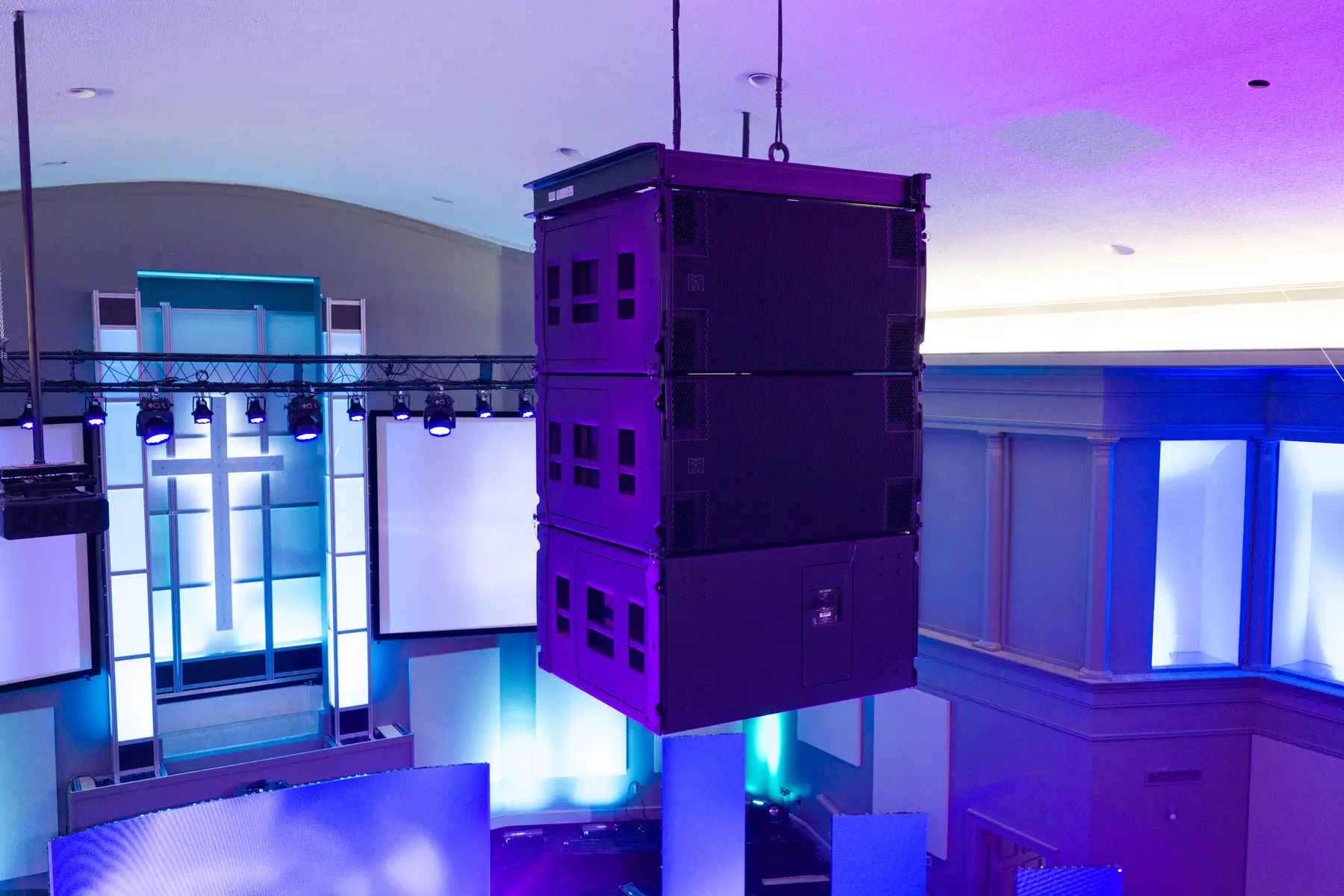
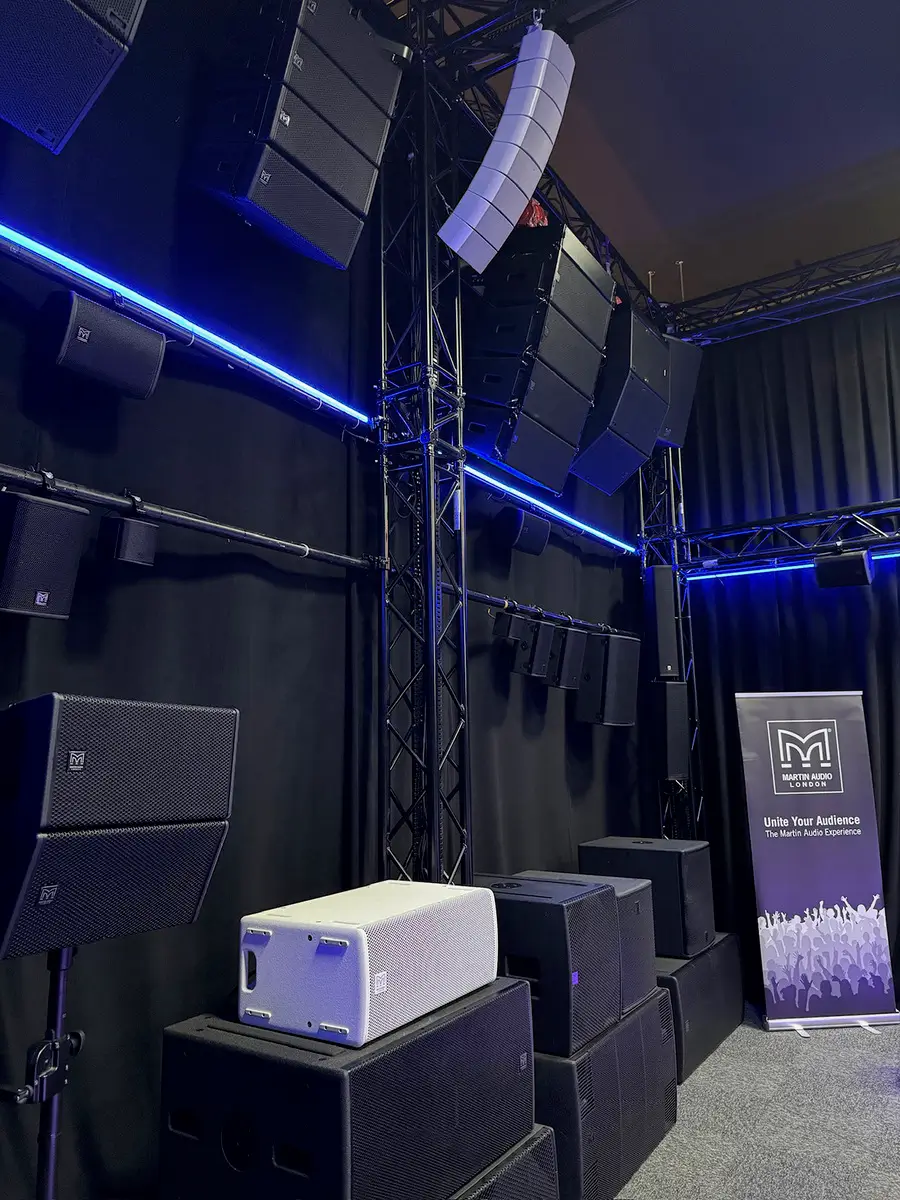
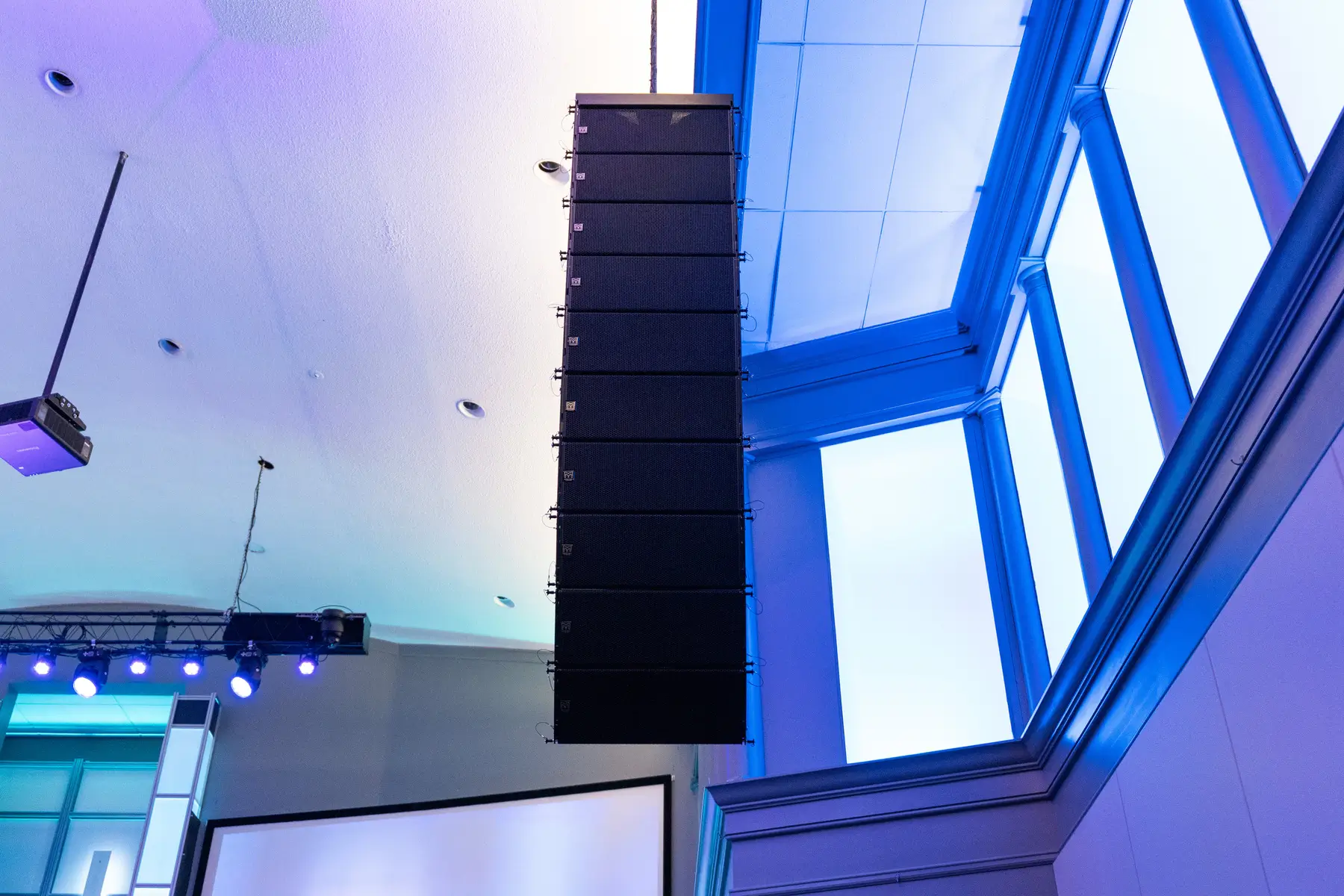
For a production of this scale, Foress Sound and Light Professionals deployed a Martin Audio FOH system featuring WPL line array elements and SXH218 Hybrid® horn/reflex subwoofers. The WPL system delivered long-throw clarity, strong vocal intelligibility, and consistent coverage across the cricket ground, while the SXH218 subwoofers provided powerful low-frequency depth for music, walk-ins, stage sequences, and high-impact moments. Together, the system ensured that every announcement, performance, and celebratory moment was presented with the clarity, energy, and professional sound quality required for a landmark event like the 61st Femina Miss India.
Photography: Daniel Dobrovszki, Armin Speil, Oliver Toth, MateLeblanc
Thanks to
Distribution Partner: VMT Enterprise Integration/Installation Partner: Foress Sound and Light Professionals
A dancer supports the upright bass, played by Patrick Phillip Image courtesy of No Limits, Hong Kong
When the UK-based Paraorchestra performed at Hong Kong’s No Limits festival, it transcended the realms of a conventional touring production. Caroline Moss reports on the boundary-defying concerts
The Paraorchestra was founded in 2011 by British conductor and musical polymath Charles Hazelwood to improve the integration of disabled people into music and the performing arts. He felt that while talented musicians with disabilities existed in abundance, including his own daughter, they lacked meaningful professional opportunities. Just a year after Hazelwood announced the formation of the Paraorchestra at a TED conference, it participated in the London 2012 Paralympics Games ceremonies, playing alongside Coldplay at the closing event. Since then, the orchestra has evolved into an ensemble which commissions original works and explores unconventional formats while breaking down barriers.
A defining piece in the Paraorchestra’s repertoire is The Nature of Why, composed by Goldfrapp’s Will Gregory. The composition draws inspiration from Richard Feynman, the Nobel prize-winning physicist whose interviews explored the deeper meaning of questioning itself. Gregory structured the work into nine movements, each responding to fragments of Feynman’s reflections on the nature of “why”. Front of house engineer Simon Honywill, who’s worked with the orchestra since 2018, has been advancing the sound design for The Nature of Why for each outing.
“Even though we might not have seen each other for several years, when everybody comes together it’s just joyous,” says Honywill. “I feel very much a part of the ensemble, and it was particularly exciting being involved from the start. I would sit with Will as he was literally composing it on the spot, while the choreographer was working with the musicians, and it evolved before my eyes. And I had a lightbulb moment when I was struggling with how I was going to come up with a sound design that worked, because almost all the performers were going to be mobile.”
DPA miniature mics mounted on the wrists of marimba player Harriet Riley Image courtesy of No Limits, Hong Kong
Honywill’s idea was to present the performers in the round in the same space as the audience members, who would be free to move between musicians and interact with them or simply stand back to take in the ever-changing performance. However, this came with its own set of challenges, namely, how to reinforce singers and musicians who are constantly on the move and deliver a sense of direction to help the audience locate a soloist or singer. Early iterations of the show attempted to solve these using overhead microphone grids and zoned reinforcement, effectively creating an “acoustic bubble”. While functional, Honywill felt that the result lacked precision and clarity; the mix felt diffuse and performers struggled to hear their performances clearly via a monitoring system which was also the PA.
“As the show developed, it became apparent that it was very special as it was so connected to the audience, because they’re up close and personal to all the action,” he continues. “You might be standing there watching somebody dance and a massive marimba is suddenly wheeled past you, and Harriet Riley, who’s playing it, is lifted up in the air. The idea behind the sound system wasn’t necessarily to make it big and loud, it was about giving people directional clues as to where the action was.”
So, when the Paraorchestra was booked to play at Hong Kong’s No Limits festival in March, Honywill decided to up the ante by adopting TiMax spatial audio technology to track the performers as they moved around the space. Every year, from February to March, No Limits showcases music, dance, theatre and film programmes by international and local artists of different abilities. This was an ideal platform for showcasing the Paraorchestra’s mission of reimagining the relationship between artist and audience.
“Charlie Hazelwood was determined to give the show a bit more spatial information, so I went away and did some research, realising that the only way to go, really, was to use a TiMax immersive sound solution,” Honywill continues.
For the five performances of The Nature of Why, staged at Hong Kong’s Kwai Tsing Theatre in Kowloon, a 15m-diameter, circular performance area was surrounded by a ring of seven Martin Audio FP12 loudspeakers at a height of 2.5m, augmented by an SXCF118 cardioid subwoofer. Above, six TiMax Tracker D4 tracking sensors in the grid triangulated the real-time positions of performers and key instruments. Using the TiMax SoundHub alongside TiMax Tracker, the production team transformed the show’s sonic architecture. Around 20 mobile sound sources were fitted with trackers, with some performers equipped with multiple units; the marimba alone required three to reflect its physical scale. Signals from Honywill’s microphones of choice – DPA 4061 and 4099 miniatures – were routed individually to the TiMax system via Dante, bypassing conventional subgroup mixing. This was appreciated not just by the audience but by the musicians, who reported being able to hear themselves clearly within the ensemble despite constant movement, improving confidence and musical precision and enhancing performances.
The audience inhabits the same space as the Paraorchestra performers Image courtesy of No Limits, Hong Kong
L–R: Viola player Siobhan Clough and electric harpist Steph West Image courtesy of No Limits, Hong Kong
“While the audience members were free to walk outside of the performance area, all the action took place within the circle,” explains Honywill. “Using TiMax to track the performers did one of several things: it provided really good directional information, but the musicians could hear themselves really clearly. Using a system like TiMax, every source has its own unique amplitude and phase relationship to the sound system. There’s no problematic phase interaction between sources, so the clarity is exceptional, and gives that positional information within the space. The show is an intense, emotional experience and the music is a very unusual combination of instruments.”
The ensemble encompasses an 11-piece string section, solo viola, upright bass, marimba, French horn, electric guitar, two percussionists, two singers, clarinet, keyboard and electric harp. The percussionists play an array of instruments from temple bells and chimes through to bongos and bass drums. Shure Axient radio microphone systems, together with additional infrastructure, were provided by the venue, with local crew adapting to unconventional deployment methods, including DPA 4061 microphones mounted on the wrists of percussionists to maintain proximity across multiple instruments.
The local crew did a good job of understanding the accuracy required in loudspeaker and microphone placement, providing all the radio equipment and managing the radio mics,” says Honywill.
A Yamaha Rivage PM5 console positioned outside the performance circle was used to mix the five shows. During rehearsals, Honywill made adjustments on an iPad from within the space itself. While the TiMax equipment travelled with the production, the Martin Audio loudspeaker system was supplied by the British manufacturer’s APAC sales agency, Generation AV. As well as providing the speakers, Generation AV also provided local expertise in the shape of technical manager Jeremiah Joseph. “Jeremiah acted as my system tech and TiMax engineer; he was a valuable addition to the team and very talented,” says Honywill.
“TiMax has given the performance a new dimension – it’s made the sound such an essential part of it, enabling me to elevate the whole thing sonically to a new level and giving it a bigger energy. It’s not devastatingly loud, but the difference between being within the loudspeaker system and outside it, from an energy point of view, is very marked. You’re either in the show or you’re out of it.
A visually impaired attendee explores a bass clarinet played by Lloyd Coleman
“It’s taught me a lot about spatial mixing – it just gives everything its own space in the mix. Having a unique phase and amplitude pathway from each source to the loudspeaker makes a huge difference to what actually comes out of the speakers. And, from an audience point of view, it’s actually a lot easier to listen to.”
This was borne out across the five shows spanning three days, plus an open dress rehearsal, where audience reactions were consistently intense, according to Honywill. Generation AV’s director David McKinney invited 15 regional clients to one of the shows. “I did a presentation afterwards and they were, to a person, completely blown away,” recalls Honywill. “One veteran consultant was actually moved to tears.”
Up to 250 audience members per performance inhabited the same 15m-diameter circular space as the performers, free to roam within the performance circle.
The crowd were free to move between musicians, dancing and interacting with them, or standing back to take in the ever-changing performance. Moments of spontaneous intimacy were common, including one when a young child followed viola player Siobhan Clough through the space, eventually becoming the sole audience for a personal rendition. In another, a visually impaired attendee explored a bass clarinet through touch while it was being played by Lloyd Coleman, experiencing its vibrations physically.
“Every show is different, and that is largely down to the way people react,” Honywill explains. “The audience don’t know what to expect but, when they realise what they’re involved in, it generates an amazing buzz.”
Ultimately, The Nature of Why demonstrates that when barriers fall away, something extraordinary becomes possible. It functions as a lesson in how technology can deepen human connection rather than distract from it by the seemingly simple method of removing barriers, whether between differently abled musicians or between performers and audiences.
Nestled on the outskirts of Music City, Secret Sound—a cutting-edge studio designed by industry legend Chas Sandford, known for his work with icons like Tina Turner, Brooks & Dunn, and Rod Stewart—turned to LEA amplifiers when upgrading to Dolby Atmos.
Product Used: Connect Series 702D & 704D (Multiple)
Secret Sound
Chas Sandford’s Secret Sound studio is a state-of-the-art mixing and tracking environment located on 53 secluded acres in the heart of Franklin, TN.
“In reviewing the specific requirements for our installation, LEA Professional amps checked all of the boxes perfectly,” said Sandford. “It was a breeze setting them up, we basically set them up once and forgot it. Once the system was tuned, I was floored by how great it sounded! The system performs flawlessly and sounds fabulous.”
Like many others in the music industry, Sandford’s quest to enjoy music at its highest level brought him to NAMM, where he served on a panel for Creating Your Own Atmos Studio. The panel was facilitated by Dave Malekpour, President of The PAD Group (Professional Audio Design, Inc.), who used Secret Sound to explain why Dolby Atmos could benefit Sandford and how to implement it effectively. Sandford was hooked and worked with Malekpour to make it a reality using the studio’s preexisting gear, including Augspurger monitors.
“Sandford wanted to use his existing isolation rack, which had limited space available,” said Malekpour. “We chose LEA amps primarily because of the Dante connectivity and the ability to fit into one rack space with four channels of great specifications and super low noise. An added benefit was that the amplifiers themselves don’t make a lot of noise or generate a lot of heat — they were just really efficient and effective in this installation.”
Malekpour installed a combination of multiple Connect Series 702Ds and 704Ds in the studio to power the PMC speakers. Both 1U amplifiers are well-suited for installations requiring high flexibility, making them the perfect choice for Secret Sound. With 96kHz-capable Dante and AES67 connectivity options, the IoT-enabled 2-channel 702D and the 4-channel 704D provide 700 watts per channel, support Hi-Z (70V or 100V) and Lo-Z selectable by channel, and feature Smart Power Bridge technology. With three ways to connect, the studio can engage the built-in Wi-Fi access point, connect to the building’s Wi-Fi, or connect to the local area network via Cat5 or Cat6 cable.
CS702D
CS704D
The Conclusion
“Amplifiers have a big impact on how the speakers perform, how the low end is delivered, and the naturalness of it,” said Malekpour. “And the LEA amps are a great product, literally Dante-enabled little powerhouses. I highly recommend them, and I think I’ll use them again probably every chance I get.”
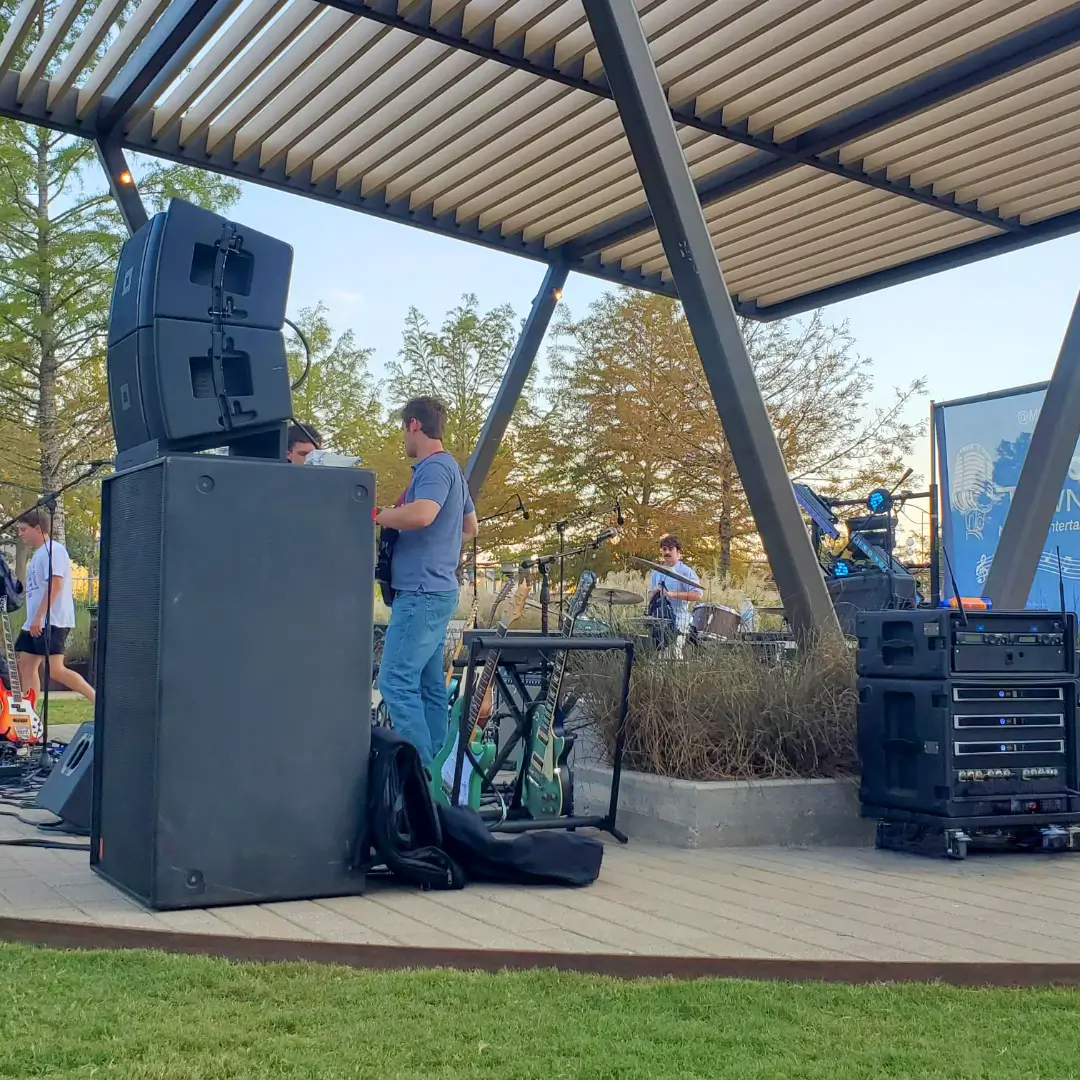
UK – Radio Riot are a three-piece pub and function band delivering Britpop and guitar-driven covers spanning five decades. Like the best function acts, they bring the same energy and ambition to every show regardless of venue size. And in choosing a truly portable sound system capable of consistently delivering a big gig sound, lead singer and guitarist David Preston turned to Martin Audio’s new Blackline Q Series of loudspeakers.
Preston has been playing with bassist Luke Stephens and drummer Dean Fowler since the age of 19. “We did originals, covers, and an Oasis tribute band over the last 25 years together but around 9 years ago stopped because life got busy,” he explains. “We all missed it, so we got back into it last year with Radio Riot.”
For Preston, who brings a professional audio background to the project, production standards are non-negotiable regardless of the venue. “We want to create a big gig feel,” he says. “Everything is mic’d up no matter what the venue, whether it’s a small function room, a cricket club or a pub. We want the full show, every time.”
That ambition extends to the backing tracks, which incorporate keyboards, strings and synths. “When we’re doing songs like ‘Bittersweet Symphony’ or ‘Town Called Malice,’ we need those strings and keyboards to land properly,” he notes. “We spent a year and a half building the show before we played our first gig.”
In search of a PA capable of delivering that big-gig impact from a system that could also fit in the boot of a car, Preston turned to Martin Audio’s BlacklineQ – a new series of passive loudspeakers driven by a Linea Research 44M06 amplifier.
EVERY VENUE WE’VE PLAYED, THE BLACKLINEQ COVERS THE SPACE EXACTLY AS WE NEED IT TO
“With self-powered systems, you sometimes hit limiters too early,” he explains. “Stepping up to external amplification gives you much more headroom and quality and allows us to control the PA far better.”
The Q15 is capable of a peak SPL of 133dB, featuring a 15-inch LF driver with a 4-inch voice coil and a 1.4-inch exit HF compression driver with a 3-inch dome. Its 70°– 90° horizontal × 50° vertical Differential Dispersion horn ensures wide, consistent coverage across the audience area.
Completing the system, the Q118 is an 18” compact, high-performance subwoofer extending low-frequency response down to 38Hz, with a peak SPL of 136dB.
“I love the top-end clarity that the Q15 delivers,” says Preston. “And because we always mic up the full backline, the subs handle whatever we throw at them. The PA handles the whole band even when we have all the synths, keys, or full-range horn parts on the track as well, and we can still break the system down easily and load it into our cars.”
That portability and handling are important for a band loading in and out of venues quickly. “It’s a system we can put up and power on quickly,” he says. “The subs are light enough to lift into a car on your own, and even the 15s aren’t unreasonably heavy—it’s essentially a one-man operation. What we’re running now is smaller than we had before but delivers the same power with considerably more clarity.
For system control, Preston runs Martin Audio’s System Engineer 8 software on a tablet, using the Linea Research amplifier’s onboard DSP for system EQ. “I do my main overall PA EQ within the amp rather than the mixer. The quality is more accurate and simply sounds better,” he explains.
Ultimately, it is the sound that defines the system’s success. “Every venue we’ve played, the BlacklineQ covers the space exactly as we need it to,” says Preston. “They’re really good-sounding speakers with great definition.”
For Preston, the investment speaks for itself. “If you’re willing to spend a little more over a mid-range self-powered system, it really makes a difference,” he concludes.
Photography: Daniel Dobrovszki, Armin Speil, Oliver Toth, MateLeblanc
APAC – Bluesound Professional has entered into a sales representative agreement with Generation AV to boost its growth in APAC and bring its audio solutions to a broader audience. Lenbrook Asia continues to serve as the brand’s local distributor.
With headquarters in Singapore, Generation AV represents audio and video brands in Asia, supported by a team with decades of regional experience, and is well-placed to represent Bluesound Professional’s scalable audio streaming solutions. “We’re excited to partner with Bluesound Professional to showcase their innovative hardware and software,” said David McKinney, managing director of Generation AV. “We pride ourselves in supporting top-tier brands that redefine auditory experiences, and Bluesound Professional’s high-performance networked audio solutions are an ideal fit. From retail spaces and bars to restaurants and hotels, we’re eager to introduce their technology to even more environments across Asia.”
Bluesound Professional has already completed several installations in the region. “Partnering with Generation AV is a key step in expanding our presence in Asia,” commented Graeme Harrison, vice president and general manager of Bluesound Professional. “The team’s enthusiasm, expertise and experience will be invaluable as we continue to drive strong sales growth in Asia, solidifying our position as leaders in networked audio. On a personal note, it’s great to be working with David again, and we’re excited about what we can achieve together.”
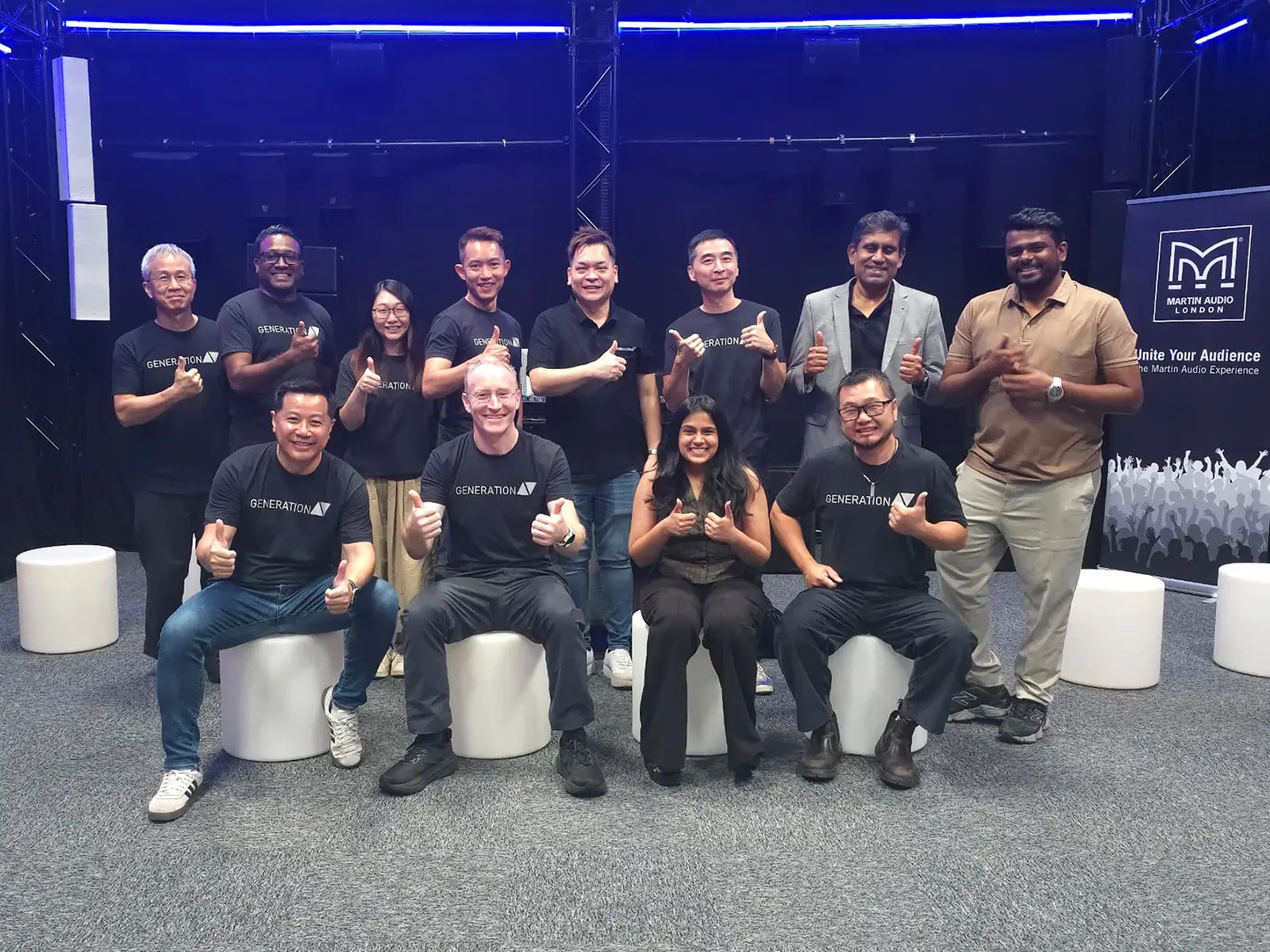
The Bluesound Professional and Generation AV team during Bluesound Professional training in Singapore last month
The Dominican Republic is a land of unparalleled natural beauty and vibrant culture, where lush landscapes and pristine beaches meet the rhythmic heartbeat of its people. Among the many treasures of this diverse island, Puerto Plata is a shining gem on the northern coast, offering a captivating blend of history, adventure, and natural beauty. A town steeped in colonial significance, Puerto Plata served as a key port during the colonial era, and its historic architecture still stands as a testament to its past. ☀️
Located oceanside in Puerto Plata, the Lifestyle Holidays Vacation Club resort boasts a diverse array of accommodations, where guests can enjoy breathtaking ocean or mountain views, fully-equipped kitchens, and both private and communal pools, creating a serene and pampering retreat. The resort offers a wide range of recreational activities, including golf, scuba diving, and various water sports. Guests can also enjoy nightly entertainment, dance lessons, and a supervised Kid’s Club, ensuring fun for all ages.
The original audio design was a series of independent systems by area. Each restaurant, bar, and other rooms had their own audio equipment, resulting in excess gear installed in multiple IDFs. Resort staff contacted Fernando Hernández Voigt, Founder of Musitempo, to help optimize the system and centralize operations. He included LEA Professional amplifiers as part of the retrofit.
“We had to retrofit the system while the resort was operating, so rewiring and centralizing everything while not disrupting guest activities was pretty challenging at times,” said Voigt. “Luckily, with the speaker tunings available from LEA, we didn’t have to go zone by zone and tweak the speaker settings. It was basically plug-and-play.”
The Install
Musitempo installed Connect Series 704D amplifiers and Connect Series 354D amplifiers to power the hotel’s loudspeakers. The IoT-enabled 4-channel 704D provides 700 watts per channel, while the 4-channel 354D offers 350 watts per channel. Both models support Hi-Z (70V or 100V) and Lo-Z selectable by channel, and feature Smart Power Bridge technology. Dante-enabled models include the same features as Network Connect models, plus 96kHz-capable Dante and AES67 connectivity options
CS704D
CS354D
The Connect Series delivers an industry-first professional amplifier family to feature cloud connectivity, a revolutionary advancement and a significant benefit for anyone maintaining the systems. With LEA Cloud, AV teams like Musitempo can remotely control and monitor the amplifiers regardless of the location or time of day, and with no subscription model or hidden costs, it’s completely free to use.
Musitempo also utilized LEA’s free SharkWare software to configure a base profile and push it out to all the pre-staged LEA amplifiers. SharkWare includes amplifier grouping, offline design, granular user access control levels, locked speaker tunings, and a graphical EQ. Additionally, the software enables users to view and adjust channel settings, including input settings, signal generator, crossover, equalizer, limiter, and load monitoring, for all LEA Connect Series amplifiers.
The Conclusion
With the completion of the retrofit, the resort now has a world-class audio system to match the beauty and grandeur of the property. Resort staff have simple UIs to control everything, like source selection and volume by zone, making their jobs much easier.
“Hotel management feels like they’re in the future. That’s the way that they basically describe the way the system works. Now, instead of guest complaints, they’re getting praised,” said Voigt. “LEA was an integral part of the solution. We couldn’t be happier with how the system turned out.”
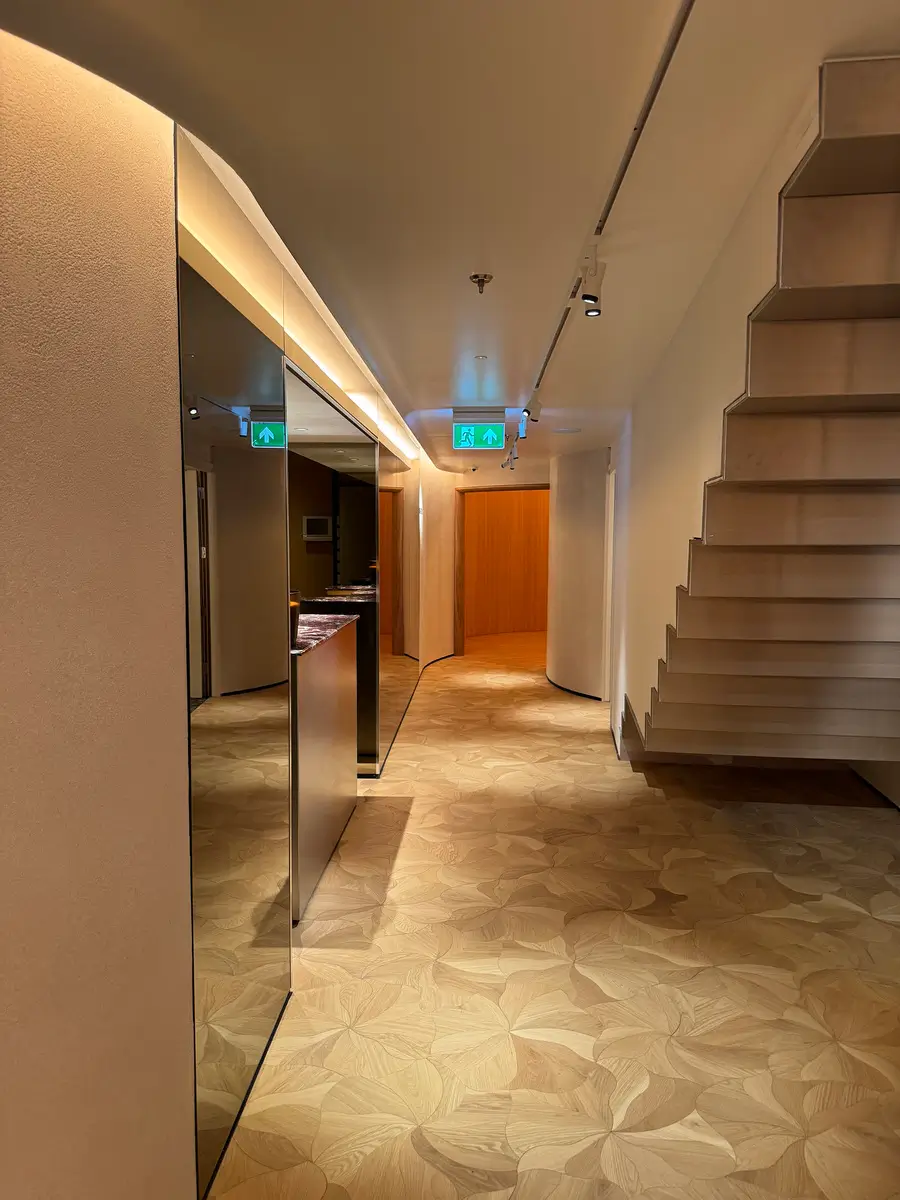
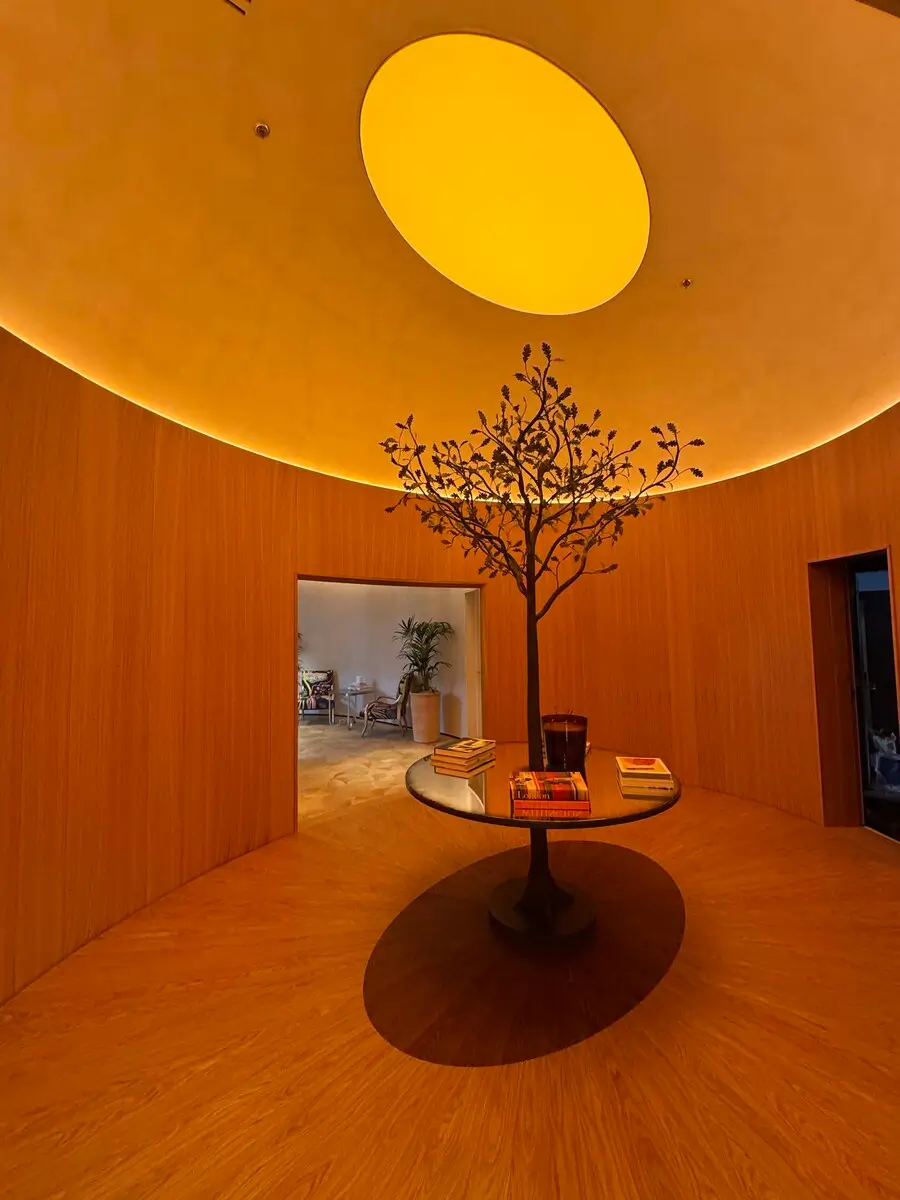
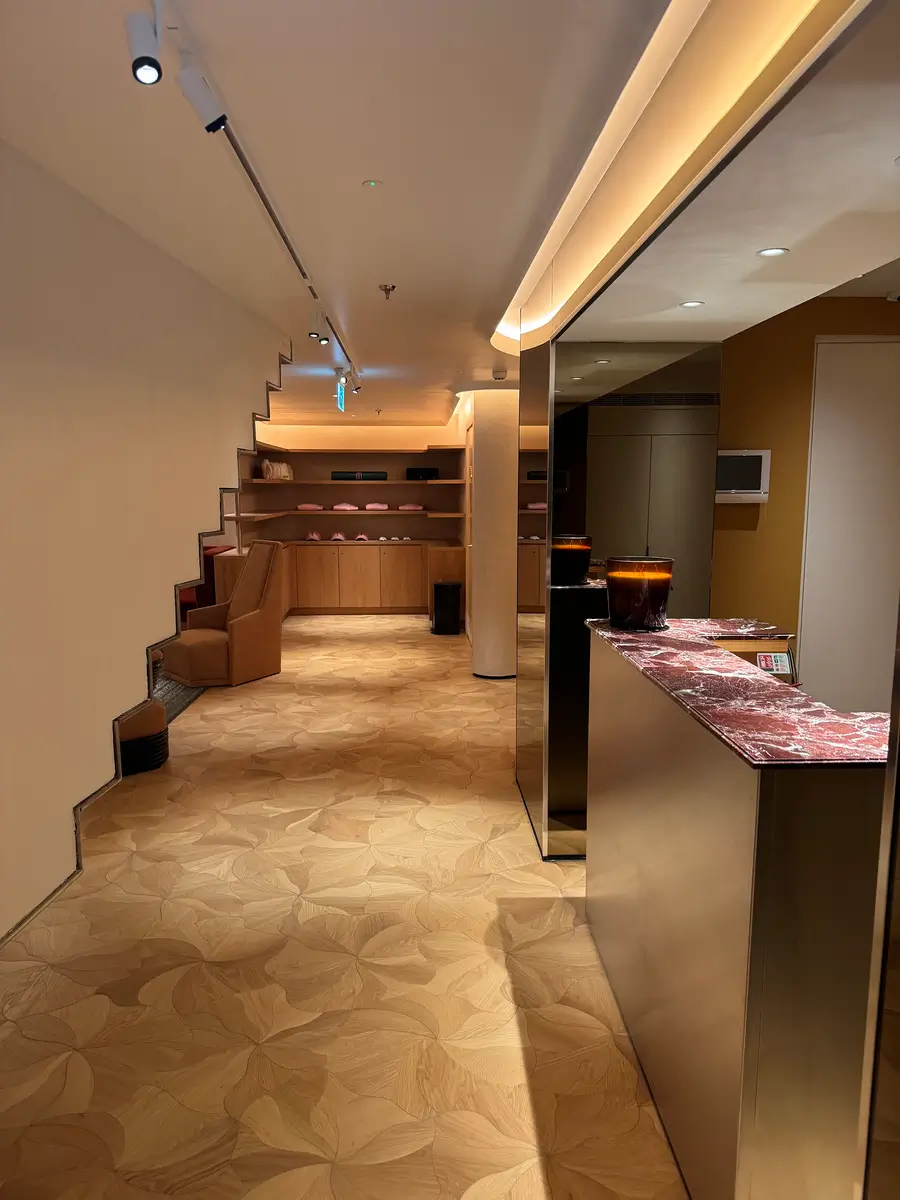
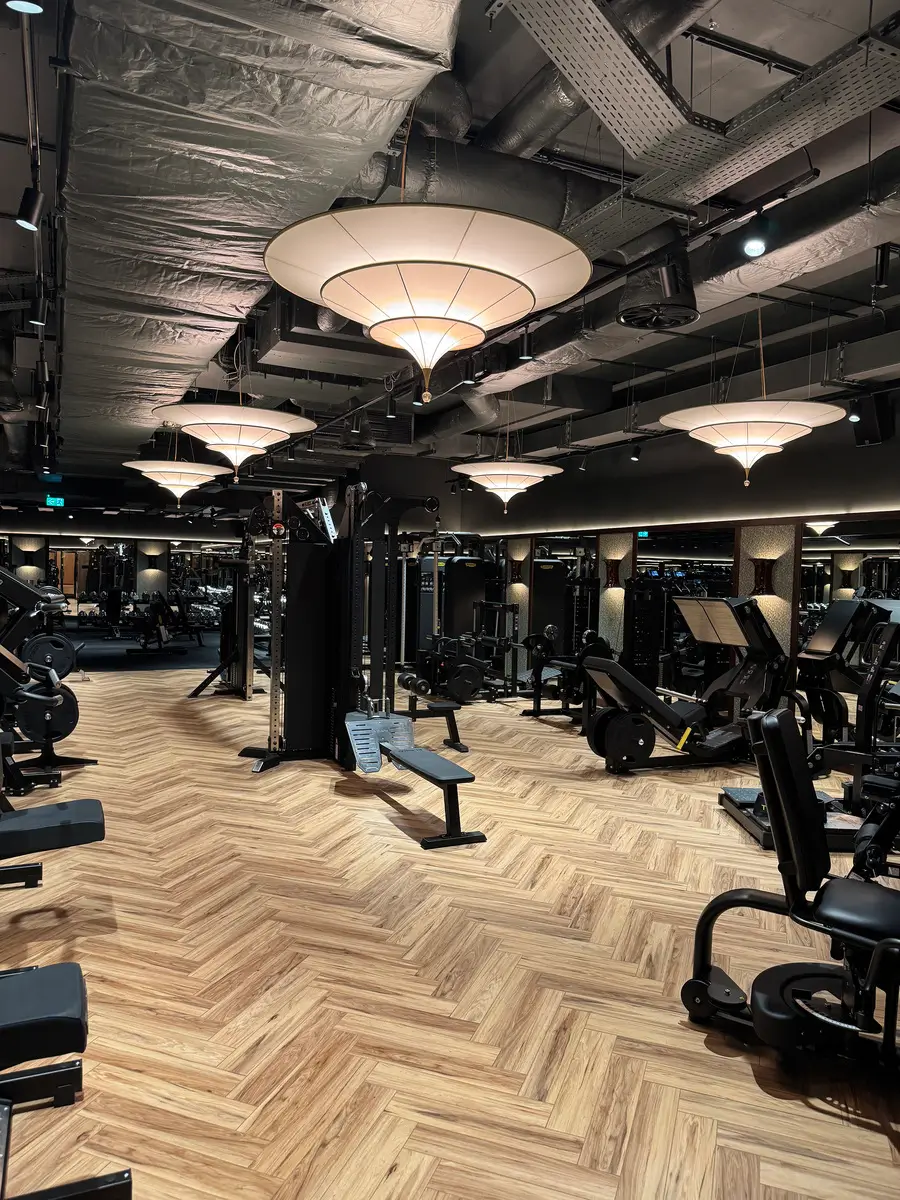
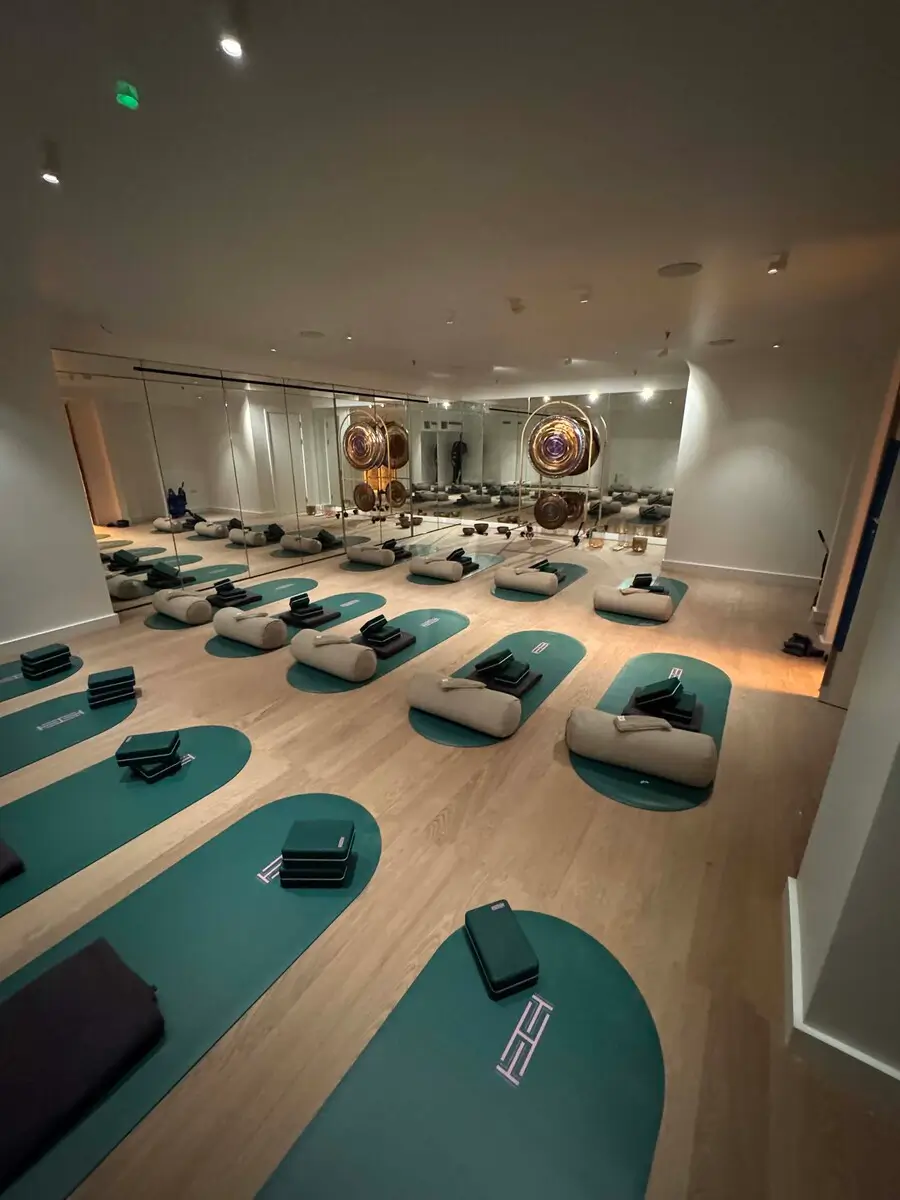
UK – Arc Community is redefining the wellness club in the heart of London’s Canary Wharf, combining relaxation and contrast therapy within a vibrant, social setting. To create a soundscape capable of moving seamlessly from calm, unobtrusive daytime ambience to DJ-driven evening sessions, Arc turned to integrator Evolve Install and Martin Audio’s CDD Series loudspeakers.
“It’s a very fresh concept, there hasn’t really been anything like it in the UK on this scale,” says Elliot Patterson of Evolve Install. “It’s quite an amazing space.”
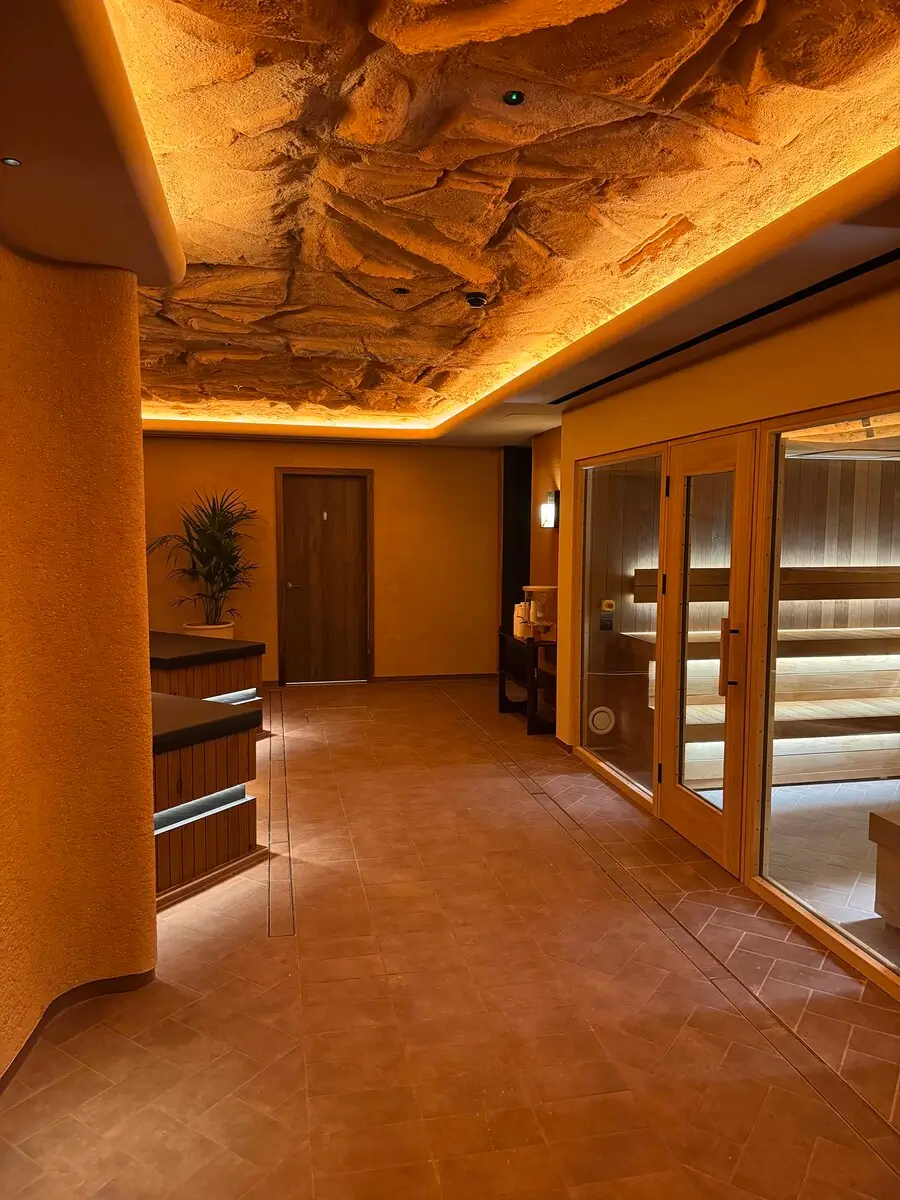
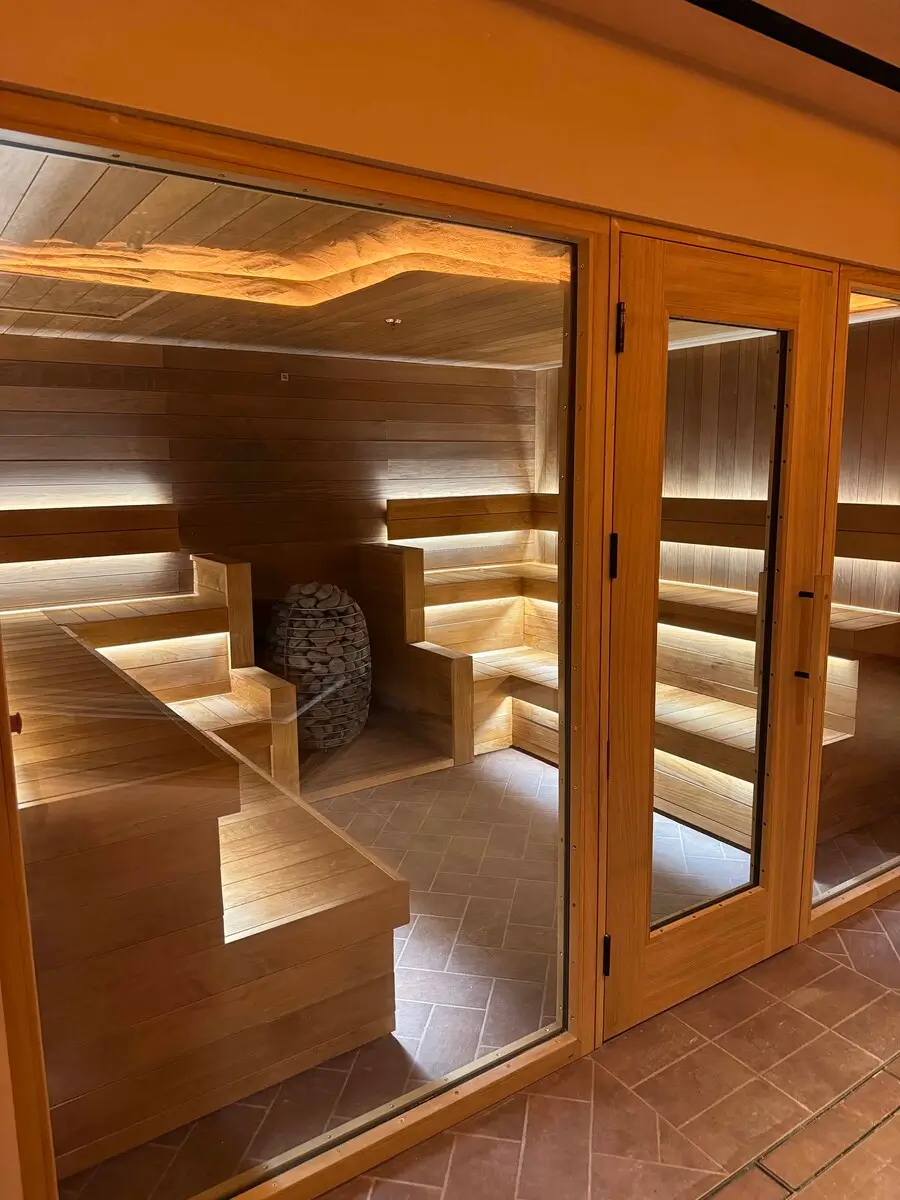
Focussing on contrast therapy – the alternation between intense heat and cold exposure to activate the body’s natural stress and relaxation responses – the venue features a vast communal sauna seating up to 65 people, multiple ice baths, and a beautifully designed lounge area for relaxation and socialising.
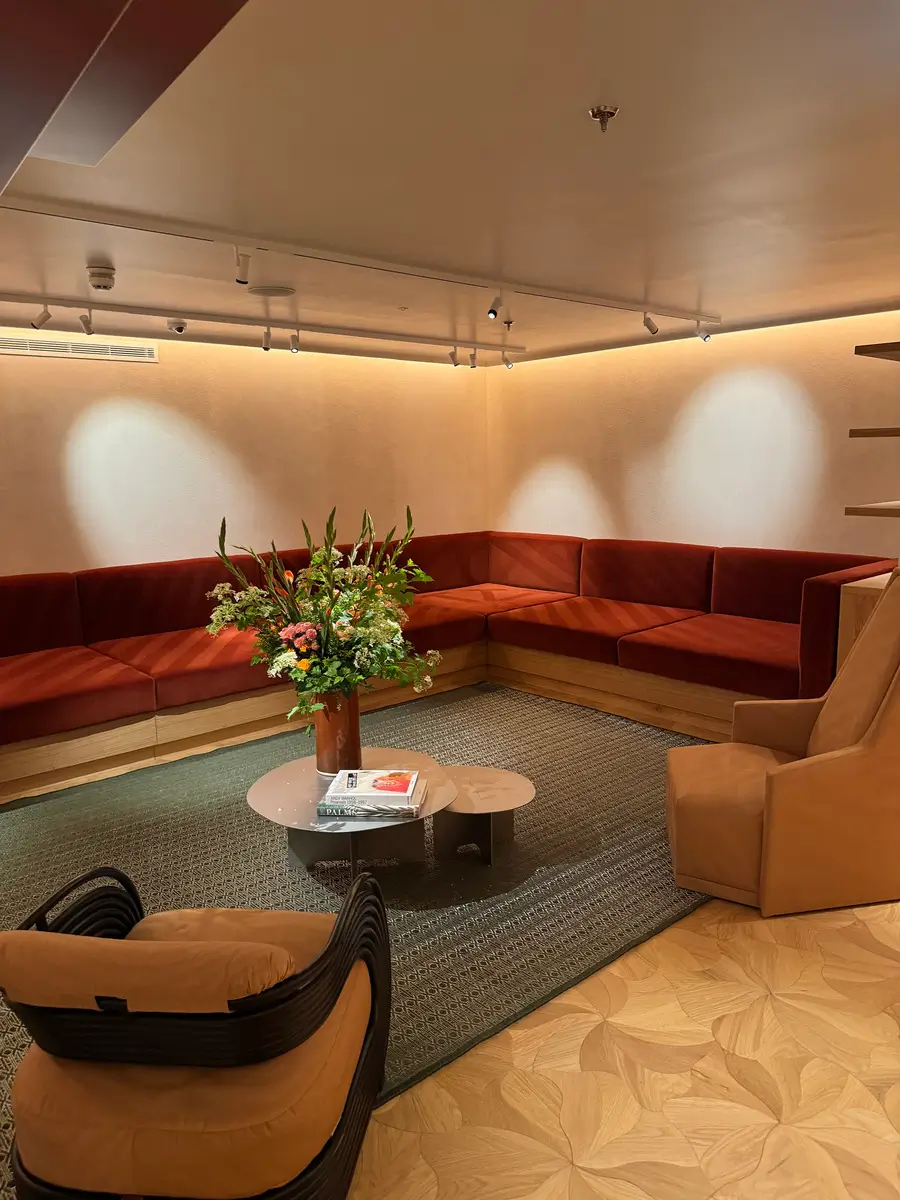
Music plays an essential role throughout the venue, but it was in the Lounge that Patterson’s team faced their most specific acoustic challenge: designing a sound system capable of shifting seamlessly between gentle background music for wellness sessions and the powerful output demanded by DJ sets.
“It’s a multi-functional area that needs to be calm and relaxing during the day but capable of a big, immersive sound at night,” he explains. “They have sessions called ‘Arc After Dark’, which are evening socials where DJs come in on certain nights.”
The Arc After Dark events – “blending the invigorating power of contrast therapy with immersive soundscapes and aromatherapy” – transform the venue into a sauna party for up to 95 people.
To meet the audio demands, Evolve Install specified a combination of four Martin Audio CDD6 loudspeakers, supported by a compact Martin Audio SX210 subwoofer.
“The CDD6 is such a versatile box; it’s a six-inch driver but it’s incredibly punchy for its size,” continues Patterson. “The cabinet design just works.”
The Lounge itself is a square room, with seating arranged in a circle for breathing exercises and meditation, and maintaining a clean aesthetic was essential.
“We didn’t want anything to take away from the aesthetic of the space,” says Patterson. “The CDD6s are very discreet – you can walk in and you won’t even notice them – but when you turn the system up, it sounds massive.”
Photography: Daniel Dobrovszki, Armin Speil, Oliver Toth, MateLeblanc
HUN – Budapest-based production company BG Events recently deployed what is believed to be the largest total hang for a single event of Martin Audio’s Wavefront Precision series. A total of 120 line array elements from the WPL, WPC and WPS series, together with 36 SXH218 subs, were specified for BSW at the Papp László Arena.
Celebrating two decades since BSW first formed in 2006, the #BSW20 tour marks a defining moment for the group, charting their journey from the underground hip-hop scene to the summit of Hungary’s live music industry as one of the country’s premier stadium-level performers.
It was BG Events’ extensive experience of working at the Papp László Arena – Hungary’s premier venue for international touring artists – that helped secure their involvement.
Bácskay Gábor Mazsi, System Tech at BG Events, begins the story. “We hadn’t worked with the band before, but the production team were aware that we had delivered numerous shows at the arena and were very familiar with the venue.”
Having deployed Martin Audio MLA for many years, the company upgraded its inventory to Martin Audio’s latest-generation Wavefront Precision Series in May 2025.
“When we talked with the BSW team about using WPL rather than MLA, they were very happy with it,” notes Mazsi. “The Martin Audio WPL is very similar in character, and also has zero feedback to the stage. This makes bands and sound engineers happy because when they come from rehearsal and start sound checking, nothing sounds different in their ears. I’m personally also very happy with the WPL sound image.”
ALL THE BOXES IN THE WAVEFRONT FAMILY WORK SO WELL TOGETHER
The Papp László Arena presents a formidable acoustic challenge, not only in terms of throw lengths but also due to an unusual asymmetric design.
“The first challenge is definitely distance,” Mazsi explains. “The arena is 120m long from the stage front to the last seats. But oddly the building is also asymmetrical, with two seating tiers on the left and three on the right.”
BG Events knew the Wavefront Precision solution would deliver the extensive and uniform coverage required. The final system design comprised 18 WPL array elements per side as main hangs, all driven at one-box resolution. To address the venue’s differing tier heights, the outfills comprised 12 WPL on the left and 14 WPL on the right.
First delays featured a further eight WPL per side, whilst second delays comprised eight WPC Series array elements per side to reach the far end points. Fourteen WPS models acted as front fills, configured in 4 x 3 and 1 x 2 box stacks, with a further six WPS per side deployed as flown sidefills.
“All the boxes in the Wavefront family work so well together – the filters, amplifiers and DSPs are the same, and the characters are all the same,” Mazsi confirms.
Low-frequency reinforcement – critical for the hip-hop performance -was provided by a total of 32 Martin SXH218 subwoofers. Two arrays of six were flown 1m behind the main PA, with a further 20 ground-stacked in ten pairs, with the bottom unit reversed in cardioid configuration.
“We used the ’40ms left-right cancellation’ for the flown subs. It worked really well in this venue,” describes Mazsi. “The ground-stacked ones had 70cm spacing and opened 60 degrees by time. The flown subs were powered by amps in bridge mode, whilst the ground stacks used one amp channel per box.”
The entire system was powered by iKON iK42 amplifiers. “The iK42s have a separate DSP for each amplifier channel, which is very convenient – you can set any sub timing or front fills,” says Mazsi. “The large hangs work well with six to nine amps, and if you were to have any issues, you can just hot-swap any of them, so you don’t lose the whole array.”
On-site, the WPL’s new faster rigging method and simplified cabling proved invaluable for the crew: “We prepared the correct length of breakouts in advance, then it was very simple to hang four WPLs cart by cart. We configured the setup and loaded the presets to the iK42s in the warehouse.”
Ultimately, the WP system delivered on all fronts. “FOH engineer Péter Agárdi was very happy with the result,” Mazsi confirms. “The show ran from 94 dB up to 100 dB, with excellent consistency and clarity throughout.”
Photography: Daniel Dobrovszki, Armin Speil, Oliver Toth, MateLeblanc
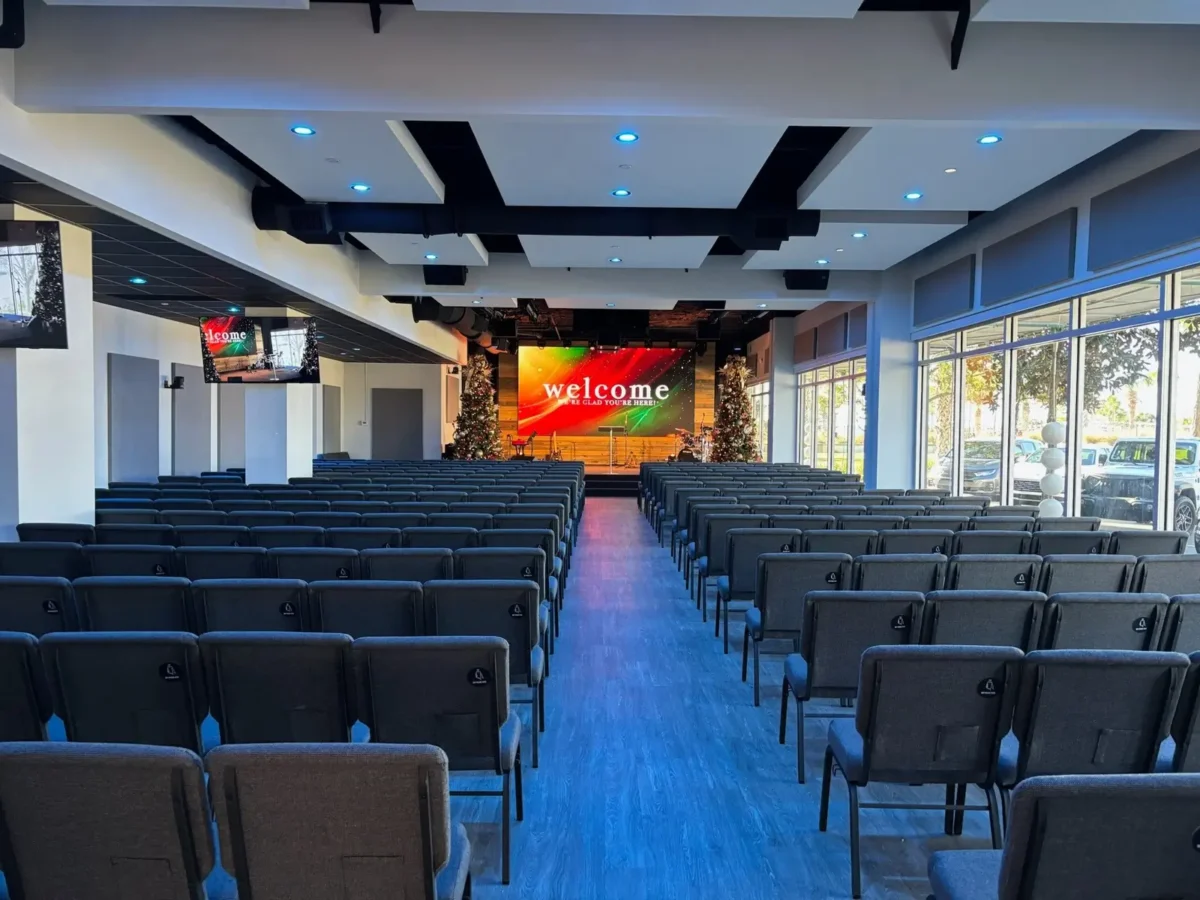
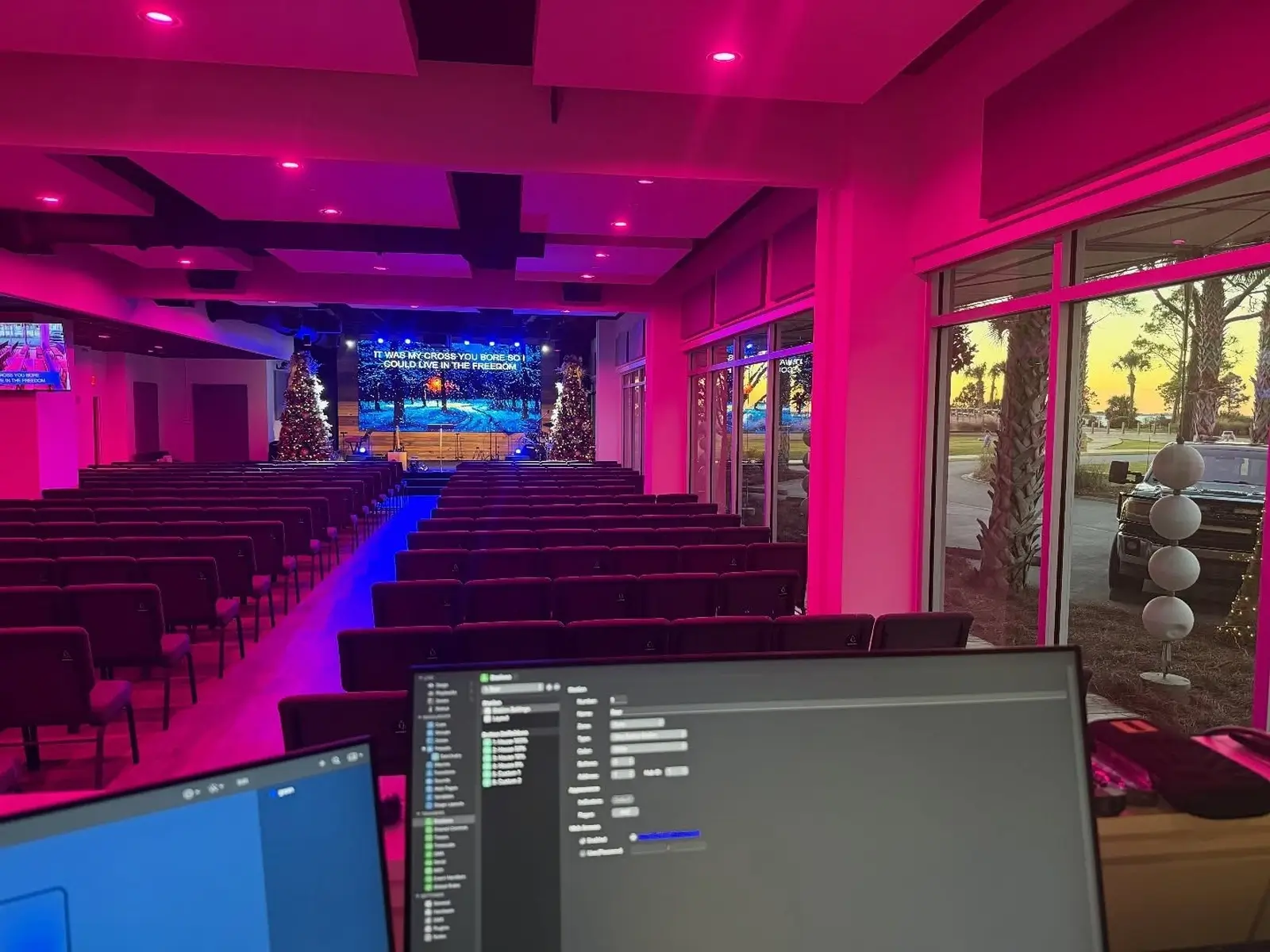
When a Colorodo Springs, CO Christian church expanded into a new location to better serve their growing congregation, they were in need of a powerful audio system. Amplifiers for house of worship must be able to deliver a scalable solution that will serve the community for years to come. That’s where we came in.
Let’s dive in and see how a local integrator used our Connect Series amplifiers to power the audio system at Peak City Church.
Global Technology Group, Inc. was tasked to design and install sound, lighting, and video systems. GTG has multiple offices and employees assisting with single-item purchases all the way up to complete audio, lighting, and video systems. GTG will take care of it all!
The Venue
Peak City Church in Colorado Springs, Colorado, is a dynamic, contemporary Christian church experiencing a high level of growth. The church recently moved to a new location with room to expand its congregation, services, and community outreach.
They currently serve about 800 with a range of services, support groups, and classroom-based instruction for children and adults.
The Install
Peak City Church wanted to provide intelligible, pleasing, clear and flexible audio support for their auxiliary spaces and classrooms. The common areas often carry the audio of services or other programs happening in the main auditorium, but they may also have background music, announcements, or their own audio as needed. The three multi-purpose classroom systems are primarily independent and are used to support group-specific programs or video support.
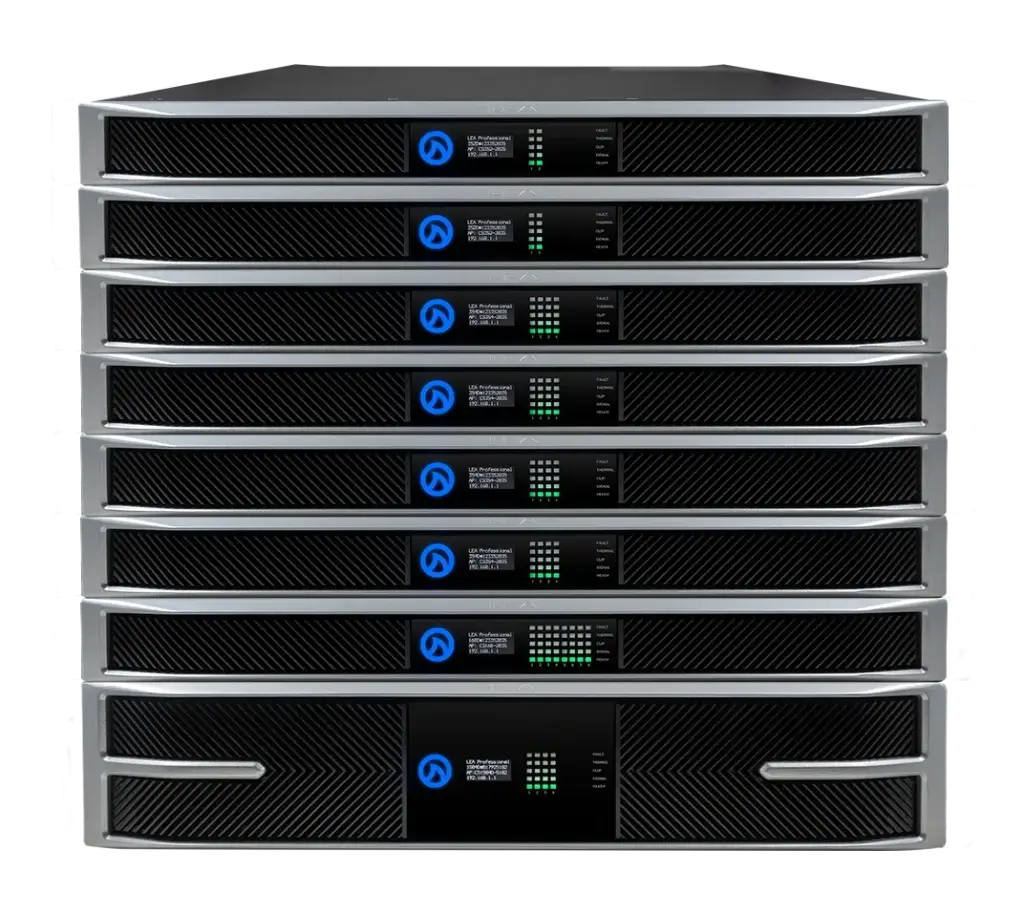
“We put in place five LEA Connect Series 704D, four-channel amplifiers — two supporting the distributed audio and three more amps, one in each of the classrooms. We did their whole distributed audio through the lobby and in the hallways with the LEA amps,” added Johnson. “All their sound systems are now on the same Dante network so that we can distribute the sound anywhere we want, which is a very nice growth feature for the church.”
CS704D
The Peak City Church distributed system is making full use of the DSP features of the 704D amps. With a built-in, 32-bit, 96kHz core DSP architecture, the Connect Series offers high-quality Routable Input Matrix, Crossovers, Parametric EQ, Output Delay, Limiting, and more. Johnson appreciates how the built-in DSP saves valuable rack space, weight, and system costs, as well as saves installation time. In addition, he has been impressed with the amp’s ability to connect through the LEA Cloud platform for remote service and support.
The Conclusion
“It’s really refreshing to have a single-rack-space amp that has good power, and a lot of network features behind it, and all at a great price — other single-rack-space amp brands are just not very economical for us for most applications,” added Johnson.
“LEA amps are feature-rich, rugged, and affordable; that’s what we love about it. We have a hotel project coming up, and we will most likely specify several LEA amps; I’m looking forward to working on that project and working more with LEA Professional.”
UK – In its 15th anniversary year, London-based event production company Hire Frequencies made its debut at the TCS London Marathon 2026, supplying all-Martin solutions across the Finish Line, Fan Zone and TCS London Mini Marathon at this year’s record-breaking event.
“We first met the Marathon events team two years ago,” explains Will Smith, Founder and MD of Hire Frequencies. “We were convinced we could take the production values to a new level with high-quality sound systems and were delighted to win the project this year.”
The company drew on its expanding Martin Audio inventory – built up over the past two years – to deliver an all-Martin deployment across the three zones. This included FlexPoint Series, TORUS and Wavefront Precision (WPS), all powered by iKON iK42 4-channel amplifiers.
“Our technical director Ritchie Nicola and technical manager Kieran Hall were key to the specification and deployment,” continues Smith. “We worked closely with the Marathon events team to ensure everything was right first time.”
EVERYTHING PERFORMED PERFECTLY…
Prior to the main event, the TCS London Mini Marathon saw schools invited to run, jog, walk or wheel either one mile or 2.6K through central London, culminating in a finish-line crossing and medal presentation. Here, Hire Frequencies deployed a Martin Audio system comprising four TORUS T1230 array elements and a pair of SXC115 subwoofers, together with a distributed system of eight FlexPoint FP8 loudspeakers.
“TORUS was ideal for this site thanks to its quick deployment and high output,” says Smith. “It delivers exceptional clarity with strong mid-range throw, perfect for the application. The SXC115 is compact and fast to deploy, while the FP8s worked perfectly as infills across the wide crowd area. They didn’t have subs at the Mini Marathon previously, so we were really able to elevate the experience—we had lots of positive feedback.”
For the TCS London Marathon itself, Hire Frequencies deployed a Martin Audio WPS Wavefront Precision super-compact line array for the Fan Zone, which hosted music playback and live performances throughout the day. The ground-stacked system featured four WPS array elements per side, supported by two SXCF118 subwoofers per side.
“The Fan Zone was effectively a mini festival stage,” says Smith. “WPS was the ideal solution. With the help of Martin Audio’s DISPLAY software, we set the throw length to 50m and used the Hard Avoid feature to assist with noise control on stage.”
Meanwhile, along the finishing straight, 16 Martin Audio FlexPoint FP12 loudspeakers were distributed across the final 300 metres, delivering commentators’ encouragement and motivational music to runners approaching the line.
“The FP Series are compact and punchy, making them ideal for the finish line where space was limited between hospitality areas,” notes Smith. “Even the commentators remarked on the difference, describing the improvement on last year as ‘chalk and cheese’ in terms of both impact and sound quality.”
The system was deployed over two days while coordinating with other contractors across the busy site, and fully de-rigged within just two hours post-event.
“Everything performed perfectly – that’s why most of our inventory is now Martin Audio,” concludes Smith. “The marathon broke the Guinness World Record for the most finishers, as well as world records in both the men’s and women’s races. For me, it was an incredibly proud moment to have our team supporting such a globally recognised event.”
Photographer: Eric Menard
Thanks to
Integration/Installation Partner: Hire Frequencies