Categories
Martin Audio TiMax

MARTIN AUDIO IS ON THE MONEY FOR 22LIVE AND THE AUSTRALIAN PINK FLOYD SHOW

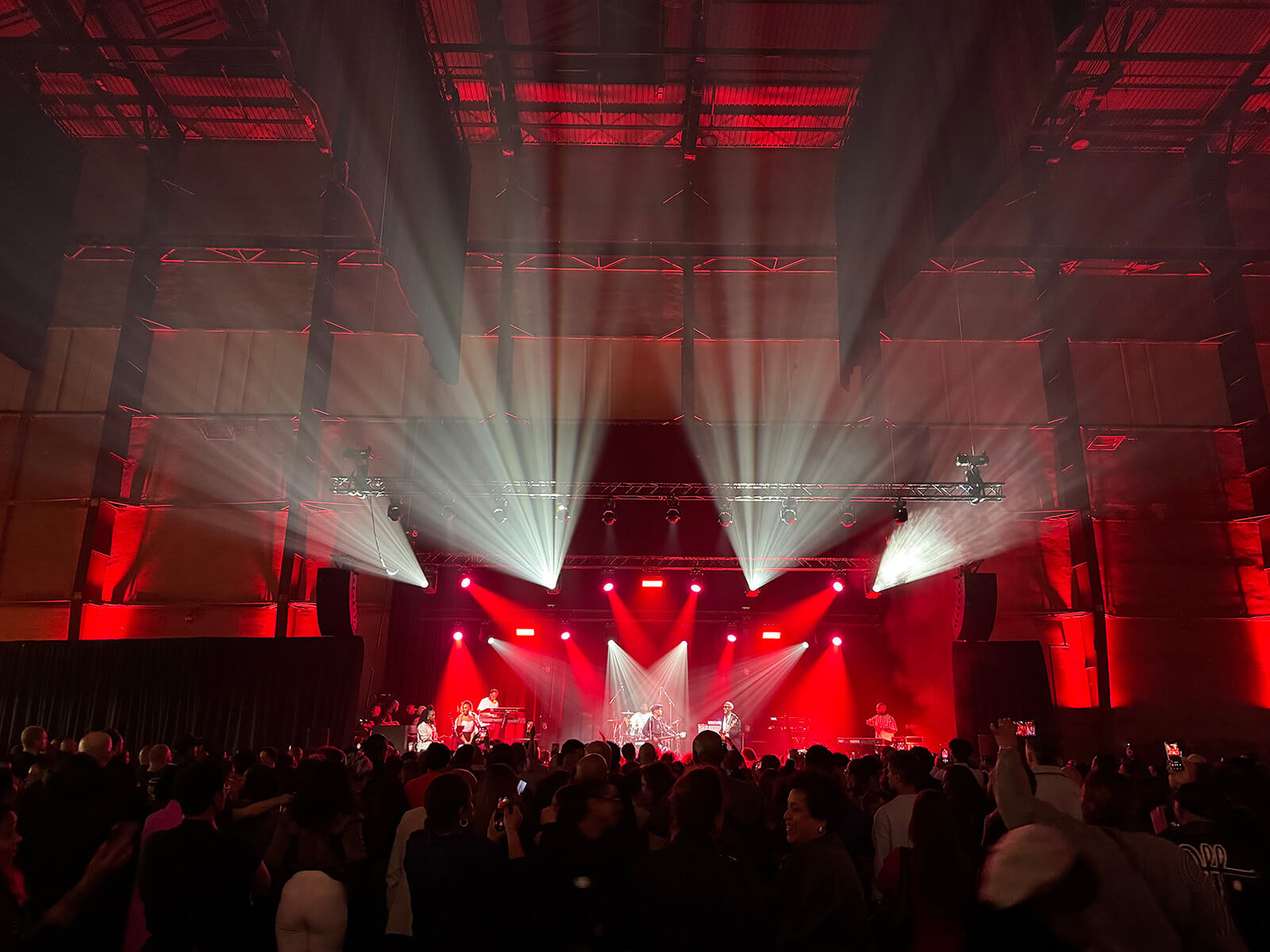
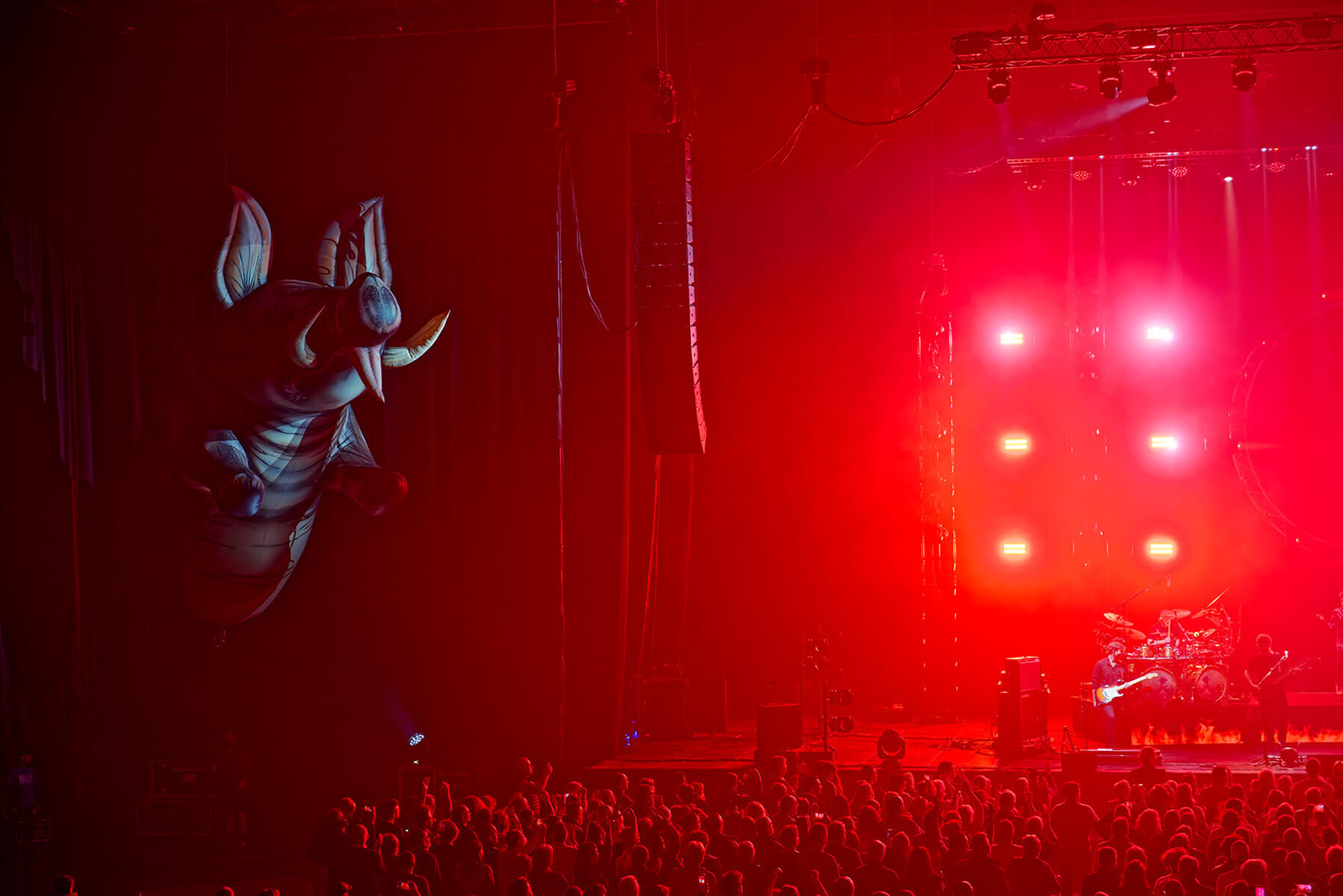
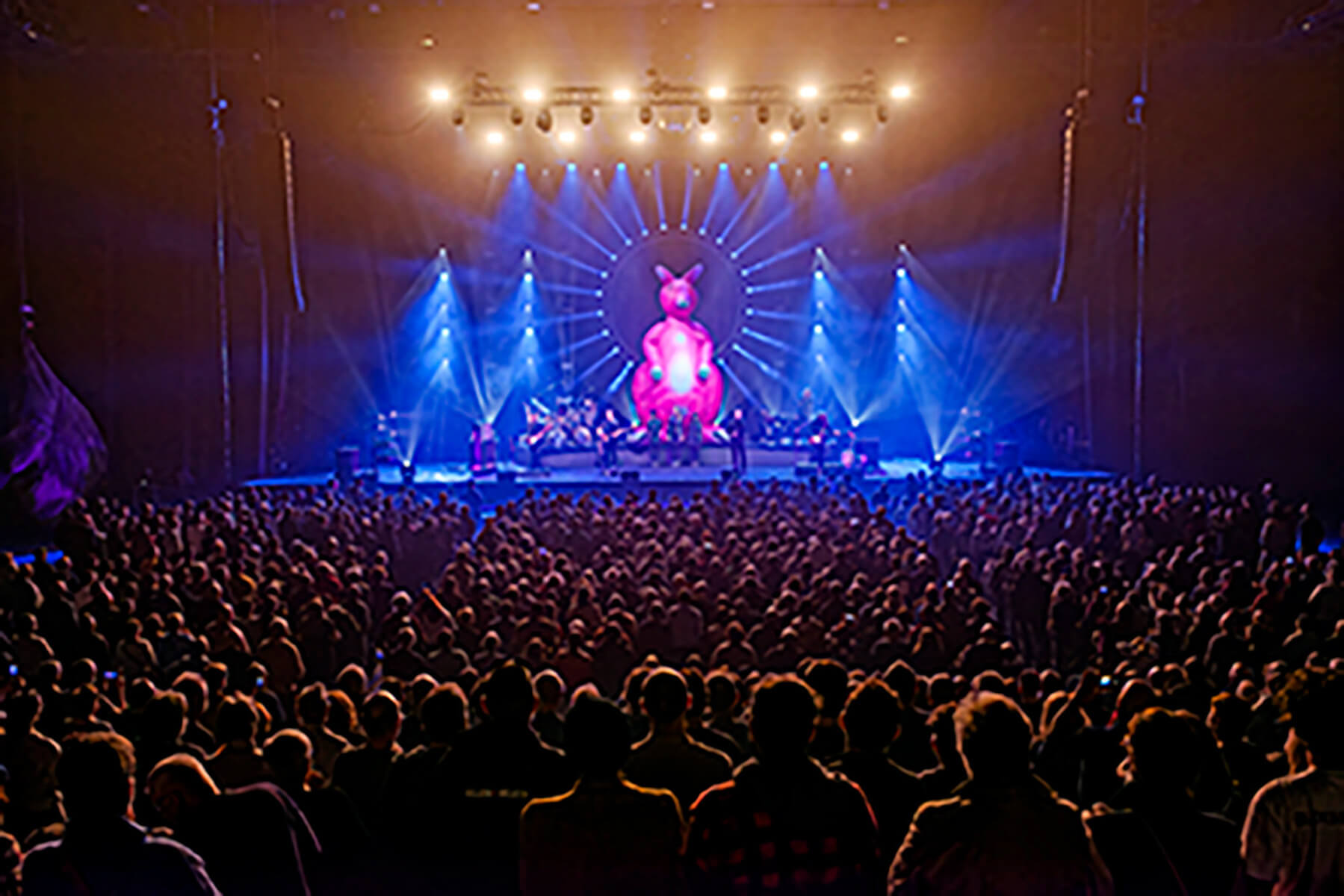
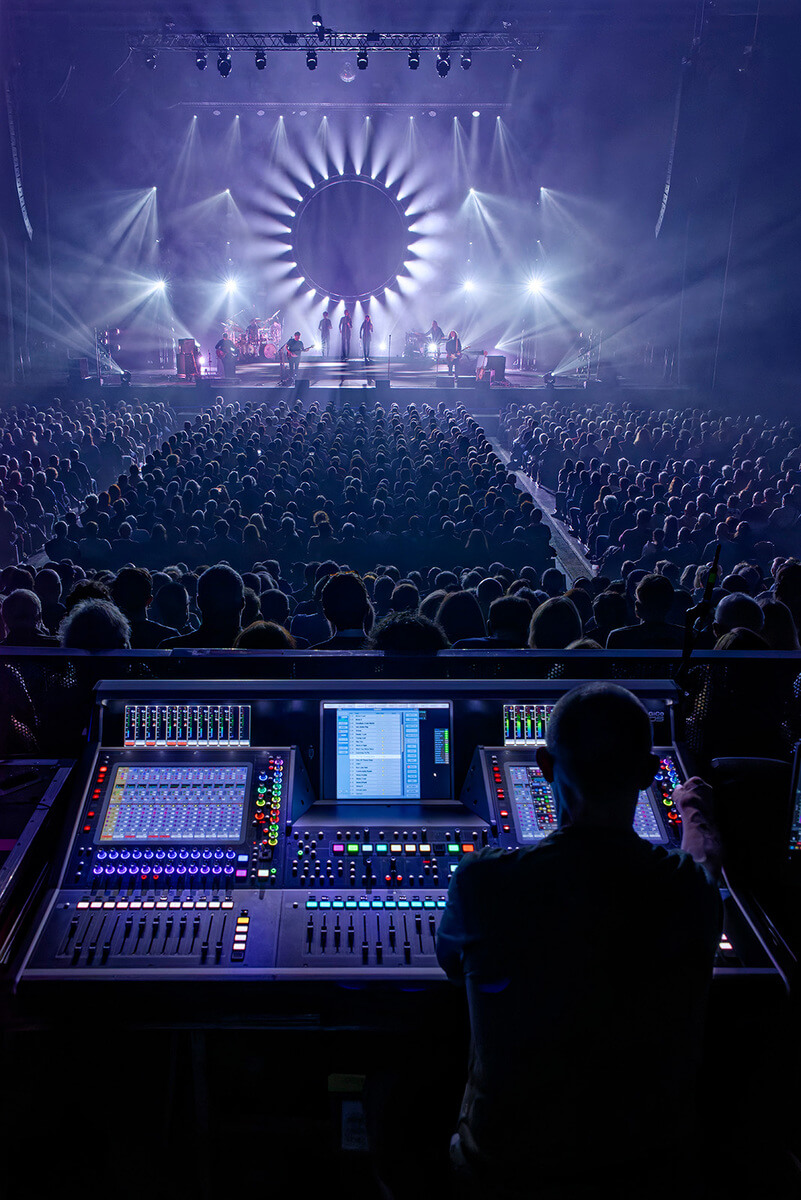
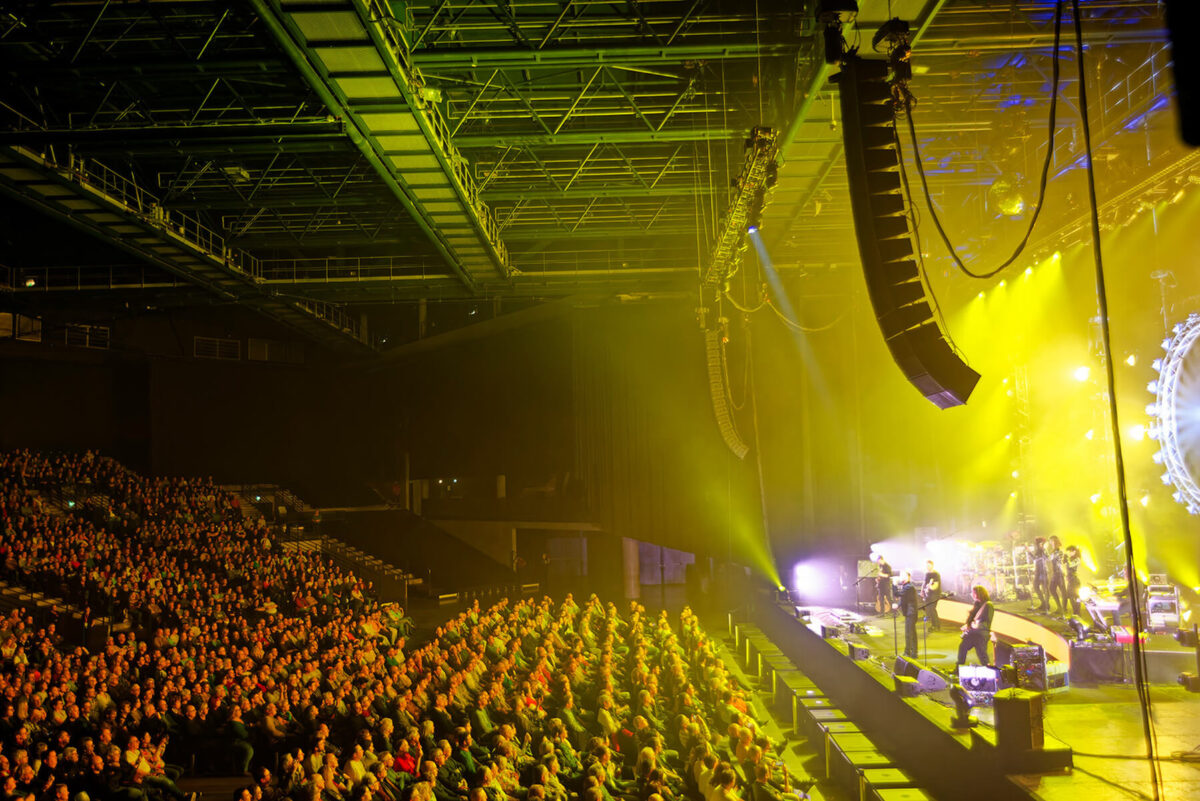
AUS – The Australian Pink Floyd Show has officially launched its 2026 global tour across Europe, the US, and the UK, backed by a comprehensive Martin Audio WPC system provided by technical partners 22live.

With over five million tickets sold worldwide, The Australian Pink Floyd Show is widely regarded as the premier tribute to the legendary rock band – a reputation so formidable that David Gilmour famously booked them for his own 50th birthday celebration.

To maintain this standard across a regular annual schedule that encompasses a spring European tour, summer US tour and Autumn/Winter UK tour, the production requires a sound system that delivers sonic excellence, venue flexibility and operational efficiency.

The relationship between the tour and its technical providers is built on decades of trust. Paul Timmins, Hire Director at 22live, has worked with the band for over fifteen years and has known Kevin Hopgood, one of the band’s management team, for nearly forty.

“Kevin and I were both working in the industry with Malcolm Hill back during the Live Aid period,” recalls Timmins. “In 2015, when they needed a new Front of House engineer, I suggested Trevor Gilligan, whom I’d worked with on Kasabian and Starsailor. He’s been mixing the show for over a decade now and has a particular affinity for the Martin Audio sound.”

I’M CONSISTENTLY IMPRESSED BY HOW SEAMLESS THE TRANSITION IS BETWEEN THE WPC AND WPS HANGS.

Paul Timmins, 22live

When the band approached 22live in 2022 to overhaul their touring rig, the transition to Martin Audio’s Wavefront Precision (WPC) system was the natural choice. For a production of this scale, balancing “big show” sonics with “smart business” logistics was essential.

“Space is always crucial,” Timmins explains. “Because 22live started fresh, we developed our flight casing and cable systems without the burden of legacy gear. Our standard cases are two-thirds the size of traditional four-foot cases. When we ran the truck packs, we discovered the Martin WPC system with 22live packaging actually saved three feet of truck space—a massive commercial advantage.”

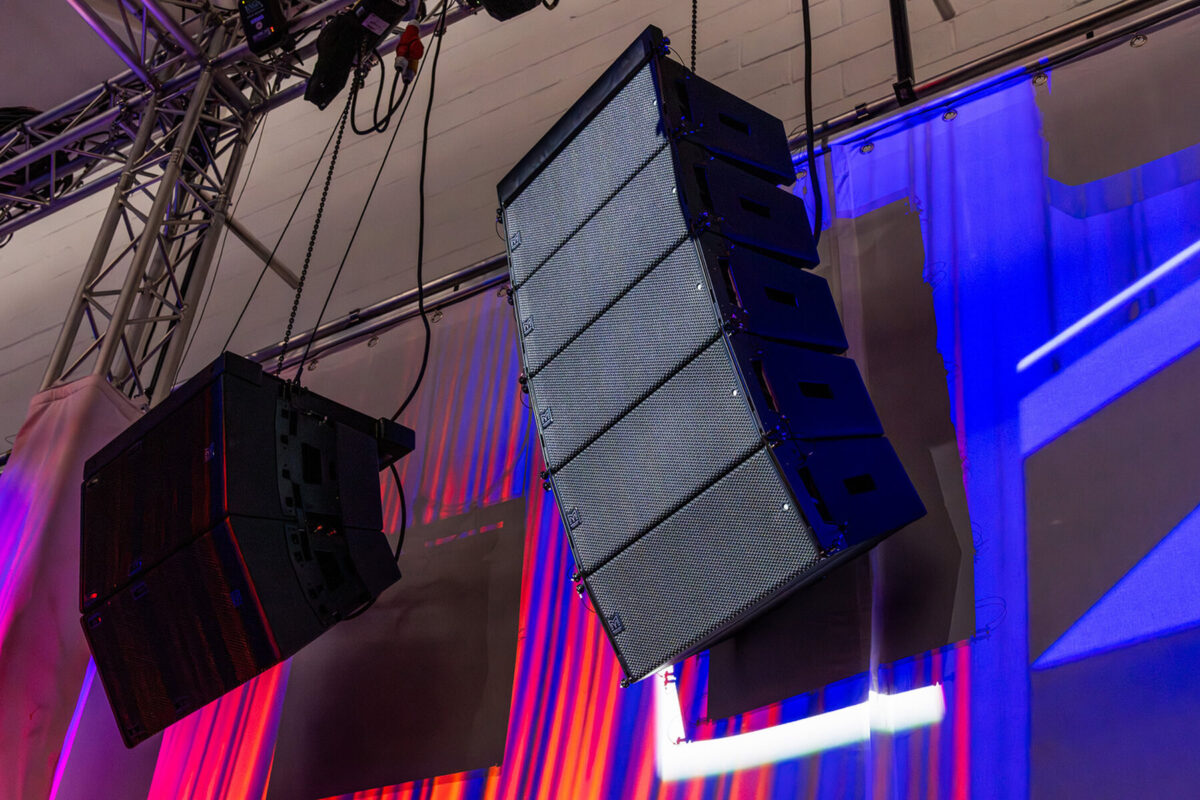
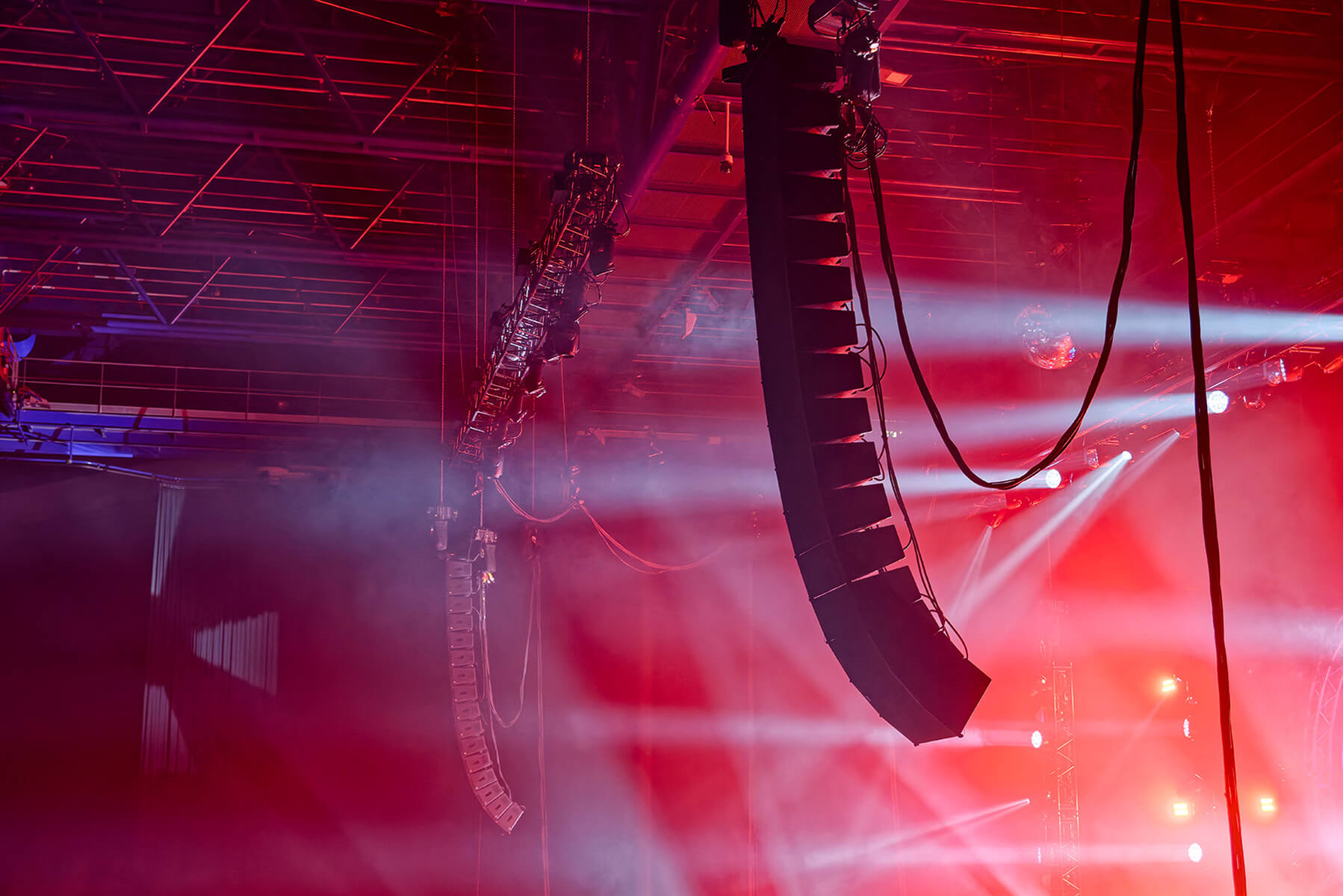
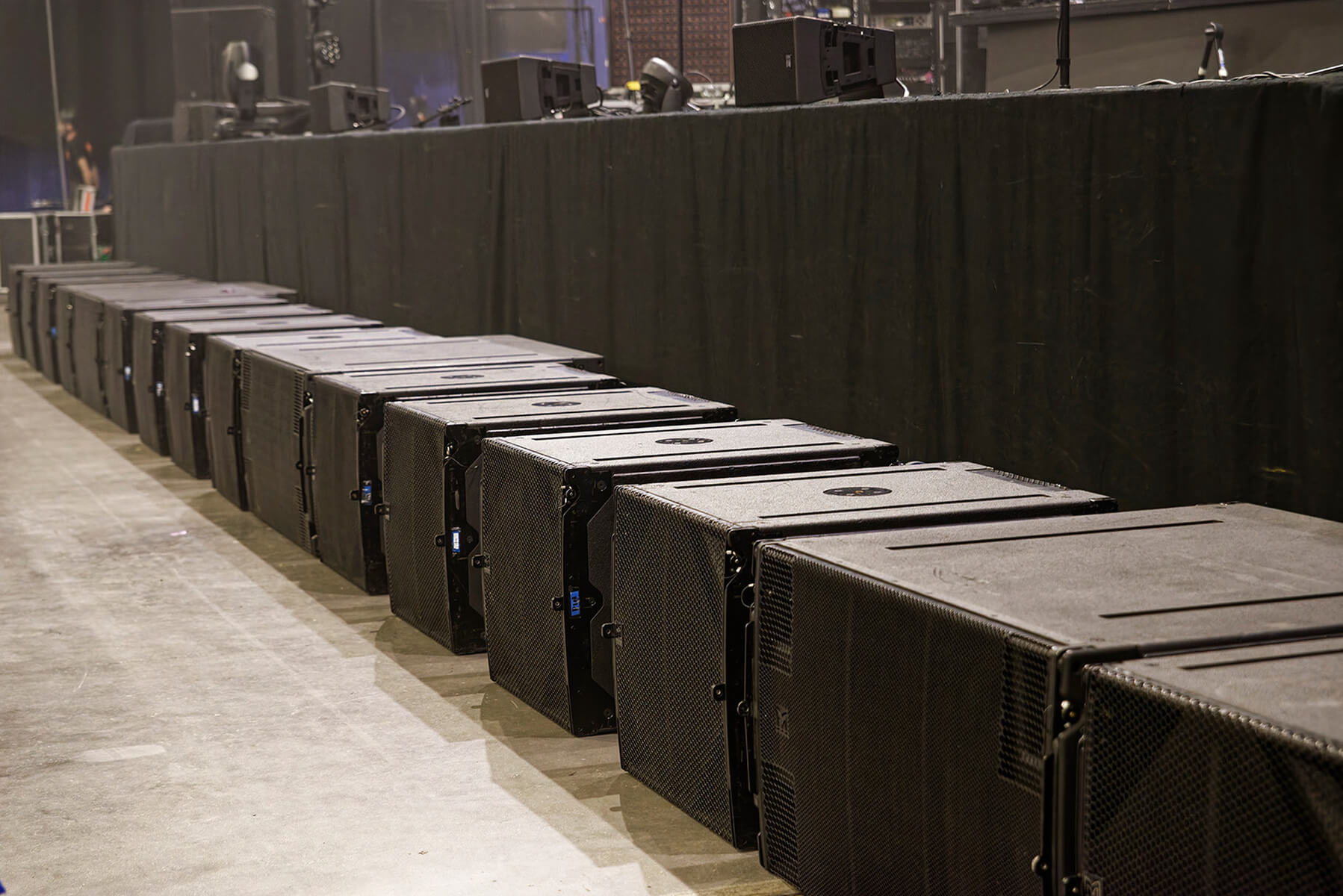
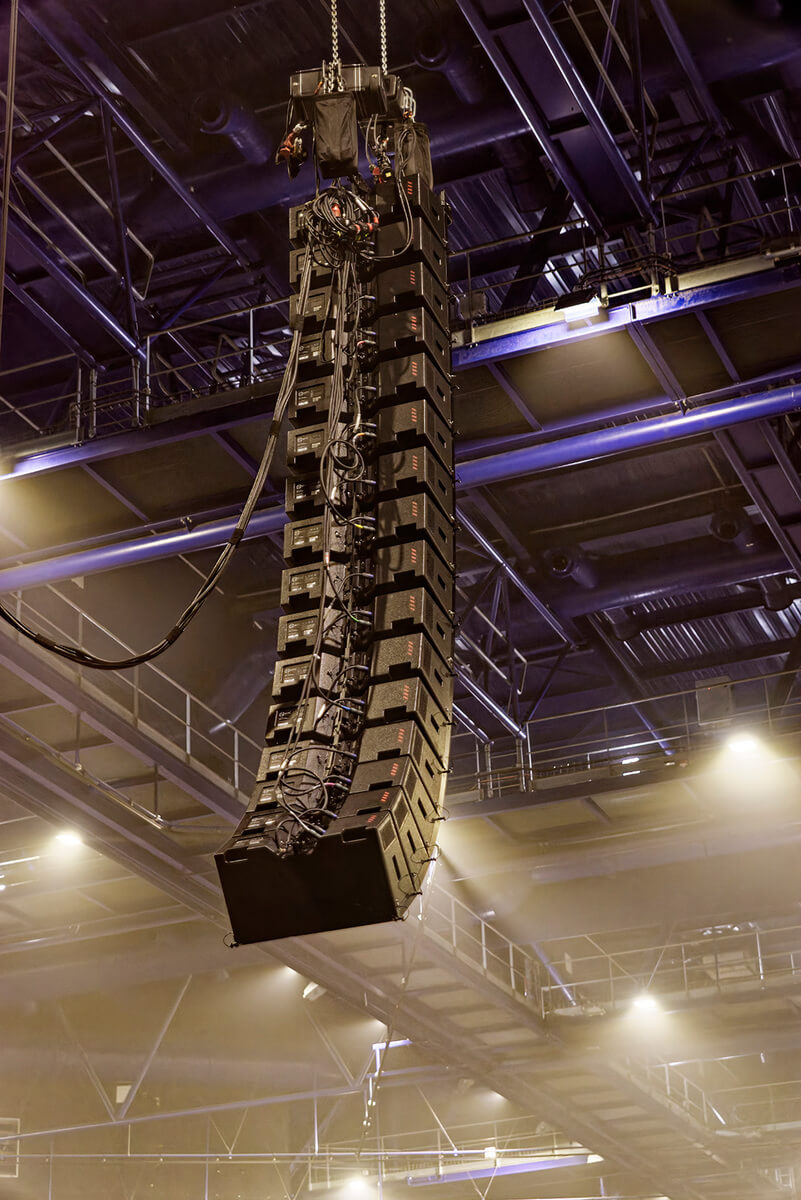
The touring system is robust and versatile, featuring 16-deep WPC main hangs complemented by 10-deep WPS out-hangs for larger venues. The low-end is handled by a combination of three SX218 2 x 18” and sixteen cardioid SXCF118 1 x 18” subs, a setup Mark Edwards, system engineer refined after A/B testing at Martin Audio’s headquarters.

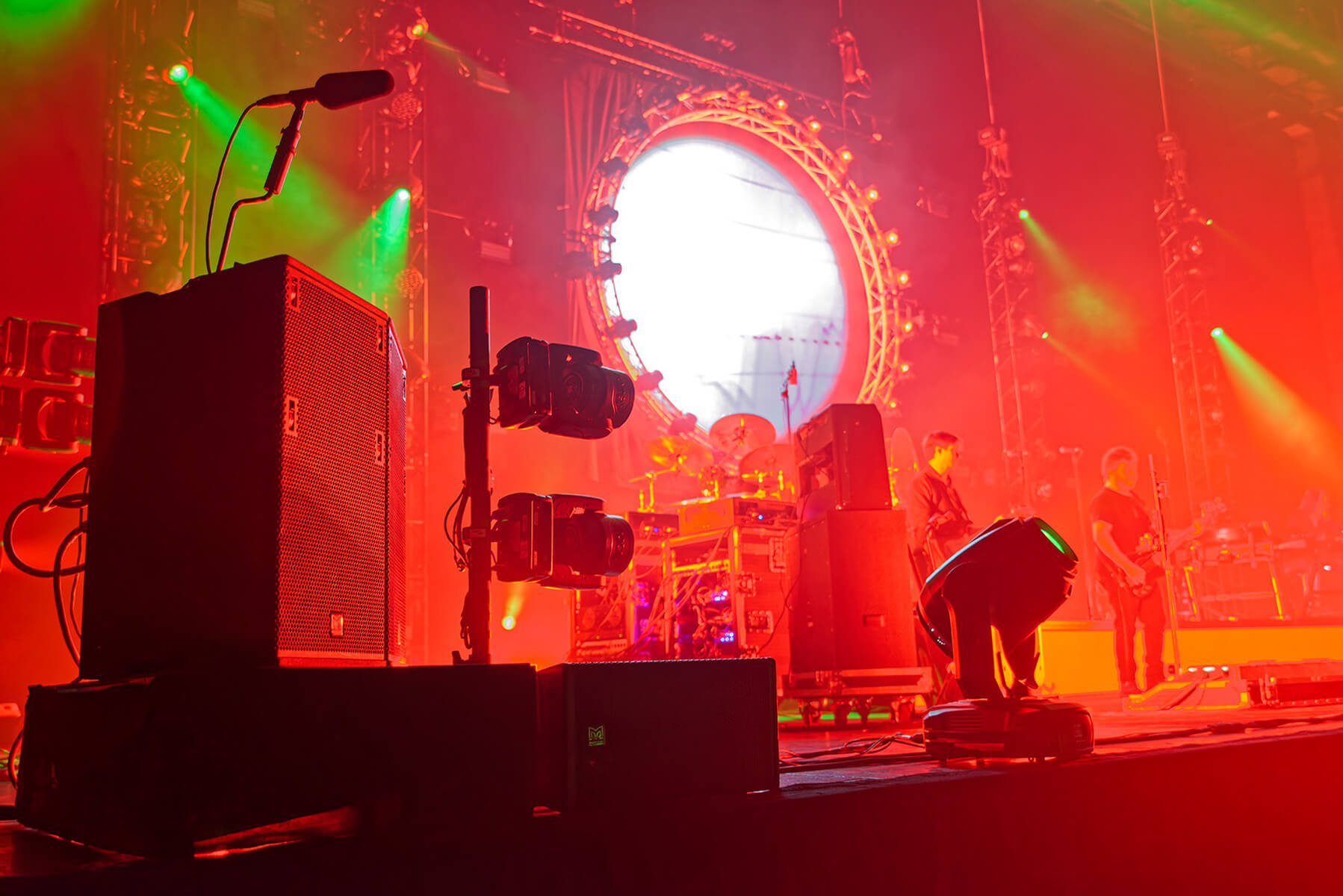
To ensure consistency in the wide range of touring venues, the team also carries the Martin Audio TORUS T820s as lip fills, TORUS T1215/30s for additional in-fills and a pair of FlexPoint FP12s as utility speakers.

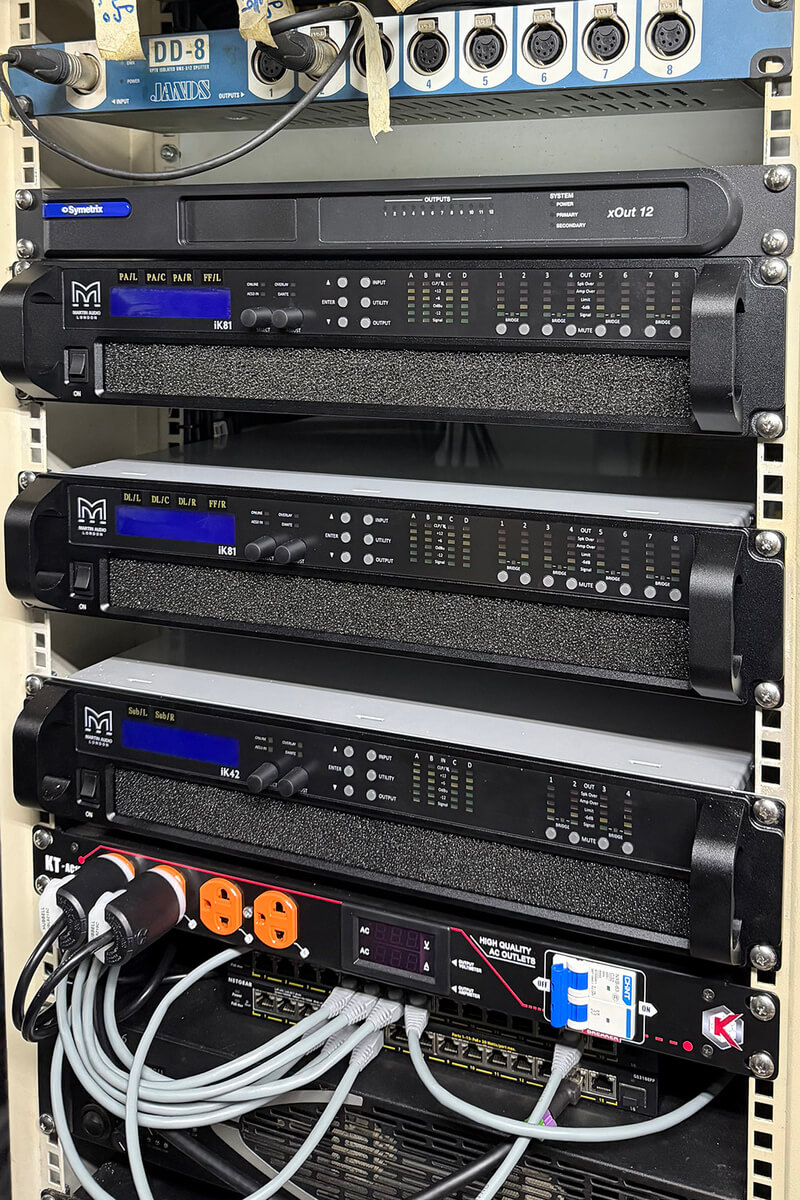
The entire system is powered by IKON iK42 amplifiers over a Dante network, driving the full system in two-box resolution. This allows Gilligan to use Martin Audio’s Hard Avoid technology to keep sound off reflective surfaces and focused entirely on the audience.

“The warmth and vocal tonality of Martin Audio lends itself perfectly to the Pink Floyd catalogue,” says Timmins. “I’m consistently impressed by how seamless the transition is between the WPC and WPS hangs. For a rental company, that consistency and the ability to deploy the most compact boxes is exactly what you want.”

The results speak for themselves. Following a recent performance in Berlin, FOH engineer Gilligan reported, “Berlin last night was great! The system sounded like a hi-fi in the back row, and the venue measured SPL at the barrier 0.4dB louder than FOH, so a pretty good result!”

The partnership recently celebrated a major milestone, with 22live presenting the band with an award to mark the completion of 10 full tours and already over 365 shows together – all since 2022.

As the 2026 tour continues, the combination of 22live’s expertise and Martin Audio’s technology ensures that the “Pink Floyd experience” remains as immersive as ever.

Photographer: Eric Menard

Thanks to

Installation Partner: 22live

Click here for original article.
Categories
Martin Audio TiMax

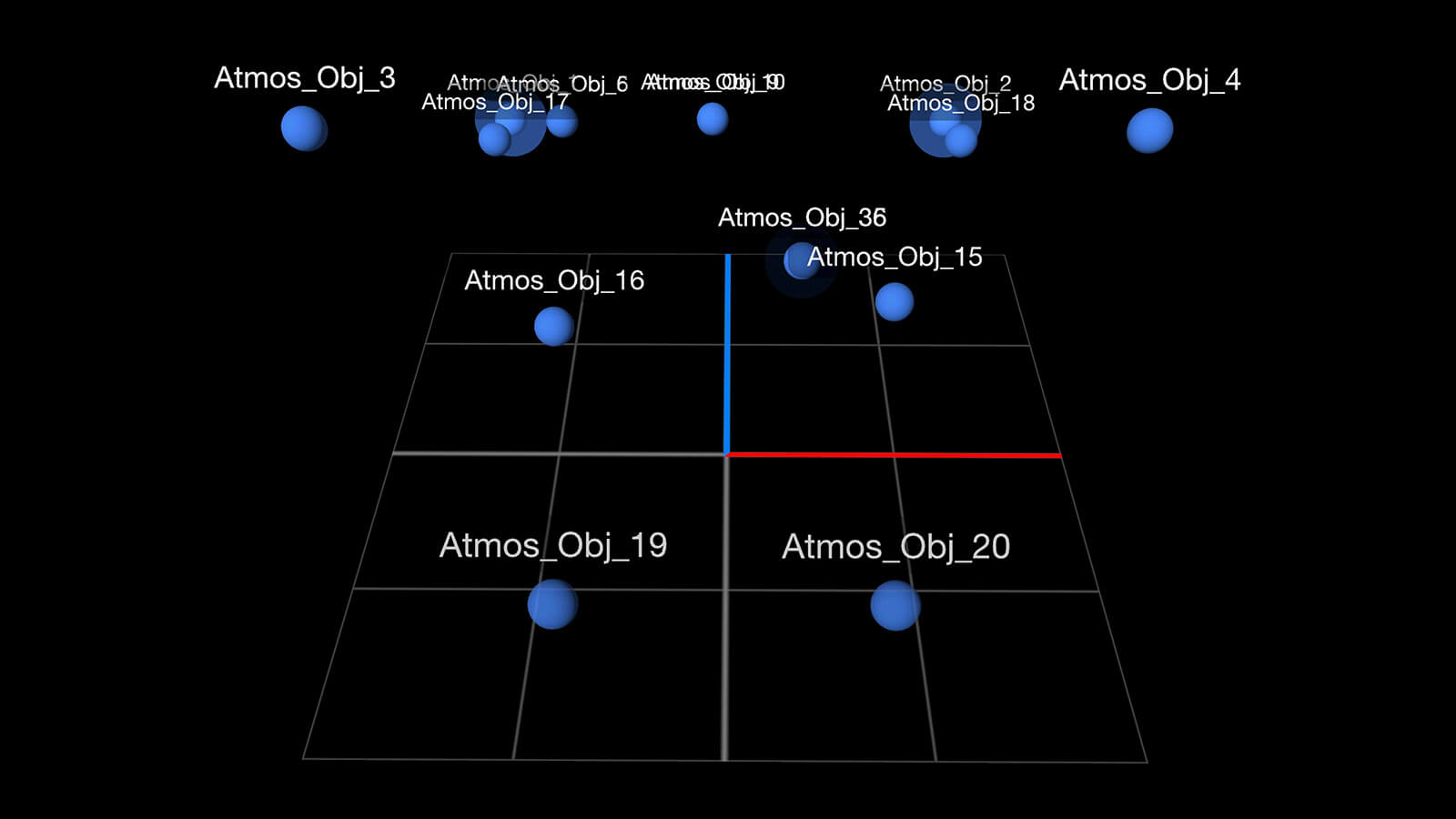
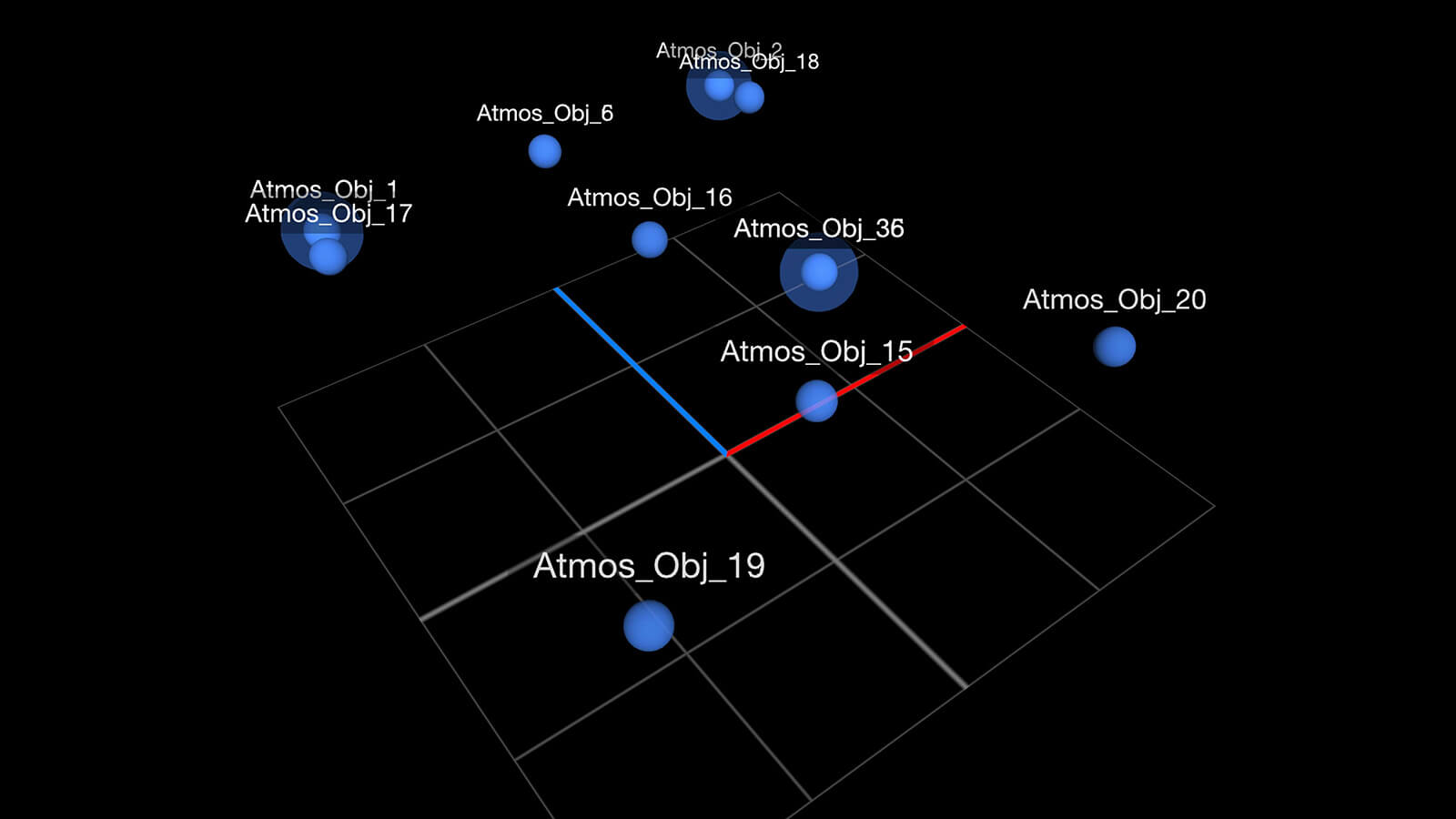
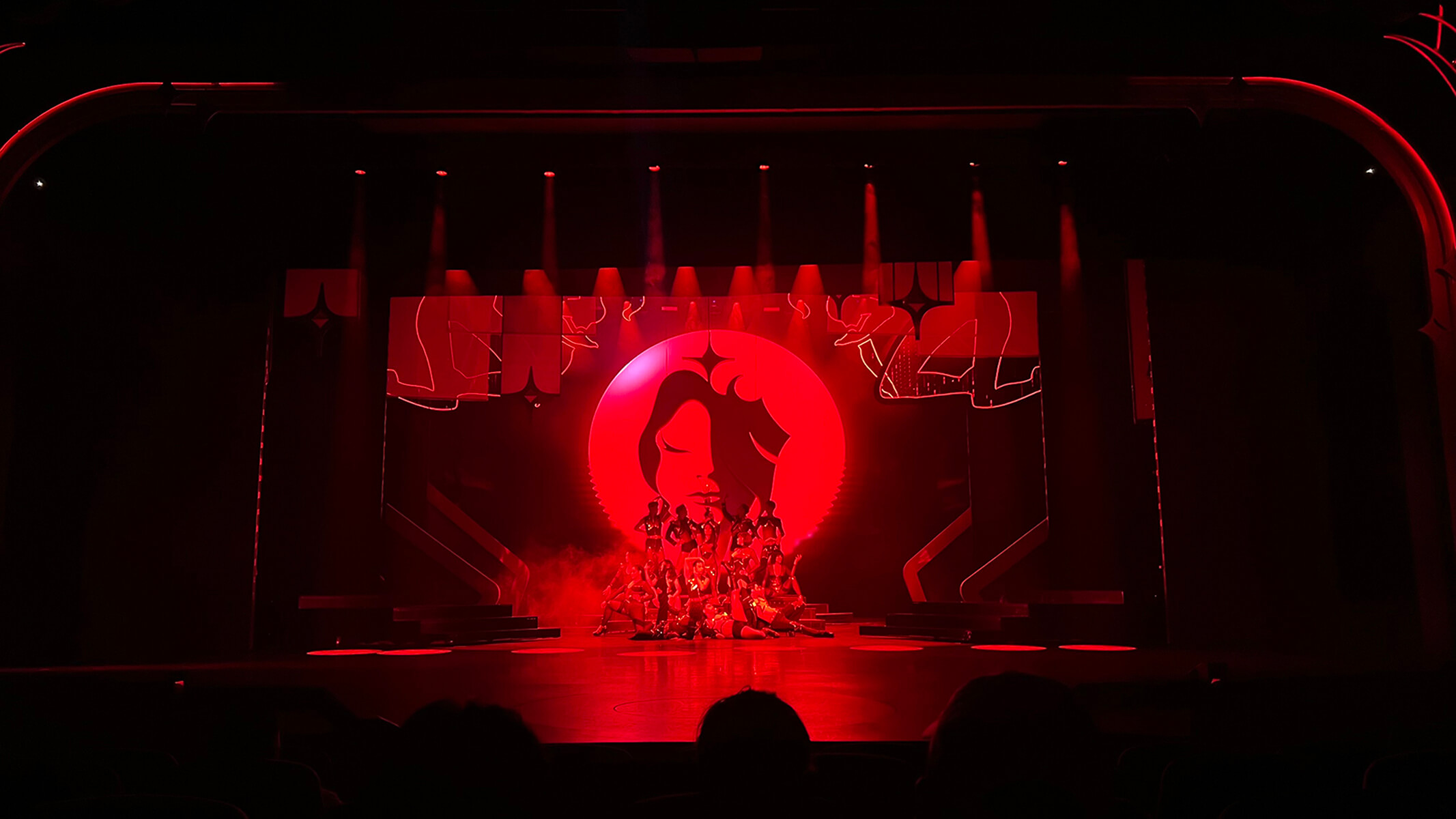
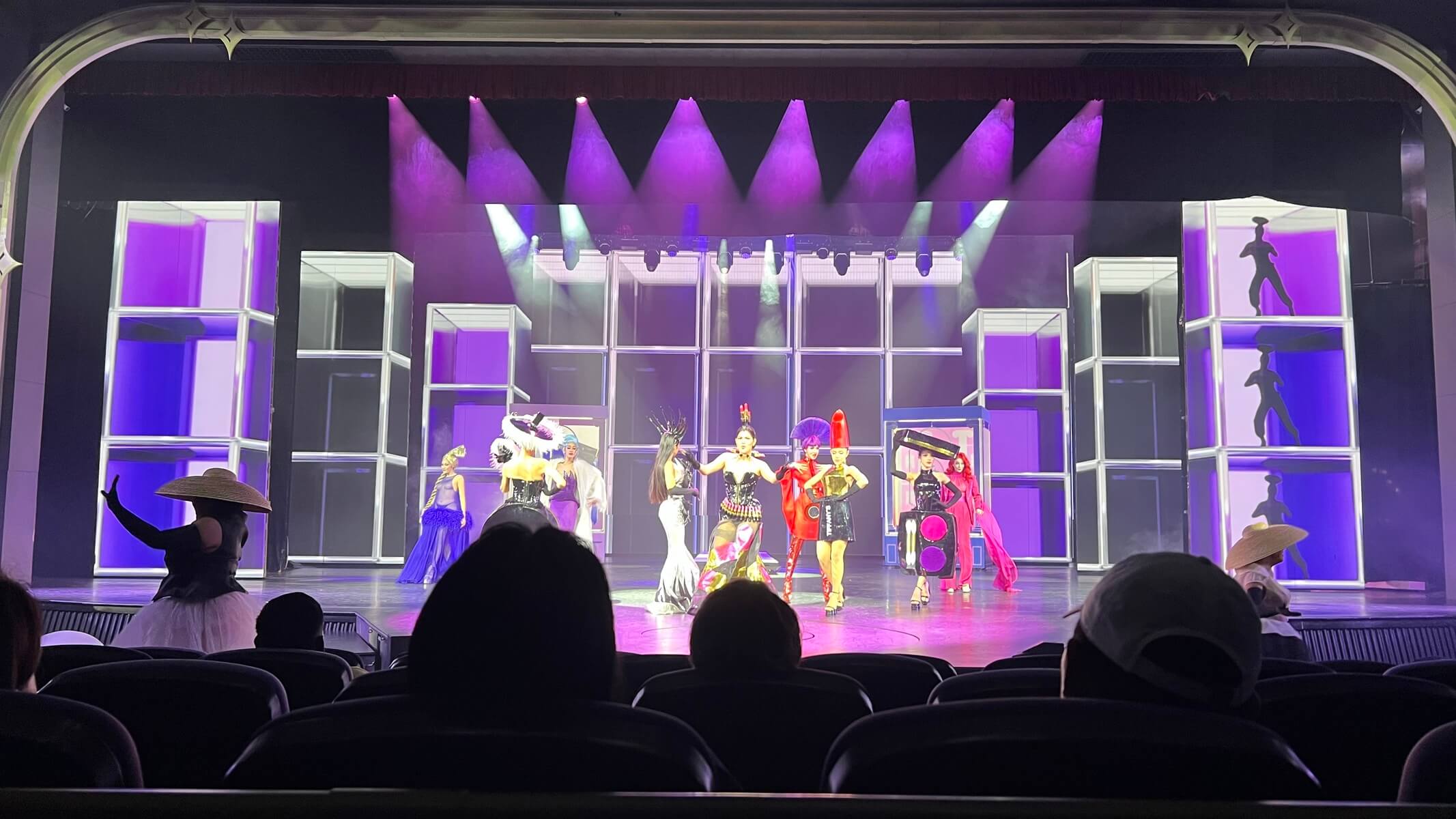
TIFFANY’S SHOW PATTAYA CELEBRATES 50 YEARS WITH MARTIN AUDIO UPGRADE SPATIALISED BY TIMAX

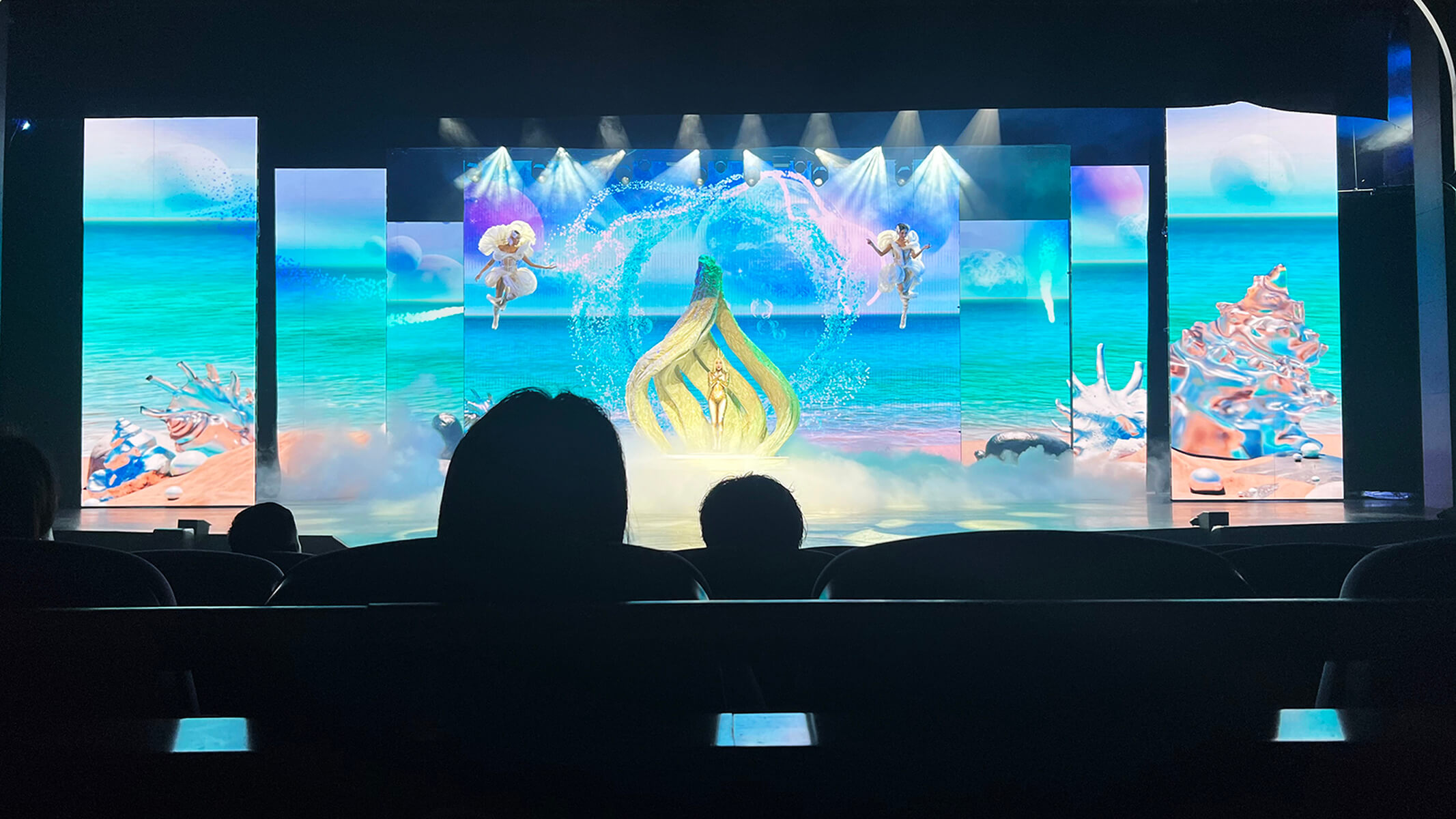
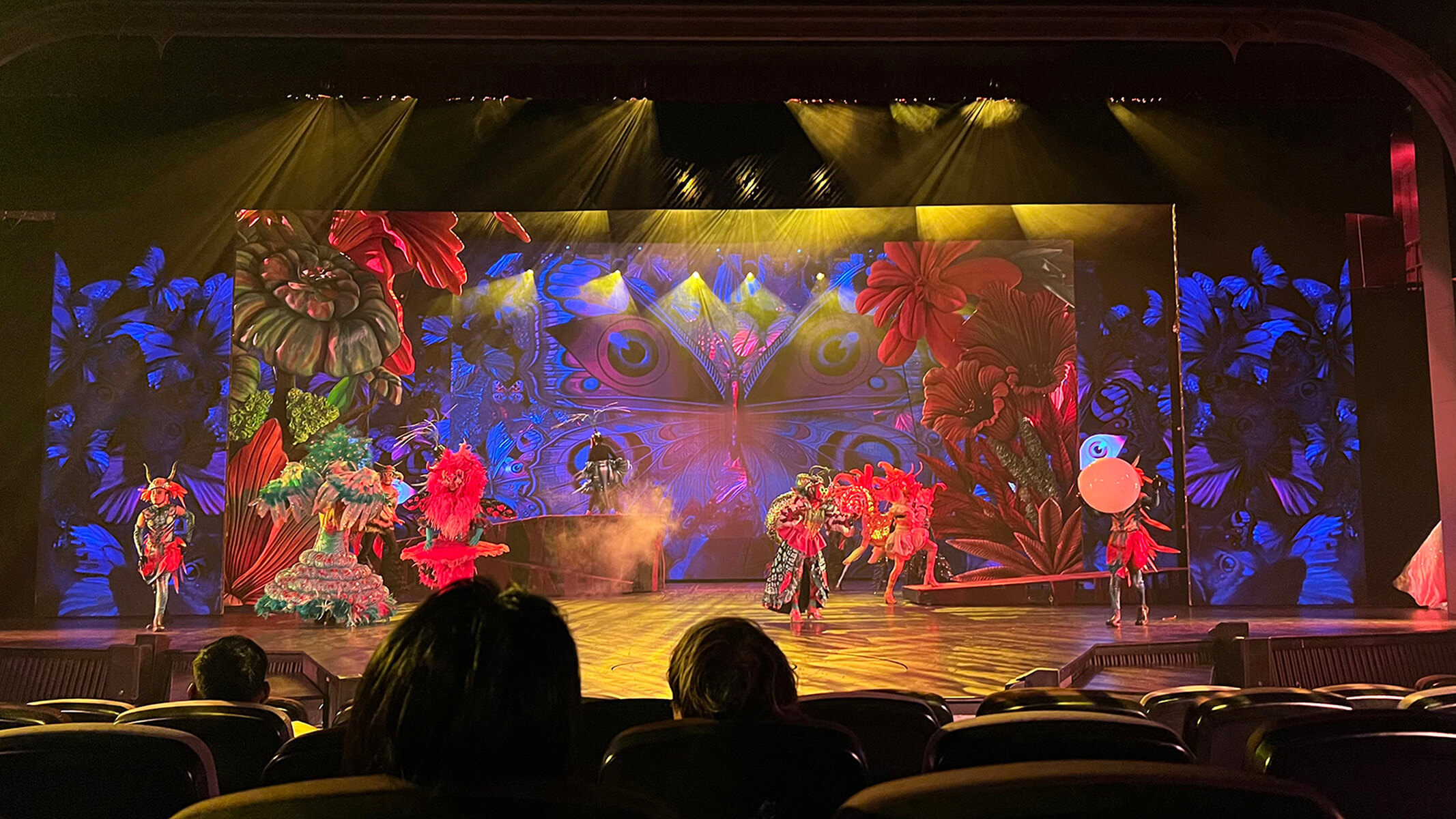
THA – Tiffany’s Show Pattaya, one of Thailand’s most iconic and longest-running stage productions, has marked its 50th anniversary with a major audio upgrade that brings cutting-edge immersive sound to its world-famous performances. The project was led by Bangkok-based production company Mr. Team, in collaboration with Martin Audio, TiMax, and regional partners Fuzion Far East and Generation AV.

For five decades, Tiffany’s Show has built an international reputation for spectacular choreography, dazzling costumes, and high production values. In recent years, the venue had already invested heavily in visual production with large-format LED screens, new video content, upgraded props. However, the sound system – centred around an aging traditional stereo PA – had not kept pace.

“The system had been running eight hours a day, every day, for almost a decade,” explains Pok Sutat Kohkiat of Mr. Team Productions Co. “It had done its job, but with the 50th anniversary coming, the owners knew it was time to upgrade. At first, the idea was just to replace the existing stereo system. But once we looked at the production, we realised there was an opportunity to do something much more ambitious.”

Over time, Tiffany’s had moved away from generic backing tracks to custom-composed multitrack music for each show. This gave Mr. Team the foundation they needed to propose an immersive solution built around TiMax and a new Martin Audio system.

“For their 50th anniversary, we encouraged them to do something truly special – especially since the video, LED, and lighting were already at a very high standard,” describes Pok. “The audio needed to be on the same level.”

TORUS IS PERFECT FOR THAT CURVATURE AND THROW.

Pok Sutat Kohkiat, Mr. Team Productions Co.

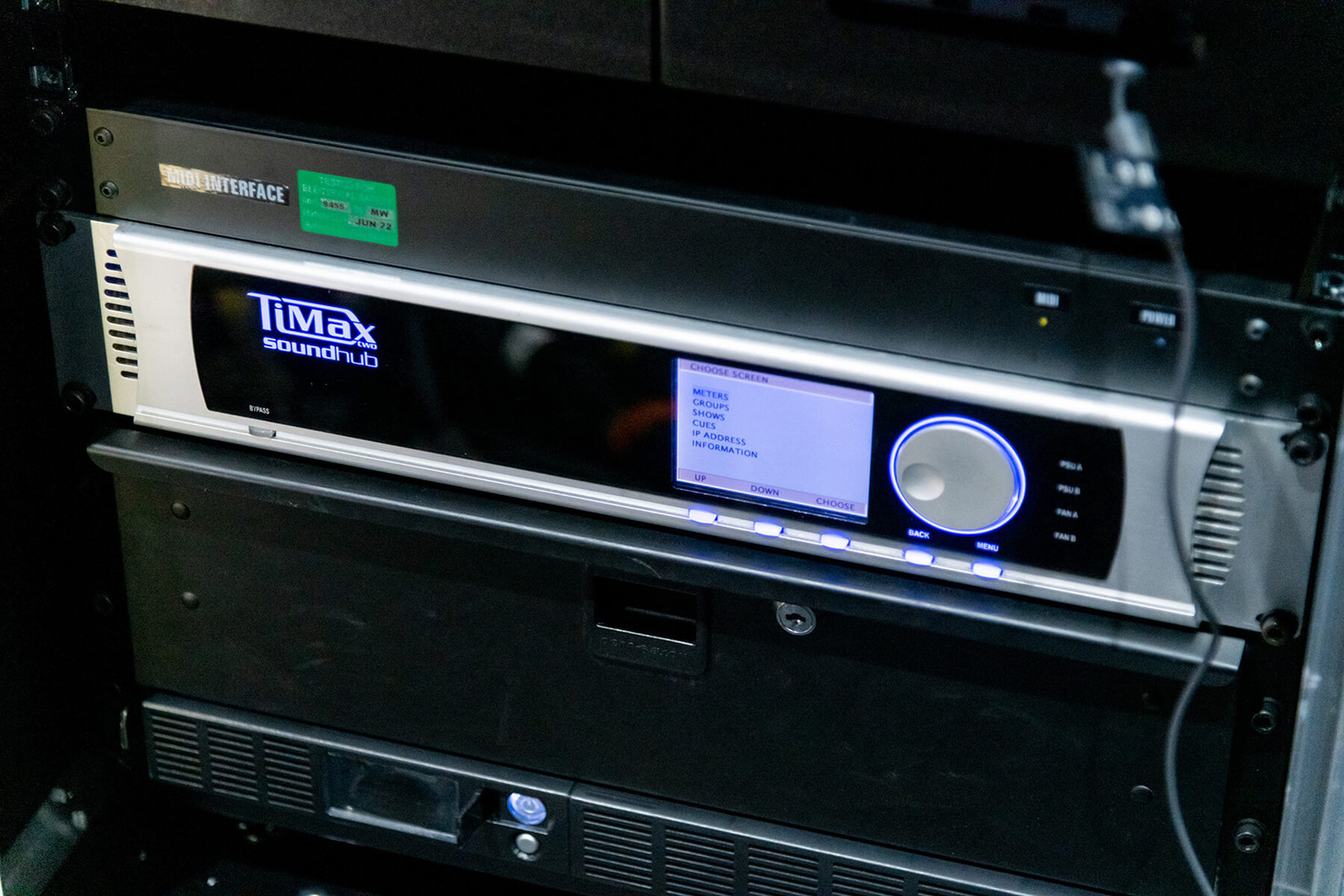
To demonstrate the potential, Mr. Team set-up an immersive demo in their studio. “We set up a 7.1.4 environment using TiMax SoundHubas the processor, and we prepared A/B comparisons between stereo and spatial mixes,” Pok recalls. “We wanted them to experience the difference in a controlled studio setting before talking about changing anything in the theatre.”

Once the Tiffany’s team heard the spatialised mix, the reaction was immediate: “They described it as a completely new experience.”

Working closely with Fuzion Far East and Generation AV – Martin Audio and TiMax’s regional partners – Mr. Team developed a full immersive design for the theatre.

The main PA now consists of a Martin Audio TORUS LCR system comprising T1215 and T1230elements, chosen to match the relatively shallow depth of the auditorium while delivering wide, even coverage.

“The distance from downstage to the last row is not that deep,” notes Pok. “TORUS is perfect for that curvature and throw. It’s very punchy and gives a strong, stable image across the room.”

The LCR system is supported by flown Martin Audio SX218 subwoofers in the centre behind the main cluster – a necessity in a theatre where floor space is dedicated entirely to choreography and scenic movement. Immersive coverage is delivered by Martin Audio ADORN A80 loudspeakers deployed as surrounds and delays, including coverage for the balcony and two VIP rooms, where ADORN A55 loudspeakers are used.

“The theatre isn’t huge, so we rely on the A80s around the room for the immersive field,” says Pok. “We needed a lot of loudspeakers because there’s a balcony and multiple seating tiers, and we had to respect sightlines and choreography. Everything is flown, with custom rigging points.”

The installation presented a significant logistical challenge. Tiffany’s Show runs every day with no dark nights, and the production could not be interrupted.

“We had nearly two weeks to run entirely new cabling and put loudspeakers in place, but the old system had to stay live during that period,” Pok explains. “We only had one night to do the final switchover from the old system to the new LCR and TiMax infrastructure. That meant removing and repositioning loudspeakers, re-patching amplifiers, and matching all the original routing and presets, as well as introducing the new immersive paths. For a production company, we’re used to that kind of intense overnight changeover, but it was still a big challenge.”

All show content is run from QLab, which provides timecode to the TiMax SoundHub and other systems. Mr. Team is also responsible for remixing selected show material into immersive formats at their studio, then scaling and fine-tuning object movement and imaging on site at Tiffany’s.

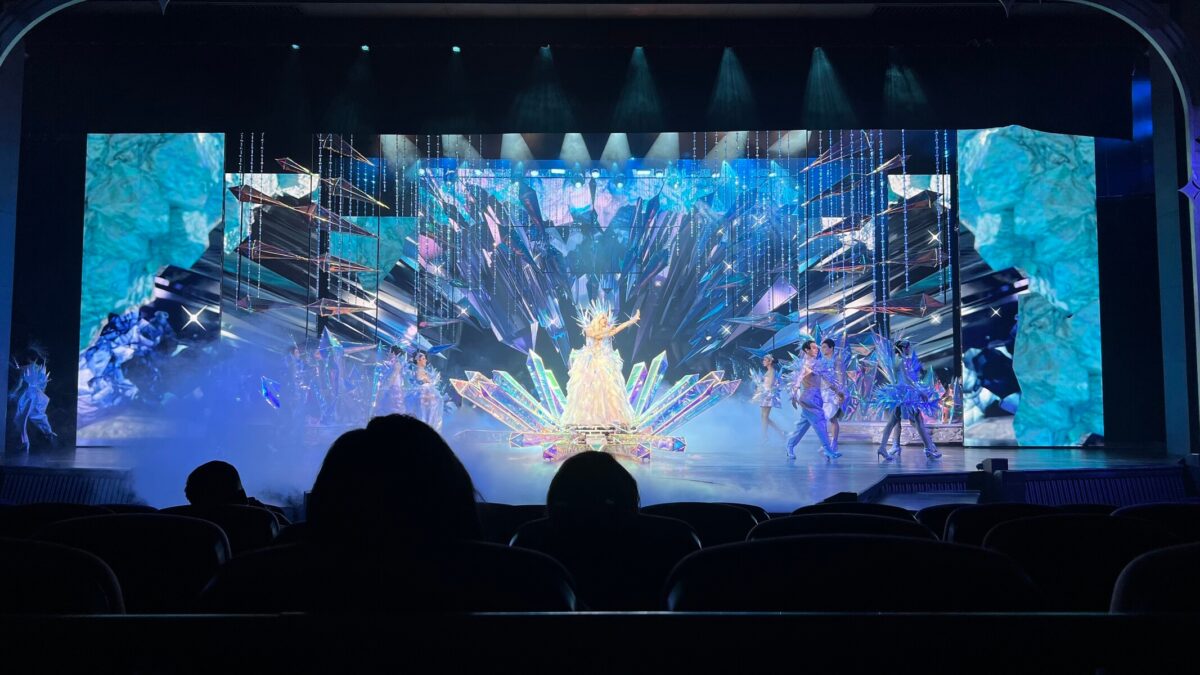
“The first spatialised and immersive show, Crystal, opened on 28 February,” says Pok. “The entire new system was in and working in time for that grand launch. The response has been very positive. The client loves it, the audience feels a much more enveloping experience, and for Tiffany’s this is a big statement at their 50-year milestone – especially as a flagship destination in the LGBTQ+ and tourist sectors.”

Photographer: Perry Graham

Thanks to

Distribution Partner: Fuzion Far East
Installation Partner: Mr. Team Productions Co.

Click here for original article.
Categories
Linea Research Martin Audio Optimal Audio TiMax

MARTIN AUDIO ANNOUNCES REVAMPED MARCH 2026 UK OPEN DAYS EXPERIENCE

UK – Martin Audio, alongside sister brands TiMax, Linea Research, and Optimal Audio, has announced an exciting evolution of its celebrated UK Open Days event, scheduled for 24–26 March 2026 at its High Wycombe headquarters.

Renowned for high-quality insights and networking, Martin Audio’s Open Days have become an essential date in the professional audio calendar. This year, the newly imagined event will go beyond traditional product showcases to creatively demonstrate how the group’s complete audio ecosystems provide exceptional and readily-deployable solutions for today’s real-world vertical market challenges.

THIS FRESH APPROACH TO OUR OPEN DAYS BUILDS UPON THE SUCCESS OF OUR ISE DEMO ROOM EXPERIENCE.

James King, Marketing Director

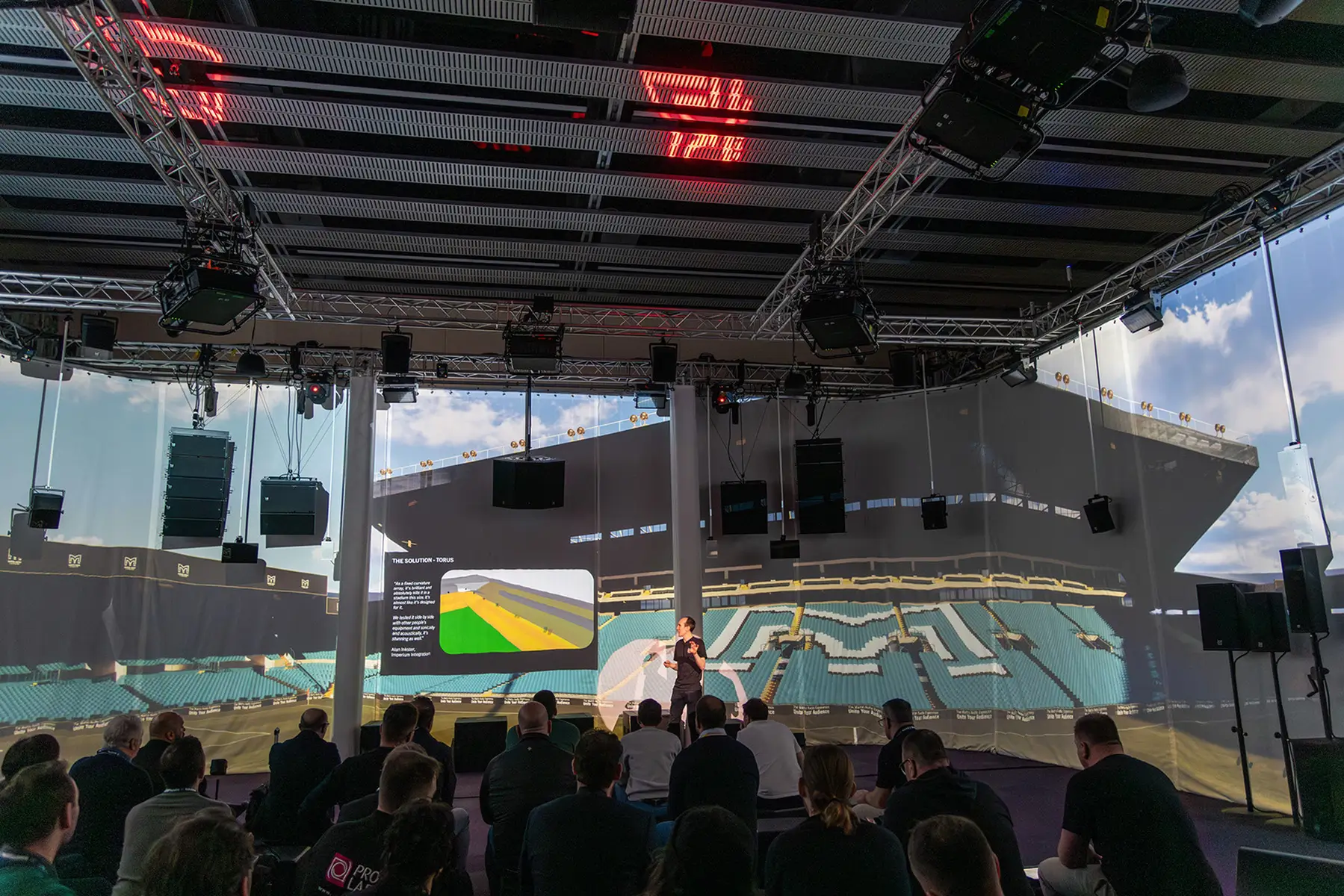
James King, Marketing Director, commented: “This fresh approach to our Open Days builds upon the success of our ISE demo room experience. By using projection mapping to create realistic environments, we will explore the challenges of modern sound design and show how our brands intersect to provide compelling solutions and a competitive edge for sound professionals.”

Ideally suited for AV installers, system integrators, consultants, and live sound specialists, the program will focus on application-specific system design, workflow, and practical deployment. The demonstrations will explore how loudspeaker systems, amplification, immersive processing, and system control software can combine to deliver outstanding results for audiences in permanent installations, touring productions, and temporary event spaces.

The Open Days run across three days with a consistent daily schedule, allowing attendees to choose a single-day program or drop in over multiple days.

The event takes place at Martin Audio’s company HQ, Century Point, Halifax Road, Cressex Business Park, High Wycombe, Bucks, HP12 3SL.Free parking is available on-site. Refreshments will be available throughout the event and guests will enjoy plenty of opportunities to meet the team.

Sign up here: https://www.eventbrite.co.uk/e/focusrite-group-audio-reproduction-open-days-march-2026-tickets-1981585261861?aff=oddtdtcreator

Photography: Jordan Moore

Thanks to

Installation Partner: Avenue Systems

Click here for original article.
Categories
TiMax

Dante and Timax Takes Center Stage In Georgia Theatre’s Spatial Audio Design For “The Wizard of Oz”

Members of the production team at work on “The Wizard of Oz” at the Byers Theatre in Sandy Springs, Georgia.

Design for production at 1,070-seat Byers Theatre in Sandy Springs relied on Dante-enabled TiMax SoundHub, TiMax TrackerD4 tracking, and a Dante network backbone to connect microphones, consoles, processors, and amplifiers.

A recent production of “The Wizard of Oz” by the City Springs Theatre Company at the 1,070-seat Byers Theatre in Sandy Springs, Georgia was supported by a spatial sound design relying on a Audinate Dante-enabled TiMax SoundHub, TiMax TrackerD4 tracking, and a Dante network backbone to connect microphones, consoles, processors, and amplifiers.

Anthony Narciso brings extensive professional experience to his work as a lead sound designer, including his work in theater as a member of United Scenic Artists, Local USA 829, IATSE union, and as a board member of the Theatrical Sound Designers and Composers Association. For “The Wizard of Oz,” he says he approached the production “as if we were doing a tour,” given the lack of permanent infrastructure, creating a fully deployable sound system that transformed the static venue into an immersive, story-driven soundscape.

“We deploy a spatial audio system and tracking for the spatial audio system that allows voices to be placed in time and space,” Narciso explains. The large cast, including a child ensemble, demanded precision and clarity across a complex mix of dialogue, music, and effects.

Producing “The Wizard of Oz” posed both artistic and logistical challenges. The load-in period was just over a week, half the normal time. “We normally have about 12 to 14 days to get up a show, and we have about a week to put this up,” Narciso notes.

From a creative standpoint, the show demanded sonic storytelling that could balance an orchestra, environmental effects, and vocal clarity. Narciso: “The biggest thing for me is providing clarity to cacophonous moments.” During the tornado sequence, for instance, “we have to be swallowed by this tornado… but we also have to hear the orchestrations clearly.”

The sound design hinged on a TiMax-based spatial audio system. The TiMax SoundHub processor and D4 tracking system create delay-based spatialization, placing each performer’s voice in its physical onstage location with accuracy. “Without Dante, this is not even a conversation,” Narciso says. “You need an individual channel for each speaker cabinet… Dante’s the way to go to do spatialized audio.”

The complete signal chain included:

  • Shure Axient wireless microphones feeding a DiGiCo console via Dante
  • Each microphone sent over Dante to TiMax SoundHub (up to 64 inputs and 38 outputs used)
  • DiGiCo Orange Boxes convert Dante to AES3 to feed 17 amplifiers driving 65 loudspeakers
  • QLab playback systems running Dante Virtual Soundcard for primary and backup operation
  • Wavetool monitoring software leveraging Dante splits for real-time RF and audio analysis
  • Clear-Com Arcadia intercom integrated with Dante for crew communication and spotlight monitoring
  • Wavetool routes through a Clear-Com Arcardia channel via Dante to key in on specific microphone issues while roaming
  • Backstage paging and lobby feeds are distributed across dedicated Dante channels

The Dante infrastructure also enabled virtual soundcheck capability — recording live inputs directly into a laptop and routing them back through the console for mix rehearsal. “If the cast isn’t in for 30 minutes, we can hit the button, play back the show audio, and the A1 can be mixing. It’s invaluable.

“It sounds better than some Broadway shows,” one lighting designer stated. Others noted that they “understood more of the words in your shows there than I do in a Broadway show generally.”

In the company’s earlier years, sound was the area that needed the most improvement. Amongst several other improvements, implementing the spatial system led to the audio receiving frequent compliments from longtime patrons as well as new audience members. This feedback highlighted the importance of spatially accurate sound placement, something Dante-enabled networks make seamless.

Narciso concludes, “The best thing I can tell you is Dante just works.”

Click here for original article.
Categories
Linea Research Martin Audio Optimal Audio TiMax

MARTIN AUDIO IS JOINED BY TIMAX, LINEA RESEARCH AND OPTIMAL AUDIO AT ISE WITH AMBITIOUS PLANS

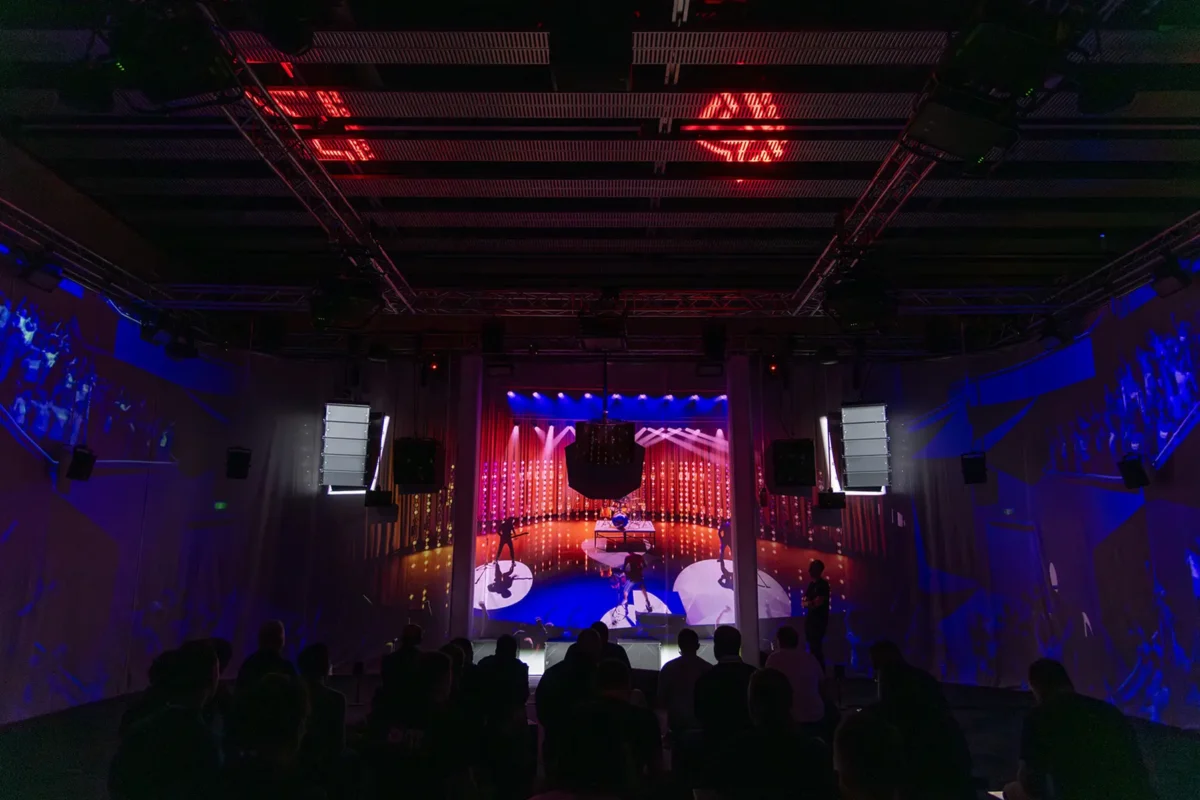
Martin Audio is set to deliver its most ambitious presence yet at Integrated Systems Europe (ISE) 2026, alongside sister brands TiMax, Linea Research and Optimal Audio. Located on an expanded stand 7A300 with an all-new immersive Demo Room in Hall 8, Room F6, this year’s showcase takes attendees on a journey through real-world audio challenges and the technologies that solve them.

At the heart of the Martin Audio stand is the recently released BlacklineQ Series, representing the latest evolution in everyday professional point source loudspeakers. Stand 7A300 also features other celebrated systems such as Wavefront Precision, TORUS, FlexPoint, ADORN and CDD Install Series. Complementing the product showcase, the annual FlexPoint Pitstop Challenge returns with daily prizes – a highlight for visitors and a lively way to engage with the brand’s engineering excellence.

A central focus of Martin Audio’s ISE presence is its richly curated immersive audio walkthrough – a first-of-its-kind Demo Room experience designed to demonstrate how cutting-edge audio technologies perform across applications ranging from hospitality to large-scale performance venues. TiMax advanced spatialisation tools, SoundHub & Tracker, are integrated throughout the walkthrough, illustrating how spatial control and immersive sound can elevate real applications.

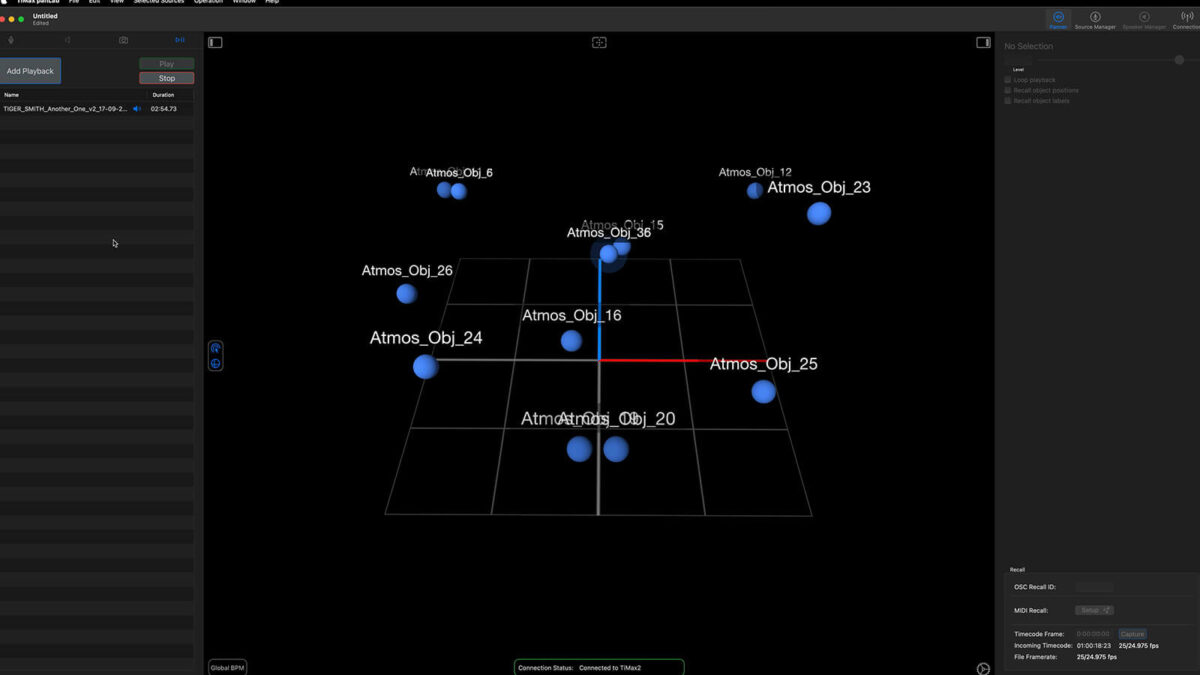
TiMax continues to transform how audiences experience spatial audio. With its immersive audio processing and show control capabilities embedded into the Demo Room experience, further demonstrations, including TiMax panLab, will feature on the stand.

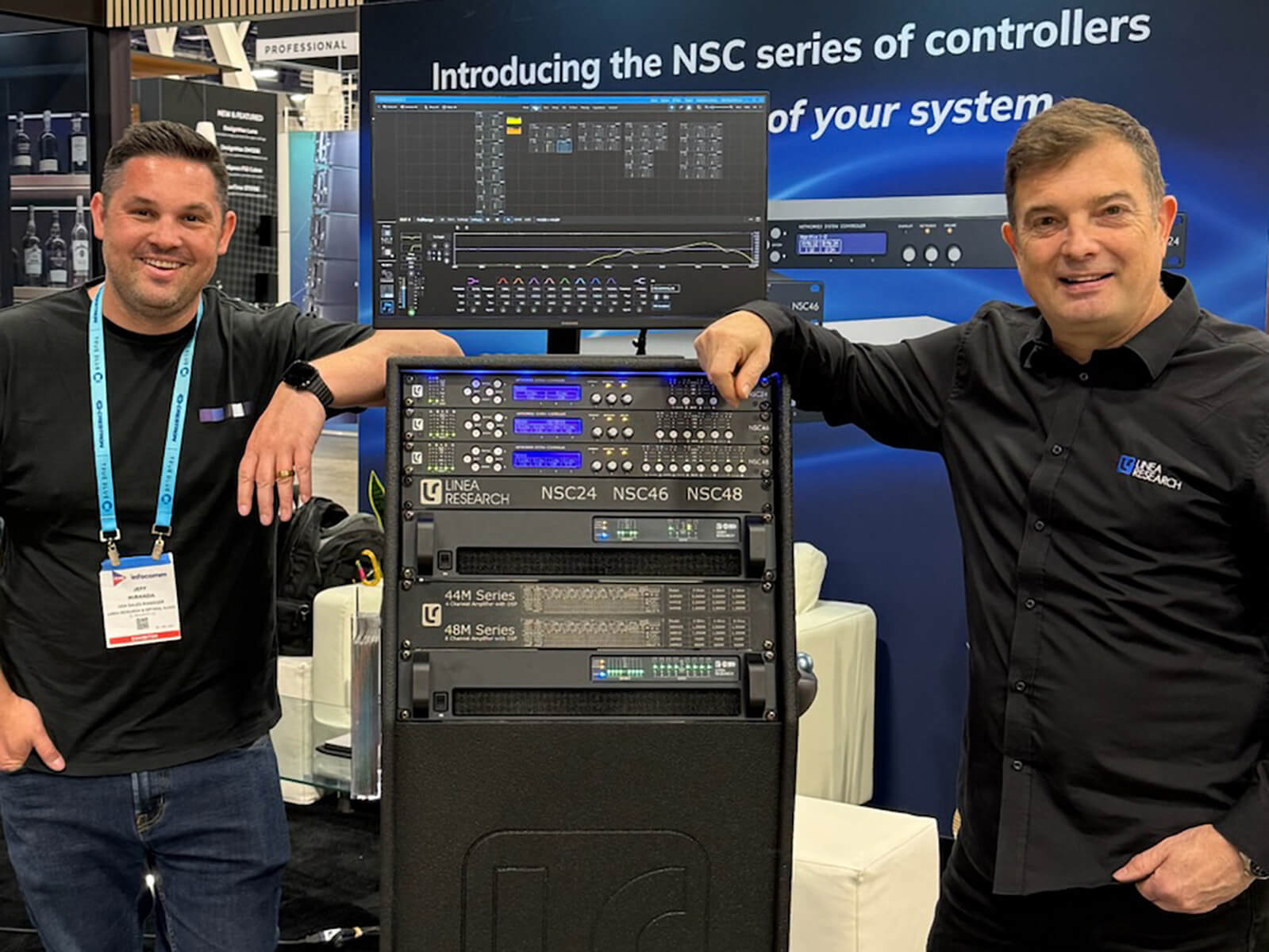
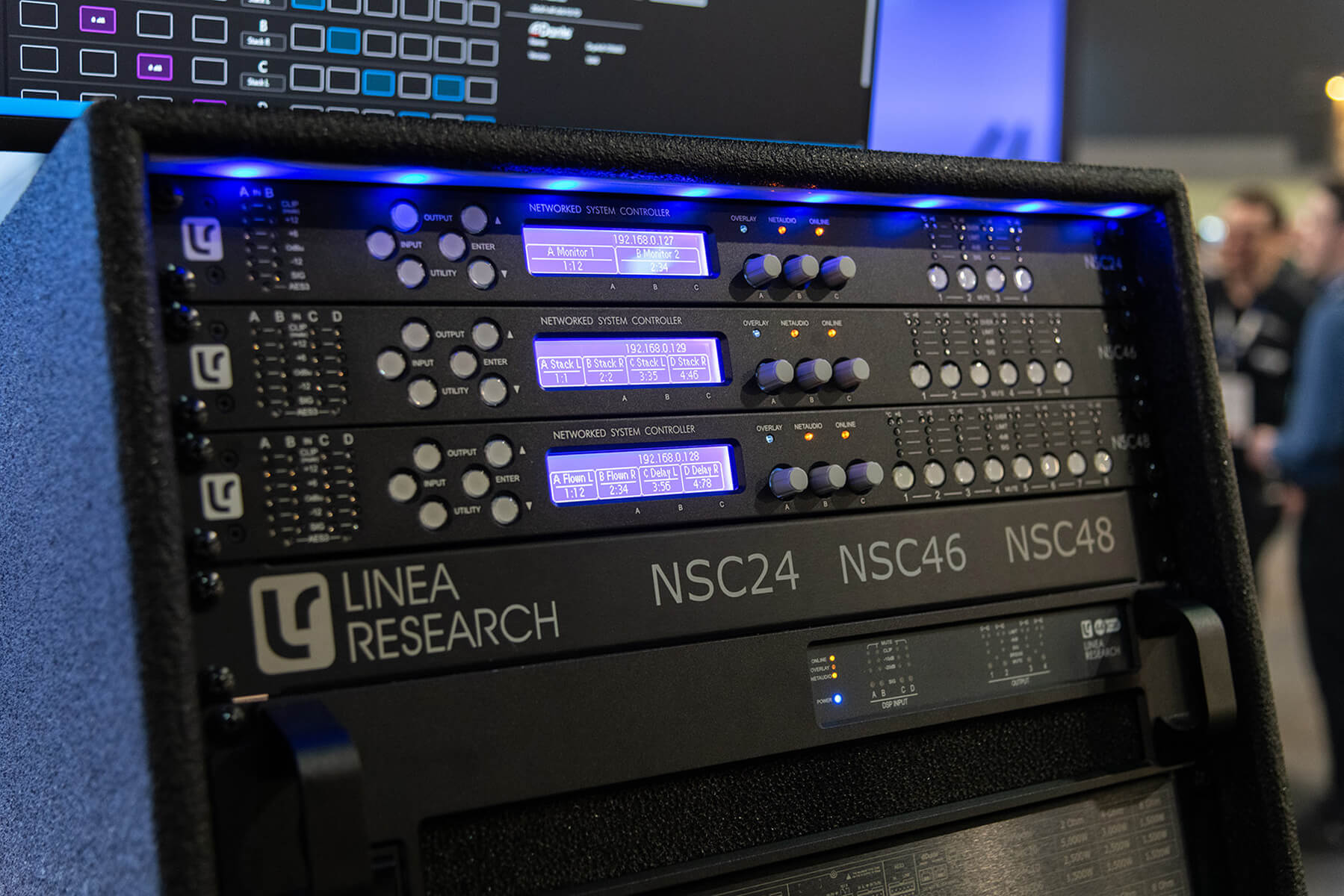
Linea Research spotlights significant expansions to its controller range, including enhanced System Engineer 8 features that give installers and system designers greater control, faster workflow and deeper configuration capabilities. Through hands-on demonstrations and expert tech consultations on Stand 7A300, Linea Research underscores its role as the heartbeat of system control and amplification, ensuring exceptional performance and operational reliability.

Optimal Audio invites attendees to explore “Commercial Audio Done Differently” through a fully realised Live Restaurant Environment on the stand – complete with reception, bar, dining area and outdoor terrace zones. Featuring award-winning zone controllers, digital paging systems and intuitive WebApp control, Optimal Audio demonstrates how simple, elegant system design can deliver premium sound quality and effortless control in everyday commercial venues.

Summing up, Marketing Director, James King says, “ISE 2026 marks a significant step forward in how these brands collaborate to present more than just products – but complete, integrated solutions that reflect the evolving demands of the pro-AV, installation and live-sound industries.”

Photographer: Perry Graham

Thanks to

Installation Partner: TruCru

Click here for original article.
Click here for original article.
Categories
Martin Audio TiMax

TRUCRU ADDS TIMAX SPARKLE TO ITS MARTIN AUDIO AUDIOSCAPE AT EDEN PROJECT’S CHRISTMAS LIGHT EXPERIENCE

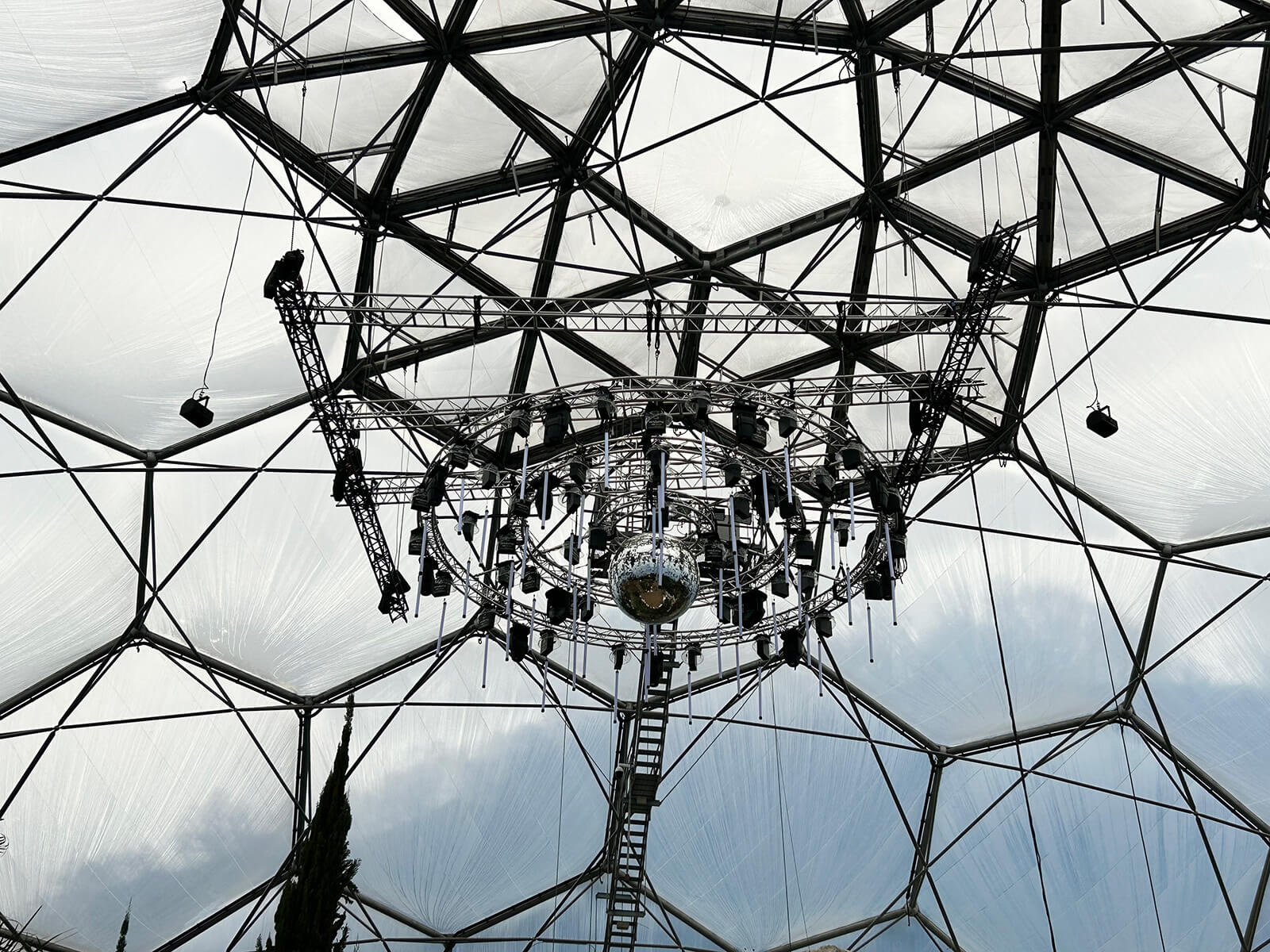
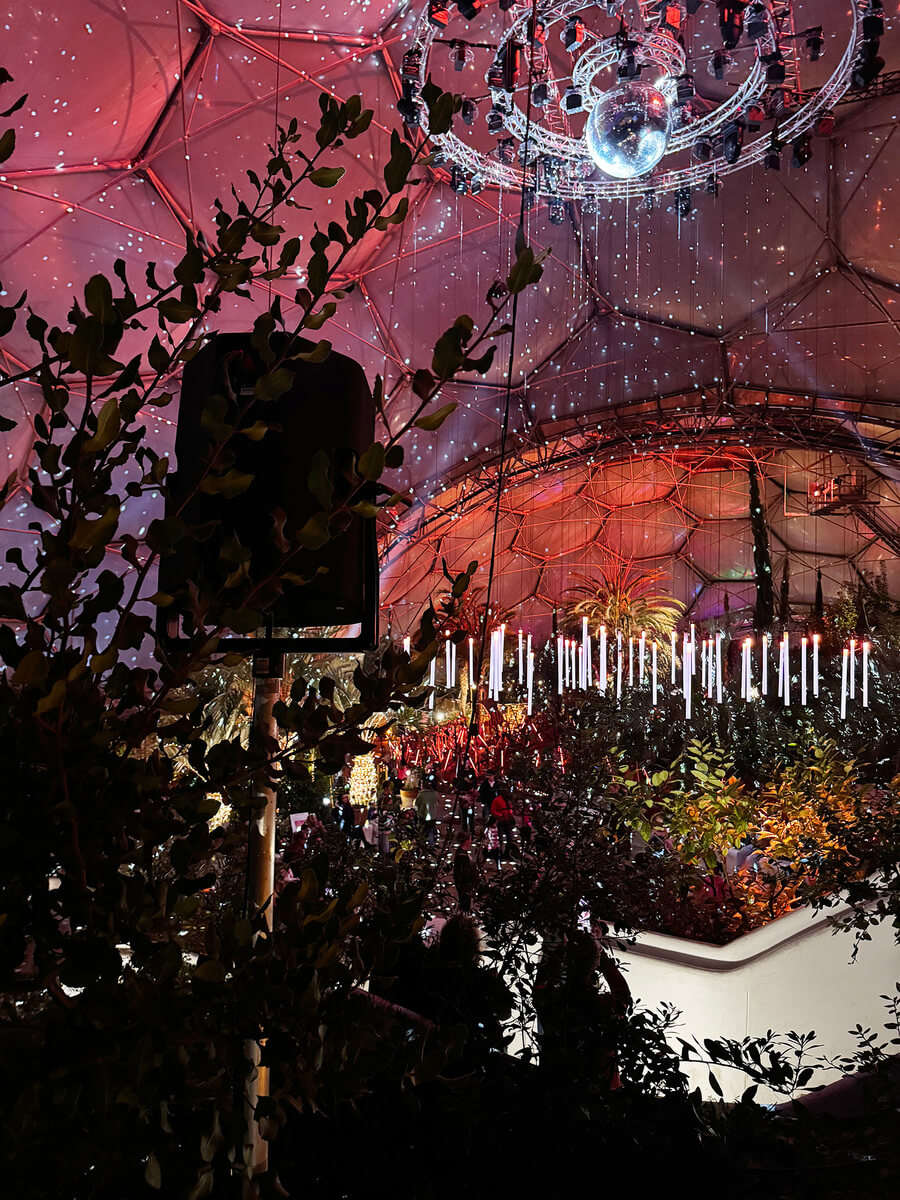
UK – Supplying a cinematic stereo soundtrack using Martin Audio loudspeakers throughout the Rainforest biome for four consecutive seasons at Cornwall’s Eden Project Christmas Light Experience, Redruth-based TruCru added extra sparkle this year with the simple addition of TiMax panLab.

For this year’s event, which transforms the world-famous biomes of the attraction into a vivid illuminated canvas, TruCru delivered an elevated and more engaging audience experience in the Mediterranean biome’s Citrus Grove – home to the event’s showcase feature – lifting the experience with a unique and magical spatialised audioscape.

The update in scope was triggered by attendance at the Focusrite Group’s Audio Reproduction Open Days, by Tru Cru as a Martin Audio rental partner.

IT’S MADE IMMERSIVE SOUND ACHIEVABLE WHERE BUDGETS SIMPLY DIDN’T ALLOW IT BEFORE.

Toby Bodman, TruCru Project Manager

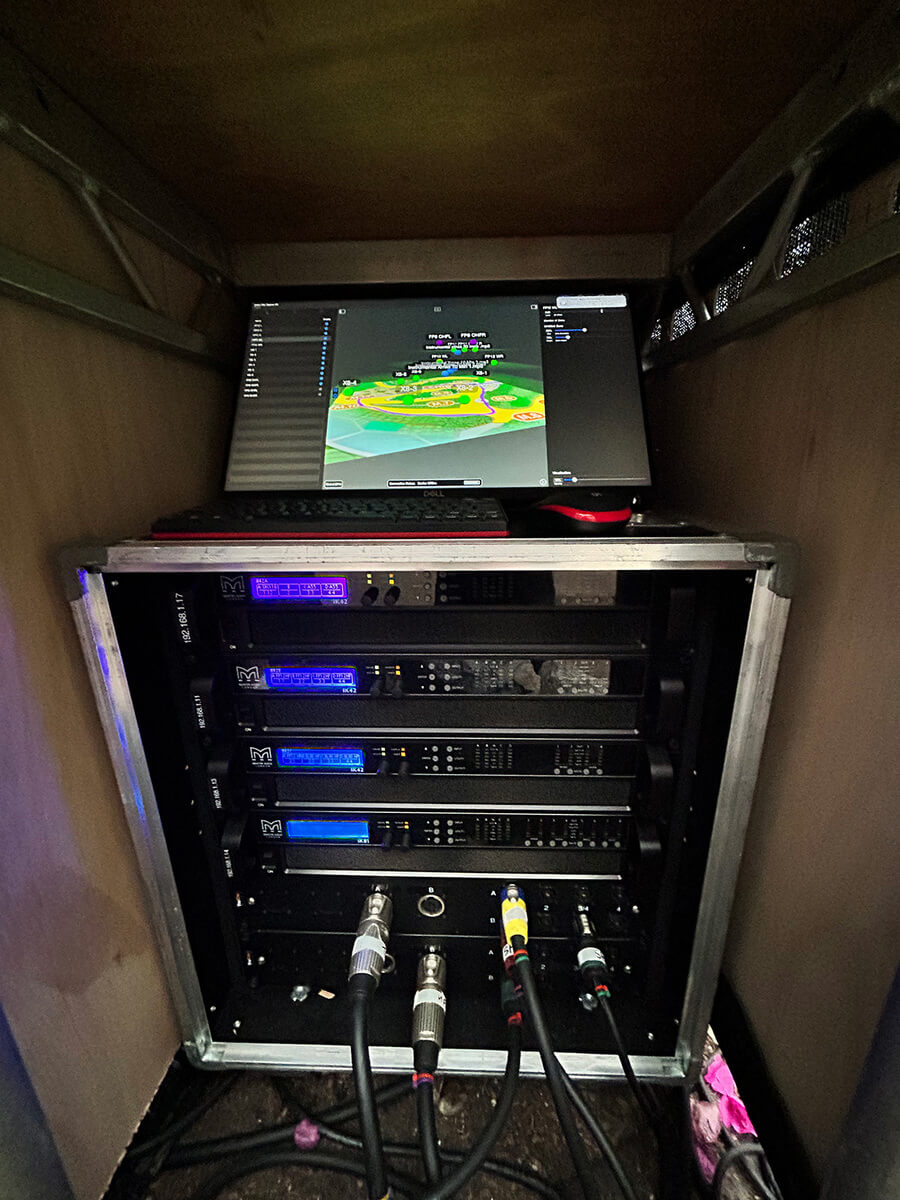
TruCru project manager, Toby Bodman, explained, “I’d always imagined a spatial element for the Citrus show, but the cost and scale of traditional immersive processors made it unachievable. Hearing TiMax panLab in action changed everything. Suddenly, an immersive system was not only creatively compelling but entirely viable within Eden’s budget.”

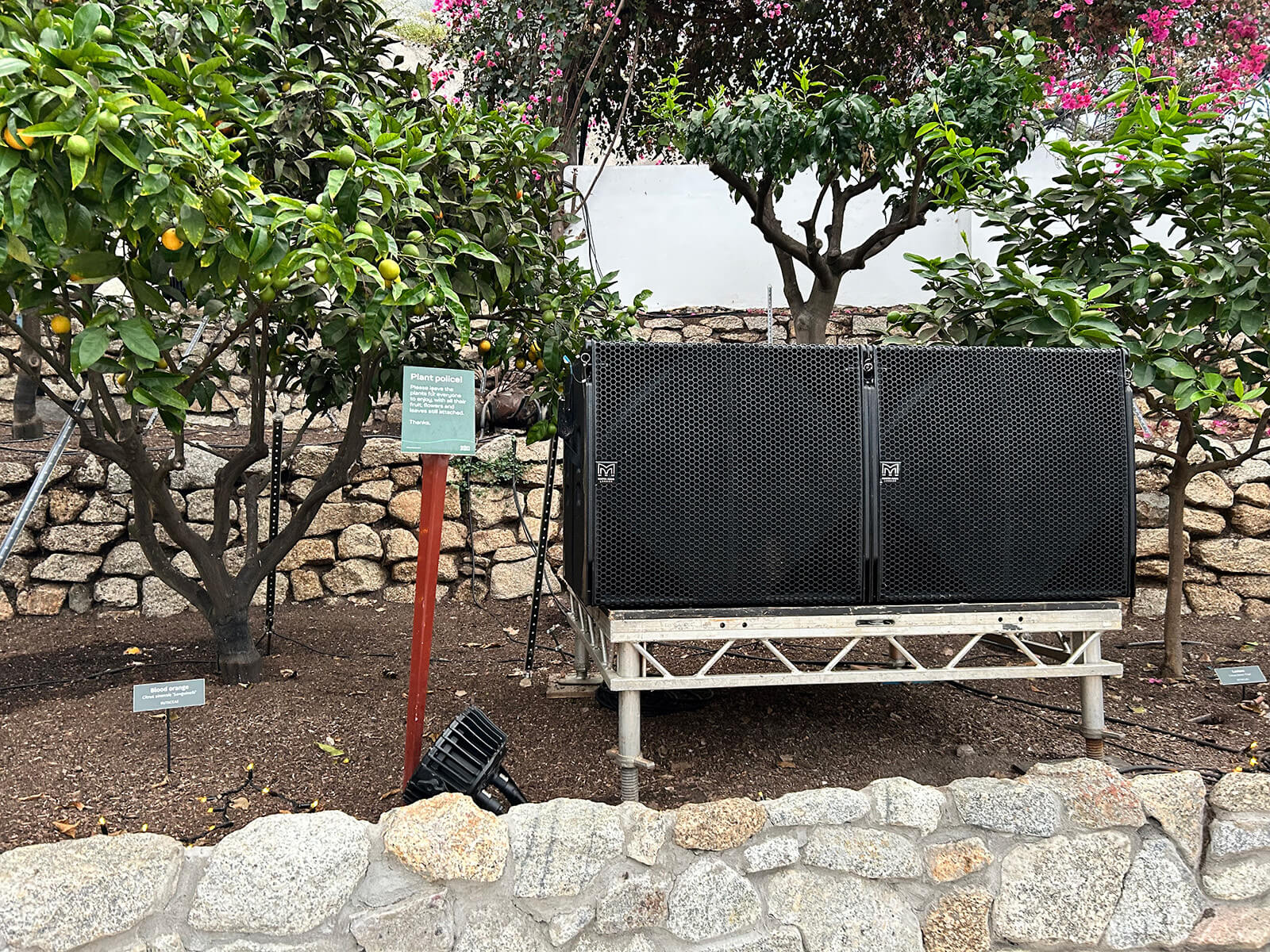
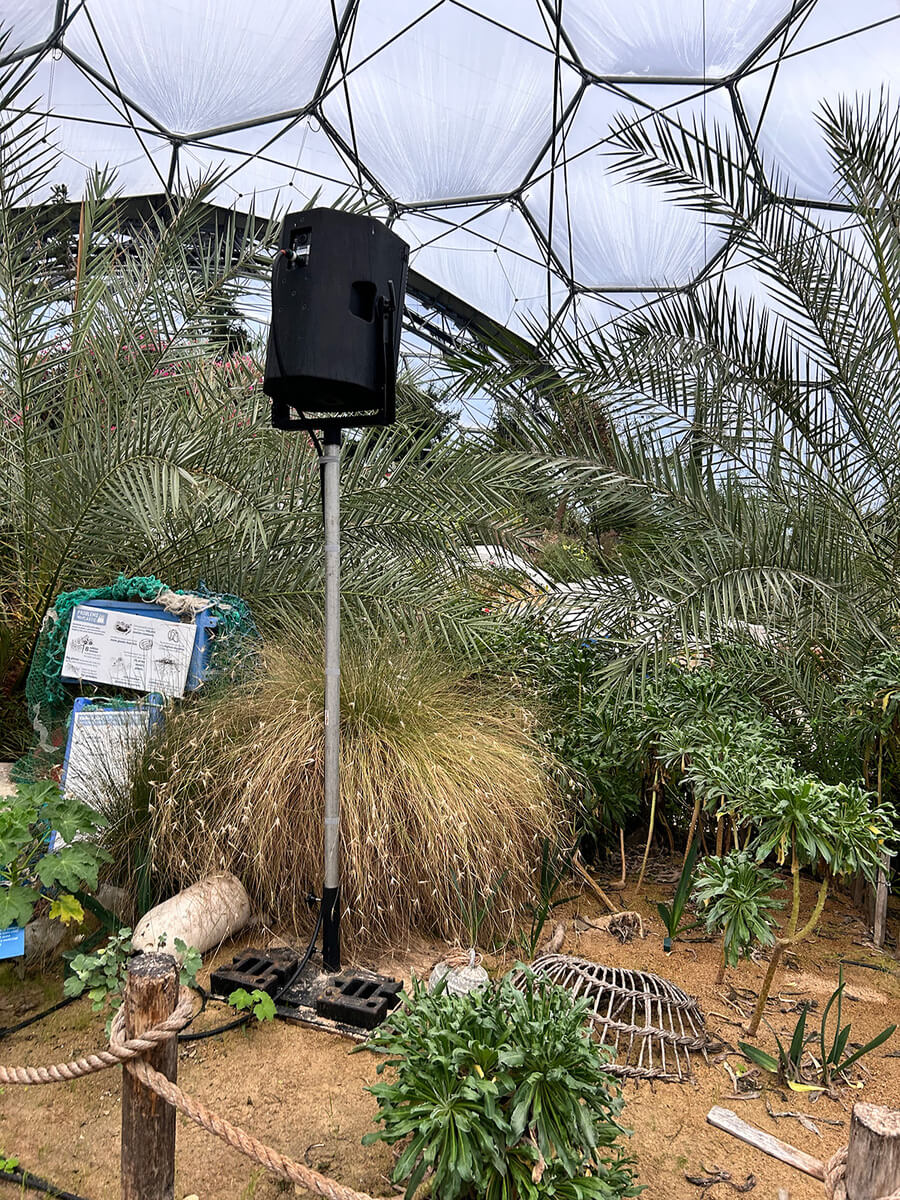
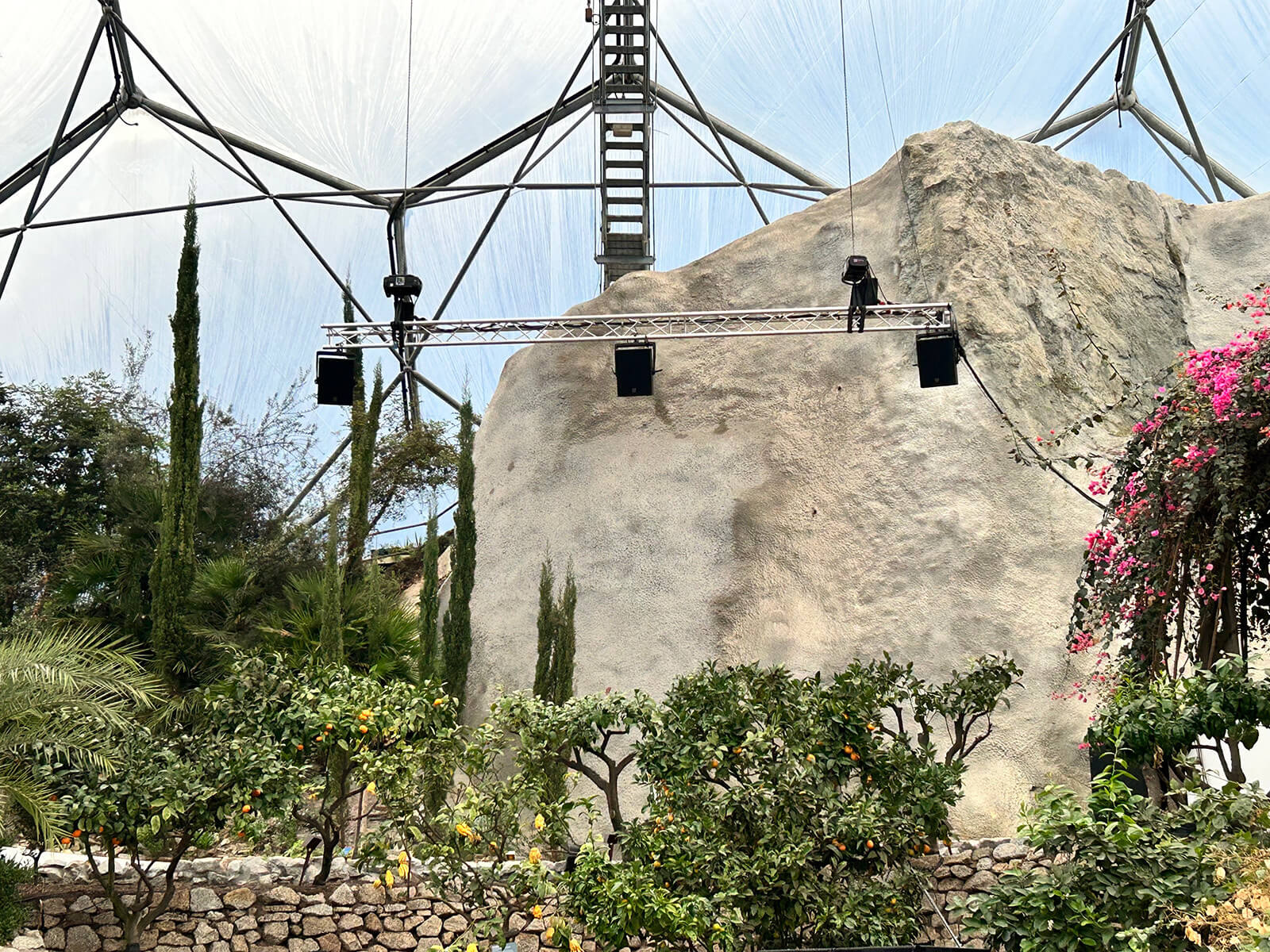
With the idea pitched successfully to the Eden Project, TruCru worked with the TiMax team to redesign the available rental inventory for a spatial delivery. The loudspeaker layout combined multiple layers of Martin Audio FlexPoint loudspeakers – FP12s flown at height, with more FP12’s positioned wide-left and right, concealed within planting, with further speakers positioned around the audience zone. Additional FP8 ceiling points were integrated where biome load limits allowed, ensuring vertical energy and a sense of expansiveness across the space.

The results exceeded expectations and Bodman notes, “The presence and width from just two overhead points was impressive. TiMax panLab helped us maximise the effectiveness of every position. The elevation layers gave us a genuinely spacious, enveloping image.”

With Eden already expressing interest in returning to the format next year, the success of the project has positioned spatial audio as a new and useful creative tool for future programmes. Bodman expands, “It’s made immersive sound achievable where budgets simply didn’t allow it before.”

As TruCru’s first experience delivering a spatial environment, the success of the event hinged upon the simplicity of the system. “TiMax told us it could be programmed in minutes, and I can honestly say that’s true,” Bodman confirmed. “TiMax panLab’s interface is incredibly intuitive. It just made sense. Dropping sources into position was simple, and the whole deployment was far easier than we expected.”

For this year’s show pre-mixed 7.1.4 stems provided by the content creator were used to keep things simple. Going forward, however, the team is already planning to expand automation and movement directly from TiMax panLab.

As plans for next winter’s edition begin, TiMax PanLab is set to remain a key creative tool for audio at the Eden Project, with plans to elevate their audience experience without escalating complexity.

Photographer: Perry Graham

Thanks to

Installation Partner: TruCru

Click here for original article.

Categories
TiMax

TIMAX X SONOSPHERE STUDIOS AT TILEYARD ANNOUNCES DOLBY ATMOS COMMISSIONED MARTIN AUDIO FLEXPOINT SYSTEM ENABLING STUDIO TO VENUE SCALABILITY

UK – TiMax x Sonosphere has announced that its flagship studio at London’s Tileyard has been commissioned by Dolby engineer Richard Addis and is now officially listed on the Dolby Atmos Professional global directory. The room represents a paradigm shift in immersive audio production, becoming the second Martin Audio FlexPoint-based Dolby Atmos studio in the world, and the first in Europe.

Unlike traditional Dolby Atmos studios that rely on conventional studio monitors, the TiMax x Sonosphere facility breaks new ground by utilising world-class Martin Audio FlexPoint PA loudspeakers in a 9.1.6 configuration. This approach bridges the longstanding divide between studio production and live event deployment, enabling creators to work in an environment that accurately represents how their content will sound in real-world immersive spaces.

“The decision to use professional PA speakers rather than traditional monitors is fundamental to our vision,” explains Phil Wright, Sound Designer, Mix Engineer and Technical Director at Sonosphere. “We’re not just creating content for playback in other studios; we’re producing work that needs to scale from intimate listening rooms to major live venues. This room allows us to hear exactly what audiences will experience and make creative decisions accordingly.”

At the heart of the studio’s unique capability is its ability to play Audio Definition Model (ADM) files, the standard format for Dolby Atmos content, and leverage TiMax’s third party OSC integration to seamlessly upscale them for deployment through large-scale live sound systems. This ‘studio to stadium’ workflow represents a world-first capability in the UK market, and potentially globally.

THIS ISN’T JUST ANOTHER STUDIO, IT’S A RESOURCE FOR THE ENTIRE INDUSTRY.

Duncan Bell, Commercial Director, Sonosphere

“The Sonosphere vision has always been to take ‘small to big’, and to create a workflow where content produced in the studio can be directly scaled for arenas, festivals, and immersive installations without compromise,” says Duncan Bell, Commercial Director at Sonosphere. “As only the second Martin Audio-based Atmos studio in the world, we can now deliver and scale Atmos content produced in our studio to the myriad spaces our projects and clients demand. This isn’t just about mixing in Atmos, it’s about creating content that comes alive in any environment.”

The state-of-the-art facility comprises far more than a Dolby Atmos mixing room. At full capacity, it offers a 26.4.6 TiMax mixing environment featuring TiMax SoundHub 2 and its powerful spatial audio and show control capabilities. The TiMax Tracker D4 system, with eight sensors, provides real-time object tracking and automation, while TiMax panLab offers intuitive spatial control for rapid creative workflows.

The studio’s equipment roster showcases the best of Focusrite Group’s sister brands, with amplification delivered via Linea Research 88C06 amplifiers loaded with FlexPoint presets, ensuring optimal performance and reliability.

The use of TiMax as the spatial audio processor underpins the collaboration’s commitment to flexibility and creative control. Unlike other spatial processors, TiMax SoundHub 2 excels in its ability to handle complex object-based audio, integrate show control, and most critically, provide a bridge between studio creation and live deployment. Its track record in theatre, music venues, and installation work worldwide makes it uniquely qualified to deliver on the ‘small to big’ promise.

The partnership between TiMax and Sonosphere brings together complementary expertise. TiMax provides decades of experience in spatial audio processing, show control, and tracking technology, while Sonosphere contributes specialist knowledge in immersive content creation for music, broadcast, and live events.

“Together, the two companies provide a flexible, multi-purpose immersive audio London hub to demonstrate, educate, promote and deliver immersive audio systems, workflow and content,” explains Bell. “This isn’t just another studio, it’s a resource for the entire industry. We’re hosting workshops, demonstrations, panel discussions, and training sessions to share what we’ve learned and push the boundaries of what’s possible in spatial audio.”

The studio offers accredited training programmes, demonstration opportunities, and a space for networking, hospitality, and showcases. It’s designed to be a thriving hub where the immersive audio community can connect, collaborate, and innovate.

The room was specified and implemented by Sonosphere’s Phil Wright in strict accordance with Dolby DARDT guidelines. With calibration by Dolby engineer Richard Addis complete, the facility meets the exacting standards required for professional Dolby Atmos production, ensuring that mixes created in the space will translate accurately wherever they’re delivered.

Photos by Steven Woodburn.

Thanks to

Installation Partner: Sonosphere

Click here for original article.
Categories
Martin Audio TiMax

TIMAX AND MARTIN AUDIO BREAK NEW GROUND WITH ORCHESTRAL SPATIAL IMAGING ON A STEREO FESTIVAL PA

UK – In a live spatial audio first, a performance of the Royal Philharmonic Concert Orchestra was authentically spatialised using an object-based TiMax mix across a Martin Audio left/right main system, typical of a conventional festival PA setup. Such was the impressive feat, the concert has now been shortlisted in the UKFestivalAwards 2025.

The landmark moment took place at London’s BST Hyde Park Festival (BST), where Solotech UK supplied the Martin Audio optimised line array system. Sound designer and FOH mix engineer, Sonosphere’s Phil Wright, realised the sonic feat by replacing the usual console matrix mixer function with a TiMax SoundHub delay-matrix spatial processor. Working within the constraints of a typical stereo hang system – plus standard front-fills and delays – Wright redefined the possibilities of spatial audio in a live outdoor setting.

“Usually, only a small percentage of the audience falls within the stereo corridor at any gig,” Wright explained. “We wanted to expand that experience – not artificially with more hangs – but with the powerful capabilities of TiMax across a standard festival PA.”

TiMax product and software manager, Dan Higgott, created a spatial rendering of the stage layout in the studio using TiMax, which was transferred to the TiMax SoundHub at BST’s FOH via the new TiMax Scaling Surfaces feature, and scaled up to replicate the actual stage.

WE KNEW TIMAX WOULD PRODUCE THIS LEVEL OF CLARITY AND REALISM.

Dan Higgott, TiMax Product and Software Manager

TiMax received each orchestral microphone or microphone group separately as its own object, and directly fed the various main, fill, sub and delay sections of the PA from its matrix outputs. Allowing each input object to be positioned with both time and level-based control, TiMax recreated a highly accurate sonic map of the performance not just at the mix position, but across a much wider audience area.

“There was very little in the way of level-based panning in the mains,” noted Wright. “But by working with delay-based spatial cues, the imaging remained clear and authentic – even from well outside the usual sweet spot. It was more than we’d hoped for.”

One standout feature of the setup was the imaging of the chorus. With over 100 inputs, grouped where necessary but mostly preserved as individual sources, TiMax enabled the kind of spatial separation and clarity not usually achievable in stereo festival mixes. “The PA just disappeared,” Wright added. “We had full depth, full width – and the choir sat exactly where it should, without smearing or spill.”

The spatialised setup also brought unexpected precision to the mixing process. “You lose the masking that stereo introduces,” Wright explained. “It’s like going from standard definition to high-def – suddenly, every detail matters. Even between three flutes, I had to EQ each separately to reflect their different tonal characteristics.”

Instead of collapsing into mono or skewing to one side, even extreme placements, such as a drum kit far stage-right, maintained integrity within the spatial soundstage. According to Wright, “Once we’d heard it in place, anything we’d done to ‘cheat’ the placement stood out. So, we put everything back where it actually was and it just worked.”

Dan Higgott affirmed, “We knew TiMax would produce this level of clarity and realism. The event proves that true orchestral spatialisation can be brought to festival settings without requiring specialised multi-hang or surround systems – and without compromising fidelity.

“It’s not about gimmicks,” said Wright. “It’s about hearing a full orchestra as it really exists on stage. And now, we can do that even on a left/right PA.”

Thanks to

Distributor: Martin Audio
Rental Partner: Solotech UK

Click here for original article.
Categories
TiMax

TiMax OSC Overhaul Precipitates Bespoke Integrations

The user interface of the new Scaling Surfaces tool for TiMax SoundHub.

Spatial Audio pioneer, TiMax, has announced an overhaul of its OSC implementation, including a bidirectional dictionary as well as support for the ADM-OSC standard, all wrapped into the latest software release for SoundHub, version 6.11. The integration will showcase at PLASA Show (7-9 September, 2025 – Olympia, London) on stand J5, as well as the TiMax Open Days. 

With the release, TiMax SoundHub now supports a range of OSC dictionaries, enabling out-of-the-box compatibility with many third-party control solutions such as QLab, Space Controller and Nuendo. A new TiMax SoundHub dictionary has enabled advanced, bespoke integrations with SSL consoles, Atlas show control, and Grapes 3D Audio Control, as well as an enhancement of the integration between TiMax SoundHub and TiMax panLab’s version 1.3, released simultaneously. 

Solid State Logic has integrated OSC support for TiMax SoundHub with its latest software updates for the System T and SSL Live console platforms.  

Berny Carpenter, Product Manager for SSL explained, “Tightly integrating with TiMax SoundHub not only allows key X, Y and Z positional information for SoundHub sources to be displayed and controlled from an SSL console. Individual path parameters and unique SoundHub functions can also be controlled from the familiar SSL user interface. Providing this high level of integration means that users can easily configure, view and manage their system, wherever they are located.”  

Atlas Show Control’s software platform for programming, synchronising and automating complex live events, offers precise real-time control over audio, video, lighting, and tracking systems, and so is a natural choice for interoperability with TiMax SoundHub.  

Sound designer, Gareth Fry, is a user of both systems. He said, “The communication between Atlas and TiMax makes setting up both programs really fast. Atlas allows us to program in a consistent and familiar environment across multiple shows regardless of which spatialisation engine we are using.” 

Meanwhile, integration with the Grapes 3D Audio Control plug-in enables effortless integration with any DAW-based creative workflow. Felix Deufel commented, “Testing Grapes 3D with TiMax SoundHub in the new TiMax Studio in Tileyard, London was a real highlight. The seamless integration saved setup time and let me focus on creativity – these powerful tools can maximise both efficiency and artistic potential. With the next Grapes 3D update adding direct TiMax preset integration, the workflow will be even faster and more effortless.”  

Aligned integration between TiMax and third parties was dependent on mutual recognition of referenced coordinates. While TiMax SoundHub defined object positions using real-world coordinates – measured either in metres or feet – some third-party controllers used ‘normalised’ coordinates, typically ranging from -1 to 1. Utilising the recently launched Scaling Surfaces feature, TiMax SoundHub software bridges any divide for users by easily converting normalised coordinates to the absolute coordinate space. 

TiMax SoundHub is famed for its accessibility and flexibility, and it was important to extend the same ethos to integrations with third-party control solutions. For this reason, in addition to supporting a range of OSC dictionaries, incoming OSC messages can be manually mapped to TiMax SoundHub commands. 

Summing up, Dan Higgott, Product and Software Manager, confirmed, “With my personal experience of working in spatial-led shows it was clear that effortless integration into the creative workflow is critical for the ongoing success of TiMax SoundHub. We’re thrilled to have SSL, Atlas, and Grapes 3D support this roll out, and we’re keen to work across the space with other parties. I’m delighted with the progress that the TiMax software team have made in the last six months, and this latest development is another building block to making TiMax SoundHub the most comprehensive, accessible and flexible spatial audio solution on the market.” 

Click here for original article.
Categories
TiMax

TiMax Launches New Scaling Surfaces For SoundHub

The user interface of the new Scaling Surfaces tool for TiMax SoundHub.

New tool designed to allow users to re-scale a spatial show file from a studio playback environment to an auditorium with two mouse clicks.

TiMax has announced the expansion of the capabilities of its SoundHub platform with a new tool named Scaling Surfaces, designed to allow users to re-scale a spatial show file from a studio playback environment to an auditorium with two mouse clicks.

Users can re-scale their show for a new venue by changing the Scaling Surface size, shape, and height, and they can do this at any time. When an object is attached to a Scaling Surface, and that surface is moved, all spatial positioning and movement automation for that object, across the entire show file, moves with it.
Users can also distribute content without knowing the absolute scale of the playback environment or system, enhancing flexibility. They can also utilize more than one Scaling Surface in a file – for example, to cover a “stage” and “auditorium” area, where the two Scaling Surfaces needed to be resized separately.

Integrated into the PanSpace window, between Image Definition and Spatialisation workflow elements, Scaling Surfaces is designed to provide time savings within the audio rendering workflow. It offers a familiar interface; with eight drag handles and direct manipulation controls, users can resize, reshape, and reposition spatial surfaces just as they would an image in a photo editor.

Scaling Surfaces requires TiMax SoundHub version 6.10 or later and is showcased at the new TiMax Spatial Studios in Tileyard, London. Go here to try it.

Click here for original article.