Categories
Martin Audio

MARTIN AUDIO CDD SOLUTION ON THE ALBANIAN GREEN COAST

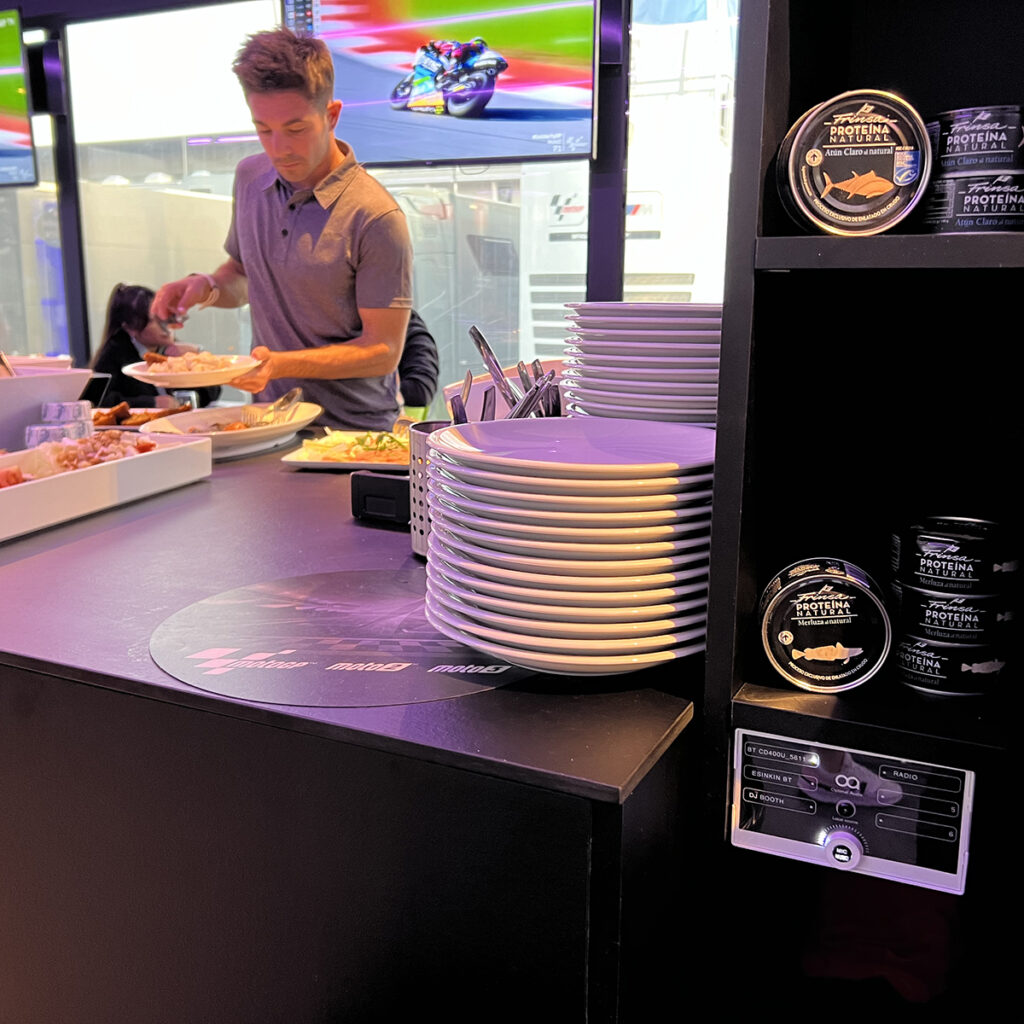
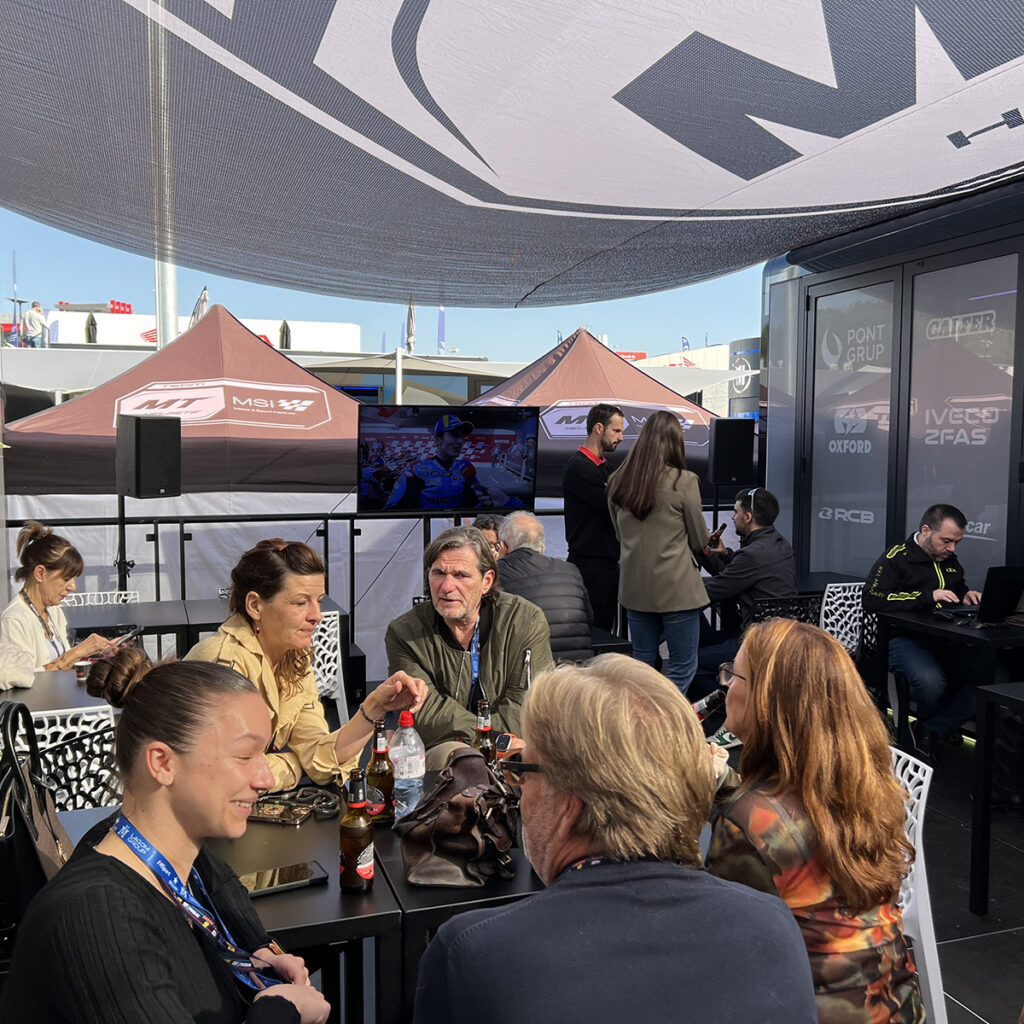
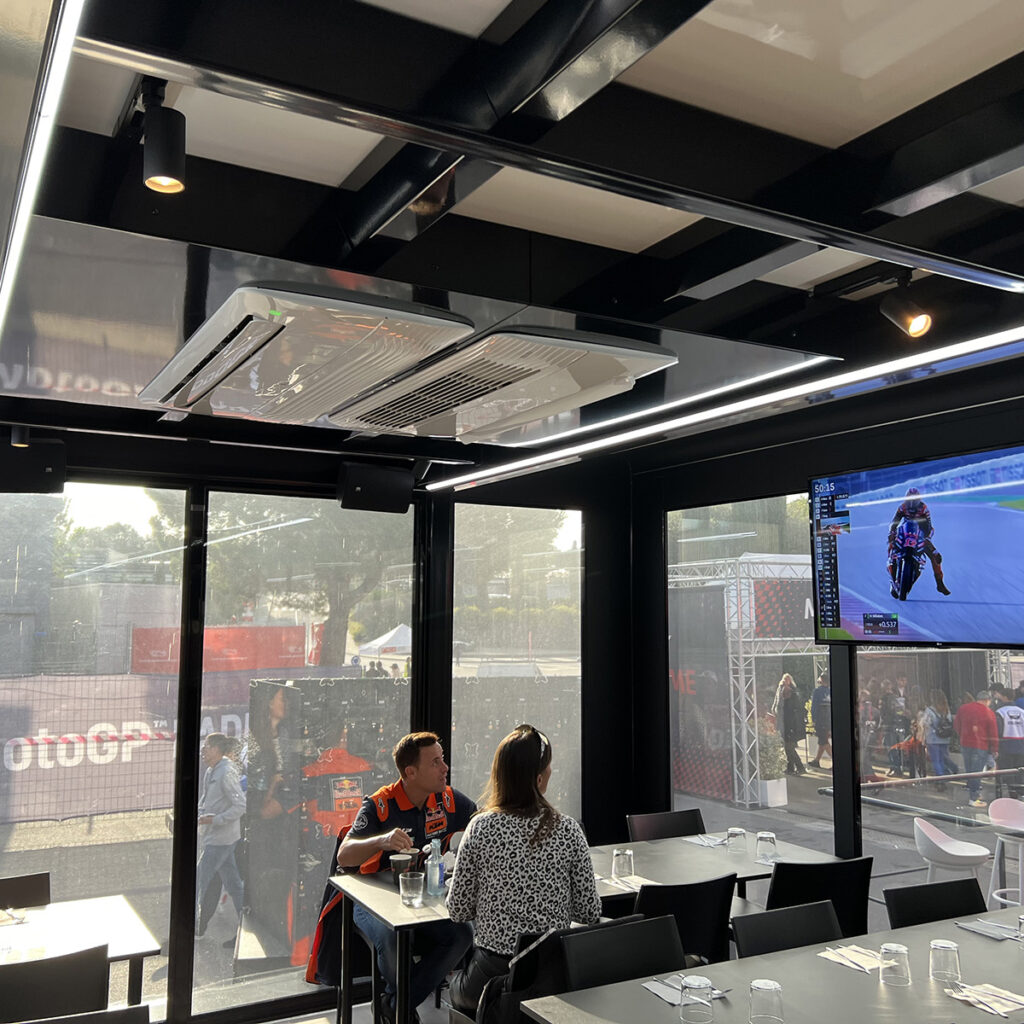
ALBANIA: Green Coast is a luxury tourist retreat located in the Albanian resort of Palasë. Known as the Albanian Riviera, and overlooking the Ionian Sea, it is also a popular recreational hub, with a number of bars and restaurants.

One of these is the latest SALT, run by experienced restaurateurs, Revo Hospitality Group (RHG) which specialises in Mediterranean cuisine, seafood and sushi. Described as ae “one-stop shop for food and beverage experiences, providing something for everyone from daytime, dining, nightlife and events” it recently turned to Martin Audio’s local distribution partner, Prosound for a sound system installation. This was after they had successfully carried out other work for the Group (including SALT restaurants, and Lift Steak & Rooftop Bar.

Having used the Prosound / Martin Audio combination successfully on previous installations RHG had no need to change a winning formula. Tasked with reinforcing a wide range of music sources—including DJs and live bands (when the venue reverts to a night time / club atmosphere)—Prosound’s Endrit Veleshnja recommended a CDD solution.

CDD is Martin Audio’s most popular range, particularly for this type of venue. Drawing on Coaxial Differential Dispersion technology (which gives CDD its name) the system is versatile and easy to install, with flexible mounting options.

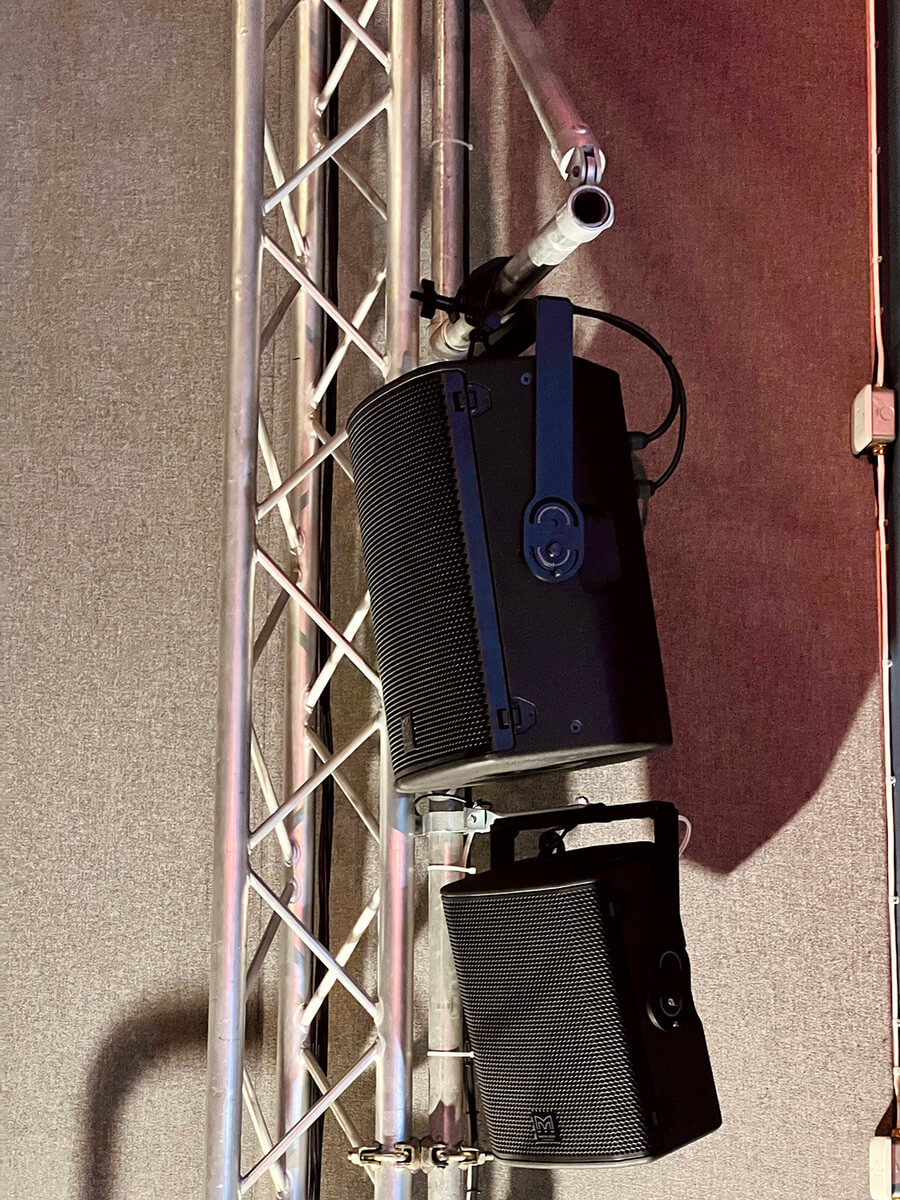
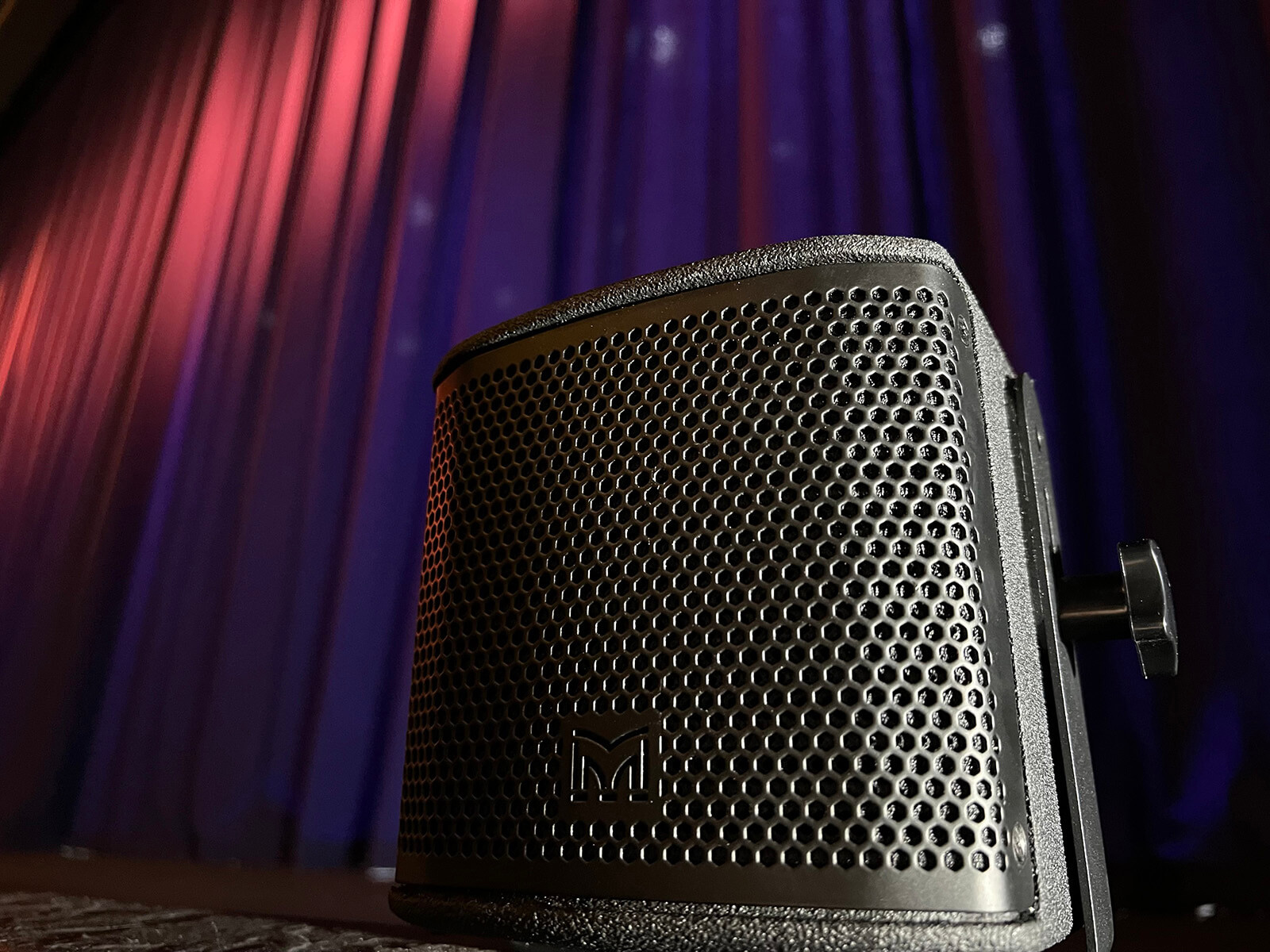
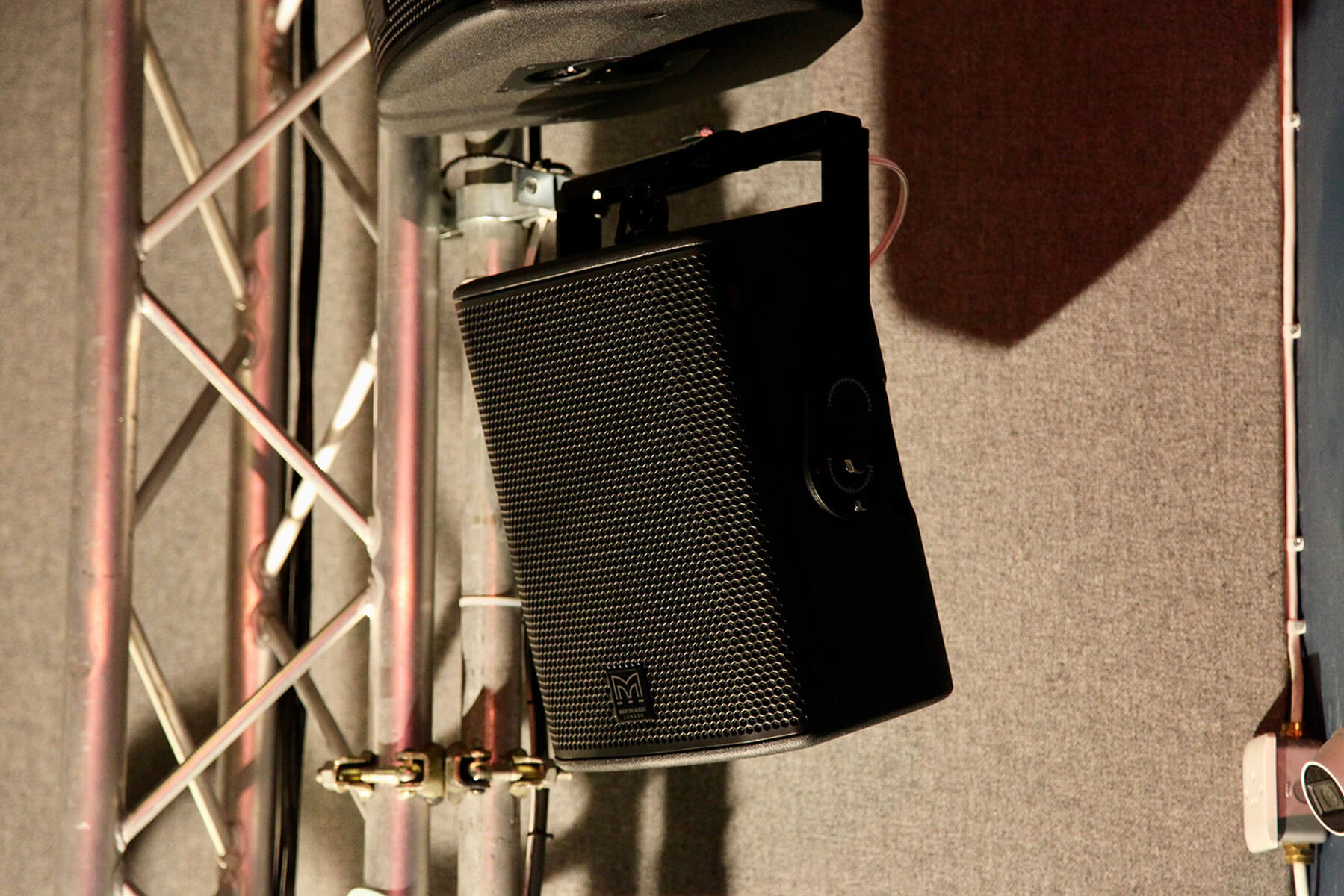
Prosound divided the single-storey venue into five different sound zones, with three different sound sources that can be combined. They specified a combination of CDD15, CDD10, CDD8, CDD6, for use both inside and out on the terrace, powered by Martin Audio VIA amplifiers, with Martin Audio ADORN A55 infilling the peripheral areas.

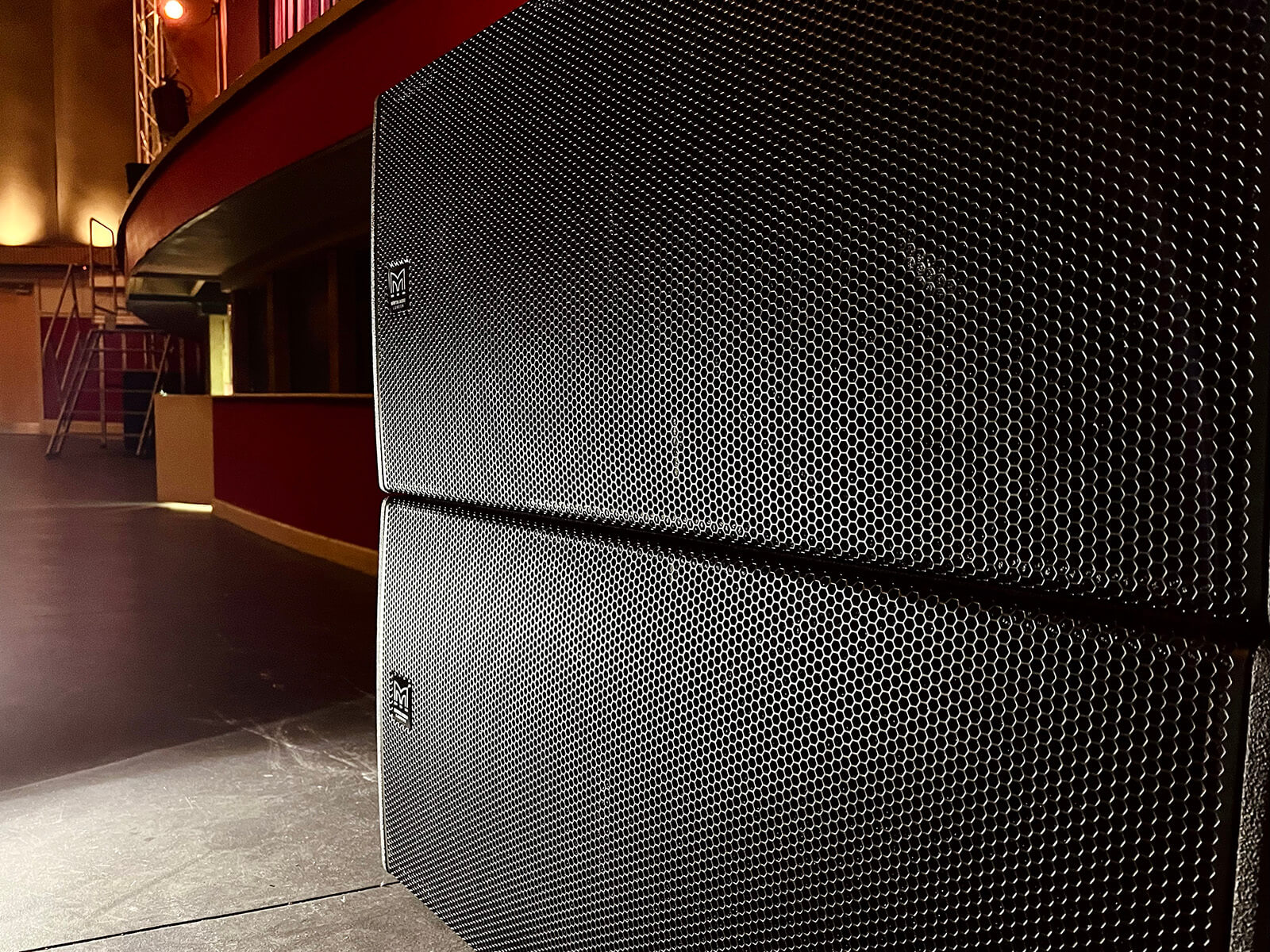
In the main dance area these were complemented by several SX118 subwoofers, with SX112 and SX110 providing LF extension in the other zones, routed through a third-party processor.

Thus the operators can once again reflect on a successful installation that meets all requirements over a trading pattern that runs from lunchtime right through until 3am.

Click here for original article.

Categories
TiMax

TiMax assures peak spatial performance on Germany’s oldest outdoor stage

Central Europe’s outdoor performance tradition determinedly eschews standard staging formats, seeking instead the most picturesque yet challenging environments to deliver their tales to audiences in their thousands. Set in a rock labyrinth with certain upstage scene elements offset at heights up to 25m above the main stage area, Wundsiedel’s Luisenburg Festspiele, on Germany’s oldest outdoor stage, turned to TiMax SoundHub to create intelligible immersive audio for every seat in the 2000-strong audience, via sophisticated object-based soundscapes rendered by the platform’s dynamic delay-matrix processing.

System-Sound Designer, David Horn, maintains four TiMax SoundHub showcontrol systems at his disposal, but used a single 64-channel unit activated for seamless real-time vocal localisation driven by a new TiMax TrackerD4, recently purchased from the TiMax German Distributor, Pro-Audio Technik.

Eight TiMax Tracker sensors, some mounted on trees and even rocks, covered the huge 38 metre-wide and 25 metres deep performance area, complete with one section of stage that rises into the hillside to a height of 25 metres.  The system captured every movement from 24 TiMax Tracker UWB RF Tags worn by the performers moving through the space.

The pioneering TiMax SoundHub is unique in its ability to translate the experience of audio coming from a height into the 3D soundscape received by the audience. It is able to convey such finer nuances of performances in a wide variety of environments due to its highly-evolved speciality of rendering audio spatialisation with both level and delay as opposed to simple level-panning.

With on-site support from TiMax product manager Dan Roncoroni and director Dave Haydon, Horn established 30 image definitions across the stage plus a number of others accommodating the upper woodland levels. TiMax was primarily deployed to enhance vocal intelligibility but was also used to distribute the audio within the space for spot effects. He explains, “I use TiMax because it is the only system that has such experience and proven longevity in theatre world but specifically, because of the dimensions of this stage TiMax was necessary for the audience to tell on the stage who is singing or talking.

“By using TiMax we guarantee a higher level of attention from the audience – particularly for the performances for children. It was very noticeable when we stage Pippi Langstrumpf at the beginning of the Festspiele Season in May, that the younger viewers were very focussed and engaged with the play. So using TiMax has made a real difference here.”

The loudspeaker system distributed under the canopy in front of the hillside stage comprised main line array systems with a total of six high Q80 speakers, complementing two centre array hangs each with three high Q40 units all from local German manufacturer, Ritterbusch Audio. Also supplied were eight B-18 sub bass units with four B-15 centrally placed subs, eight T6 for near fill and 16 LDK81 line array modules providing audience delay reinforcement. Weatherproofed Bose 802 speakers were place at three locations on the upstage hillside, acting as localisation anchors for these distant performance areas. TiMax and the Yamaha PM5 Rivage main console were all hooked up via Dante.

Horn concludes, “The vital features of TiMax that made short work of the sound planning were the Mixer and PanSpace features. TiMax added space and direction to the resulting audio as well as much more fun for the audiences in comparison to stereo.

Click here for original article.

Categories
HH Electronics

HH Q SERIES AND THE ART OF MIXING: FROM STUDIO TO STAGE

Meet the Q Series.

A series of 4 analogue mixing consoles which cover an array of live sound applications. Whether you’re podcasting, drum mixing, managing small ensembles, or handling live sound in churches and halls, the Q Series mixers are a fantastic tool to develop your mixing skills.

The Basics of Mixing

At its core, mixing is about balancing multiple audio sources to create a cohesive sound. The process involves adjusting levels, EQ, and effects for each input channel, and then combining them into a final output. Sounds simple, right? Let’s break it down.

1. Input Stage:

At its core, mixing is about balancing multiple audio sources to create a cohesive sound. The process involves adjusting levels, EQ, and effects for each input channel, and then combining them into a final output. Sounds simple, right? Let’s break it down.

Microphone Inputs:

  • Sensitivity: Microphone inputs are designed to handle very low-level signals, typically in the range of -60 dBV to -40 dBV.
  • Preamp: They include a microphone preamplifier to boost the weak microphone signal to line level.
  • Phantom Power: Many mic inputs provide phantom power (usually +48V) for condenser microphones.
  • Impedance: Mic inputs typically have a low impedance, around 1.5 kΩ to 3 kΩ.
  • Connector: Usually XLR connectors, though some mixers use 1/4″ TRS jacks for mic inputs.

Line Inputs:

  • Sensitivity: Designed for much stronger signals, typically around -10 dBV (consumer level) or +4 dBu (professional level).
  • No Preamp: They don’t include a preamplifier as the signal is already strong enough.
  • No Phantom Power: Line inputs don’t provide phantom power.
  • Impedance: Higher impedance than mic inputs, often around 10 kΩ or higher.
  • Connector: Commonly use 1/4″ TS or TRS jacks, or RCA connectors for consumer gear.
  • In the context of the HH Audio Q Series mixers:
  • The Q6FX has 2 mono input channels (which can accept both mic and line level signals) and 2 stereo line input channels.
  • The Q8FX features 4 microphone inputs and 3 stereo line inputs.
  • The Q12FX offers 6 mic inputs, 4 mono line inputs, and 4 stereo line inputs.
  • The Q16FX provides 10 mic inputs, 8 mono line inputs, and 4 stereo line inputs.

This variety of inputs allows these mixers to accommodate a wide range of audio sources, from microphones to instruments to audio playback devices.

2. Gain Staging:

Gain staging is the process of controlling the level of your audio signal throughout the entire signal path. Ensuring that you keep a clean signal that is well above the noise floor and can be processed without clipping or introducing unwanted distortion before being sent to your output source.

To begin, ensure that your sound sources are producing an appropriate level of signal. This prevents you from needing to add large amounts of gain to achieve a good level. There is a lot of input gain on tap with Q Series mixers (+5 to +45dB), however, a side effect of needing to add too much input gain to get to an appropriate level can be introducing unwanted noise into the signal path. So, getting the right level from your sound source will start you off on the right foot.

Next, adjust your input gain to give your signal enough headroom. Headroom is how much room your signal has before becoming distorted and clipping. This breathing space for your audio signal acts as a buffer to allow for any additional level you may introduce from EQing, enabling the built-in DSP effects or for dynamic changes from your sound source. Dynamic changes could be from electric guitar boost pedals or fluctuations in volume from your vocalist. Adjusting input gain for each channel so that the level peaks between -10 and -6dB is a good starting point.

Once your input gain is set you can move on to the built-in compressor featured on the Q8FX, Q12FX, and Q16FX. Compression helps to control the dynamic range of a sound source and is perfect for taming loud signals from sound sources with wide dynamic ranges whilst allowing quieter signals from the same source to be brought up to an appropriate level. The single knob compressor featured on Q8FX, Q12FX, and Q16FX mixers makes this process very easy.

Next, you can move on to shaping the tone of your sound sources with the 3-Band EQ. Note that by boosting frequencies you will be adding more gain to the signal path. Again, it’s important to leave enough headroom when setting your input gain to allow for this.

Always keep an eye out for the peak LED indicator illuminating on individual channels as well as on the main output meter. These indicators will highlight if there is a problematic signal clipping in your mix. Keep checking regularly as gain structure may shift during a performance.

Remember, proper gain staging is about finding the sweet spot where your signal is strong enough to maintain quality throughout the system, but not so strong that it causes distortion. It is a balancing act that becomes easier with practice and attentive listening.

3. EQ Adjustment:

Shape the tone of each input using the built-in EQ. The HH Q Series offers a 3-band EQ on each channel, with high (12kHz), mid (2.5kHz), and low (100Hz) frequency controls. This allows you to boost or cut individual frequency bands to enhance clarity and eliminate problematic resonances.

Using EQ on a mixing console isn’t quite the same as using the tone stack on a guitar amplifier as each channel on a mixer isn’t operating in complete isolation, it has a relationship with all the other channels. It’s important to be mindful of your whole mix when adjusting individual channel EQ, to ensure you achieve an overall balance.

The 3-band EQ on Q Series mixers offers the ability to cut and boost specific frequency bands which is perfect for shaping the tone of the sound source on the channel you’re adjusting and making space in the mix for sound sources on other channels. The ability to cut and boost these individual bands means that non-essential frequencies can be cut from one source to carve space for the fundamental frequencies of a different source on a different channel, thus creating a tonal balance between these sources. For example, cutting mid frequencies on electric guitar channels to ensure your lead vocal is crystal clear.

The 75Hz low-cut function on the Q8FX, Q12FX, and Q16FX can be a useful EQ tool when it comes to removing unwanted low rumble.

4. Adding Effects:

Enhance your mix with effects like reverb or delay. The HH Q Series mixers come with 16 built-in high-quality DSP effects including reverbs, delays and echoes. Having these effects built in allows you to These effects are based on hand-selected algorithms and are easily controlled via the FX enable button and parameter level knob (Q8FX, Q12FX and Q16FX).

5. Setting Levels:

Use the channel faders to balance the volume of different inputs in relation to each other. The larger Q12FX and Q16FX models also offer subgroup routing, allowing you to control multiple related channels together – that’s useful for a drum mix or for grouping backing vocals.

6. Monitoring:

Use headphones or monitor speakers to listen to your mix. The HH Q Series provides dedicated monitor outputs and a headphone out for this purpose. You can also set up monitoring for the musicians too, either in the form of a monitor wedge or in-ear monitoring via the Aux send outputs.

7. Main Output:

Finally, send your mixed audio to your main speakers. This is where the HH Tensor range of portable PA powered speakers comes in, offering clear and powerful sound reproduction for various venue sizes.

Mixing Scenarios

Podcasting

For podcasting, you will primarily use the mic inputs. Focus on clear vocal EQ and subtle compression (available on select HH Q Series models) to maintain consistent levels. The USB interface on all HH Q Series mixers allows easy recording to your computer. Now all you need to do is come up with an interesting podcast topic and you’re away!

In-Ear Monitor Mix for Drummers

Click-tracks and backing tracks are commonplace in larger scale productions, drummers can sometimes like to have control of these individual levels in their monitor mix (either in-ear or wedge) using a small mixer situated by their drum kit. The Q6FX would be a perfect solution for this scenario enabling the drummer to take feeds of these individual elements from a front of house engineer or a monitor engineer’s console. The drummer can then control the balance of these individual elements locally and adjust accordingly throughout the performance.

Balance is key for small ensembles. Here are some tips to get you started:

Input Assignment:

  • Use mic inputs for acoustic instruments and vocals.
  • Use line inputs for electronic instruments like keyboards or drum machines.

For the Q8FX, you have 4 mic inputs and 3 stereo line inputs, allowing for a good mix of acoustic and electronic sources.

EQ Adjustment:

  • Use the 3-band EQ on each channel to shape individual instrument tones.
  • Cut frequencies rather than boost where possible to carve space for other sound sources and reduce overall mud in the mix.
  • For vocals, a slight boost at around 2.5 kHz can improve clarity.
  • Utilise the 75Hz low-cut on Q8FX, Q12FX and Q16FX to remove low end rumble.

Creating Space in the Mix:

  • Pan instruments to create a stereo image. For instance, spread backing vocals slightly left and right of centre.
  • Use the built-in effects like reverb carefully to add depth without cluttering the mix.

Level Balancing:

  • Start with the main instrument or vocals at a comfortable level.
  • Bring in other instruments one by one, balancing them against the main element.
  • Use the faders to adjust the relative volumes of each instrument in the mix.

Subgrouping (for Q12FX and Q16FX):

  • Group similar instruments together (e.g., all vocals, all rhythm instruments) for easier control.
  • Use subgroup faders to adjust the overall balance of instrument groups.

Monitoring:

  • Use the headphone output to critically listen to your mix.
  • If possible, set up a separate monitor mix (or in-ear mix) for the performers using the Aux send.

Dynamics Control:

  • For the Q8FX, use the built-in compressor on channels 1-2 for vocals or dynamic instruments.
  • On the Q12FX and Q16FX, take advantage of the compression on more channels for consistent levels.

 Feedback Management:

  • Use the 75Hz low cut/high pass filter on vocal mics to reduce low-frequency rumble and potential feedback.
  • If using the Q12FX or Q16FX, utilise the 9-band graphic EQ to notch out problematic frequencies in the room.

Effects Usage:

  • Use reverb sparingly to add depth to vocals or acoustic instruments.
  • Consider using a short delay on vocals for a thickening effect without muddying the mix.

Blend Acoustic and Electronic:

  • Balance the levels between acoustic instruments (via mic inputs) and electronic instruments (via line inputs) carefully.
  • Use EQ to carve out space for each instrument type in the frequency spectrum.

Aux Sends:

Utilise the Aux send for creating a separate monitor mix for the performers, or use it to send certain instruments to an external effects unit if needed.

Main Output:

  • Keep an eye on the main output meters, ensuring you are not overloading the system.
  • Aim to keep the main output around -6 dB to maintain headroom.

Sound Check:

  • Conduct a thorough sound check, listening to each instrument individually and in the context of the full ensemble.
  • Make notes of any problematic frequencies or balance issues to address during the performance.

Simple Recording:

Utilise the USB interface on any HH Q Series mixer for direct recording to your computer. Set your levels carefully and use the EQ to avoid frequency clashes between instruments.

Live Mixing in Churches, Halls, and other Venues:

For live mixing, start with a sound check to set initial levels and EQ. Use the graphic EQ on the Q12FX or Q16FX to tune the system to the room. Our Tensor range of PA speakers will ensure your mix translates well to the audience.

Final thoughts

The HH Q Series analogue mixing consoles provide a great training platform for becoming a competent audio engineer. They are easy to use, reliable, and have everything you need to build a perfect mix in a variety of situations – not to mention, they look great.

Designed and engineered by HH Audio (formerly HH Electronics), with a long-standing history in mixer design, the Q Series brings decades of British innovation to your audio productions. From our most compact mixer, the Q6FX, to the largest in the series, the Q16FX, there’s a mixer to suit a variety of needs.

Click here for original article.

Categories
Optimal Audio

It’s Freshers’ Week as Optimal Audio Academy opens its virtual doors

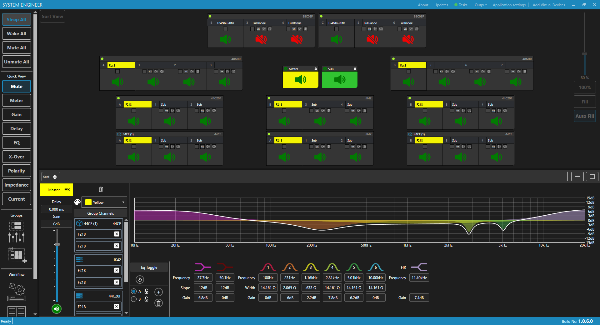
On its quest for ‘Commercial Audio, Done Differently’, Optimal Audio has flung open the virtual doors to its training academy. Open 24/7, the Optimal Audio Academy has certification-based courses conveniently available to the world and any time that suits.

Simple to navigate, the Optimal Audio Academy complements the ethos of the brand and provides modular courses to help system integrators and installers to understand how to best maximise the portfolio and most importantly WebApp.

Comprised of a streamlined product offering that works seamlessly together, the Optimal Audio ecosystem is particularly suited to multi-zoned commercial installations, such as retail and hospitality venues. WebApp, the ‘secret sauce’ of the ecosystem, makes short work of customisable installation parameters and provides an intuitive interface for the end user that’s as straightforward as any smart home appliance. Set up is already as simple as possible but the courses at Optimal Audio Academy unlock the power of intuitive system set up and control for fast and functional installations.

Built as a modular course, there are currently three levels of training available. These offer all the support installers need to design and install the Optimal Audio ecosystem. Level one gives an introduction to the building blocks of the brand, its products and applications.

Those looking for a deeper dive can quickly move onto course level two where further insight into the Zone series and WebApp will open the doors to more polished and efficient installations. This course will improve deliverability in small to medium-sized multi-zone installations.

Level three of the course, which is still in the works and will be hosted at the online study facility in the future, promises to elevate installers to Optimal Audio Aficionado. A simple online test at the end of each course level will afford certification to all those who pass with scores above 75%.

Optimal Academy provides the extra ingredient needed to spice up installations at the design stage as well as on site. Just one of the benefits is that installers are taken through a few standard-sized installations so that everything flows as expected for a swift and trouble-free installation. The courses also prompt those extra ideas – the ‘nice to haves’ that customers might not realise will help their business.

Optimal Audio adds powerful yet simplistic performance to small to medium commercial audio installations. Optimal Audio Academy supports installers, providing them with a toolkit at their fingertips to confidently design, install and activate simplistic yet sophisticated Optimal Audio commercial audio systems at the speed of sound.

If you have any questions or want to know more about the trainings please contact us at info@generationav.net

Click here for original article

Categories
Martin Audio

MARTIN AUDIO APPOINTS SIMON HONYWILL AS MARKET DEVELOPMENT MANAGER FOR LIVE SOUND, PRODUCTION

Martin Audio, a global leader in professional audio, is proud to announce the appointment of Simon Honywill as its new Market Development Manager for Live Sound, Production, and Immersive Audio Markets. With an extensive career spanning over two decades in sound engineering, Simon’s transition into this strategic role is set to propel Martin Audio into new markets while further solidifying its leadership in live sound and immersive audio technology.

Honywill’s appointment follows a long and successful association with Martin Audio. His contributions to sound engineering across major global events, particularly in the UK festival scene, have earned him a stellar reputation. “I’m utterly thrilled about this new role,” he said. “After years of working as a sound engineer, I’ve been looking for a way to bring my expertise to a broader market and make a bigger impact. This role with Martin Audio offers me exactly that opportunity. I’ve always admired the company’s innovation, and now I have the chance to be part of shaping its future.”

As Market Development Manager, Honywill will spearhead efforts to expand Martin Audio’s presence in the live sound and immersive audio markets. His new responsibilities will involve working globally, with a particular focus on Europe and the Middle East, fostering stronger relationships with both existing and prospective clients. His travels are set to begin with key industry events, including Pro Lab’s Open Day in Dubai and the LEaT.con trade fair in Hamburg.

Having been a vocal advocate for Martin Audio throughout his career, Honywill’s passion for high-quality sound has consistently aligned with the company’s commitment to audio excellence. “Martin Audio makes the best loudspeakers on the planet,” he confidently stated. “I’ve used every system under the sun over the years, and I keep returning to Martin Audio for its unmatched musicality and advanced technology. Our optimised systems are leagues ahead of the competition, and I’m excited to help the industry recognise that.”

I’m proud to be part of this new chapter.
Simon Honywill

In addition to his technical expertise, Honywill brings a deep understanding of the psychology of the industry, making him an ideal ambassador for Martin Audio. “Too often, people make decisions based on what others tell them, rather than experiencing products for themselves. I want to change that by encouraging more direct engagement with our systems, which I truly believe are the best on the market.”

One of the highlights of Honywill’s career is his long-standing involvement with theGlastonbury Festival. His deep connection with the event will continue in his new role, where he remains actively involved in sound design and implementation. “I’ll still be working with Glastonbury, particularly on Block 9, which could see some exciting changes in the near future,” he noted. “It’s a fantastic opportunity to integrate Martin Audio’s latest technologies into one of the world’s biggest festivals.”

Alongside his ongoing festival work, Honywill will continue to support major sound installations, helping Martin Audio maintain its dominance in the festival sound market. “I’ve spent years working on festival systems, including the Pyramid and West Holts stages at Glastonbury. These setups are already at the forefront of sound engineering, but I’m eager to push the boundaries even further, especially as new technologies become available.”

A key objective in his new role is to ensure Martin Audio’s products meet the highest standards of sound quality while addressing the practical needs of sound engineers and clients. “In the past, my feedback to R&D has been sporadic,” Honywill admitted. “Now, I’m looking forward to a more structured involvement in product development, taking new products into the field, testing them in real-world conditions, and providing invaluable feedback to the R&D team.”

Honywill’s industry insights and expertise will be instrumental in refining and enhancing Martin Audio’s product offerings. “I’ve always believed that the best audio products are those that emotionally connect with the audience. If I can help foster that emotional connection through superior sound quality, then I’ll know I’ve succeeded in this role.”

His appointment comes at a dynamic time for Martin Audio, as the company has made significant progress with the recent addition of other industry veterans to its leadership team. “There’s a lot of momentum within Martin Audio right now,” Honywill said. “With the product line-up being the strongest it’s ever been and people like Brad Berridge joining the team, it’s clear the company is heading in the right direction. I’m proud to be part of this new chapter.”

With his extensive experience, technical expertise, and dedication to sound quality, Simon Honywill is perfectly positioned to help Martin Audio expand its market share and deliver world-class audio systems for live and immersive experiences.

Click here for original article.

Categories
LEA Professional

Lea Amps Cultural Hall Kultursalen Kipo

The Kultursalen Kipo recently elevated its offerings for local artists and theatrical performances by choosing LEA’s Connect Series amps to power their brand-new cultural hall. With enhanced sound quality and performance, the venue is now equipped to host a variety of cultural events, making it a go-to spot for the community’s creative expression. 

THE SPEC

🏢 Venue: Kultursalen Kipo

👷‍♂️ Integrator: Benum Norway & SIAP Acoustics 

🎶 Audio Spaces: Performance and Rehearsal Halls

🦈 Product Used: Connect Series 168D (Multiple)

Kultursalen Kipo

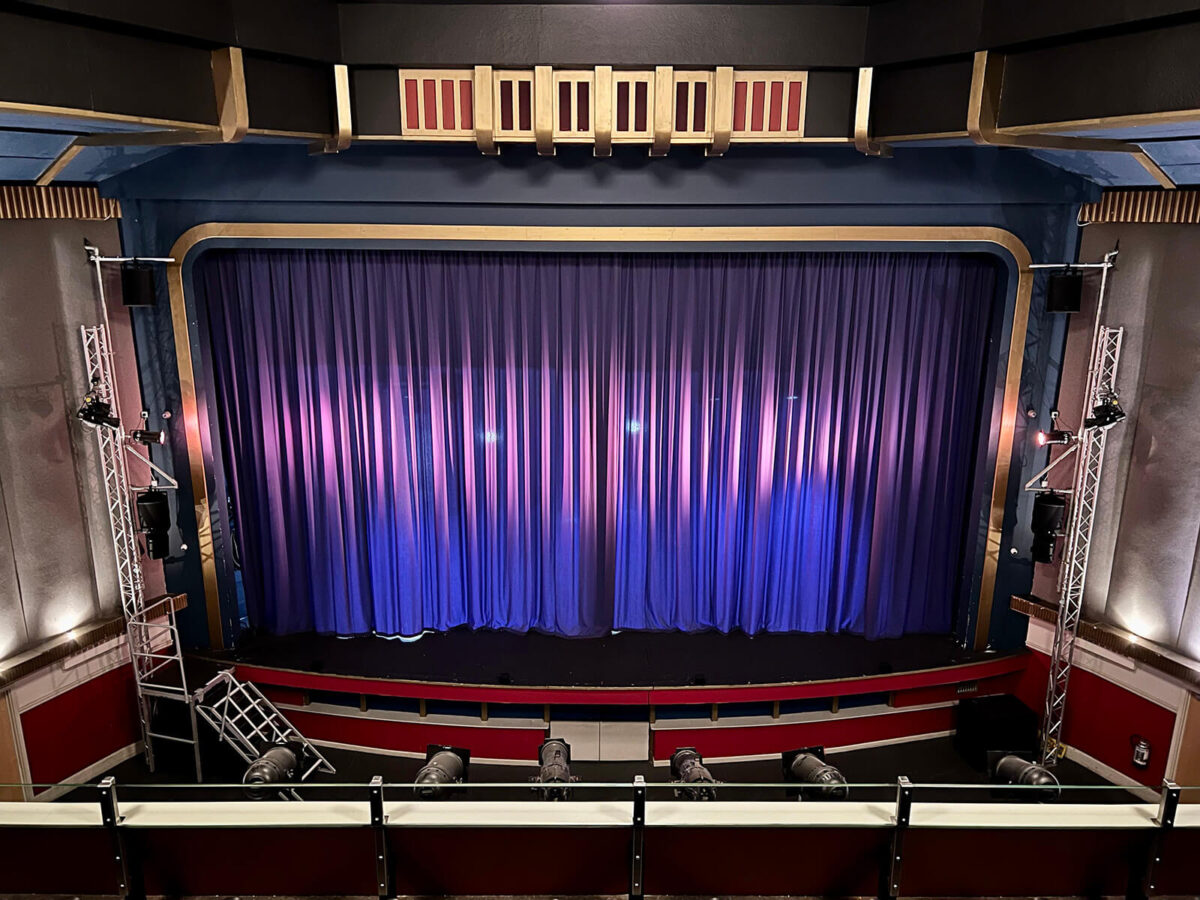
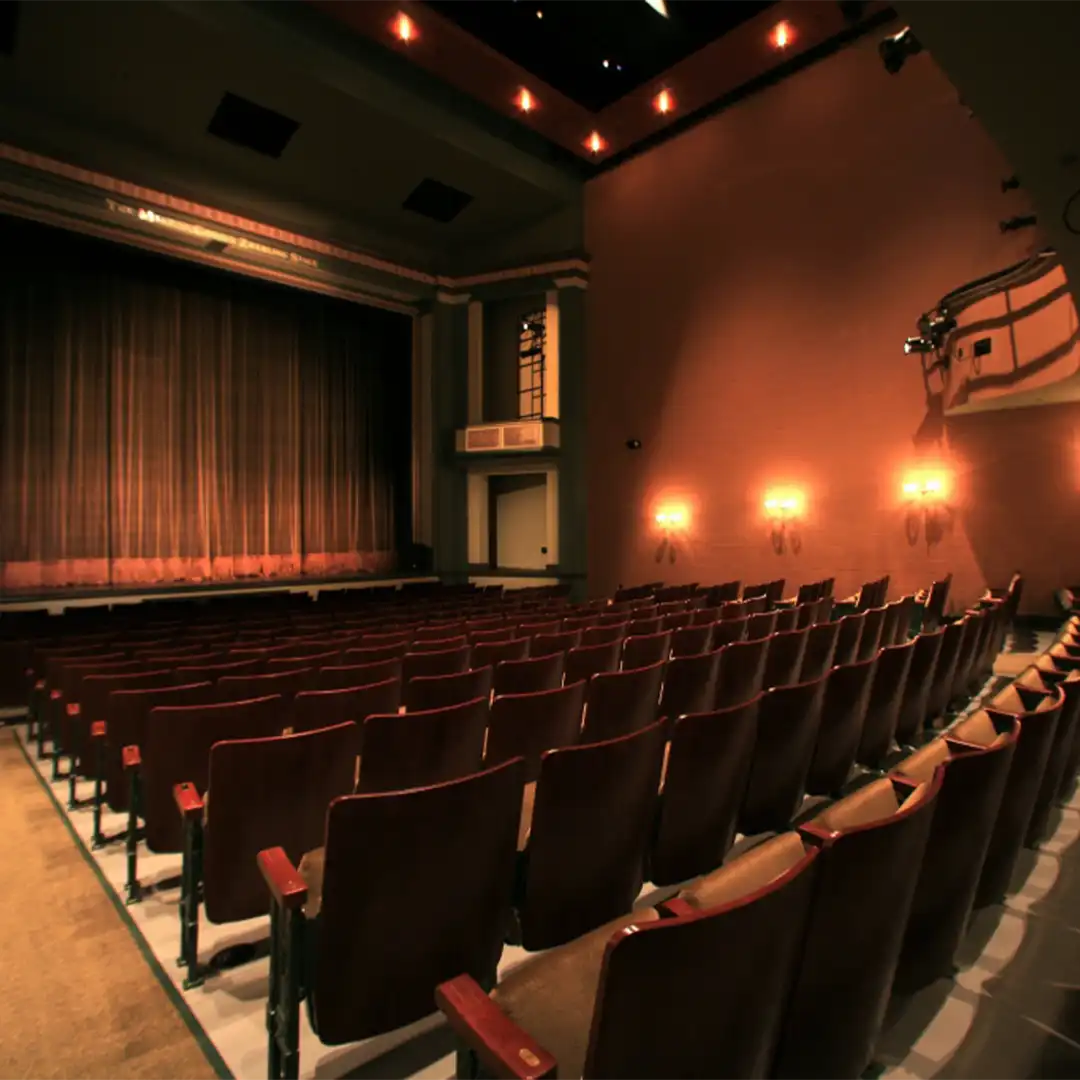
Kultursalen Kipo is Askøy’s premier venue, designed for a wide range of events, from large concerts and performances to courses and conferences. This modern cultural hall offers seating for 339 guests and is fully equipped with state-of-the-art sound and lighting systems. With a spacious 12×8 meter stage, KIPO is ideal for hosting diverse productions. The hall also features an advanced active acoustic system that electronically adjusts reverberation length, ensuring optimal sound quality for every type of performance.


The Install

Venue staff contacted Benum Norway A/S to design the audio system for the cultural hall. Based in Oslo, Benum is one of the leading AV integrators in Norway and is well-versed in the challenges associated with performance venues like Kultursalen Kipo. “Norway has stringent acoustic requirements for performance and rehearsal halls,” explained Kyrre Fledsberg, Project Manager at Benum. “For example, the natural reverberation time of the space must be 0.9 seconds but also allow for the implementation of an audio system that could increase reverberation up to 3 seconds. LEA Professional’s technology was the ideal solution for making the audio sound amazing in the hall.” 

The hall is a flat-floor auditorium in which the audience and the stage area have the same acoustic volume. There is no separate stage house or fly tower. The audience is seated in front of the stage on telescopically retractable raked platforms (amphitheater style) to provide good sight lines and strong direct sound, with seating for over 300 people. A Dante-enabled SIAP Mark V DSP drives the audio system and is acoustically adjustable to all types of performances by simply selecting the appropriate preset (theatrical performance, orchestra, choir, and more). 

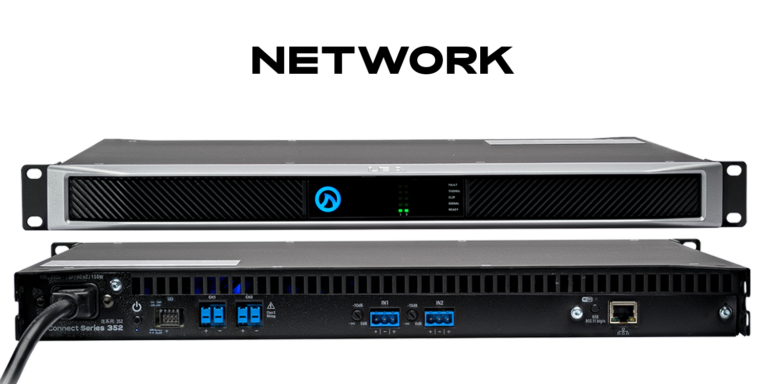
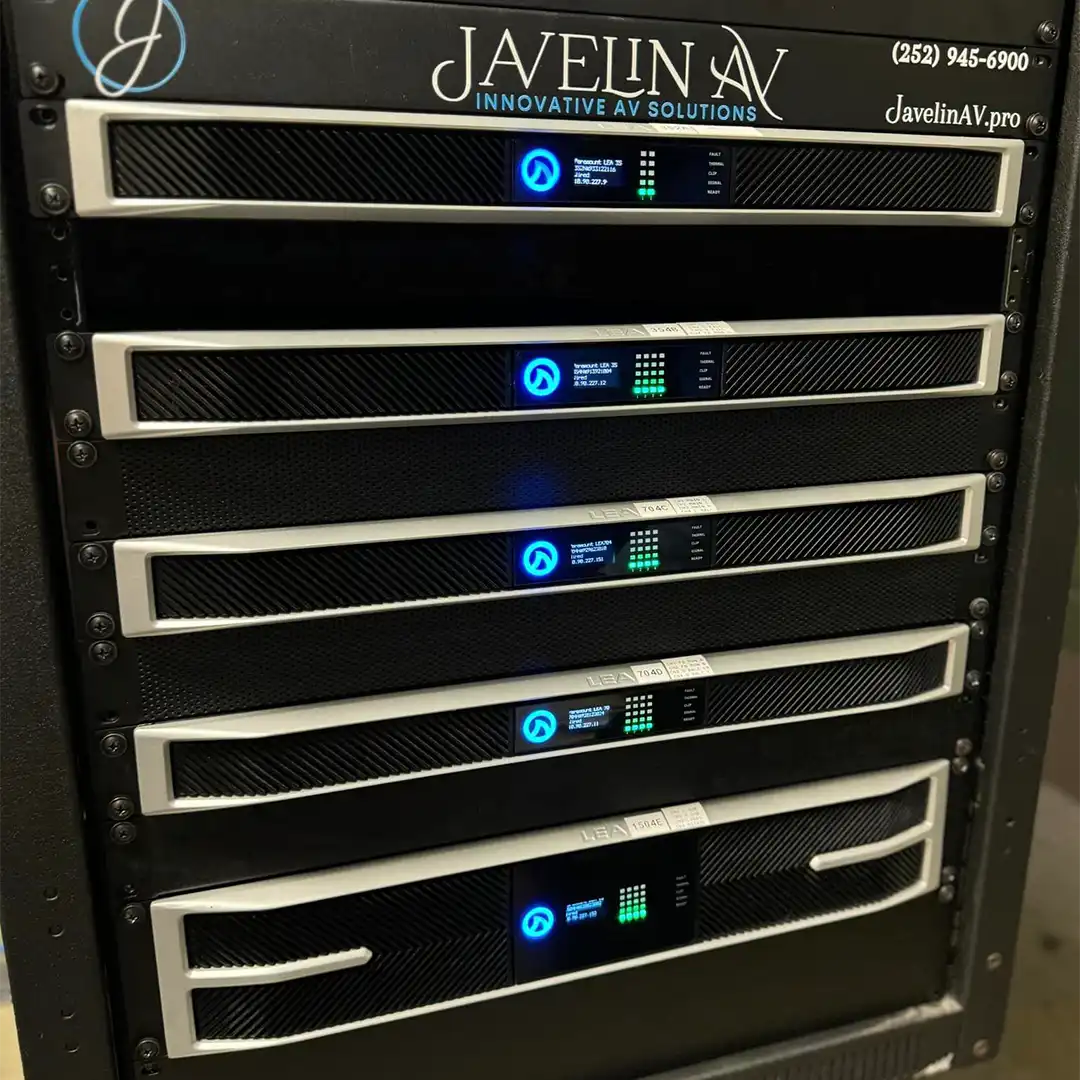
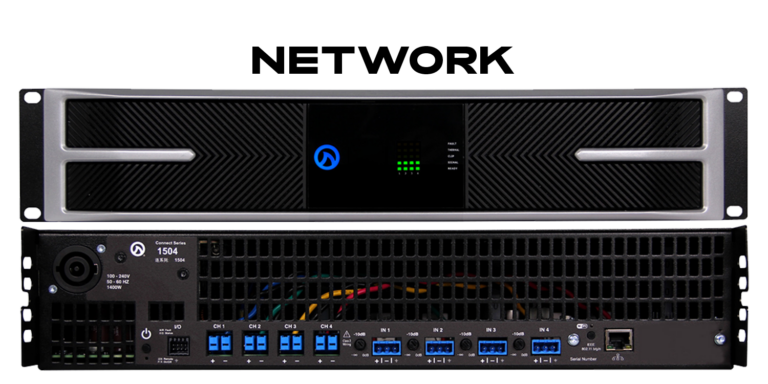
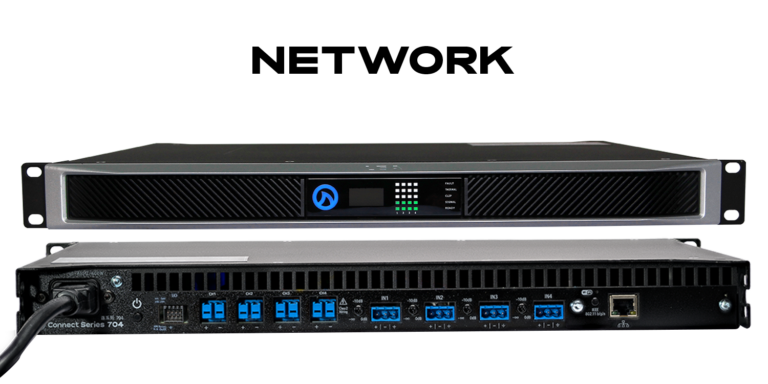
Benum installed multiple Connect Series 168D amplifiers to power the 48 loudspeakers mounted throughout the venue. The 8-channel CS168D provides 160 watts per channel, Dante and AES67 connectivity, and easily works together with the SIAP DSP to accommodate the specific system requirements of the cultural hall. All Connect Series amplifiers are professional-grade, support Hi-Z (70V or 100V) and Lo-Z selectable by channel, and feature Smart Power Bridge technology. With three ways to connect, the venue can engage the built-in Wi-Fi access point, connect to the Wi-Fi, or connect to the local area network via Cat5 or Cat6 cable. 

THE CONCLUSION

“We are proud to see LEA Professional technology in a growing number of prestigious European installs such as the Kultursalen Kipo,” said Brian Pickowitz, VP of Marketing for LEA Professional. “Our goal is for our technology to provide users with strong connection and convenience within their audio systems, and this installation is another great union between performance and user experience.”

A special thanks to the teams at Benum NorwaySIAP Acoustics , and Kultursalen Kipo for choosing our amps for this installation. We’re thrilled at the opportunity to collaborate and ensure unparalleled sound quality for many years ahead.

Click here for original article.

Categories
TiMax

Southbank Centre launches unique experimental sound system Concrete Voids with new artist commissions

Southbank Centre launches unique experimental sound system Concrete Voids with new artist commissions

The Southbank Centre has today announced the first names as part of its bespoke large-scale experimental audio project, Concrete Voids. Concrete Voids will have its public debut with a series of concerts featuring new Southbank Centre commissioned works by rapper Lex Amor, electronic music producer and visual artist GAUNT, viola da gamba player Liam Byrne and fiddle-player Cleek Schrey, and cellist Peter Gregson.
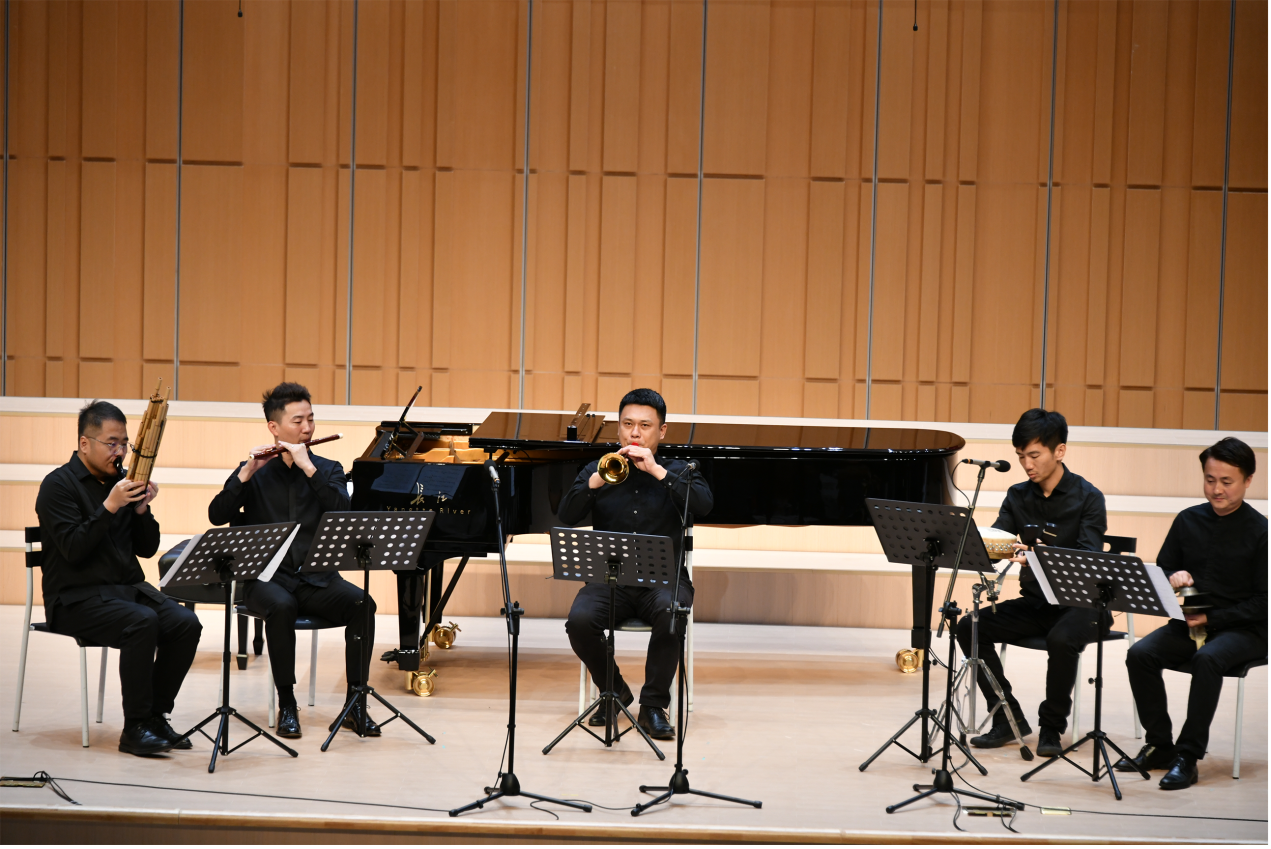
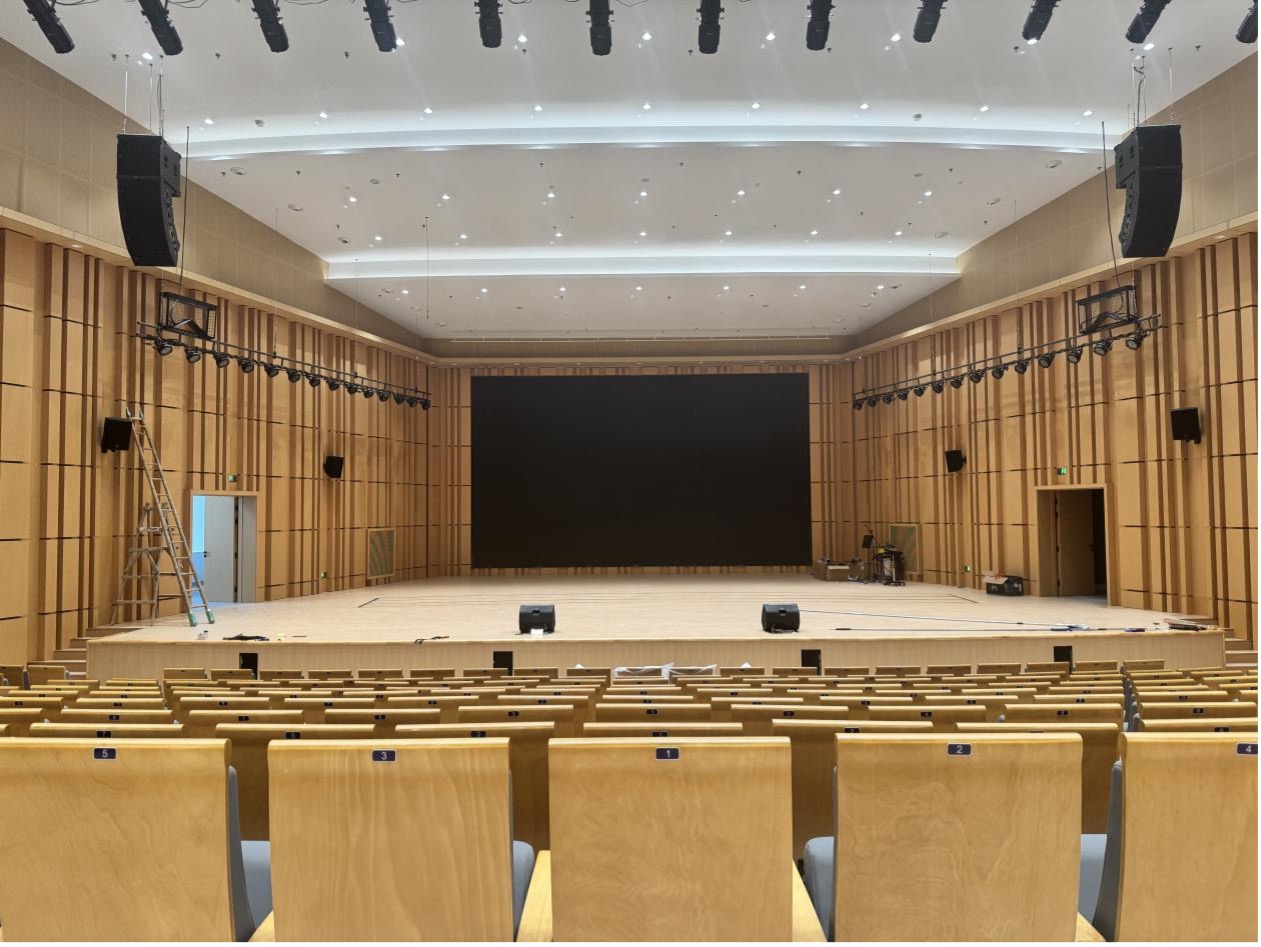
Conceived and designed by Southbank Centre Sound Technician Tony Birch, Concrete Voids is a totally custom-built system of loudspeakers that turns the auditorium itself into an epic three-dimensional instrument. Made up of over 80 speakers which are concealed within the chambers, tunnels and vents surrounding the Queen Elizabeth Hall auditorium, Concrete Voids provides artists with enormous creative opportunities to create rich and complex sound-worlds for their performances. Using spatial audio solution TiMax panLab, sound sources can be moved and manipulated within the space, even by the artist as they perform.

Southbank Centre Artistic Director Mark Ball said: ‘Concrete Voids is an incredible opportunity for artists to expand the horizon of their artistry as we provide a platform for new, ambitious music. Equally, audiences will be able to experience a revolutionised atmosphere in the Queen Elizabeth Hall. Despite all its tonnes of concrete, the space echoes with life!’

Showcasing the power and versatility of Concrete Voids, there will be several premiere concerts where audiences can experience this ambitious use of space and sound first hand. In the opening double-bill concert on Sunday 16 March, cellist Peter Gregson performs new work for cello, synthesisers and string ensemble with Southbank Centre Resident Orchestra Aurora Orchestra. Following, viola da gamba player Liam Byrne and fiddle player Cleek Schrey extend the resonances of their old stringed instruments, creating an expansive new sound.

On Saturday 5 March, rapper Lex Amor blends live music, poetry, and sound design to explore the anthropological and societal themes that feature throughout her music. Finally, on Friday 3 October, multidisciplinary artist Jack Warne AKA GAUNT presents a brand new audiovisual performance, Augmenting the Void – ULCY. Central to the performance are four large-scale paintings by Warne, each harbouring hidden looping memories beneath their surface. These ‘loops’ are brought to life through a performer utilising a custom-built Augmented Reality system, crafted in partnership with artist Alistair McClymont (Amcc Studio).
On working with Concrete Voids, Peter Gregson said: ‘Exploring the Concrete Voids is incredibly exciting. It’s much more than a reverb (which the Queen Elizabeth Hall already has in abundance!), it creates a whole new dynamic layer for us to explore on stage and watching musicians react and respond to it is hugely inspiring to me as I continue to develop my new work for it.

More performances utilising Concrete Voids will be announced soon. Tickets for the first shows will be on-sale Thursday 10 October at 10am via the link below.

https://www.southbankcentre.co.uk/events/concrete-voids/

Click here for original article.

Categories
Martin Audio

RG JONES AND MLA MIX THINGS UP AT WARWICK CASTLE

UK: Production company, RG Jones Sound Engineering, needed to pull out all the stops when RG Live and Merlin Entertainment staged a mixed programme of four back-to-back concerts within the beautiful mediaeval setting of Warwick Castle. It was the perfect ‘picnic on the lawn’ scenario, and an occasion which challenged their award-winning Martin Audio MLA loudspeaker array to the maximum.
Opening with ‘The Music of Hans Zimmer vs John Williams’—an epic showdown between the legendary film composers—the programme journeyed via Ministry of Sound Classical to McFly, before soaring further into the atmosphere with Noel Gallagher’s High Flying Birds as a finale. As a bonus for the audience, joining Gallagher were legendary Smiths’ guitarist Johnny Marr and The Waeve, featuring Blur’s Graham Coxon and ex-Pipette Rose Elinor Dougall.

All played out through Martin Audio’s flagship PA, which broke new ground when it was launched in 2010, and like a fine wine continues to get better with age. And for this type of event there are no more capable hands than RG Jones’ ‘Mr. Classical Spectacular’ maestro Simon Honywill, who has extensive experiencing of getting every last drop from the PA. He and Anthony Inglis, who conducted the London Concert Orchestra on the opening night concert, were reunited, having first worked together 33 years ago, while the lineage of RG Live can be traced back to Raymond Gubbay, for whom RG Jones (and Honywill in particular) have also enjoyed a working relationship extending over several decades. The same goes for their long association with production manager, Dick Tee.

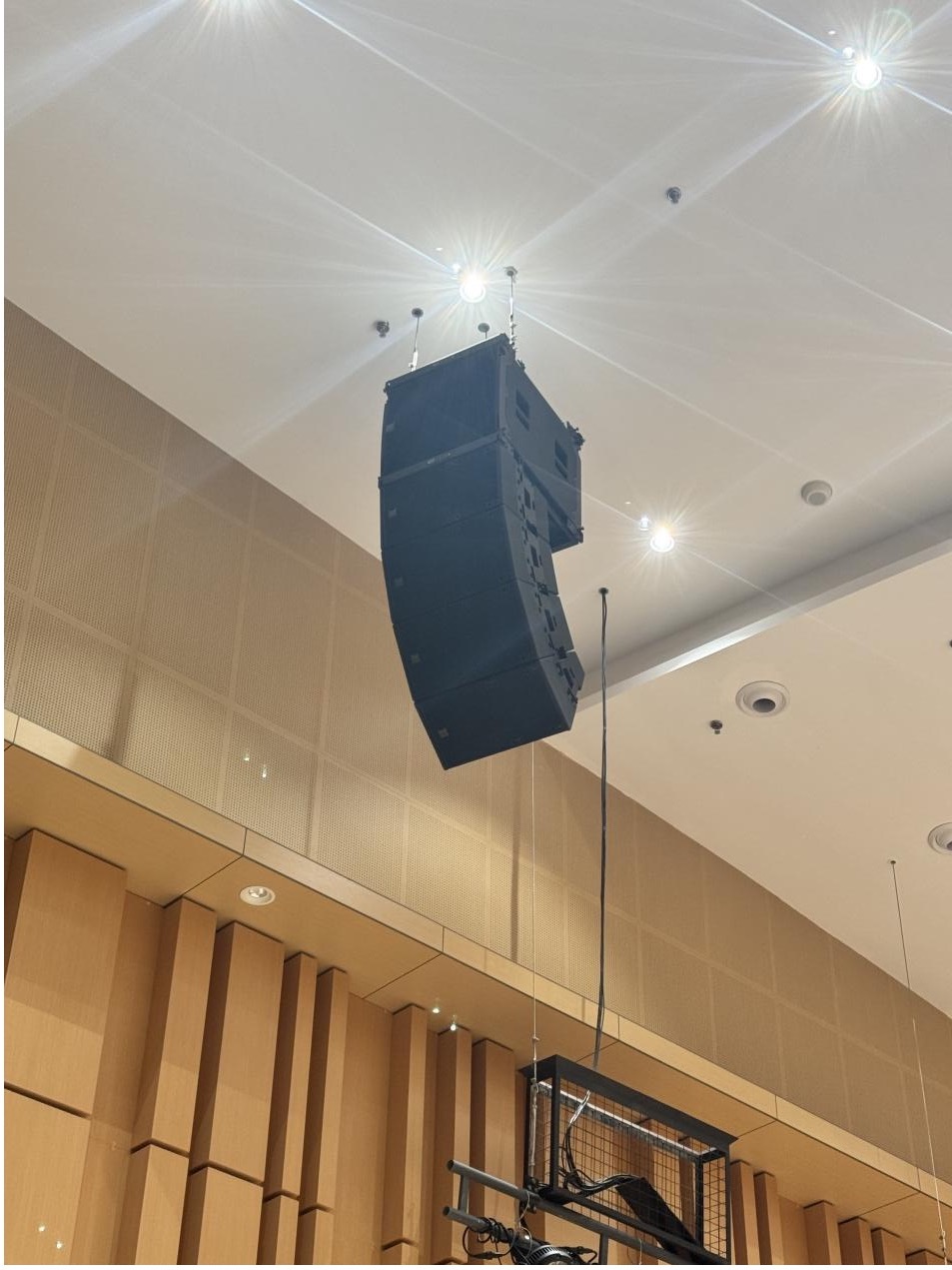
Honywill co-managed the sound system design along with Martin Audio’s product support engineer, Ben Tucker (who doubled asde factosystem tech). The main PA comprised 16 MLA elements on each hang, underpinned with 24 MLX subwoofers, which were reconfigurable. The subs themselves started off in a broadside cardioid array but reverted to a staggered end fire configuration, since Noel Gallagher didn’t want subs placed in front of the stage. “But this also meant it was actually quieter on stage,” noted Honywill.

Everything was spot on.
Simon Honywill

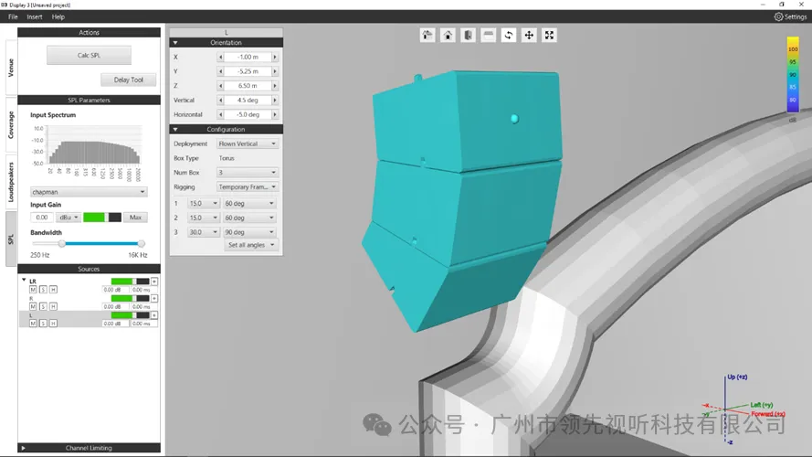
The site itself was very long and narrow—260 metres from front to back, with a significant rise. To compensate for this and ensure system optimisation, the main hangs were complemented with eight L/R MLA Compact providing outfills, four further MLA Compact enclosures, stacked left and right, for infills, with a pair of TORUS T1230 as lipfills.

Delays were set at around 95-100 metres—slightly staggered and comprising two hangs of 12 Martin Audio WPL. These were boosted by another two hangs of staggered speakers, each comprising eight WPL.

This was the RG Jones’ team’s first visit to Warwick Castle. And although the venue is well accustomed to staging concerts, production levels have rarely been on this scale. RG Jones also had to be mindful that the Castle is situated right in the town centre. Therefore exacting offsite thresholds were set at 75dB(C) at one-minute Leq.

“These levels are generally unheard of, and we worried [the performances] were going to be quiet,” said Honywill. “But in actual fact it was absolutely fine.” This was due to careful tuning of the system and working some magic on the delays. We used the control technology to its full extent, particularly the ‘Hard Avoid’ [function] to make sure the system dropped off properly where it needed to. And that worked really well—in fact everyone was delighted.”

The other challenge facing RG Jones was that with diverse acts coming in each day, scheduling was tight, minimising the time they were actually able to run the system up. They were also needing to work around the Castle’s normal visitor attractions, with school trips and so on … “that whole mediaeval vibe, jousting and falconry, plague burials and witch hanging”, as Honywill puts it.

As with most concerts with a classical bent, the event culminated in a firework finale, which book-ended the spectacular in the time-honoured fashion.

In summary, Simon Honywill described the four-day event as a complete success. “I imagine we will see a lot more concerts featuring a mixed bag of artists in the future.

“Overall it was a great working environment in a really gorgeous setting. Everything was spot on … apart from the plague burials and witch hanging, of course.”

Photography by Sophie Hoult.

Click here for original article.

Categories
TiMax

TIMAX LAUNCHES BRAND NEW WEBSITE

Timax Launches Brand New Website

TiMax: The UK-based initiators of object-based audio for vocal intelligibility and audience immersion – has launched a new website showcasing the brand and full suite of performance, presentation and experiential products, including panLab the latest innovation to join the fold.

Following the recent move into the Focusrite Group and with its backing, the time was right to showcase the history and expertise of TiMax, alongside the need to demonstrate how it is rapidly evolving to further define the future of spatial audio and show control.

Dave Haydon, co-director of TiMax alongside originator Robin Whittaker, takes up the story, “The new website gives an opportunity for users to see us in a fresh light. Our desire is to be a hub of inspiration to empower the creative community with the understanding needed to fully embrace spatial audio in all its forms across the breadth of applications.”

Haydon continues, “We’ve long held the belief that stereo in performance, presentation and experiential applications is a myth and moreover a bottleneck to everything we care about; intelligibility, creativity and emotional connection. We want to help users craft exceptional and memorable sonic landscapes with greater realism and impact, delivering increased focus and engagement to help transport audiences into different worlds.”

As such, the website offers visitors the opportunity to trial the intuitive TiMax software workflow and better understand the breadth of solutions that can aid every level of user and scale of application; and for those that want to go deeper the science behind immersive sound is there to dive into.

In conclusion, Haydon said, “We want the website to be truly dynamic and a destination site for everyone interested in spatial audio. We have exciting plans on the product front across the next few months, we’ll be encouraging guest articles on spatial audio, as well as showcasing the work of the creative community, so there will be even more reasons for people to return to the website time and time again.”

Click here for original article.

Categories
Martin Audio

22LIVE’S NEW MARTIN AUDIO SUBWOOFER SYSTEM DESIGN PAYS DIVIDENDS FOR CREAMFIELDS NORTH

UK: Sound production company 22live returned to the Creamfields Northsite on Daresbury Estate, in the beautiful Cheshire countryside, where they made their debut last year on one of the stages.

With ten high profile stages set for the huge, four-day dance music festival, the Martin Audio rental partner this year doubled its account. This year they were entrusted with delivering optimum sound for a second stage in a large-scale Big Top—in addition to the 14,000-capacity iconic Steel Yard stage which they also equipped last year. This industrial super structure was described as the largest in Europe when originally designed by Acorn Events.

Boasting a huge overhead video screen, Steel Yard really comes into its own after 1am on the Saturday night, when it runs through to 4am, and this year saw electronic music icon, Eric Prydz, with his unique soundscapes headlining.

22live director Paul Timmins oversaw the sound system installation—both of this and the #3 stage, renewing his long acquaintance with event production company LarMac LIVE.

He could immediately see how he could draw on last year’s successful deployment to create even greater impact by modifying the sub design, knowing the high priority LarMac place on sound. “For our part,” said Timmins, “we are always looking to refine things where possible.”

Noting the natural rake of around 6 metres over the 110m distance to the downstage edge, his concern was fitting a new sub design within the heavily populated tech built into the front of the structure.

“Unlike conventional rock festivals, atCreamfieldsa high SPL is required all the time,” he said. “For this type of event you need high impact, so we changed what had been a broadside sub array to a spaced cardioid array to create greater impact, although I realized we would sacrifice a bit of controllability and risked a bit more low-end offsite. Whereas for certain other outdoor events, controllability and offsite noise is probably top priority you have to design to suit the event, and DJs at this level often ask about the subs. Although there are still noise propagation and offsite considerations, with 10 stages working together it’s a collective responsibility.”

Let’s just say, the SPL was significant.
Paul Timmins, 22live

Having set out their rationale, 22live deployed 24 SXHF 218 subs in eight ground stacks of three, under a flown WPL line array, 16 elements per side as the main hangs. A further four SXHF 218s (two a side) were flown at the top of the delay towers, each comprising eight Martin Audio WPL, set around 70 metres back.

The system was designed by system tech Sam Millen—who operated in the same role last year—and 22live Technical Director, Simon Gladstone.

Paul Timmins’ other concern was working within the parameters of the superstructure—particularly being able to accommodate an extra stratum of subwoofers (last year the broadside design was only two high). “The Acorn structure is like a hangar, containing a lot of production in terms of moving lights and video,” he explained. “Since there are weight restrictions, you have to work with a ground-based sub solution. And since the entire back of the stage is a video screen, effectively everything has to go out wide to avoid obscuring sightlines and detracting from the artistic element.”

Thus 22live worked diligently to be able to recess the spaced sub array under the stage, since the pit was already heavily populated with confetti cannons, pyro and CO2. LarMac LIVE, and their technical production manager Alex Mackie had been extremely accommodating in this regard. “As a result, we managed to squeeze an extra 6- or 8-inches height which was just sufficient to get all the subs, three high under the stage.”

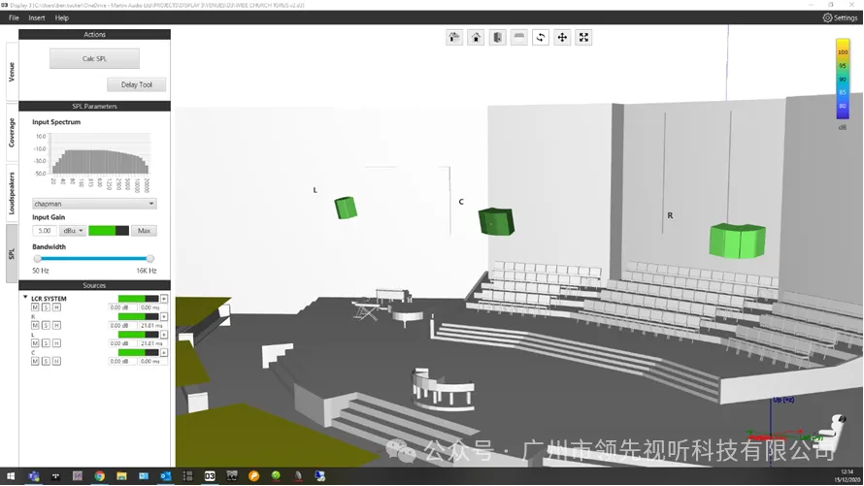
Aside from concerns about sound escape beyond the structure, Sam Millen also had to work assiduously with the DISPLAY software’s ‘Hard Avoid’ feature inside, as Timmins explained. “The room is reflective, with a silvery stage covering, so we had to keep the sound off the side and especially off the back wall.”

TORUS T1230s were designated for nearfield coverage. “But that also provided challenges; because of the increased height of the stage [the audience] was having to look upwards; therefore anything on the front edge of the stage would have obscured the video.” In the event they managed to locate the four TORUS boxes in the pit on stands. Completing the soundscape, 12 WPS enclosures were used as in- and out-fills.

Set in a large Big Top Stage #3 presented less of a challenge for 22live. Here they flew two hangs of 12 WPL, underpinned by a further spaced array of 16 SXHF218 subs, in eight stacks of two—and this time no delays were required.

All main passive PA systems on both stages were powered by Martin Audio iKON multi-channel DSP amplifiers in 1-box resolution, with the delays in Steel Yard run in 2-box res.

Crew boss for both stages was Nick Jackson, with Sam Millen system teching Steel Yard and Neil Winterbottom doing likewise on Stage #3.

Reflecting on the event, Paul Timmins said, “I think we achieved what we set out to achieve and on the evidence of that we wouldn’t be looking to change anything for next year. Let’s just say the SPL was significant!”

Very much like artists speaking about “their difficult second album”, he concluded, “It’s always good to nail an event in its second year.”

Watch the Rigs At Gigs video:https://youtu.be/8E48-g6l2WE

Photography by Geoffrey Hubbel/LarMacLive.

Click here for original article.