Categories
HH Electronics LEA Professional Optimal Audio

Speaking Easy

An upgraded venue in Mumbai boasts one of the first Optimal Audio installations in India. Caroline Moss reports from Permit & Co

In 1949, liquor was banned in the city then known as Bombay. To circumvent this drastic measure, it wasn’t long before “Aunty Bars” started popping up: hostelries run from the living room of enterprising housewives, where alcohol was served alongside homemade snacks. By 1972, the law was loosened up as permits to drink alcohol on licensed premises became available, and the permit room was born.

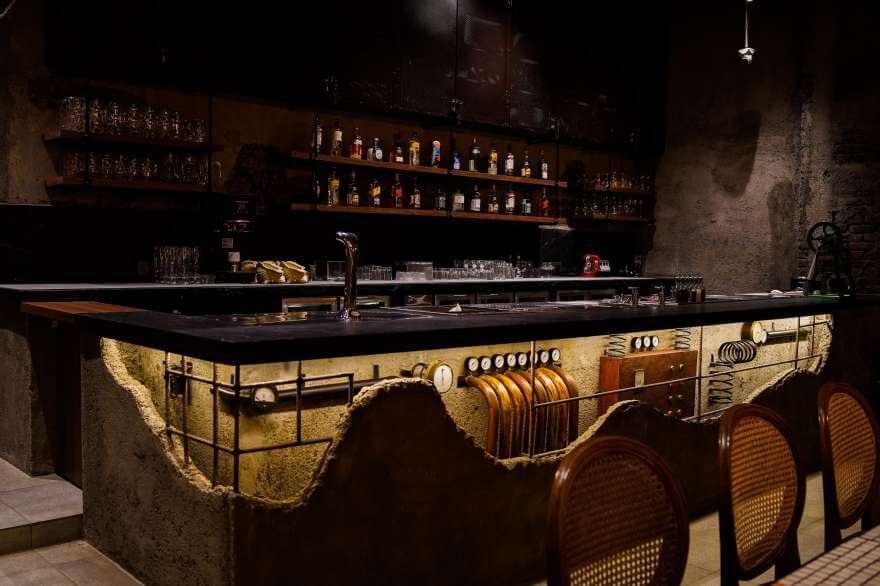
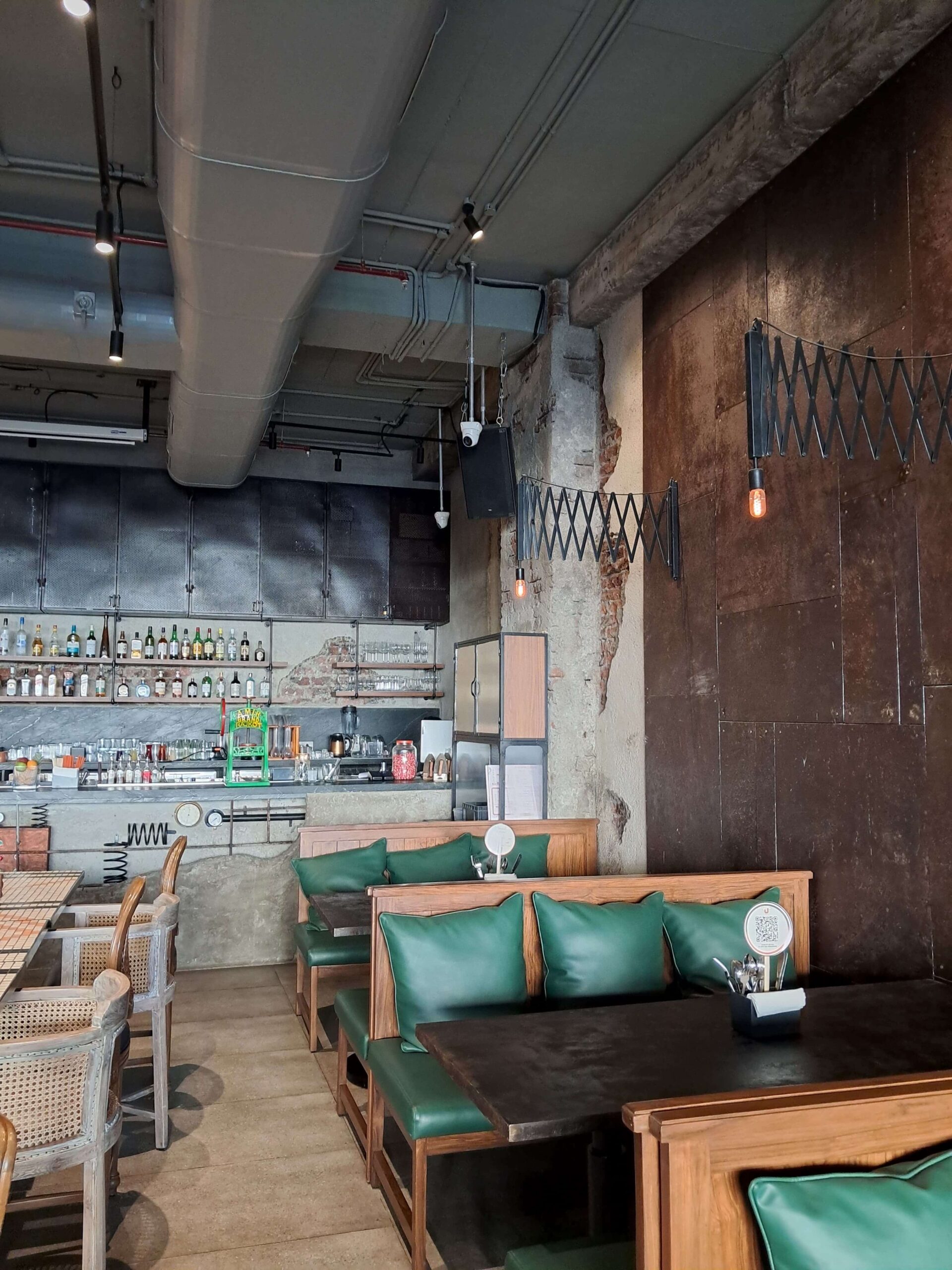
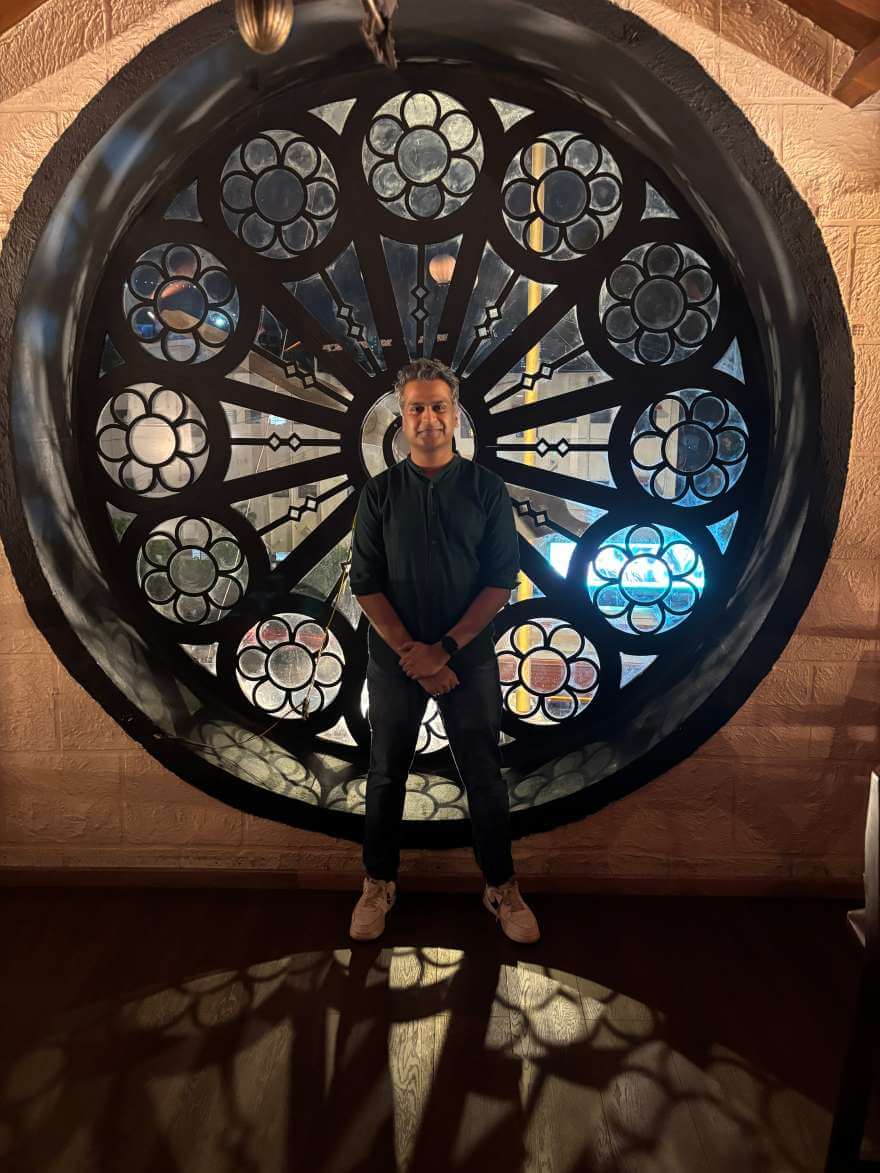
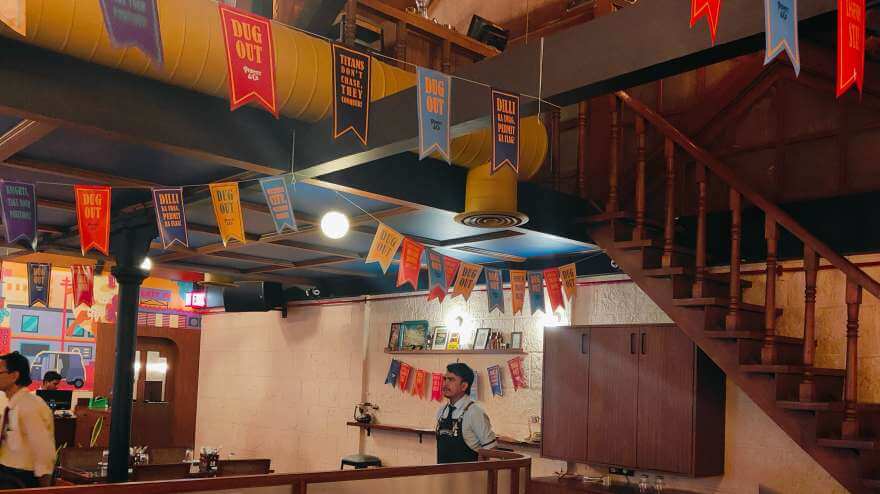
Permit & Co seeks to recreate those heady times. Located in a 150-year-old former cotton mill in Lower Parel, the venue is owned and operated by Aditya Vijay Hegde. Serving food and cocktails inspired by Bombay’s rich and nostalgic heritage, it’s prohibition with a modern twist.

“We’ve moved from the colonial era to retro 1970s,” explains Hegde with a nod to Gymkhana 91, the previous outlet he ran for eight years on the premises. This called for a new sound system. “We wanted to be a high-energy bar but, at the same time, for people to be able to converse clearly,” he continues. “In India, many people still feel that good music is loud. I was looking for different options, and for what would work. We also put on live performances, so it would need to handle that as well as DJ sets and background music.”

Audio Technik India, which had installed the original system at Gymkhana 91, was called in to suggest an upgrade, organising an Optimal Audio demo. “Even though the volume is pretty high, the sound only goes where we want it, because Audio Technik tuned the system well,” continues Hegde. “The precise placement of the speakers is what makes it work. Once again, Audio Technik provided a great service, listening to any changes we wanted. They will also provide ongoing maintenance if we need it.”

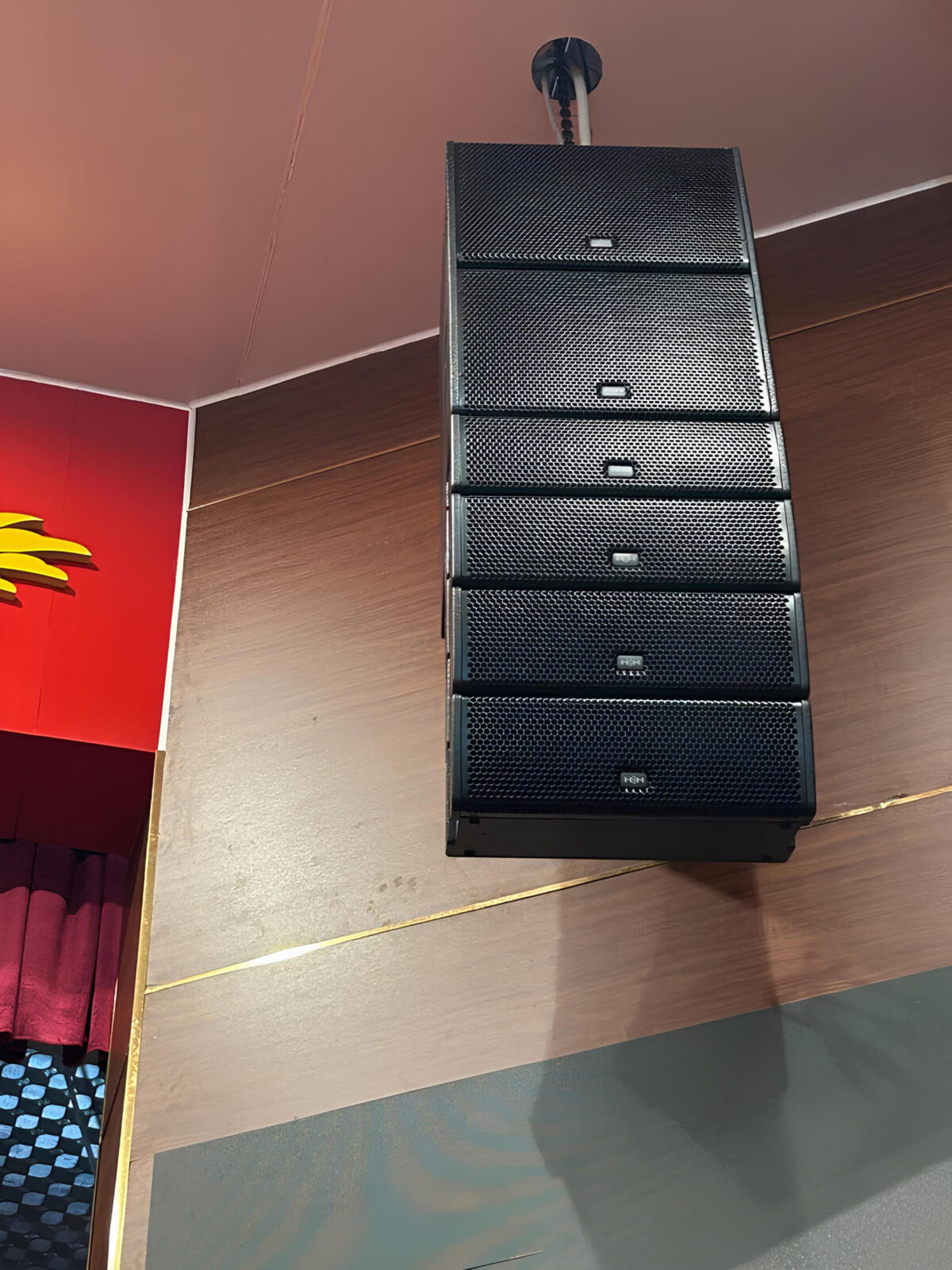
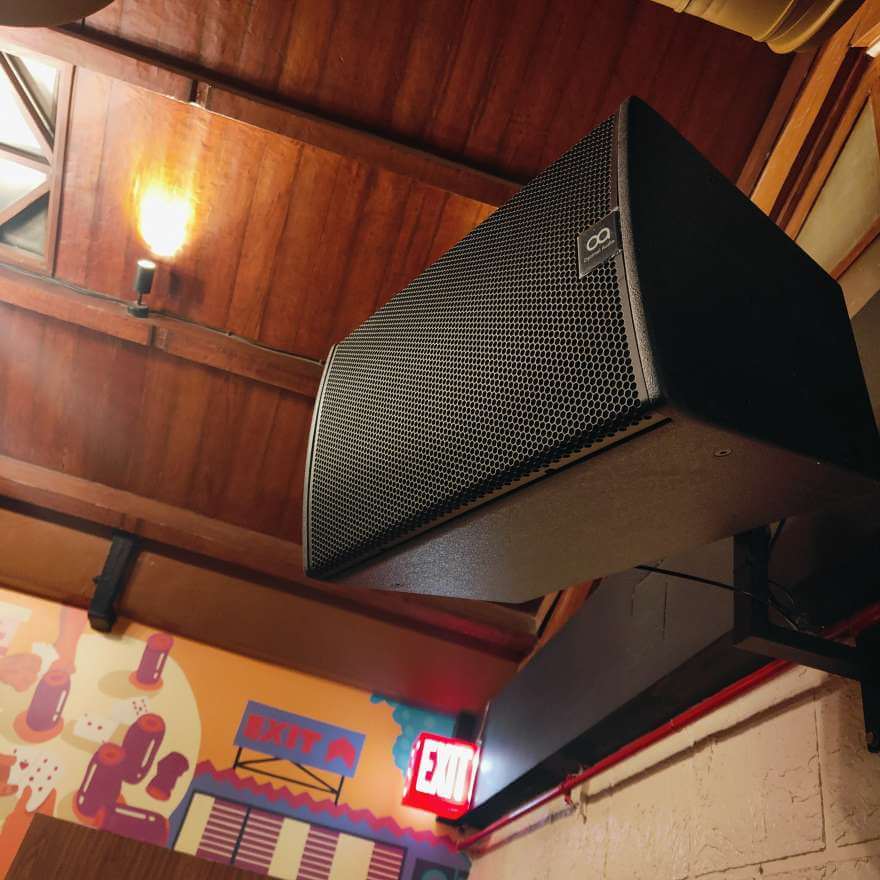
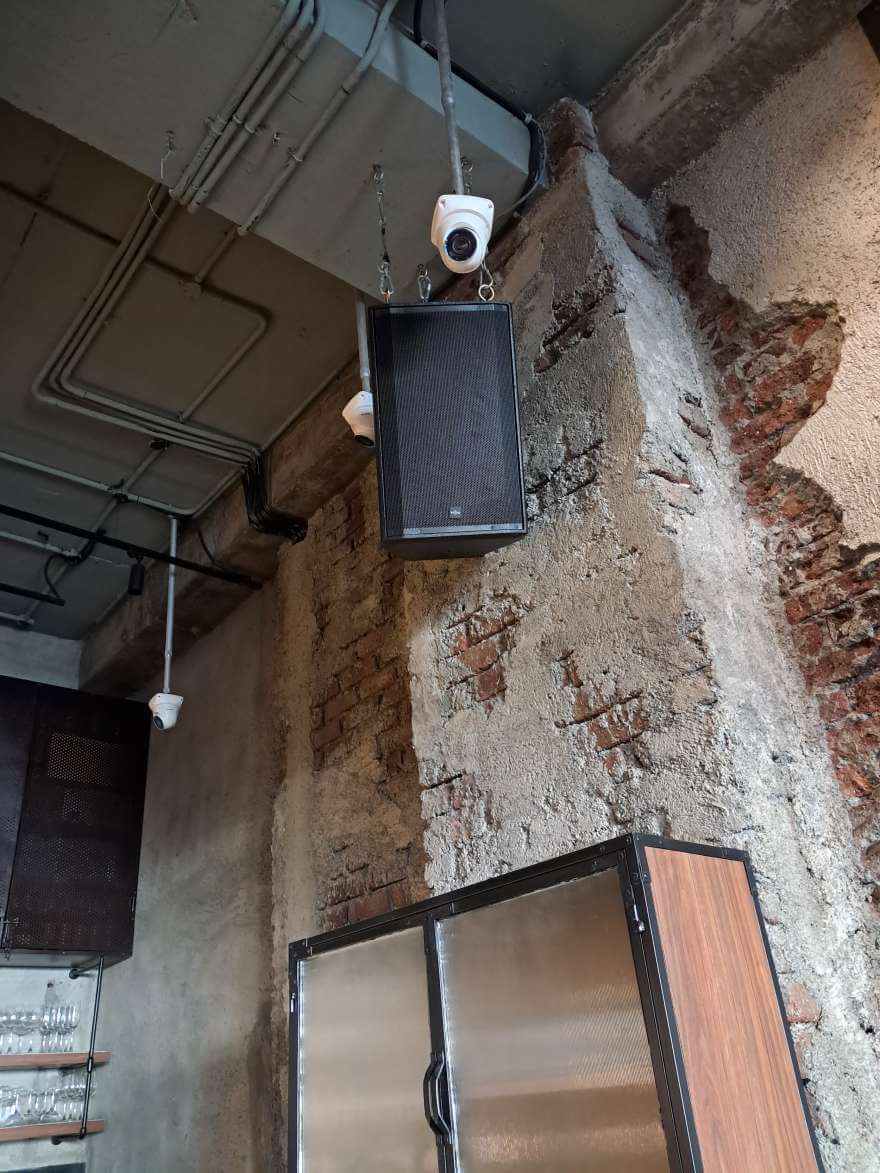
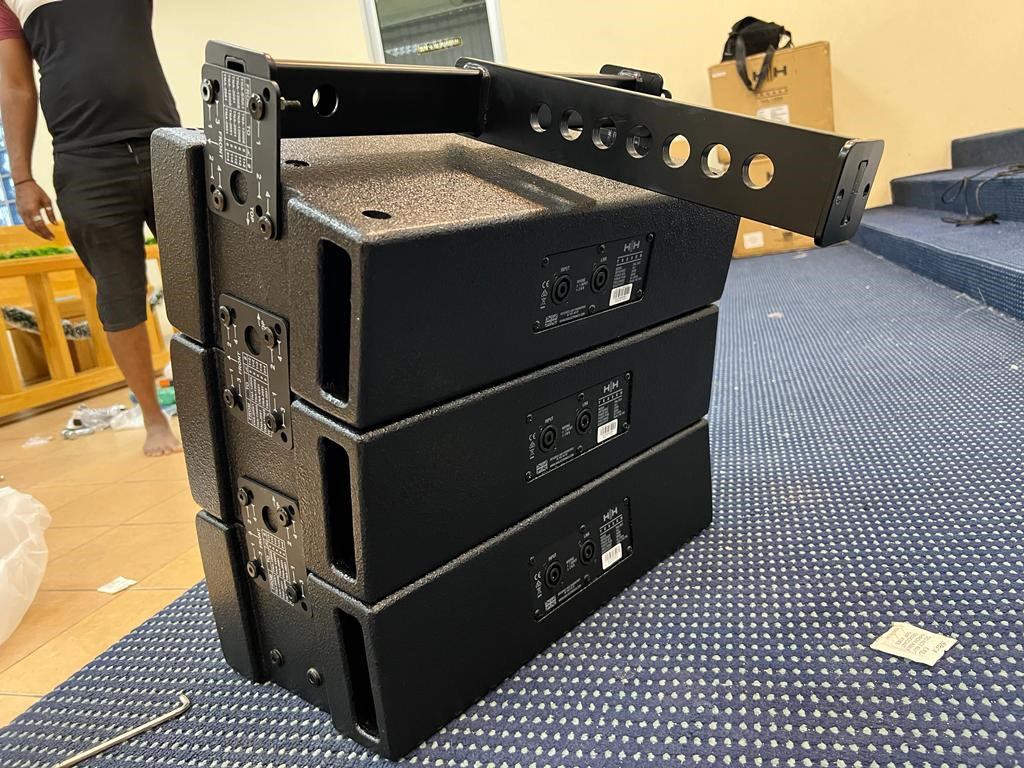
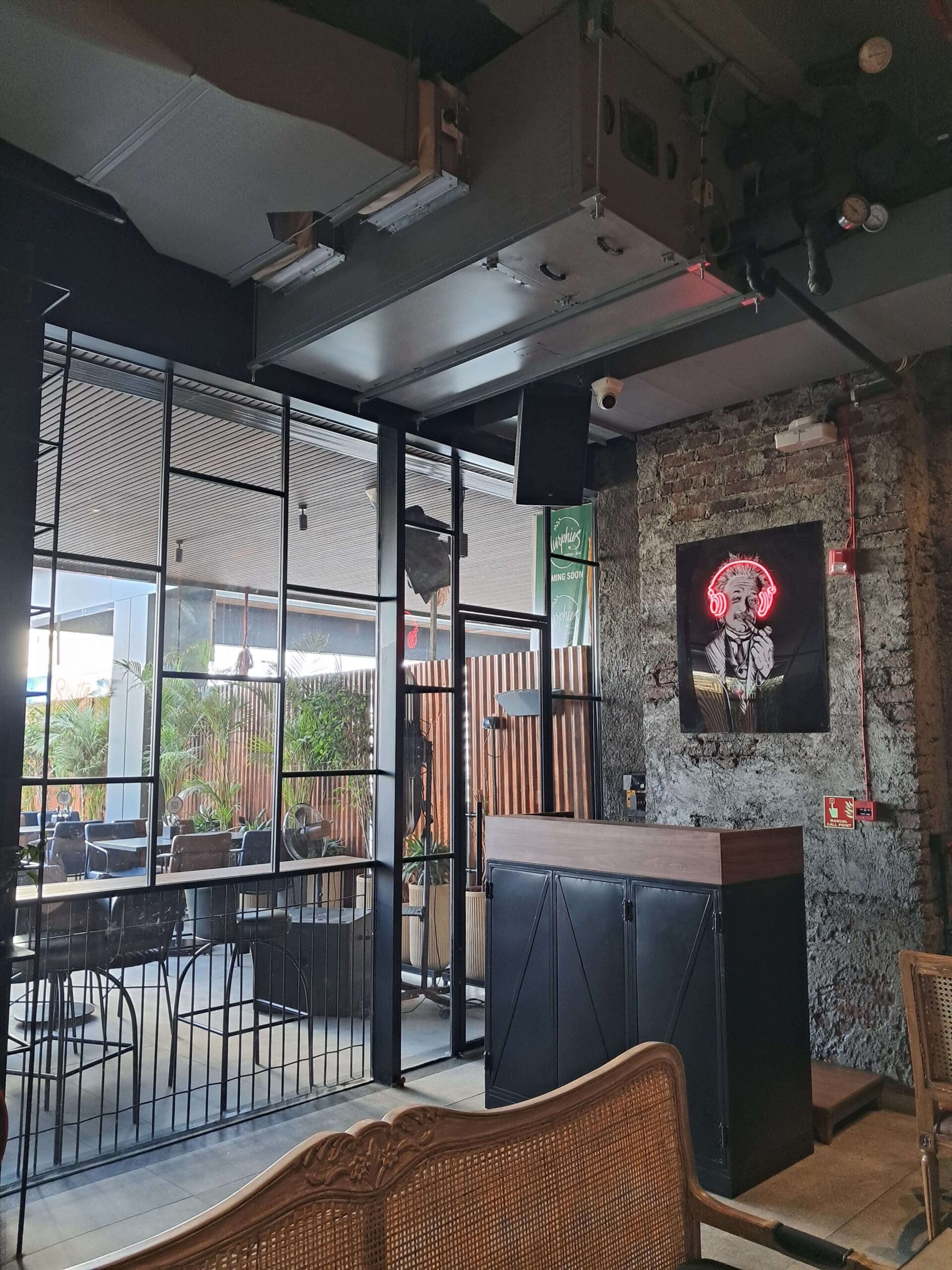
The carefully focused system comprises two Optimal Audio Cuboid 15 and two Cuboid 12 passive 2-way speakers, powered by an LEA Professional CS1504 high-power, 4-channel smart amplifier with low frequencies handled by an HH Audio TNA-2800SA active subwoofer. DJ and band monitoring is via an HH Audio TRE-1001 active speaker with onboard DSP, speaker management is via an HH Audio SP26 2-in/6-out digital system and an HH Electronics Q16FX 16-channel analogue mixer handles live performances.

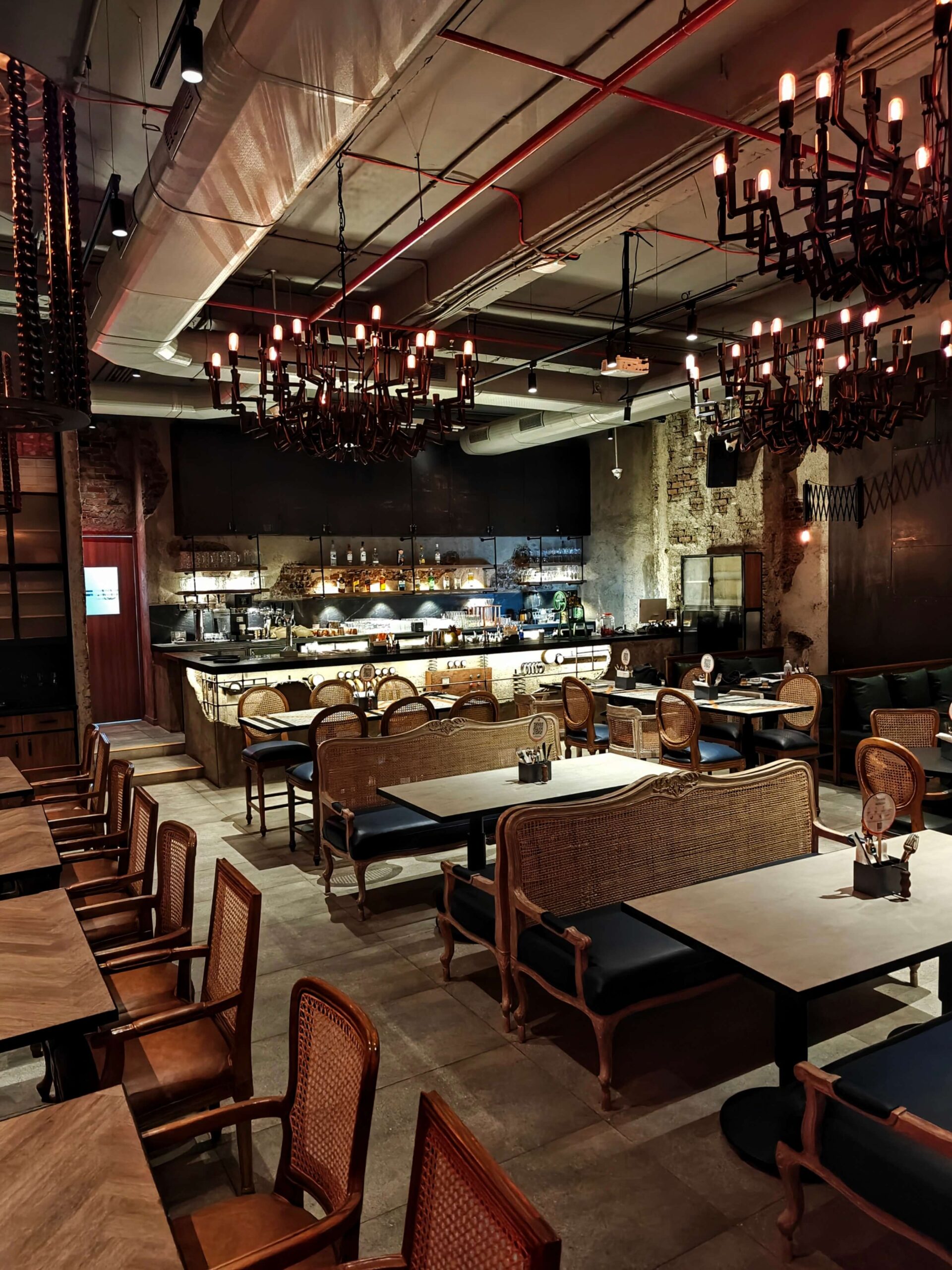
Precise speaker placement and tuning were vital in this heritage building, as its beautiful colonial-era windows and Burmese teak ceilings precluded the installation of any acoustic treatment. “The issue with heritage buildings is you can’t really touch the interiors,” explains Prashant Govindan, director of Generation AV, which represents Optimal Audio and HH Audio in India and worked closely with Audio Technik to carry out a product demonstration and find the best solution for the client. “You visit the premises with a conservation architect who gives guidelines, which are especially important in this part of Mumbai, with its colonial architecture. Aditya was keen to keep it that way; he brought it back to its original glory, and he needed a sound system that complemented the ambience he wanted to create.”

With Hegde expressing a preference for what he termed a “British” sound, Optimal Audio was deemed a good choice. “It comes from the Martin Audio lineage after all, and retains the ethos of the brand,” continues Govindan. “We created presets on the LEA CS1504 amplifier to give the sweet sound Aditya was looking for and reduced the complexity of the signal chain. The Optimal Audio Cuboid speakers allow you to focus on the audience without the sound bouncing off the walls – a design challenge we overcame because there are so many reverberant surfaces.” Flexibility is enhanced by the Cuboid’s rotatable high-frequency horns providing 80° x 50° (HxV) coverage.

The 4-channel amplifiers can be easily scaled up if needed. “You’re not locked into any configuration with LEA, because it’s a digital amplifier and factory-approved presets of any loudspeaker brand can be downloaded from their websites, which makes the integrator’s life that much simpler,” explains Govindan. LEA’s Connect Series also offers different methods of network connectivity including Dante, AES67 and the cloud, giving options for future expansion.

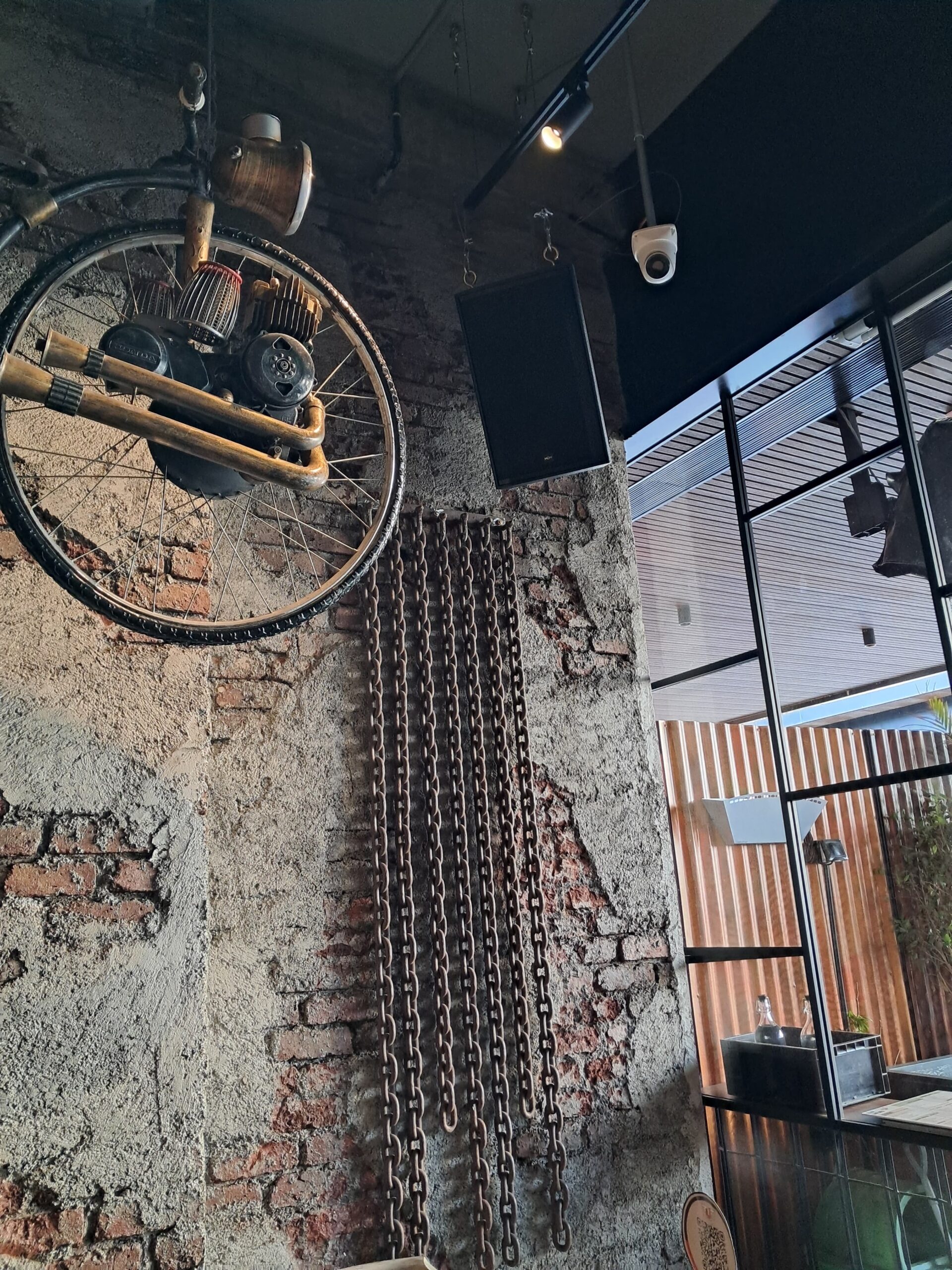
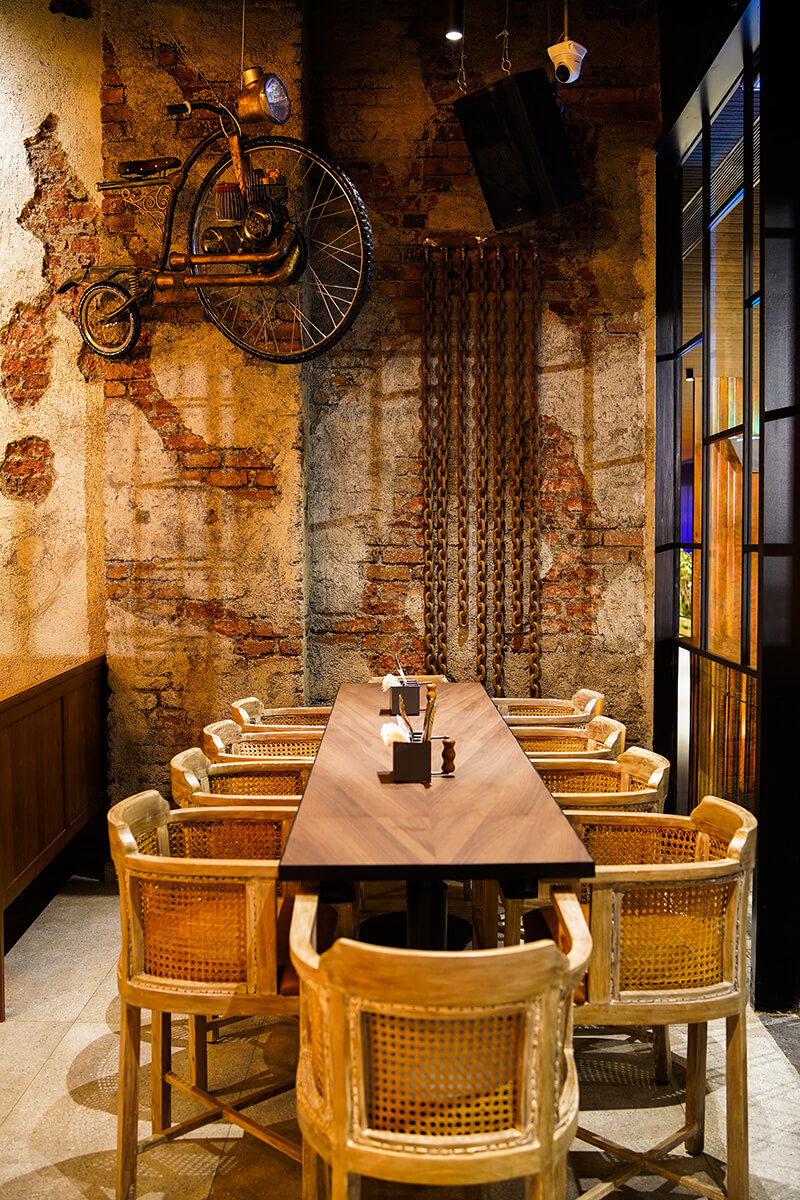
With a seated capacity of 150, Permit & Co hosts an eclectic mix of DJ and live music performances throughout the week. Furnished with antique bric-a-brac sourced from Mumbai’s Chor Bazaar flea market, hung with Bollywood posters and 1970s’ prints and handing out novelty permits at the door, this retro venue is certainly keeping nostalgia alive and well in Lower Parel.

Thanks to

Installation Partner: Audio Technik India

Click here for original article.

Categories
HH Electronics LEA Professional

HH Audio reinforces fun Japanese dining concept in Mumbai

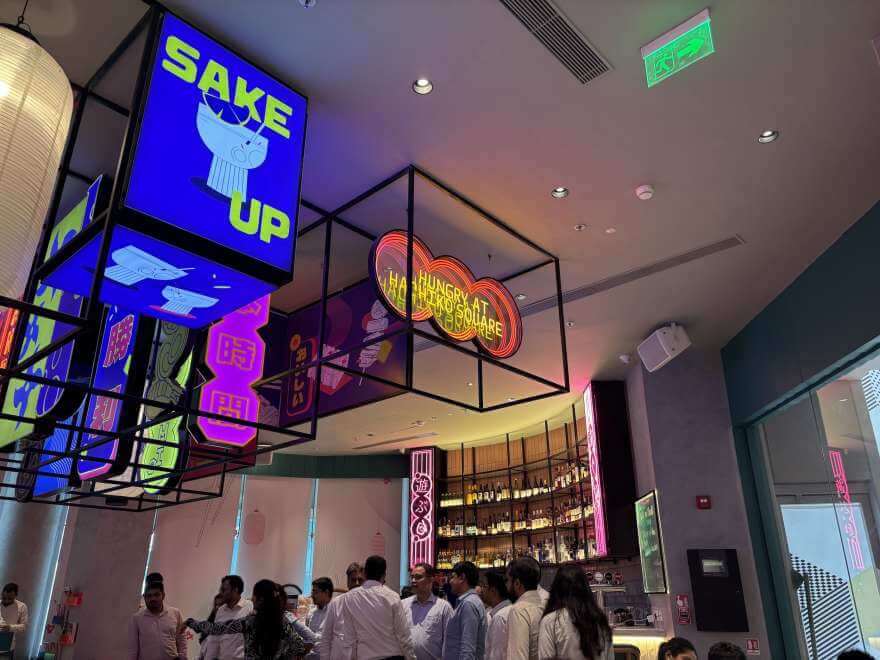
India: A new outlet of the Japanese-themed Harajuku Tokyo Café chain has opened in Mumbai’s BKC district with a sound system featuring HH Audio speakers powered by LEA amplifiers. The installation was handled by systems integrator Varun Dua of Bassline AV Technologies, who has installed similar systems into several Harajuku Tokyo Café outlets in the north of India. Both brands are represented in India by Generation AV.

“HH is a very flexible, multi-use brand which fits well for a venue like this, which plays background music during the day as well as DJ music and karaoke in the evenings,” explains Dua. “HH Audio with LEA amplification is a good combination, and we get brilliant service support from Generation AV. I was one of HH Audio’s first partners three years ago, when Generation AV starting representing them in India, and I’ve used them for several pan-Indian chains and retail outlets I work with.”

The main system consists of four white HH Audio TNi-W8PRO-WH 8-inch passive speakers supported by two TNi-W6 6.5-inch speakers used as delay fills, and a TNA-1800S subwoofer for low-frequency reinforcement. The entire setup is powered by a single LEA Connect Series 1504 amplifier. Dua used the amp’s built-in DSP to fine-tune the audio, ensuring optimal coverage in the centre of the room while minimising reflections from the floor-to-ceiling windows. Harajuku’s own playlist sets the tone during the day, with DJ sets for special events. Every Friday evening, a projector screen drops down for karaoke – or “Harajukuoke” – as a mic is passed around to willing participants.

“This is a new concept in India, where Japanese cuisine is typically presented in a formal dining context,” explained marketing manager, Khushe Taylor. “We position ourselves as as fun dining outlet, not fine dining, because we want everybody to enjoy Japanese culture and food.

“We play a mixture of J-pop and K-pop along with other styles of music, and it changes throughout the day. The sound system is very flexible: it works for having conversations earlier in the day and also has enough power to ramp up during the evenings.”

Having recently secured a new round of funding, the Harajuku chain – owned by entrepreneur Gaurav Kanwar, who opened the first branch at the age of 25 – is aiming to expand into 15-20 outlets in the next two years, with a planned eventual total of around 90 pan-India.

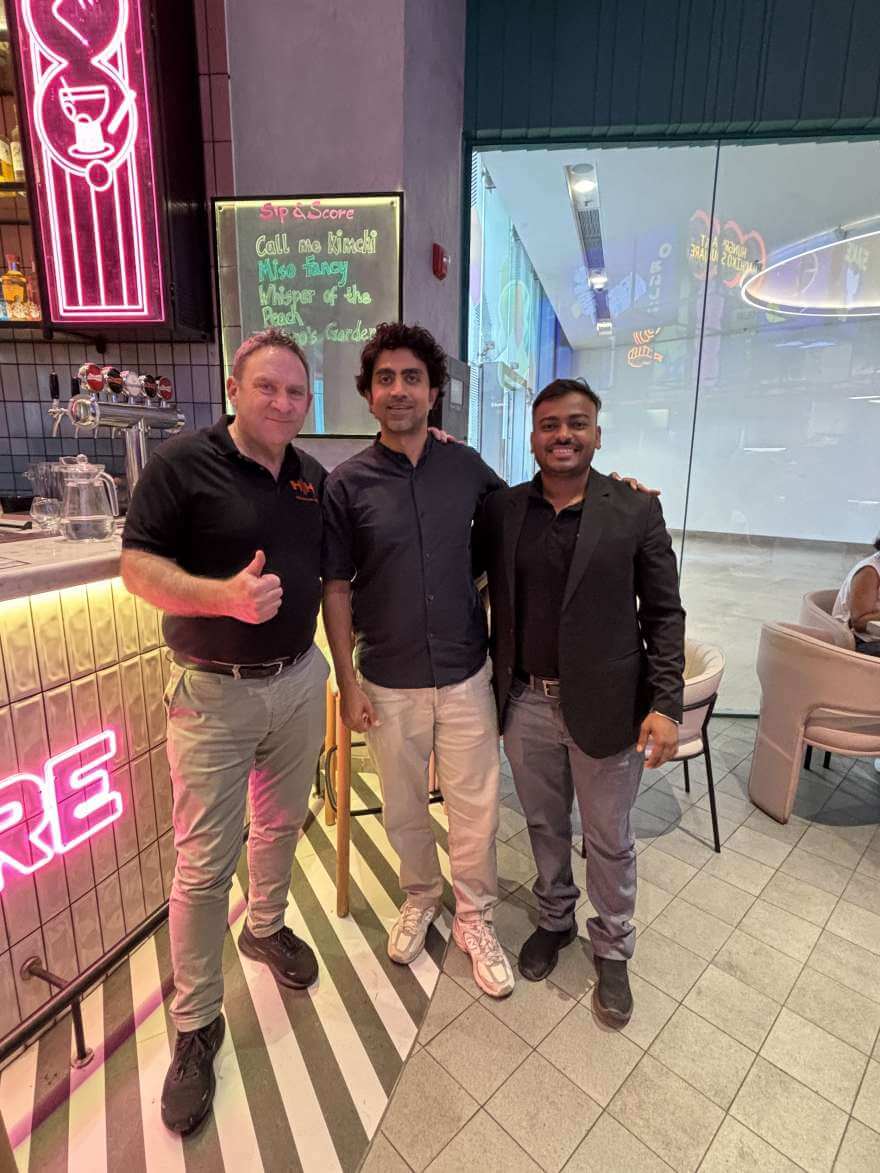
L–R: HH Audio's Ian Wright, SI Varun Dua and Generation AV's Vijay Kamble
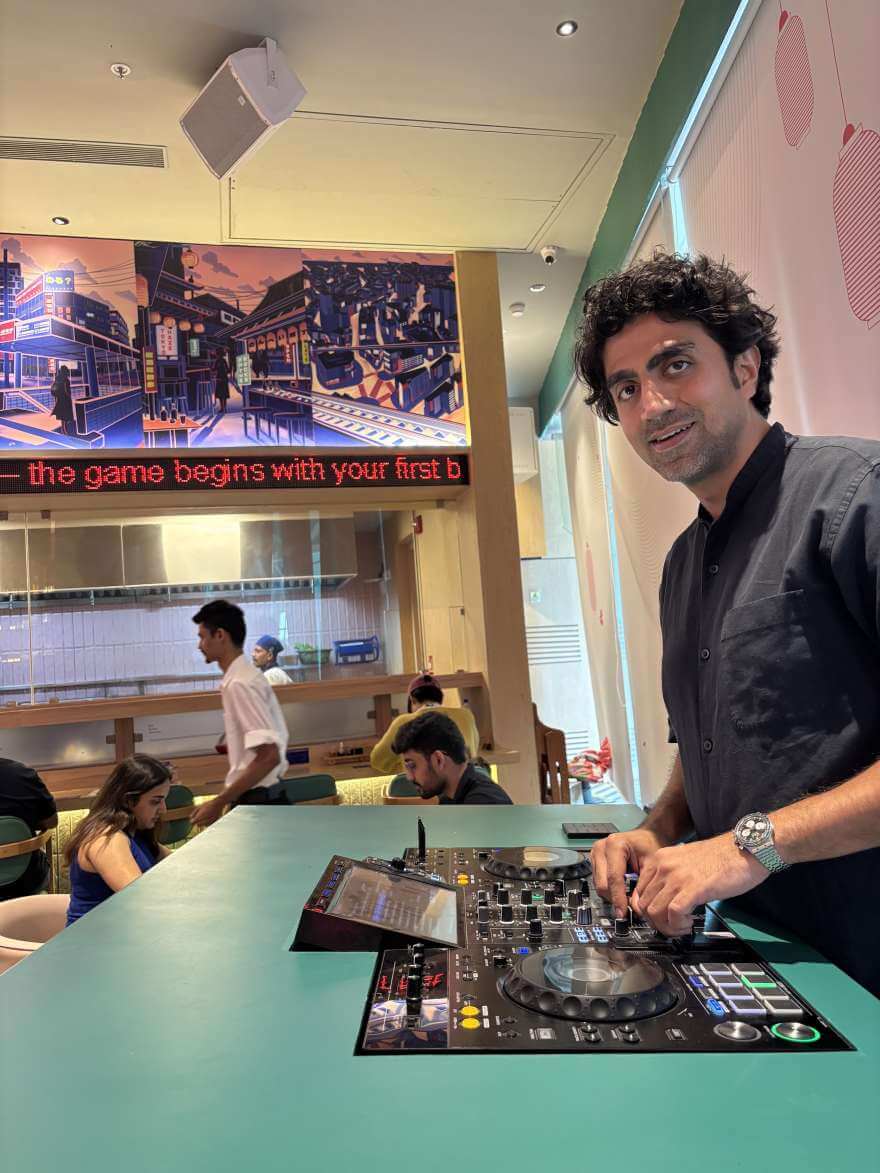
Varun Dua takes to the decks at Harajuku Tokyo Cafe

Click here for original article.

Categories
HH Electronics LEA Professional NST Audio Optimal Audio

Optimal Audio impresses at Luft – The Air

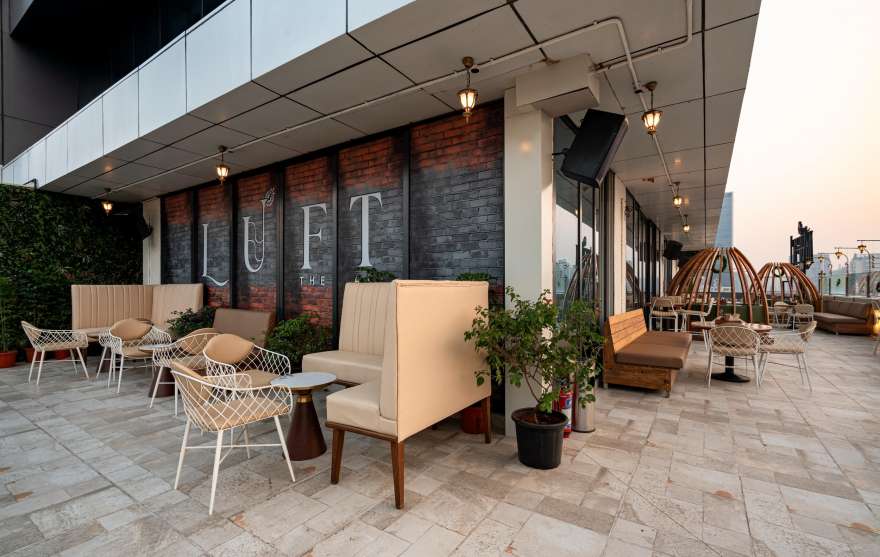
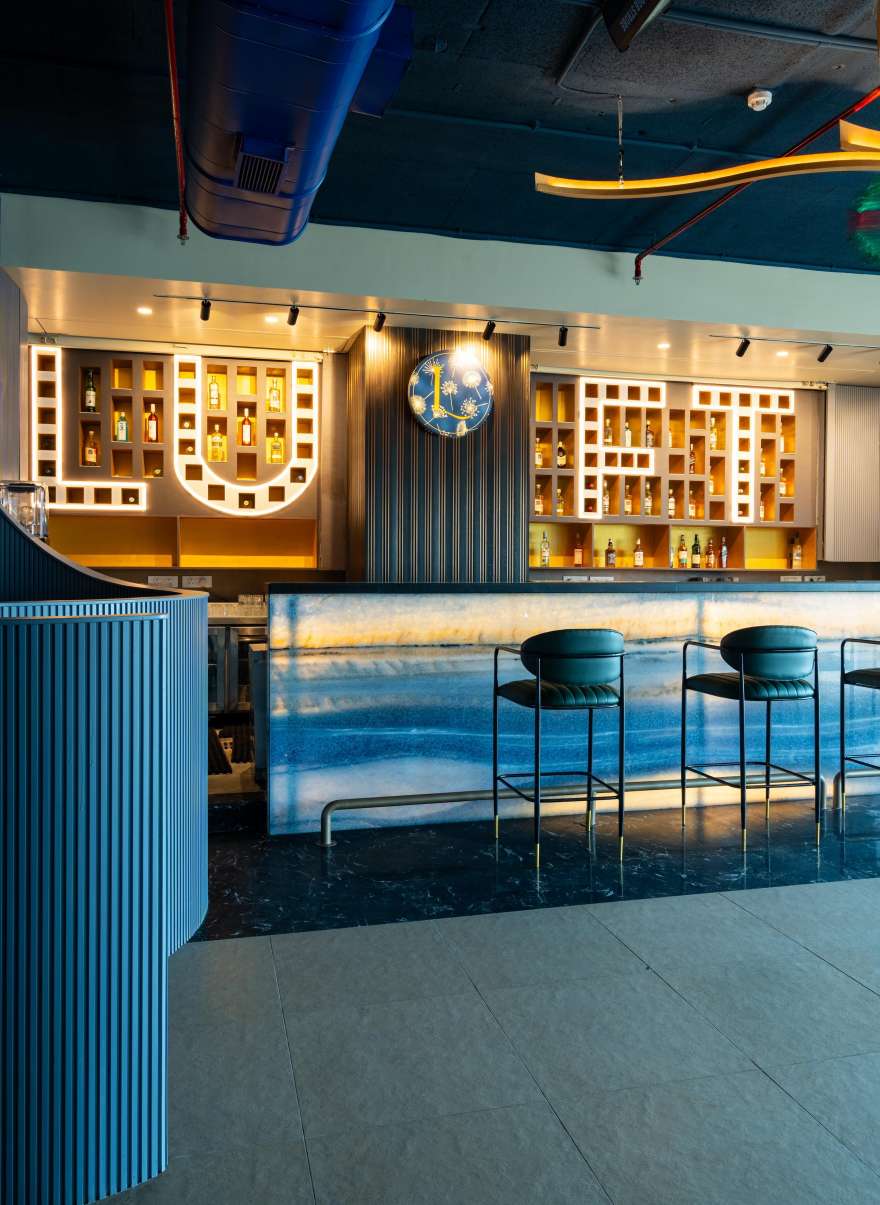
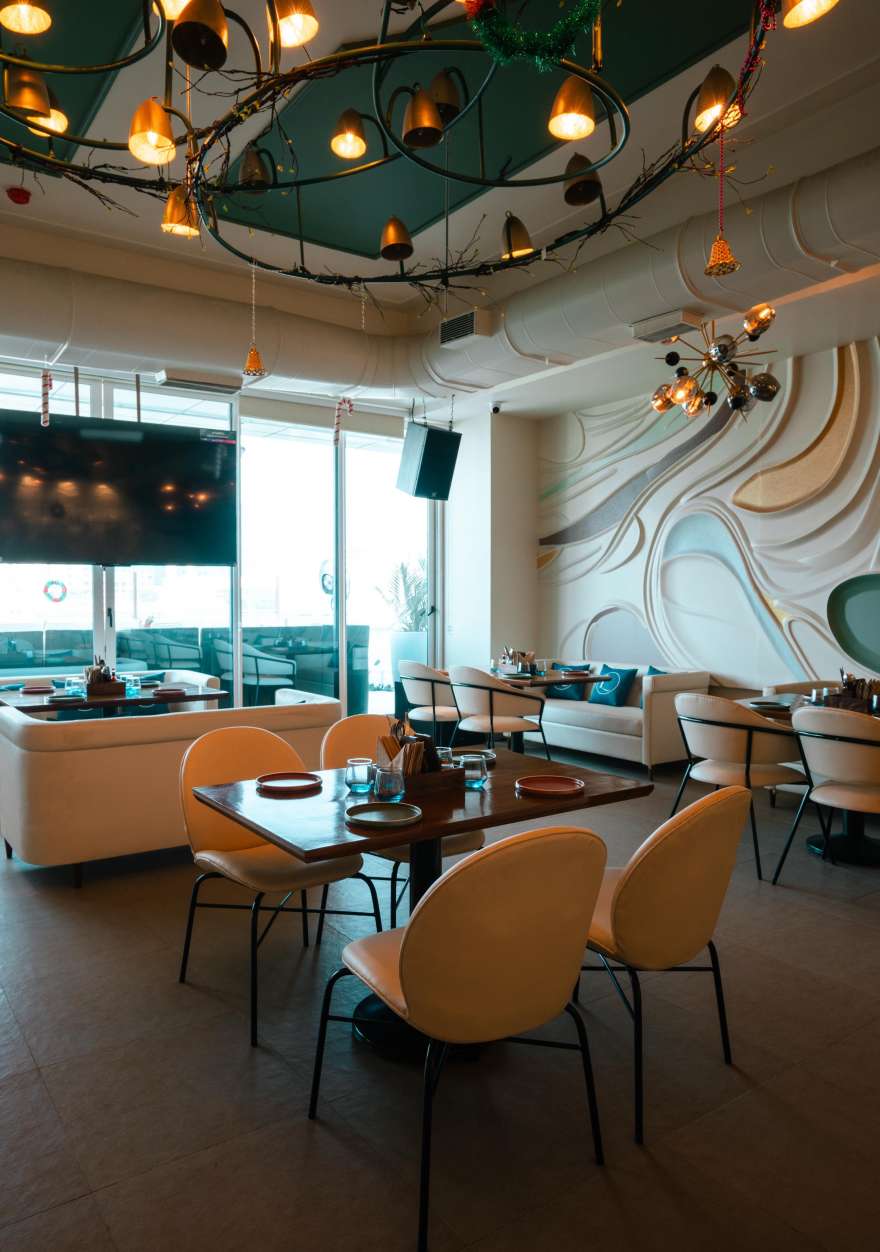
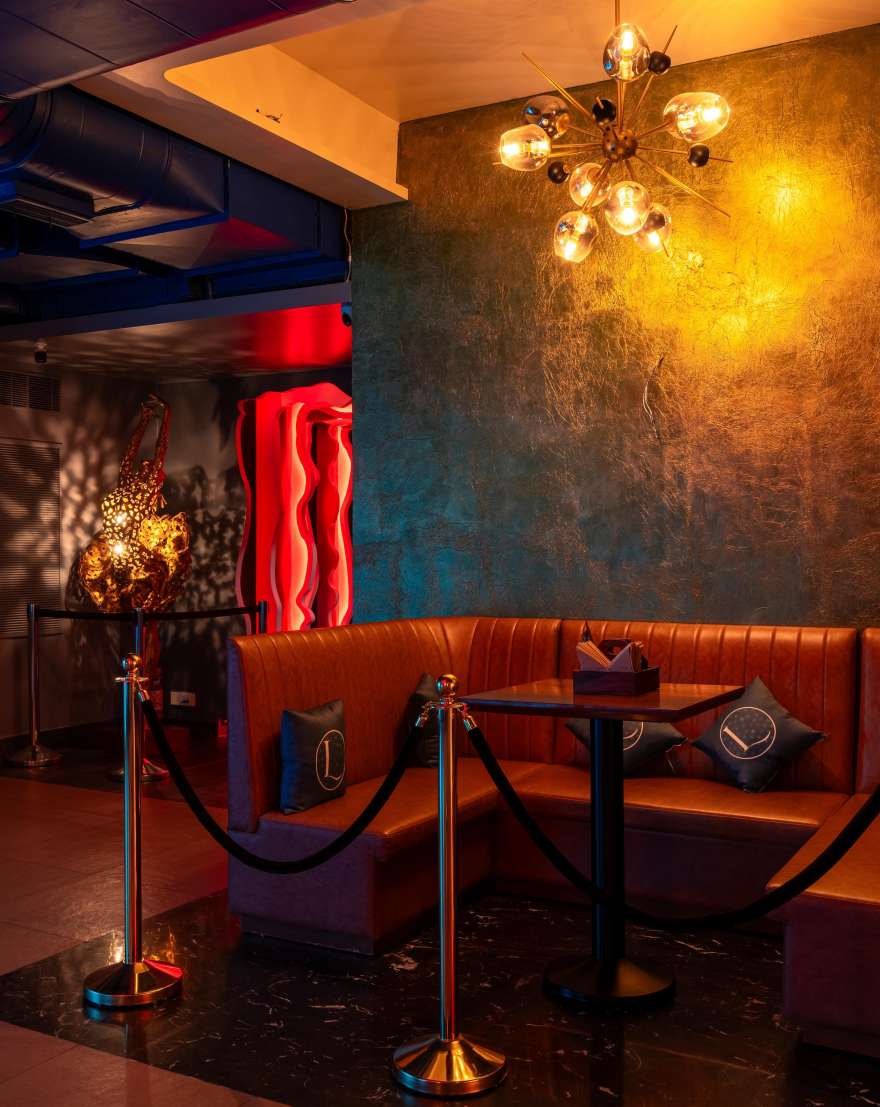
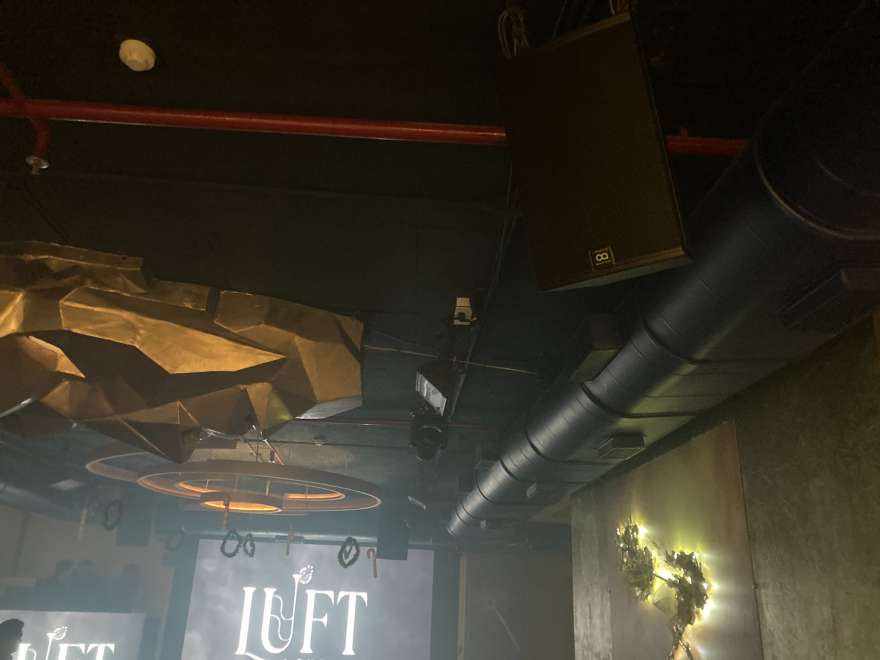
India: Situated in the heart of the Andheri West entertainment district in Mumbai, the Luft – The Air bar features an Optimal Audio sound system, installed by Generation AV. Sitting amongst a collection of Bollywood studios and neighbouring the Yash Raj Films studios, the venue attracts a young crowd of Bollywood stars and aspiring actors.

When Luft – The Air changed ownership, the venue began a renovation project which included the installation of new sound systems to impress its patrons. Measuring approximately 5,000m2, with capacity for up to 1,500 people, the bar is split across three distinct zones which can be rented out for separate functions or combined into one space. It plays mostly DJ music, focusing on the techno and house genres, as well as hosts events such as Bollywood nights and a Sundown party.

With the owner specifying “British tonality”, Generation AV set up a demonstration of two British brands, including Optimal Audio. The team played a set of tracks supplied by the owner at Mumbai’s Gymkhana 91 Bar & Kitchen which features a newly installed Optimal Audio system.

“The owner loved the tone of Optimal,” noted Prashant Govindan, head of Generation AV India. “Within five seconds of hearing the system, he decided the brand was the right fit for his venue and asked if we could recreate the system for Luft – The Air.”

The bar
Dining area

The venue has been outfitted with a three-way system featuring 20 Optimal Audio loudspeakers, including two Cuboid 15, four Cuboid 12, 10 Cuboid 10 and two Cuboid 8 loudspeakers for tops. This is complemented by two TNA2800S and four TNA1800S subwoofers from HH Audio for the low end. LEA amplifiers power the tops, with HH Audio amps deployed for the subs. NST Audio’s VMX 88 controls the entire system and all the DJ inputs are routed into the VMX 88. The entire setup can be intuitively controlled via an iPad or on a touchpanel, enabling staff to combine the three zones or separate them for different functions. Additionally, the NST Audio system features Dante processing and a 16 out option was implemented, enabling future expansion.

A private dining area

According to Govindan, the bar’s DJ, Goku, was one of the big influencers for choosing Optimal Audio. “Goku was very clear that he didn’t want to be messing around with knobs and fiddling around in settings,” said Govindan. “He liked the fact that, compared to analogue systems, with Optimal Audio everything is already preset.”

Another advantage offered is the LEA and NST Audio systems are completely automated and can be controlled from anywhere, meaning visiting DJs don’t need to know the intricacies of the system and can just “plug and play”.

“I visited the venue on the day it opened and, of course, Luft – The Air’s frequent customers from the Bollywood world go to a lot of parties,” noted Govindan. “While I was there, I spoke to a few people and they said that the system was by far the clearest sounding they had heard in Mumbai. For me that was a validation that the project was a success.

Click here for original article.

Categories
HH Electronics

HH Audio enhances Urban Foundry in Pune

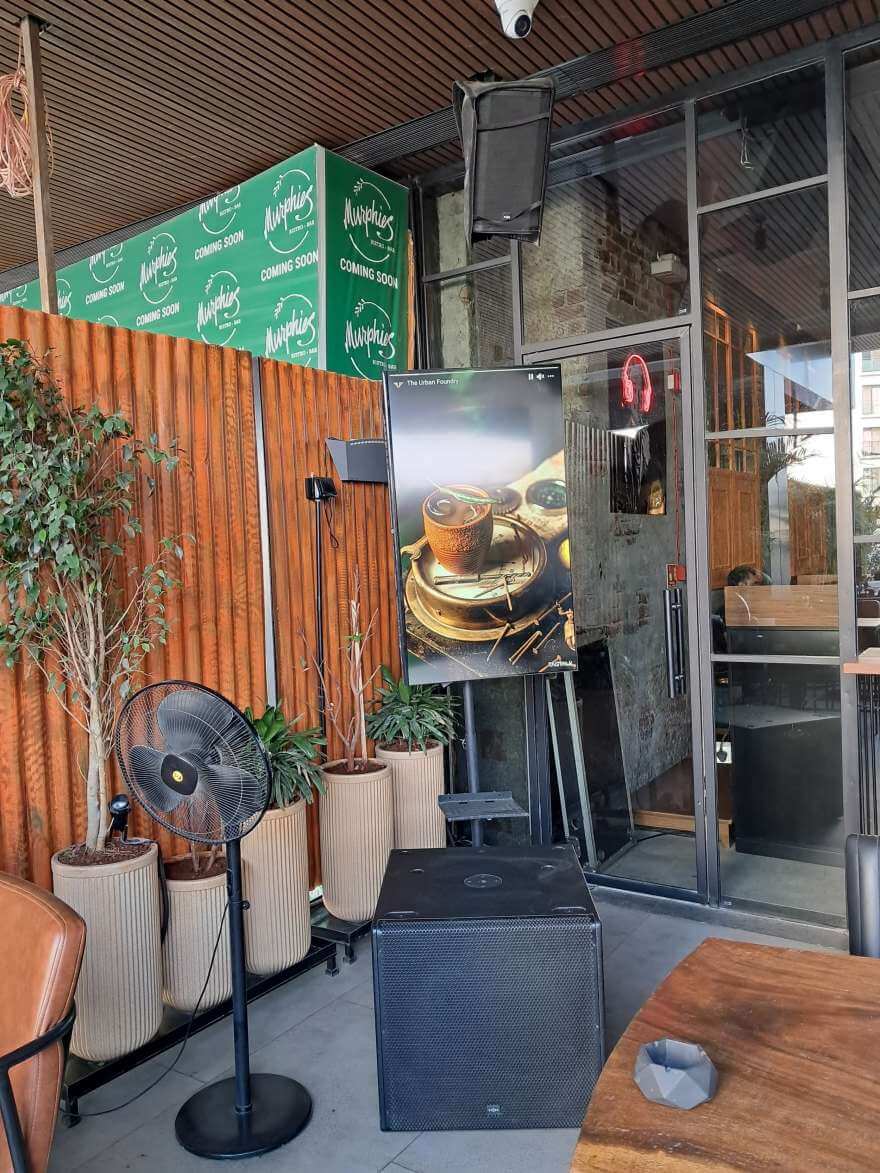
The Urban Foundry is a popular all-day bar and eatery in the NIBM area of the Indian city of Pune. The industrial theme of the venue creates a unique ambience in which customers enjoy a wide range of beautifully presented local and international cuisine. Music plays an important part in maintaining the atmosphere in The Urban Foundry’s always busy setting, and the venue’s management recently enlisted the services of distributor Generation AV India and Pune-based integrator Audio Groove, to supply and install a high quality sound system for the venue.

An HH Audio system based on the company’s Tessen Series of installation speakers was the perfect choice according to Kishore Shetty of Urban Foundry:

“Both Generation AV India and Audio Groove have been exceptional partners in every aspect of this project. From the outset their team did a fantastic job of recommending a system that suited our budget, the space, and the unique challenges of our location. The installation was smooth and the system is fantastic. HH Audio sound quality has completely transformed the atmosphere of our restaurant, creating the perfect vibe for our guests. It’s truly one of the best setups we’ve ever had – the attention to detail was evident throughout the process.”

Audio Groove supplied and installed a system comprising HH Audio Tessen TNi-W12Pro and TNi-W8Pro 2-way, full-range loudspeakers (12” and 8” respectively) supported by TNA1800 passive subwoofers. The system is driven by HH Audio M-Series amplifiers (M-1500D and M-750D) and controlled by an HH Audio SP48 digital speaker management system.

Kishore Shetty reflects on a successful installation:

“The support we received from Generation AV India and Audio Groove has been phenomenal. They were always on hand to answer any questions, offer advice, and ensure everything was running perfectly. Their Professionalism and commitment to delivering top-tier service from start to finish was impressive from start to finish.

“We’re incredibly glad we chose HH Audio for this project. Product quality, design and performance made for a perfect audio solution. We couldn’t be happier with the outcome.”

Click here for original article. Thank you ProAVL Asia.

Categories
HH Electronics

HH AUDIO SELECTED FOR NEW GOVERNMENT CENTRE IN VIETNAM

DL Pro Company Ltd supplies and installs HH Audio TNA line array for Administrative and Political Centre in Hai Phong

Vietnam’s third largest city Hai Phong is a major port in the northeast of the country. Recent development of the North CamRiver New Urban Area in the city has seen the establishment of a number of new facilities, not least of which is the eye-catching Administrative and Political Centre. Recently completed at a cost equivalent to 107 million USD, the centre’s two basement levels and nine above ground floors house the Municipal Party Committee and People’s Council, as well as the offices of government departments and judicial agencies.
 
An important feature of the Centre is its Main Theatre which is used for a wide range of presentations and events. High quality audio was an essential requirement for this facility, as well as for the Centre’s conference room. Audio experts DL Pro Company Ltd (part of the AVTED Group) designed, supplied and installed HH Audio systems for both spaces, with the main space benefitting from HH’s TNA line array – perfect for this kind of medium-sized application.

The theatre system comprises 4 x TNA-2051 (2 x 5” passive speaker) and 2 x TNA1200S (12” passive subwoofer) flown per side, with a further 2 x TNA-2051 as centre fills (on stage) and a single TNA-1800S (18” passive subwoofer) per side. The system is powered by HH M-1500D amplifiers, with stage monitoring comprising 4 x HH TRM-1201 active stage monitors.
 
For the smaller conference room, DL Pro installed a main front of house system comprising a single TRE-1501 (15” full-range active loudspeaker) and a TRS-1800 (18” active subwoofer) per side, supplemented by a number of wall-mounted TRE-1201 (12” active speaker) as sidefills.

Ian Wright, Global Sales Director for HH Electronics comments:

“DL Pro are doing fantastic work in Vietnam with our systems across a variety of applications. We’re very proud that HH Audio was chosen for this particularly prestigious setting. Projects of this type invariably demand high quality audio from a very competitive package, something that the TNA line array was developed to provide.”

Click here for original article.

Categories
HH Electronics

HH Q SERIES AND THE ART OF MIXING: FROM STUDIO TO STAGE

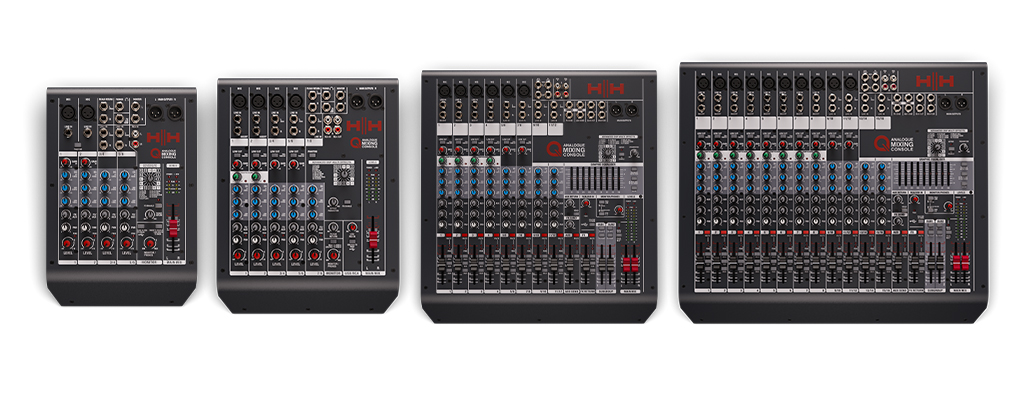
Meet the Q Series.

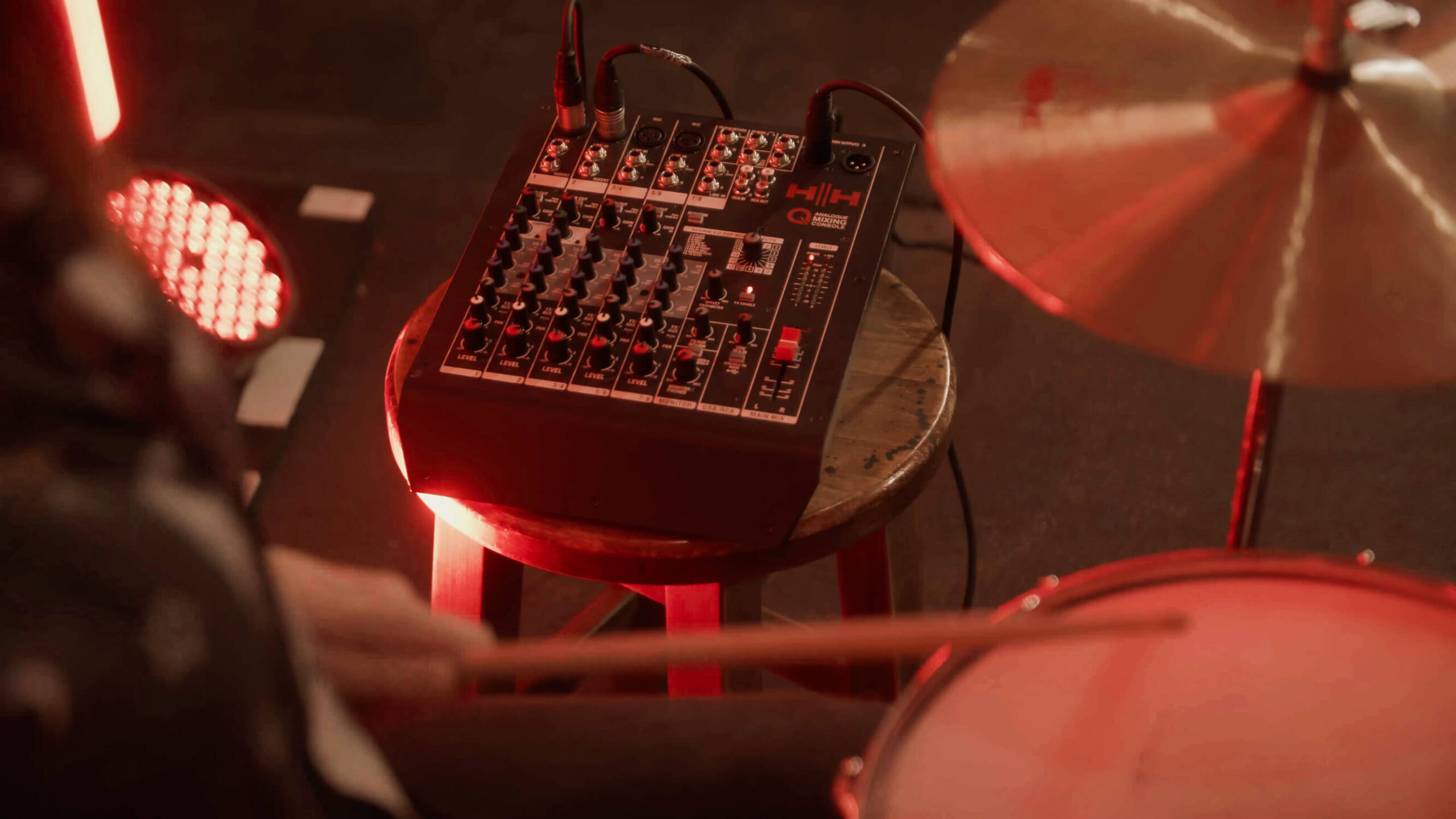
A series of 4 analogue mixing consoles which cover an array of live sound applications. Whether you’re podcasting, drum mixing, managing small ensembles, or handling live sound in churches and halls, the Q Series mixers are a fantastic tool to develop your mixing skills.

The Basics of Mixing

At its core, mixing is about balancing multiple audio sources to create a cohesive sound. The process involves adjusting levels, EQ, and effects for each input channel, and then combining them into a final output. Sounds simple, right? Let’s break it down.

1. Input Stage:

At its core, mixing is about balancing multiple audio sources to create a cohesive sound. The process involves adjusting levels, EQ, and effects for each input channel, and then combining them into a final output. Sounds simple, right? Let’s break it down.

Microphone Inputs:

  • Sensitivity: Microphone inputs are designed to handle very low-level signals, typically in the range of -60 dBV to -40 dBV.
  • Preamp: They include a microphone preamplifier to boost the weak microphone signal to line level.
  • Phantom Power: Many mic inputs provide phantom power (usually +48V) for condenser microphones.
  • Impedance: Mic inputs typically have a low impedance, around 1.5 kΩ to 3 kΩ.
  • Connector: Usually XLR connectors, though some mixers use 1/4″ TRS jacks for mic inputs.

Line Inputs:

  • Sensitivity: Designed for much stronger signals, typically around -10 dBV (consumer level) or +4 dBu (professional level).
  • No Preamp: They don’t include a preamplifier as the signal is already strong enough.
  • No Phantom Power: Line inputs don’t provide phantom power.
  • Impedance: Higher impedance than mic inputs, often around 10 kΩ or higher.
  • Connector: Commonly use 1/4″ TS or TRS jacks, or RCA connectors for consumer gear.
  • In the context of the HH Audio Q Series mixers:
  • The Q6FX has 2 mono input channels (which can accept both mic and line level signals) and 2 stereo line input channels.
  • The Q8FX features 4 microphone inputs and 3 stereo line inputs.
  • The Q12FX offers 6 mic inputs, 4 mono line inputs, and 4 stereo line inputs.
  • The Q16FX provides 10 mic inputs, 8 mono line inputs, and 4 stereo line inputs.

This variety of inputs allows these mixers to accommodate a wide range of audio sources, from microphones to instruments to audio playback devices.

2. Gain Staging:

Gain staging is the process of controlling the level of your audio signal throughout the entire signal path. Ensuring that you keep a clean signal that is well above the noise floor and can be processed without clipping or introducing unwanted distortion before being sent to your output source.

To begin, ensure that your sound sources are producing an appropriate level of signal. This prevents you from needing to add large amounts of gain to achieve a good level. There is a lot of input gain on tap with Q Series mixers (+5 to +45dB), however, a side effect of needing to add too much input gain to get to an appropriate level can be introducing unwanted noise into the signal path. So, getting the right level from your sound source will start you off on the right foot.

Next, adjust your input gain to give your signal enough headroom. Headroom is how much room your signal has before becoming distorted and clipping. This breathing space for your audio signal acts as a buffer to allow for any additional level you may introduce from EQing, enabling the built-in DSP effects or for dynamic changes from your sound source. Dynamic changes could be from electric guitar boost pedals or fluctuations in volume from your vocalist. Adjusting input gain for each channel so that the level peaks between -10 and -6dB is a good starting point.

Once your input gain is set you can move on to the built-in compressor featured on the Q8FX, Q12FX, and Q16FX. Compression helps to control the dynamic range of a sound source and is perfect for taming loud signals from sound sources with wide dynamic ranges whilst allowing quieter signals from the same source to be brought up to an appropriate level. The single knob compressor featured on Q8FX, Q12FX, and Q16FX mixers makes this process very easy.

Next, you can move on to shaping the tone of your sound sources with the 3-Band EQ. Note that by boosting frequencies you will be adding more gain to the signal path. Again, it’s important to leave enough headroom when setting your input gain to allow for this.

Always keep an eye out for the peak LED indicator illuminating on individual channels as well as on the main output meter. These indicators will highlight if there is a problematic signal clipping in your mix. Keep checking regularly as gain structure may shift during a performance.

Remember, proper gain staging is about finding the sweet spot where your signal is strong enough to maintain quality throughout the system, but not so strong that it causes distortion. It is a balancing act that becomes easier with practice and attentive listening.

3. EQ Adjustment:

Shape the tone of each input using the built-in EQ. The HH Q Series offers a 3-band EQ on each channel, with high (12kHz), mid (2.5kHz), and low (100Hz) frequency controls. This allows you to boost or cut individual frequency bands to enhance clarity and eliminate problematic resonances.

Using EQ on a mixing console isn’t quite the same as using the tone stack on a guitar amplifier as each channel on a mixer isn’t operating in complete isolation, it has a relationship with all the other channels. It’s important to be mindful of your whole mix when adjusting individual channel EQ, to ensure you achieve an overall balance.

The 3-band EQ on Q Series mixers offers the ability to cut and boost specific frequency bands which is perfect for shaping the tone of the sound source on the channel you’re adjusting and making space in the mix for sound sources on other channels. The ability to cut and boost these individual bands means that non-essential frequencies can be cut from one source to carve space for the fundamental frequencies of a different source on a different channel, thus creating a tonal balance between these sources. For example, cutting mid frequencies on electric guitar channels to ensure your lead vocal is crystal clear.

The 75Hz low-cut function on the Q8FX, Q12FX, and Q16FX can be a useful EQ tool when it comes to removing unwanted low rumble.

4. Adding Effects:

Enhance your mix with effects like reverb or delay. The HH Q Series mixers come with 16 built-in high-quality DSP effects including reverbs, delays and echoes. Having these effects built in allows you to These effects are based on hand-selected algorithms and are easily controlled via the FX enable button and parameter level knob (Q8FX, Q12FX and Q16FX).

5. Setting Levels:

Use the channel faders to balance the volume of different inputs in relation to each other. The larger Q12FX and Q16FX models also offer subgroup routing, allowing you to control multiple related channels together – that’s useful for a drum mix or for grouping backing vocals.

6. Monitoring:

Use headphones or monitor speakers to listen to your mix. The HH Q Series provides dedicated monitor outputs and a headphone out for this purpose. You can also set up monitoring for the musicians too, either in the form of a monitor wedge or in-ear monitoring via the Aux send outputs.

7. Main Output:

Finally, send your mixed audio to your main speakers. This is where the HH Tensor range of portable PA powered speakers comes in, offering clear and powerful sound reproduction for various venue sizes.

Mixing Scenarios

Podcasting

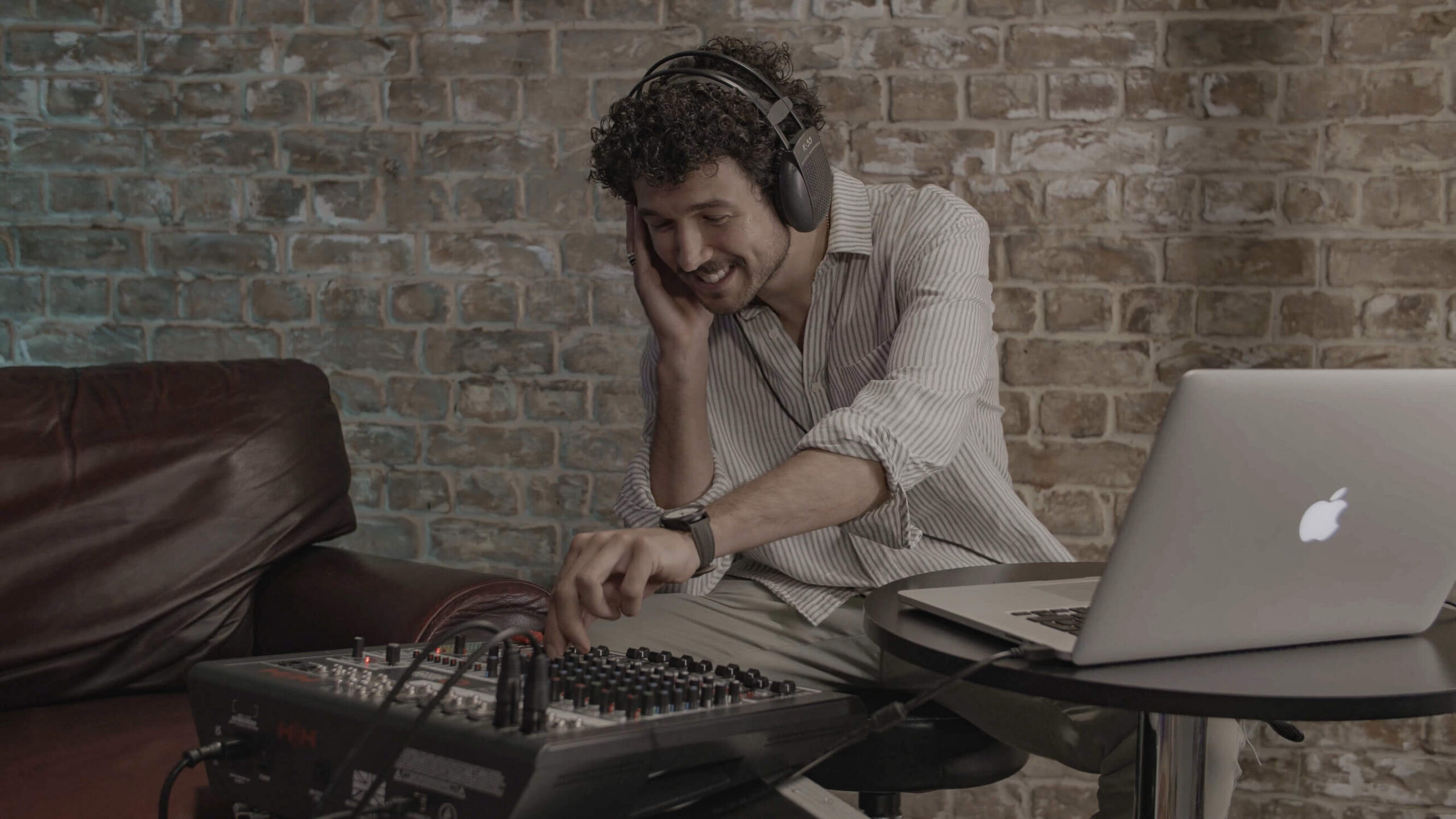
For podcasting, you will primarily use the mic inputs. Focus on clear vocal EQ and subtle compression (available on select HH Q Series models) to maintain consistent levels. The USB interface on all HH Q Series mixers allows easy recording to your computer. Now all you need to do is come up with an interesting podcast topic and you’re away!

In-Ear Monitor Mix for Drummers

Click-tracks and backing tracks are commonplace in larger scale productions, drummers can sometimes like to have control of these individual levels in their monitor mix (either in-ear or wedge) using a small mixer situated by their drum kit. The Q6FX would be a perfect solution for this scenario enabling the drummer to take feeds of these individual elements from a front of house engineer or a monitor engineer’s console. The drummer can then control the balance of these individual elements locally and adjust accordingly throughout the performance.

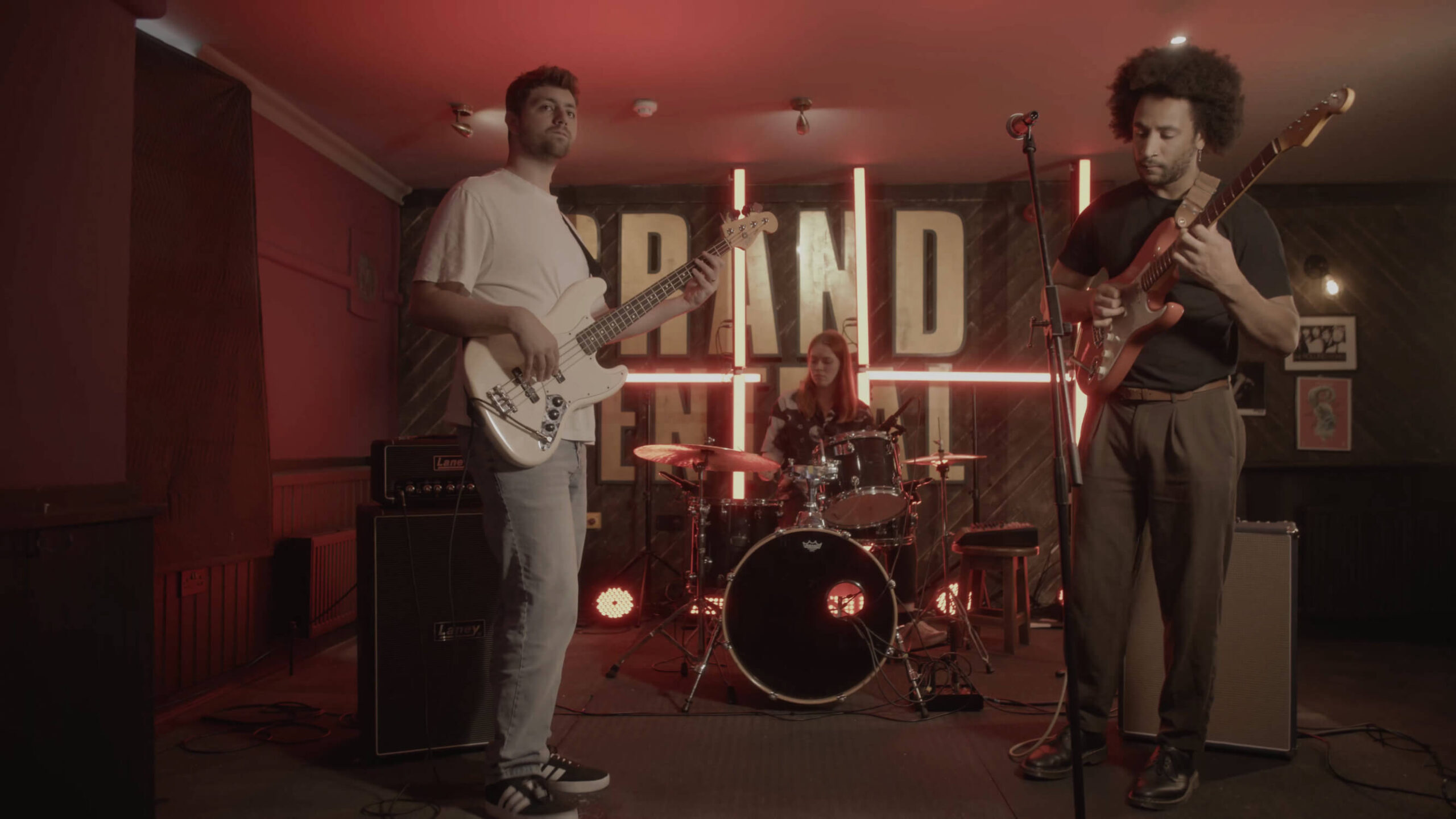
Balance is key for small ensembles. Here are some tips to get you started:

Input Assignment:

  • Use mic inputs for acoustic instruments and vocals.
  • Use line inputs for electronic instruments like keyboards or drum machines.

For the Q8FX, you have 4 mic inputs and 3 stereo line inputs, allowing for a good mix of acoustic and electronic sources.

EQ Adjustment:

  • Use the 3-band EQ on each channel to shape individual instrument tones.
  • Cut frequencies rather than boost where possible to carve space for other sound sources and reduce overall mud in the mix.
  • For vocals, a slight boost at around 2.5 kHz can improve clarity.
  • Utilise the 75Hz low-cut on Q8FX, Q12FX and Q16FX to remove low end rumble.

Creating Space in the Mix:

  • Pan instruments to create a stereo image. For instance, spread backing vocals slightly left and right of centre.
  • Use the built-in effects like reverb carefully to add depth without cluttering the mix.

Level Balancing:

  • Start with the main instrument or vocals at a comfortable level.
  • Bring in other instruments one by one, balancing them against the main element.
  • Use the faders to adjust the relative volumes of each instrument in the mix.

Subgrouping (for Q12FX and Q16FX):

  • Group similar instruments together (e.g., all vocals, all rhythm instruments) for easier control.
  • Use subgroup faders to adjust the overall balance of instrument groups.

Monitoring:

  • Use the headphone output to critically listen to your mix.
  • If possible, set up a separate monitor mix (or in-ear mix) for the performers using the Aux send.

Dynamics Control:

  • For the Q8FX, use the built-in compressor on channels 1-2 for vocals or dynamic instruments.
  • On the Q12FX and Q16FX, take advantage of the compression on more channels for consistent levels.

 Feedback Management:

  • Use the 75Hz low cut/high pass filter on vocal mics to reduce low-frequency rumble and potential feedback.
  • If using the Q12FX or Q16FX, utilise the 9-band graphic EQ to notch out problematic frequencies in the room.

Effects Usage:

  • Use reverb sparingly to add depth to vocals or acoustic instruments.
  • Consider using a short delay on vocals for a thickening effect without muddying the mix.

Blend Acoustic and Electronic:

  • Balance the levels between acoustic instruments (via mic inputs) and electronic instruments (via line inputs) carefully.
  • Use EQ to carve out space for each instrument type in the frequency spectrum.

Aux Sends:

Utilise the Aux send for creating a separate monitor mix for the performers, or use it to send certain instruments to an external effects unit if needed.

Main Output:

  • Keep an eye on the main output meters, ensuring you are not overloading the system.
  • Aim to keep the main output around -6 dB to maintain headroom.

Sound Check:

  • Conduct a thorough sound check, listening to each instrument individually and in the context of the full ensemble.
  • Make notes of any problematic frequencies or balance issues to address during the performance.

Simple Recording:

Utilise the USB interface on any HH Q Series mixer for direct recording to your computer. Set your levels carefully and use the EQ to avoid frequency clashes between instruments.

Live Mixing in Churches, Halls, and other Venues:

For live mixing, start with a sound check to set initial levels and EQ. Use the graphic EQ on the Q12FX or Q16FX to tune the system to the room. Our Tensor range of PA speakers will ensure your mix translates well to the audience.

Final thoughts

The HH Q Series analogue mixing consoles provide a great training platform for becoming a competent audio engineer. They are easy to use, reliable, and have everything you need to build a perfect mix in a variety of situations – not to mention, they look great.

Designed and engineered by HH Audio (formerly HH Electronics), with a long-standing history in mixer design, the Q Series brings decades of British innovation to your audio productions. From our most compact mixer, the Q6FX, to the largest in the series, the Q16FX, there’s a mixer to suit a variety of needs.

Click here for original article.

Categories
HH Electronics

HH AUDIO TNA LINE ARRAY IS NATURAL FIT FOR AI PUB

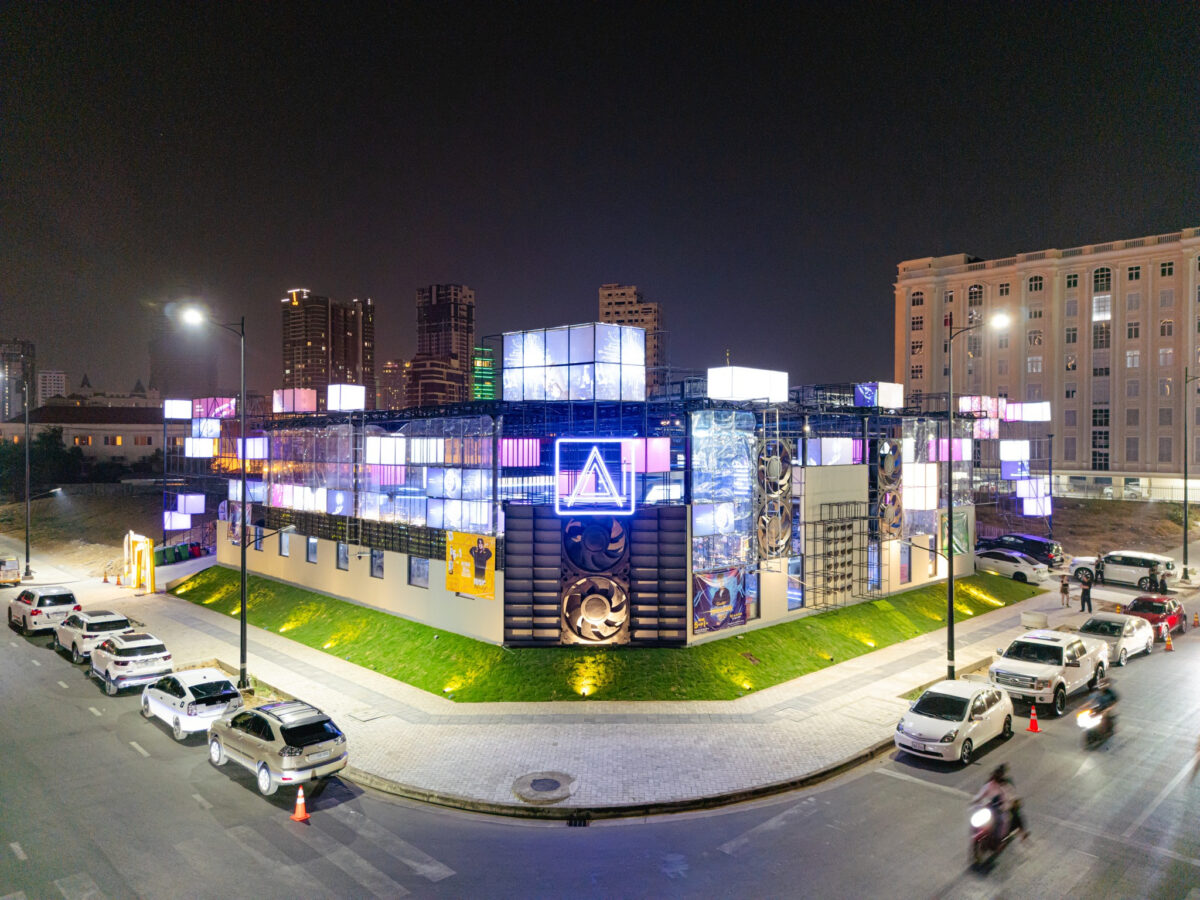
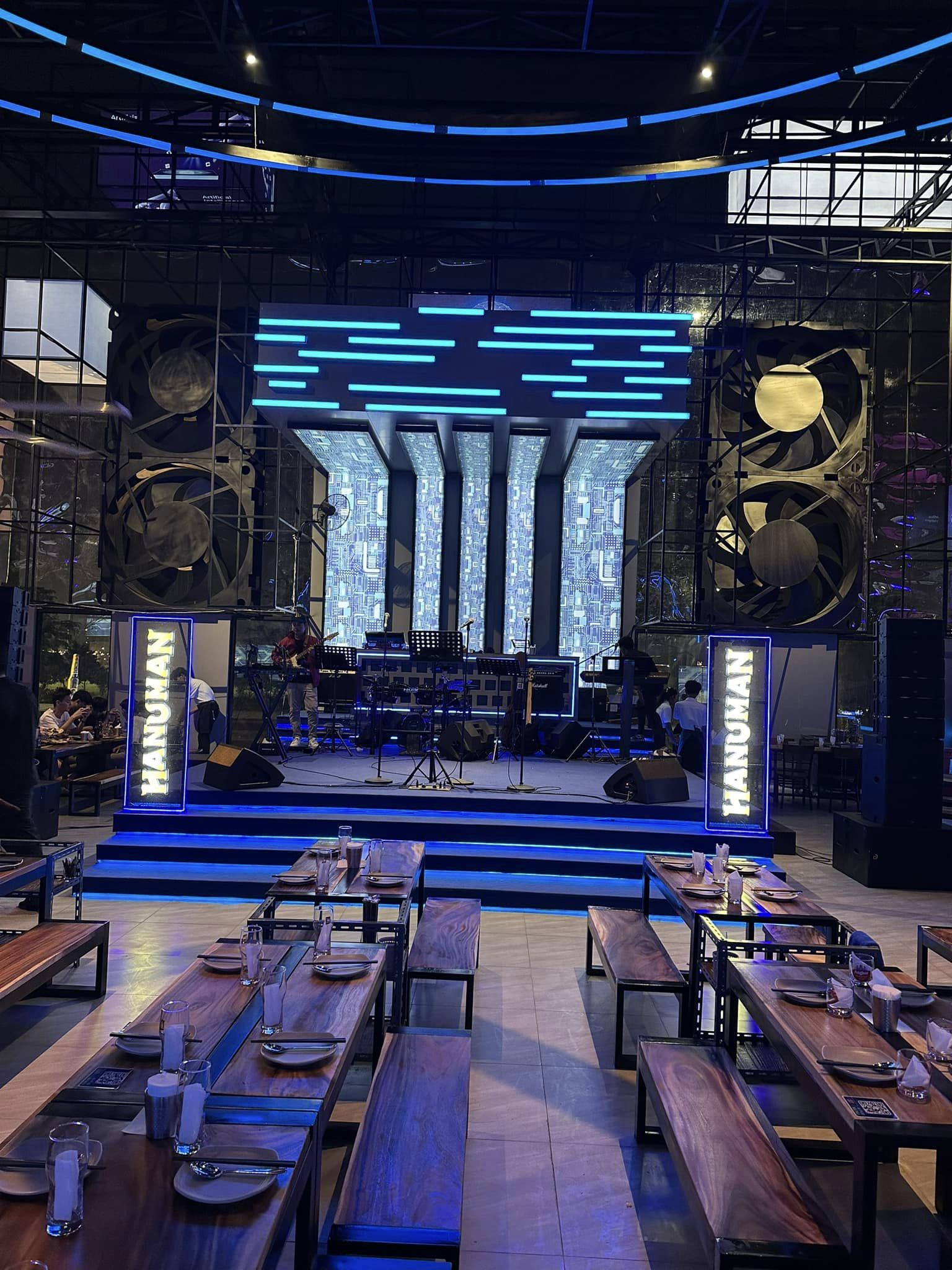
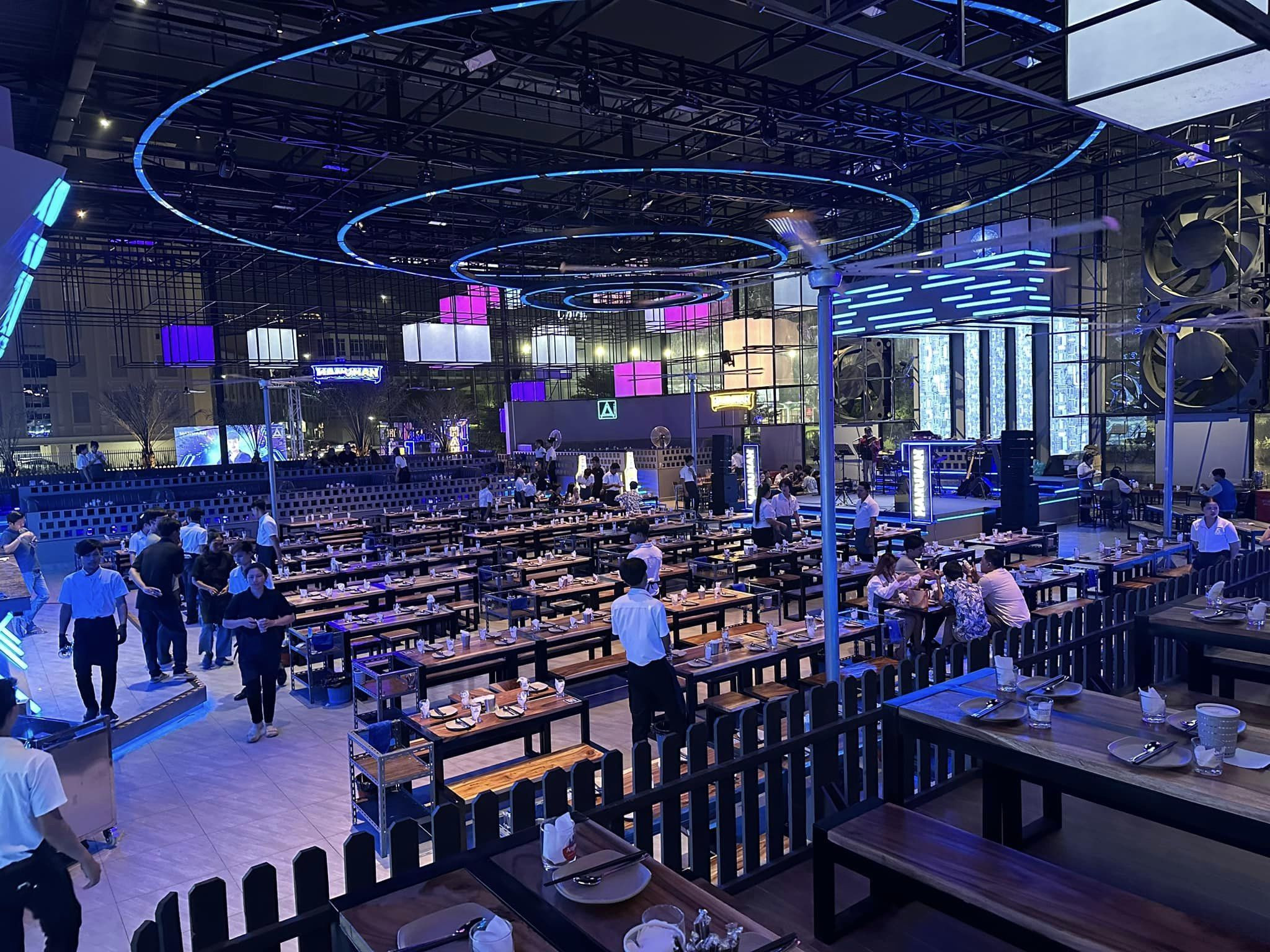
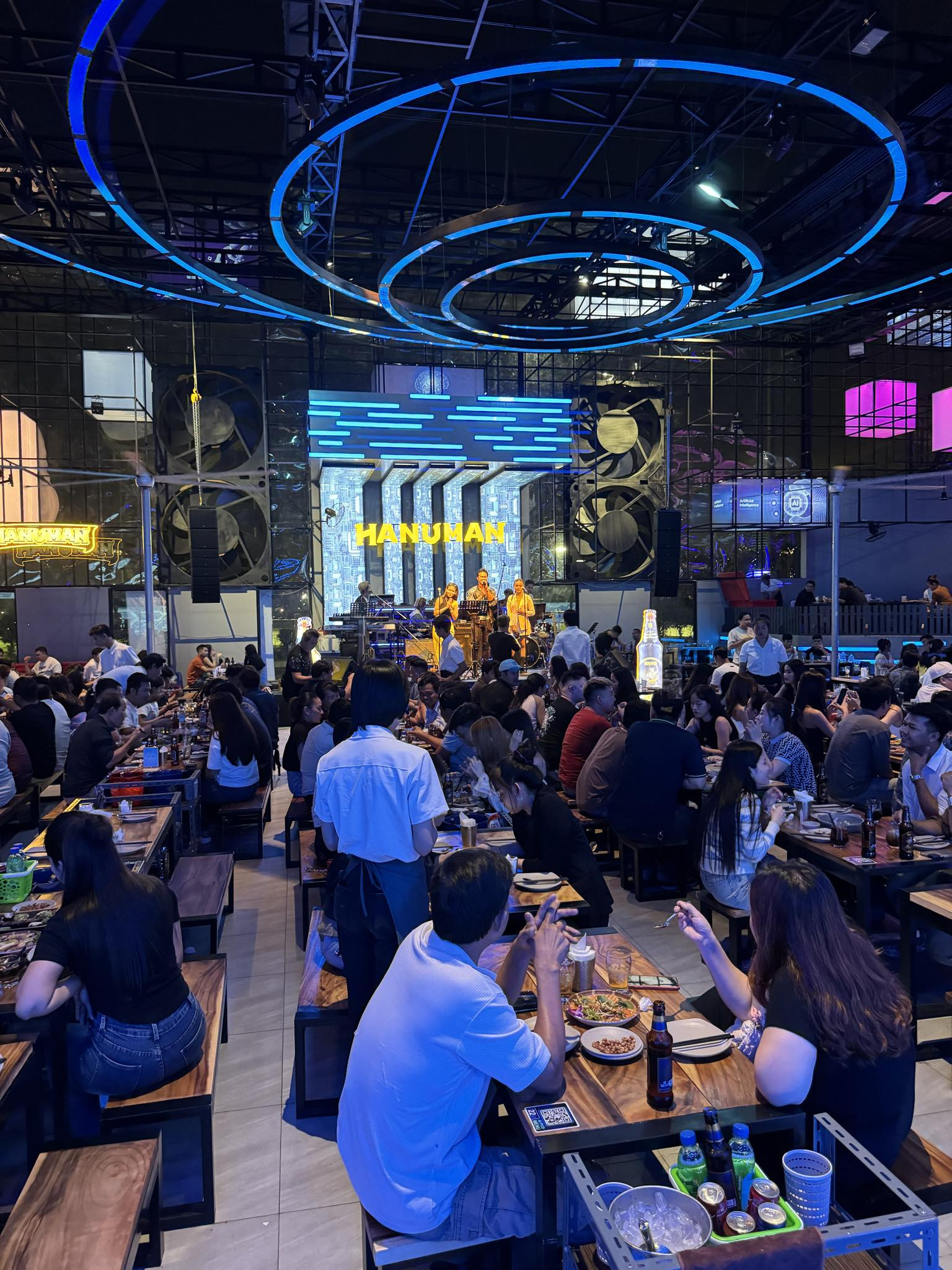
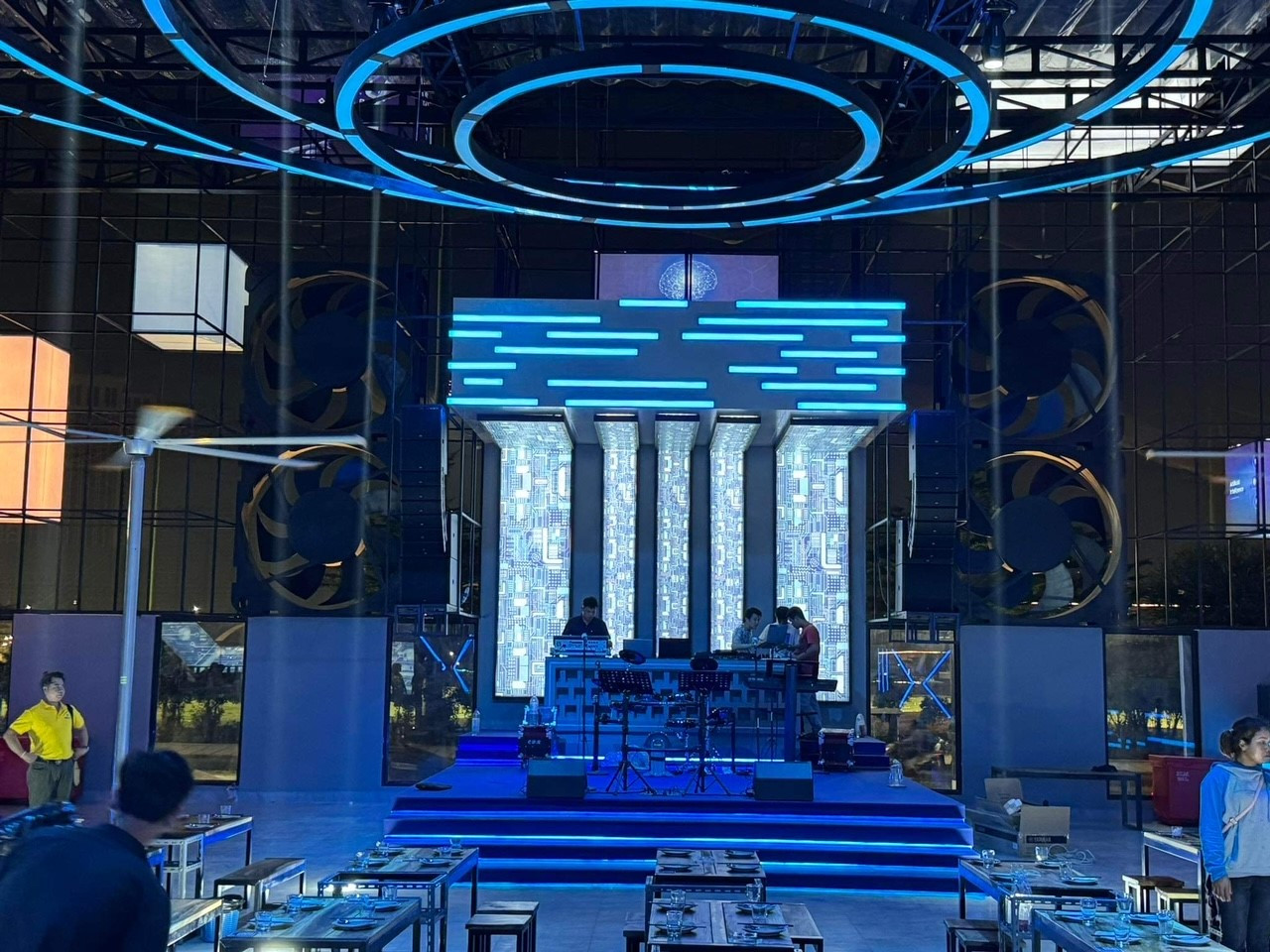
CAMBODIA – The latest addition to Phnom Penh’s bustling nightlife comes in the shape of the recently opened Ai Pub. As well as offering a rich variety of food and drink, the 700-capacity venue, located in the Boeung Kak district of the Cambodian capital, stages a wide range of live entertainment and has become an instant feature of the party scene. Live bands, DJ sets and promotional nights cater for birthday and works parties, corporate entertaining and casual get togethers with friends, in this unique, beautifully designed 875m² open space, complete with sliding roof and giant air-cooling fan.
 
Given the emphasis placed on non-stop music and dancing, as well as the high-profile artists, DJs and brands on show, the team at Ai paid careful attention to the selection of an audio system that could comfortably meet the requirements of a very busy and vibrant environment. The venue’s focus is very much directed towards its stage and the team wanted to install a competitively priced, compact, audio system that could be ground-stacked or flown to deliver powerful SPL. 
 
Ai consulted with leading Cambodian AV supplier Sounin Development GP Co Ltd, who recommended a TNA a line array system by HH Audio – a brand already under consideration by the venue team.
 
Perfect for medium sized venues like the Ai Pub, the TNA offers a compact, active package that is easy to set up and packs a powerful punch that belies its size. The system is based around the TNA-2120SA, a multi-channel active subwoofer with integrated Class D amplifier which features two high power 12” low frequency woofers with exceptionally high output, and the TNA-1800SA, a powerful single 18” active low frequency subwoofer.
 
With three channels of high performance amplification, the TNA-2120SA houses six cutting edge built-in DSP presets and as part of a modular system can power up to six satellite TNA-2051 passive, two-way compact line array loudspeakers, offering an ideal solution that does away with the extra expense of rack amplifiers and processors.

Engineer Sounin Chann comments:
 
“We recommended an HH TNA line array system which is ideal for this kind of installation. It delivers very punchy high quality audio from compact loudspeakers, easily handling the demands of what is a very varied programme. It’s incredible value for money, too. Often people think that a line array system will be outside their budget, but the TNA proves that this doesn’t have to be the case. The client didn’t hesitate to go with our recommendation and is very happy with the system, which sounds superb.”
 
At the Ai Pub Sounin Development installed an HH TNA Line array system comprising 1 x TNA-2120SA (2 x 12”) active subwoofer and 6 x TNA-2051 (2 x 5”) passive loudspeakers per side, supplemented by 4 x TNA-1800SA (single 18”) active subwoofers as fills. Stage monitoring is taken care of by 2 x HH TRM-1201 compact active monitors. An HH M-750D (2 x 750W) amplifier drives a further 6 generic fills, with the whole system controlled by a fully featured HH SP48 (4-IN/8-OUT) digital speaker management system. The SP48 contains expertly created presets for use with the TNA line array, enabling easy set up straight out of the box.
 
Ian Wright, Global Sales Director for HH Audio adds:
 
“Sounin Development continues to install HH Audio systems to great effect in a wide range of settings. The Ai pub has been an instant hit in Phnom Penh, hosting a number of high profile appearances by leading DJs and bands. We’re proud to see the TNA line array at the centre of this unique and eye-catching venue.”
Click here for original article.

Categories
HH Electronics

Tensor Go performs at Tring Park School

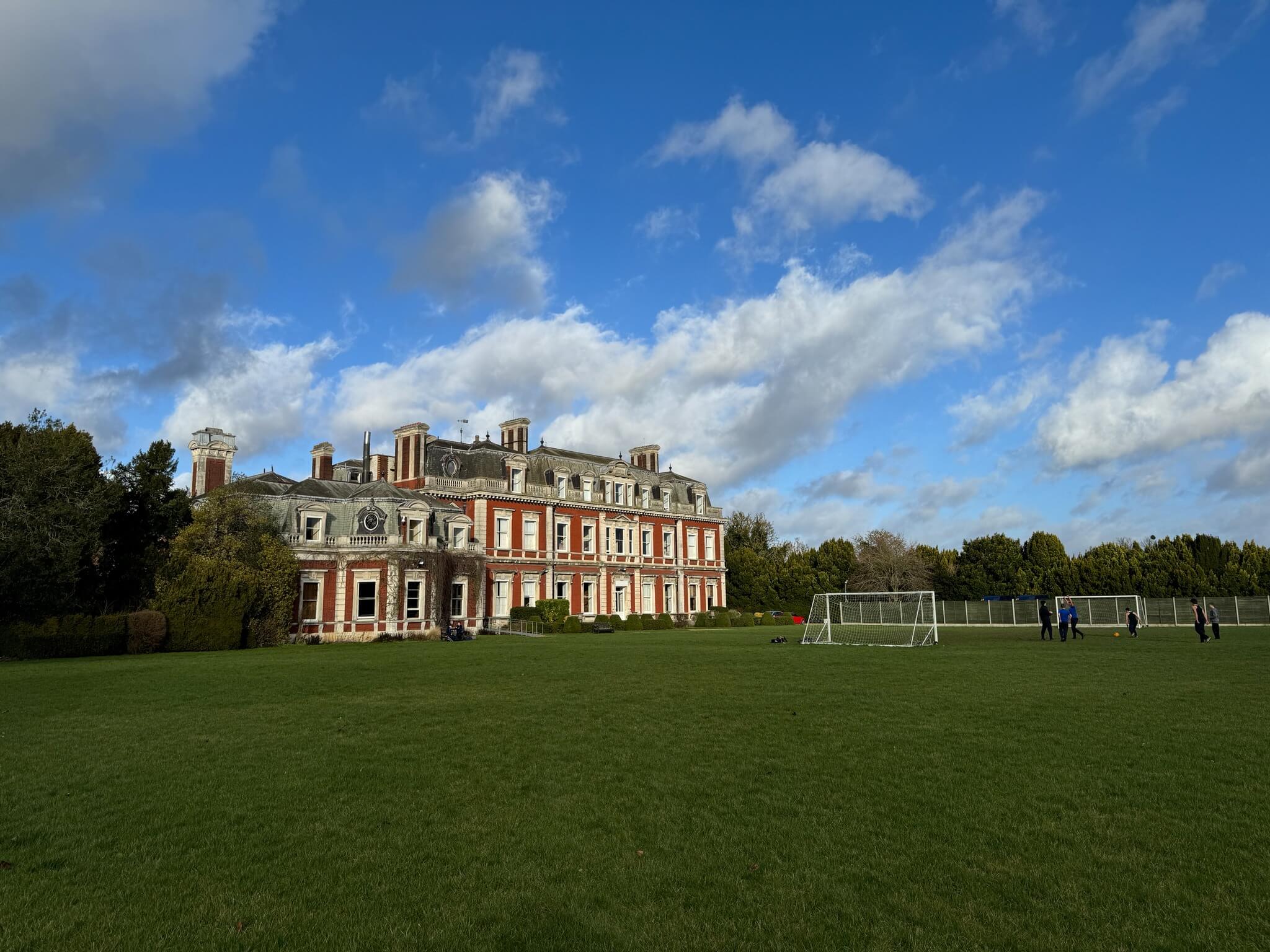
UK – Tring Park School for the Performing Arts is an independent, co-educational day and boarding school in Hertfordshire, UK. As a specialist provider of vocational training in the performing arts, the school offers courses that include dance, acting, commercial music and musical theatre, as well a full academic syllabus from Preparatory to A-Level.

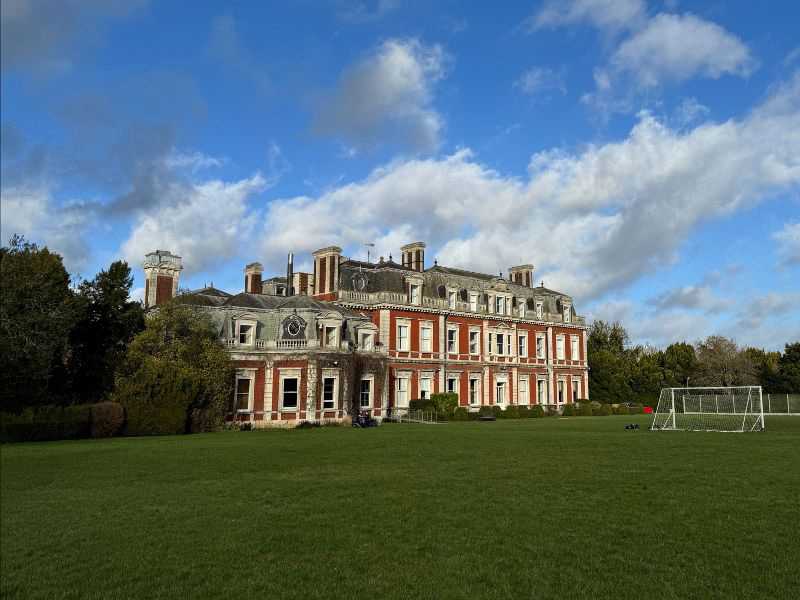
It is one of only 21 schools selected to allocate government-funded Dance and Drama Awards, a scholarship scheme designed to subsidise the cost of professional dance and drama training for the most talented students at leading institutions. Since 1945, the school has been located in Tring Park Mansion, originally designed by Sir Christopher Wren and formerly occupied by the Rothschild family.
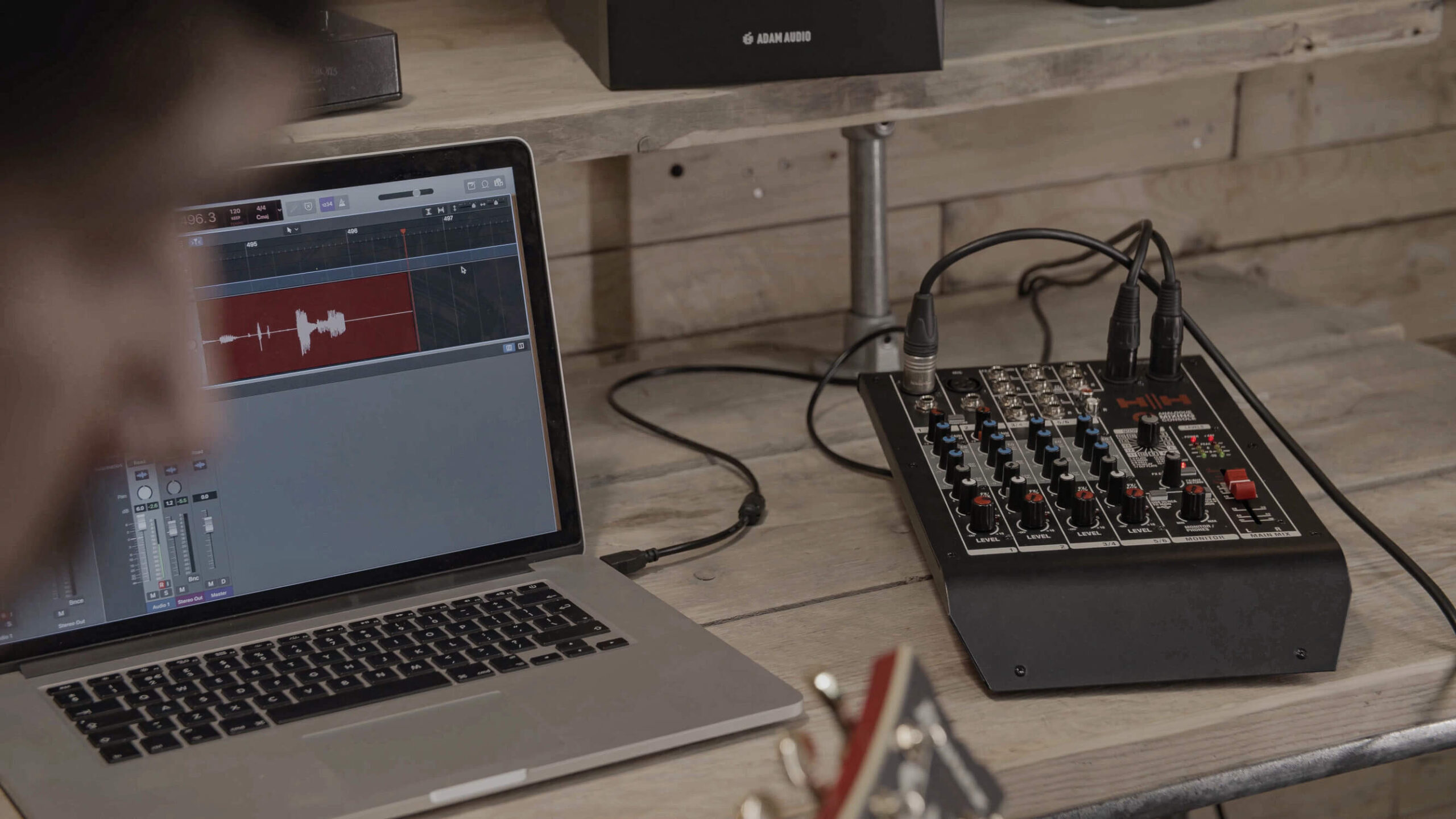
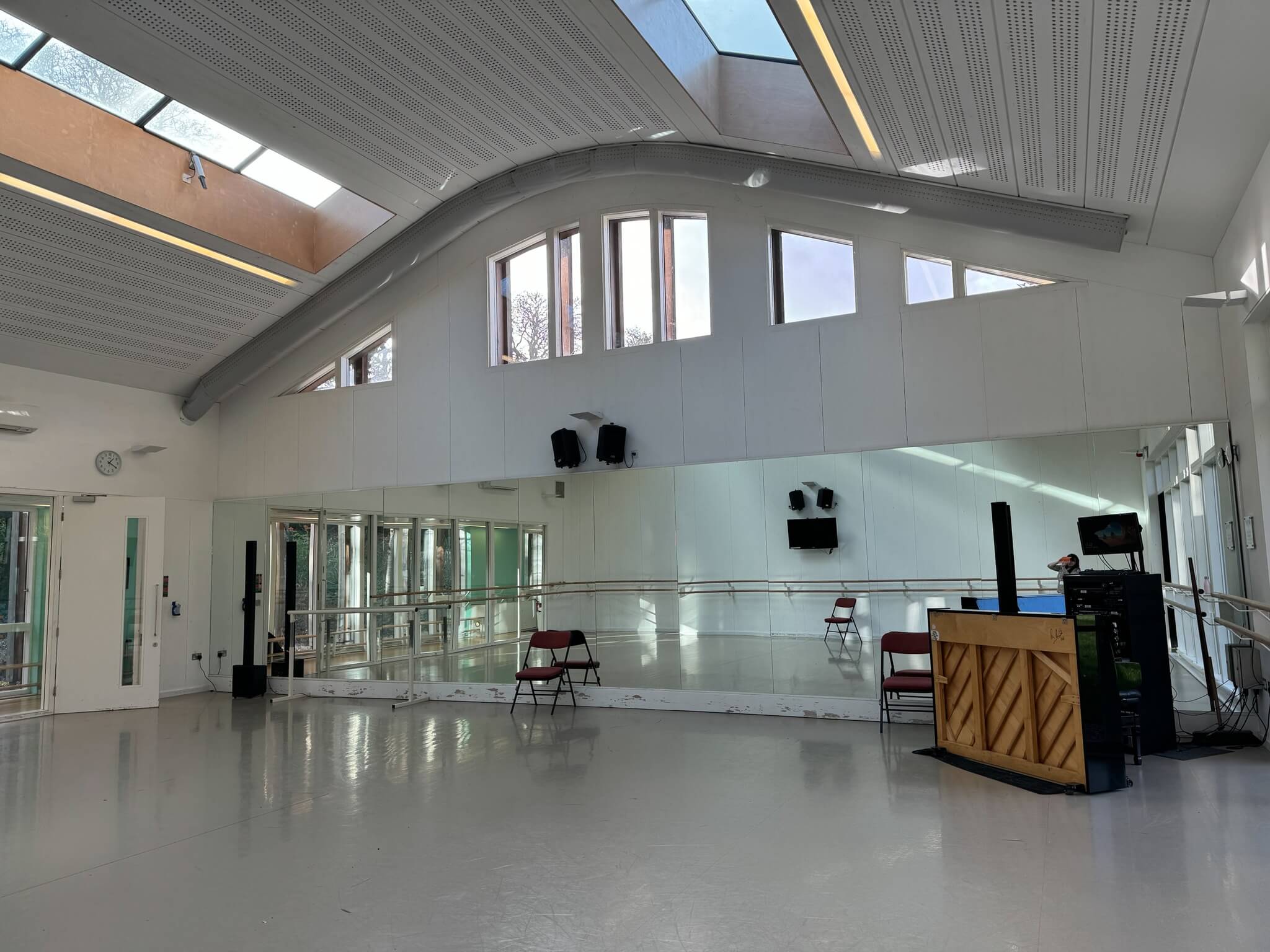
Audio technology plays a vital role in many areas of the school’s curriculum, particularly where its vocational courses are concerned, and the school recently took the decision to modernise its approach to provision for its many rehearsal rooms. Tring Park contacted regular supplier Studiospares of Luton for advice about easy to operate, flexible and portable systems that could deliver high-quality audio in often large reverberant spaces.

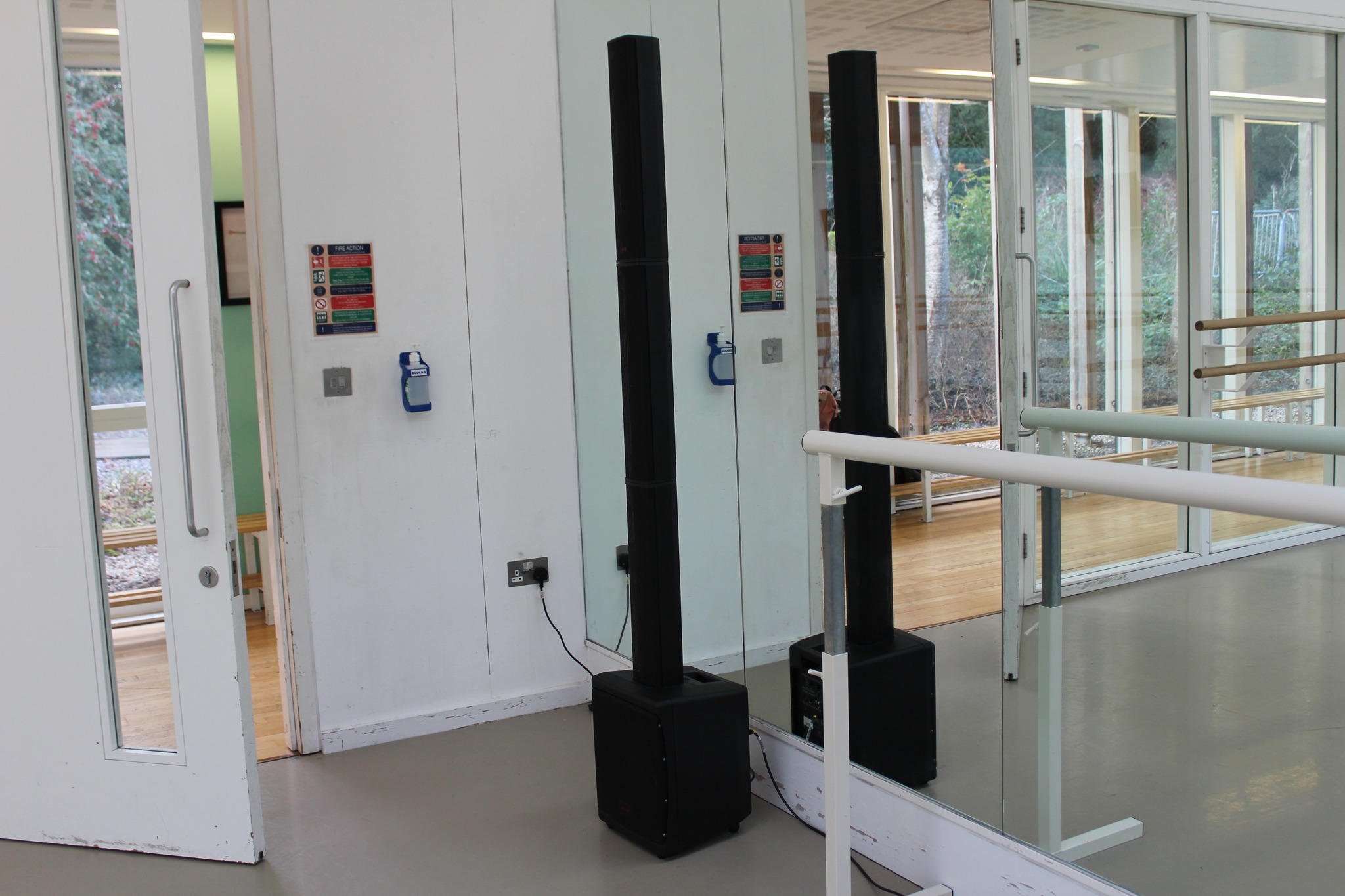
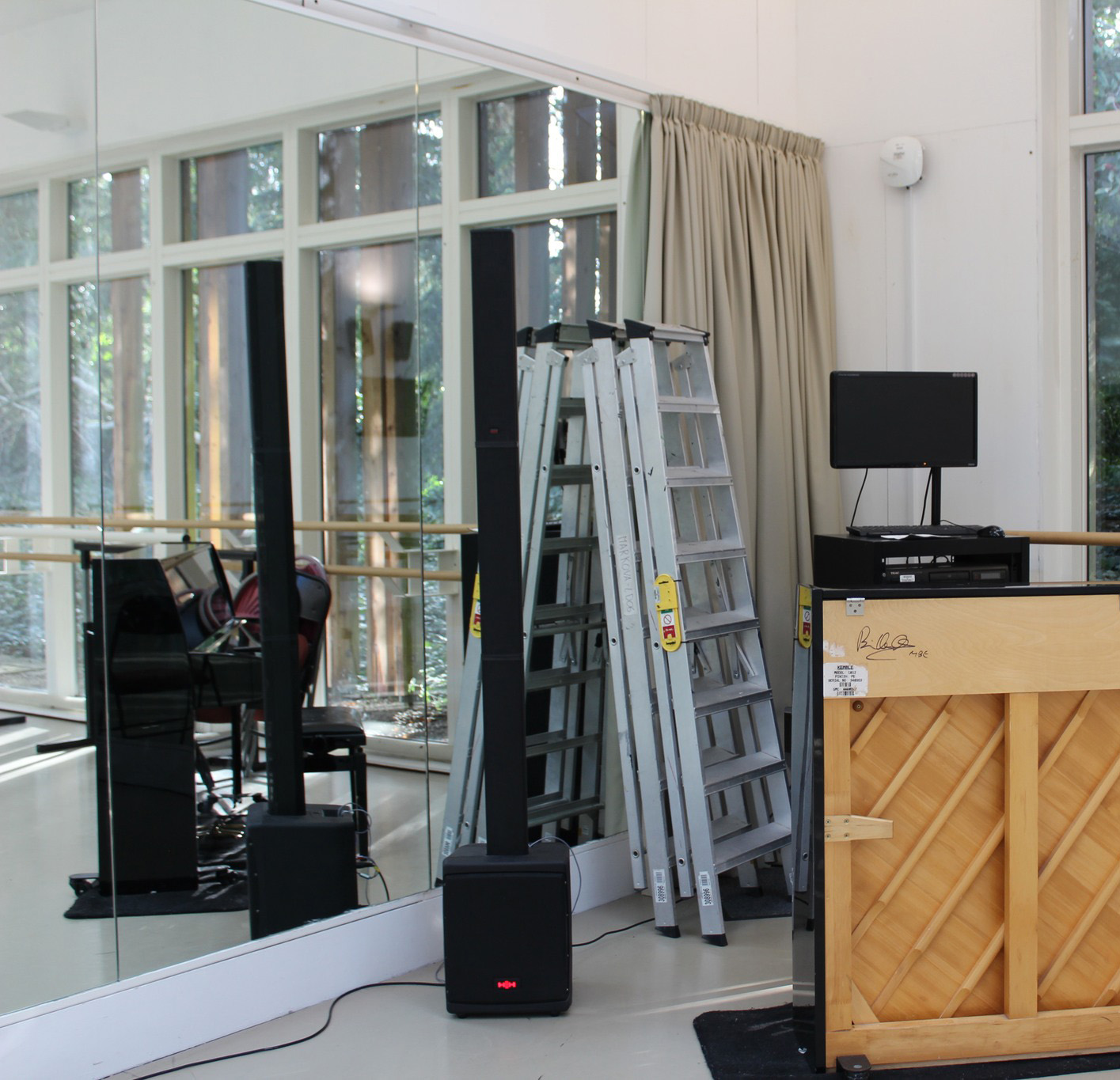
Greg Niedzwiecki, pro audio sales at Studiospares, recommended the versatile HH Electronics Tensor Go, a powerful portable PA system that can be operated cable-free thanks to its high-capacity integrated lithium-ion battery.

With four-channel integrated mic/line mixing functionality, high-grade balanced ¼ inch/XLR combination input connections, and a studio quality digital reverb, the Tensor Go has 4 professionally voiced presets – music, live, natural and speech which optimise its characteristics for different applications.
“The school had existing ‘installed’ systems and needed something a lot more flexible that could be used in several spaces,” comments Greg. “Having suggested the HH Tensor Go, we arranged an on-site demonstration in one of their dance rooms with some of the staff who’d potentially be using the systems. This enabled them to experience the unit’s punchy sound and see just how easily it could be set up and operated. The Go’s Bluetooth connectivity was another big plus – again quick and easy for staff and students to use.”

Following the demo, it was clear to the staff that the Tensor Go would not only comfortably cater for the rehearsal spaces they had in mind, but thanks to the flexibility and easy portability on offer, could also be deployed for outdoor live performances, small events and presentations.
Ultimately, the Tensor Go could be used as an all-rounder wherever quality audio was required on the site. Tring Park School invested in 10 x Tensor Go units.

Technician James Smith comments: “The units, which sound fantastic, provide us with portable, flexible audio that is ideal for our requirements in every area of the school. They’re quick and easy to set up, and represent great value for money. We’re very pleased with our investment in Tensor Go.”
Categories
HH Electronics

HH chosen for Houses of Worship in Malaysia

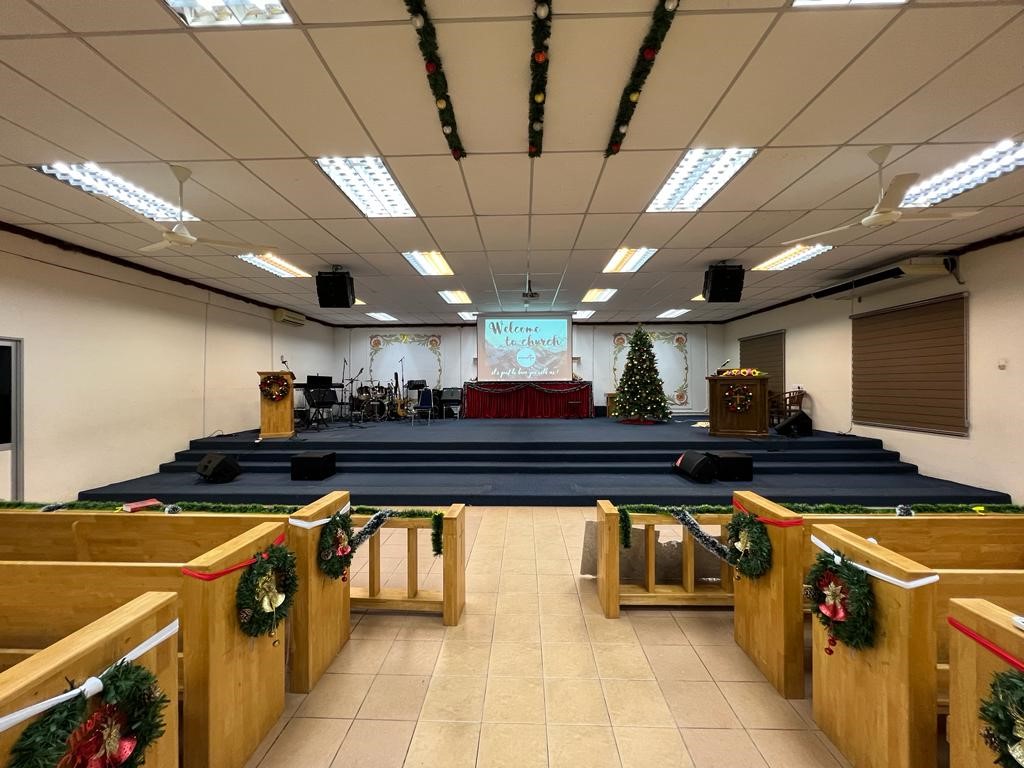
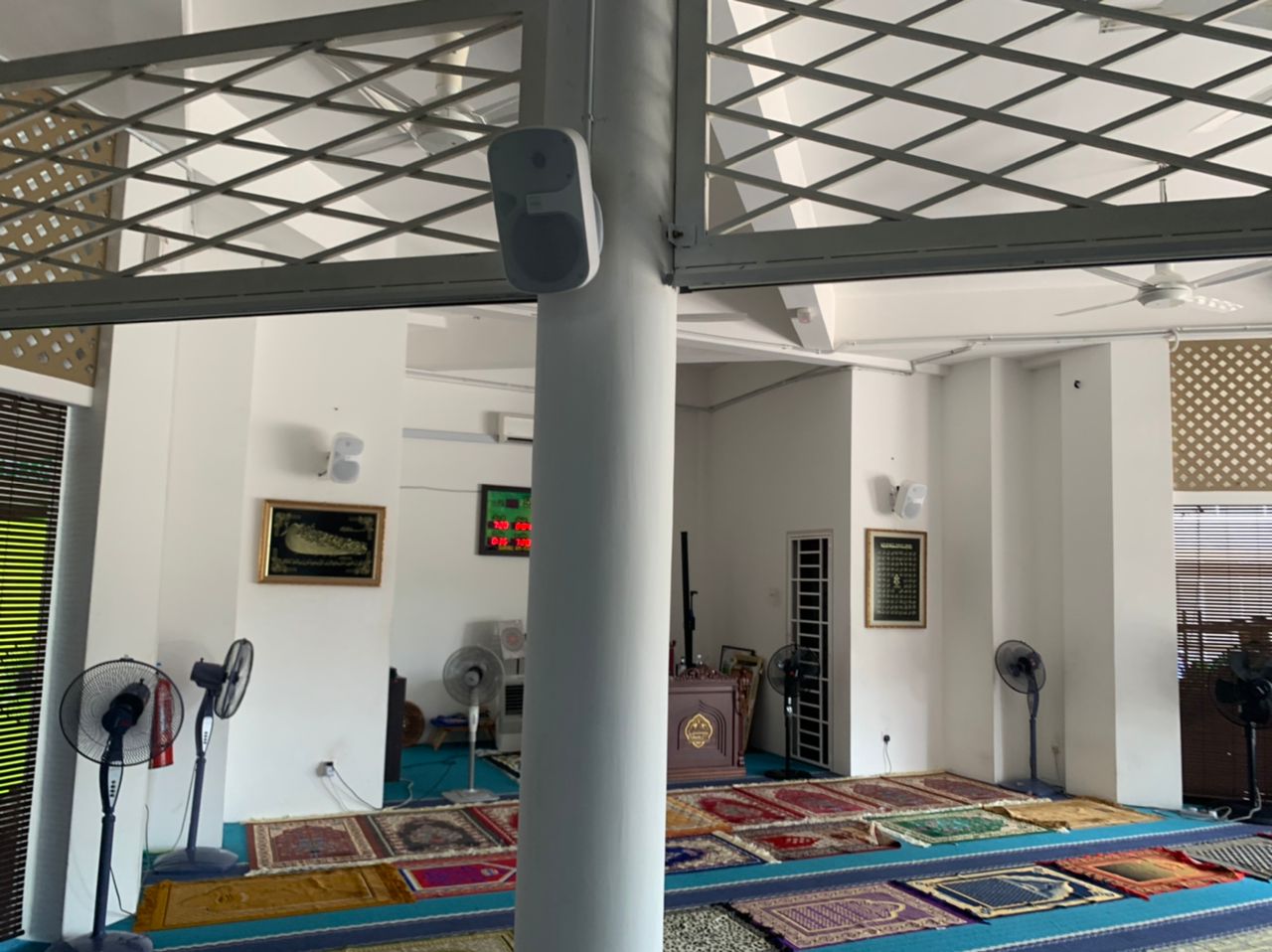
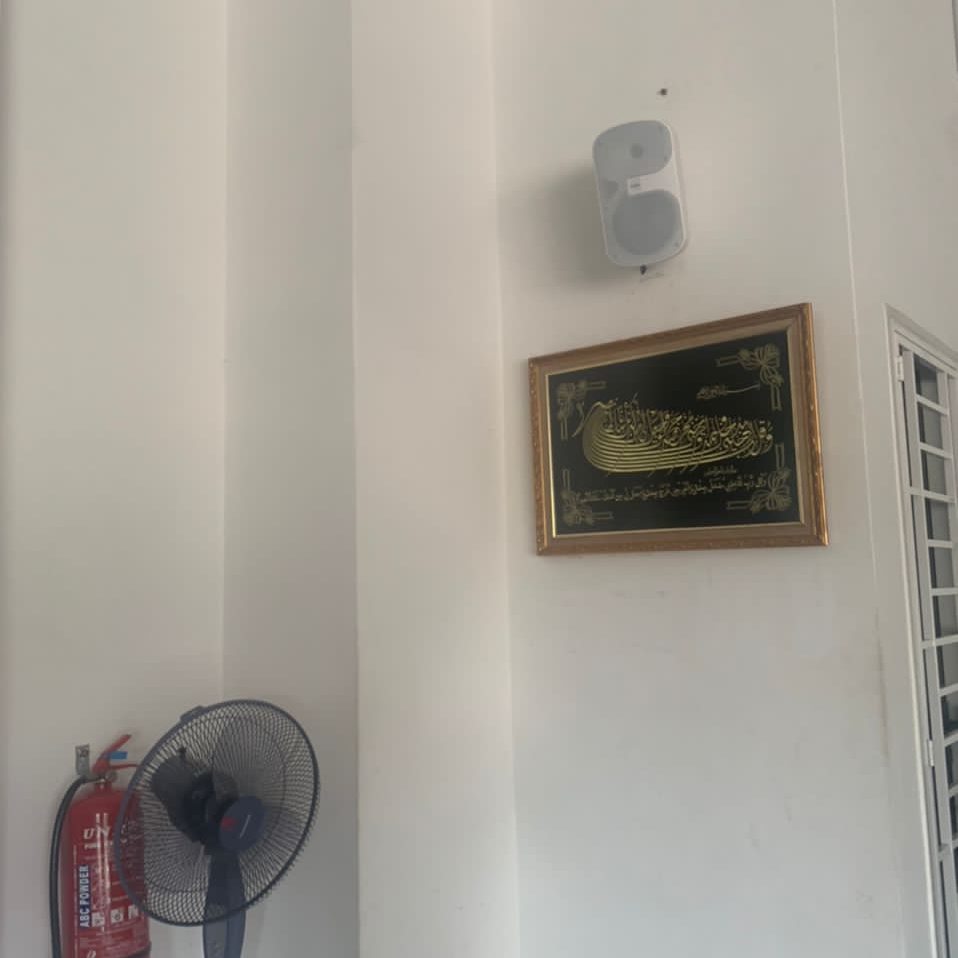
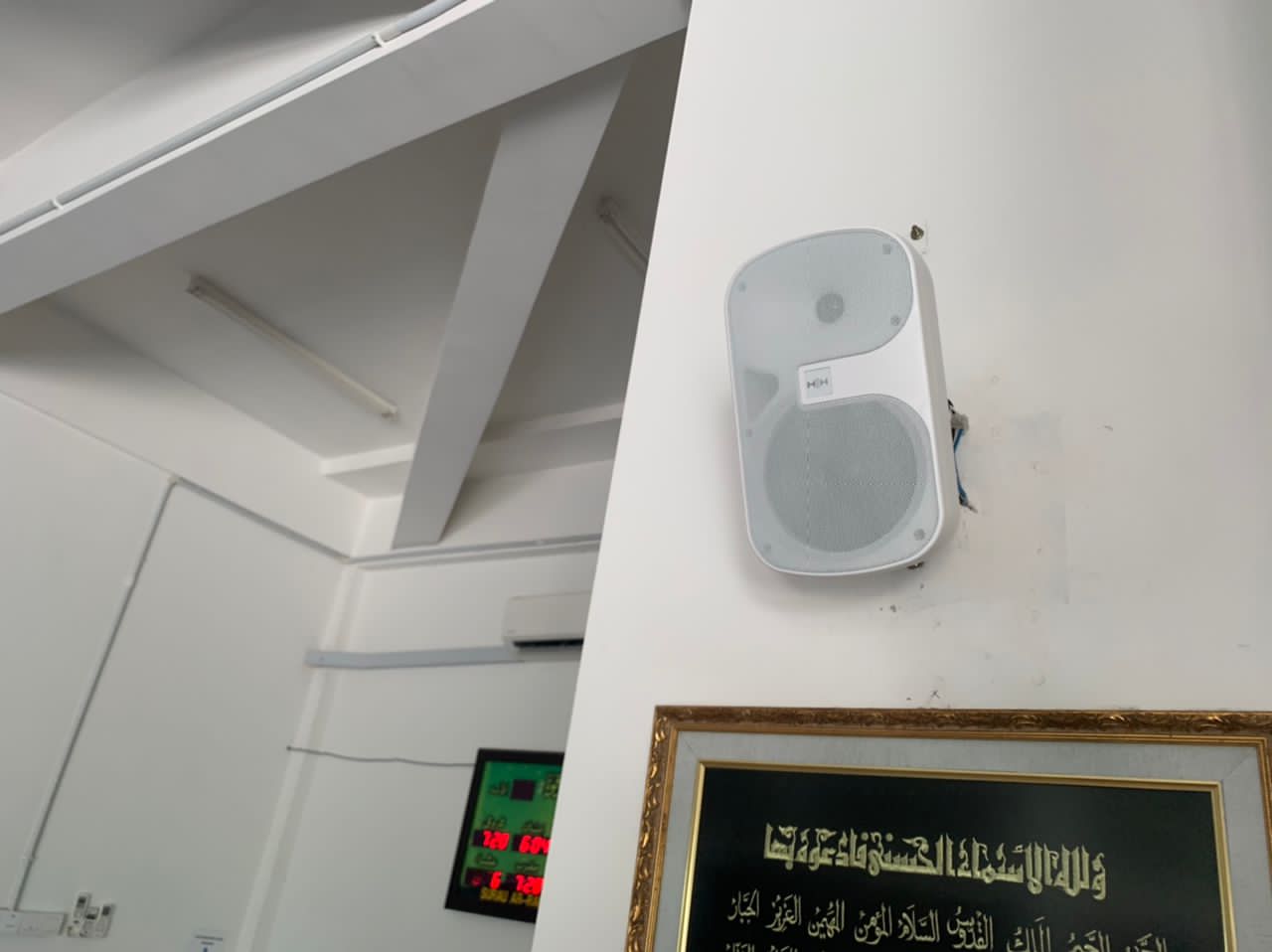
AV specialists Poly Entertainments of Ampang Jaya recently installed HH loudspeakers into the Surau ar-Raudhah mosque in Southville, Dengkil, where 6 x TNi-W6WH white, wall-mount speakers from our Tessen Installation Series elegantly and effortlessly match their surroundings to deliver crystal clear audio to the prayer room.
 
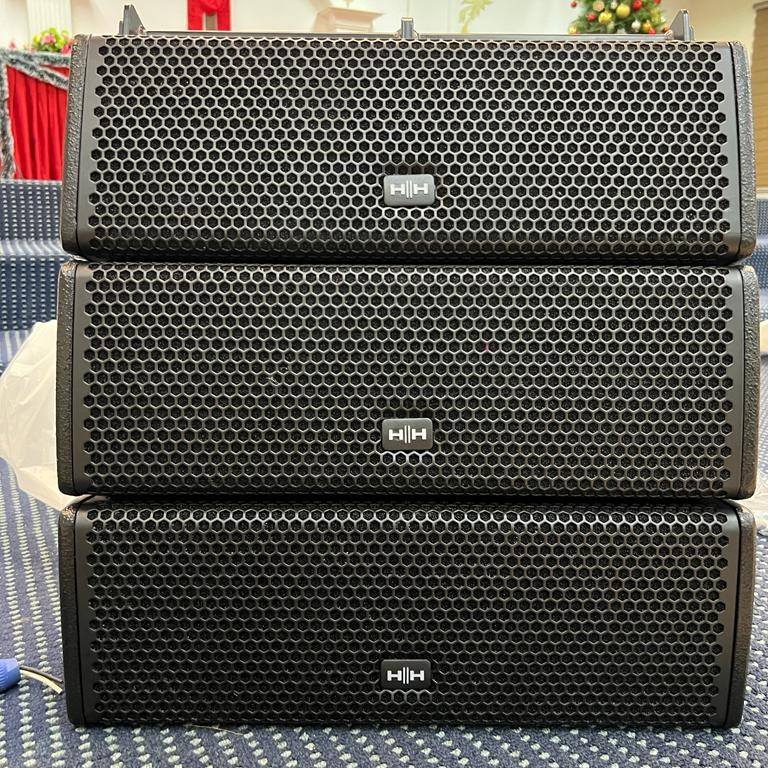
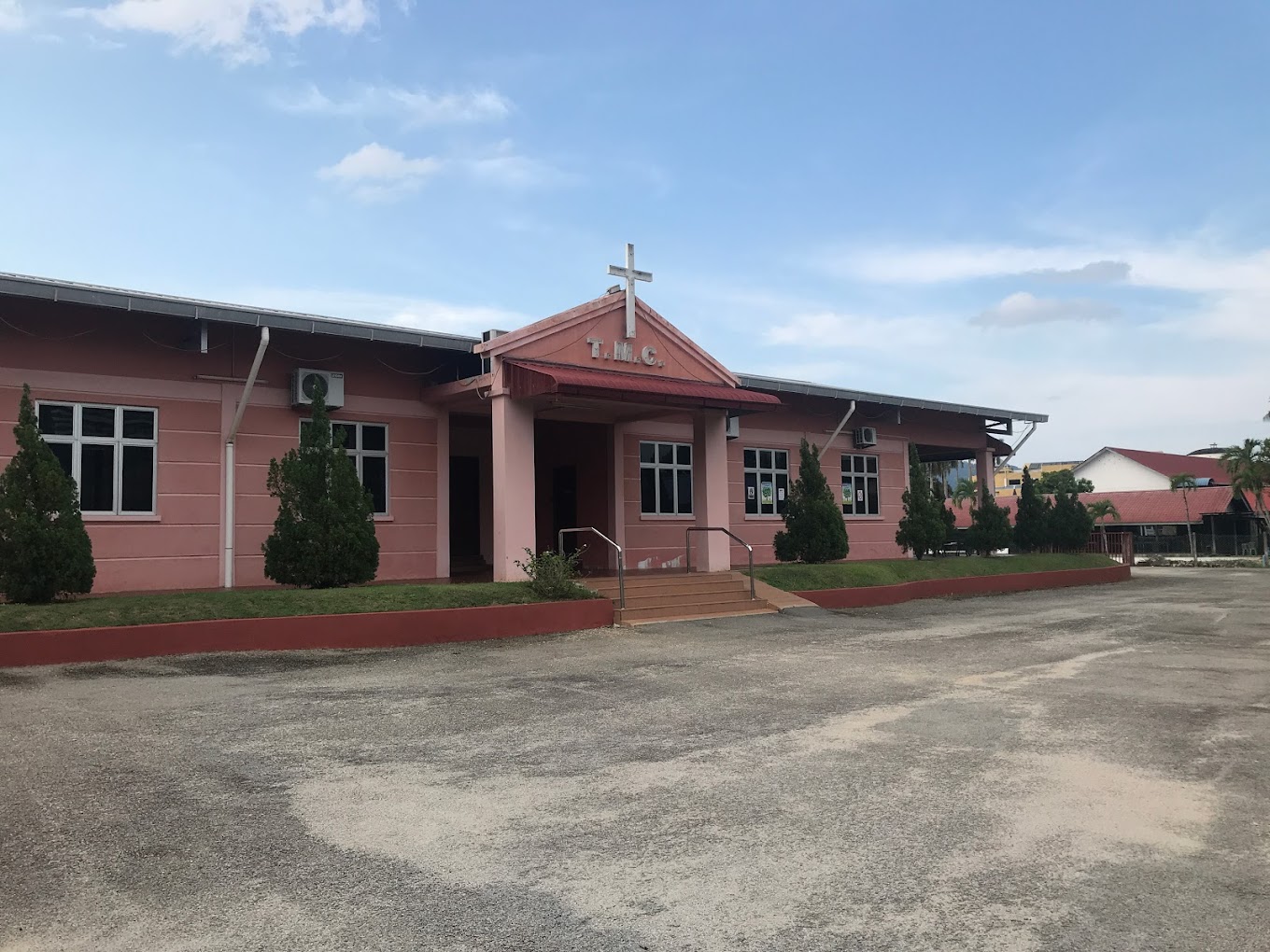
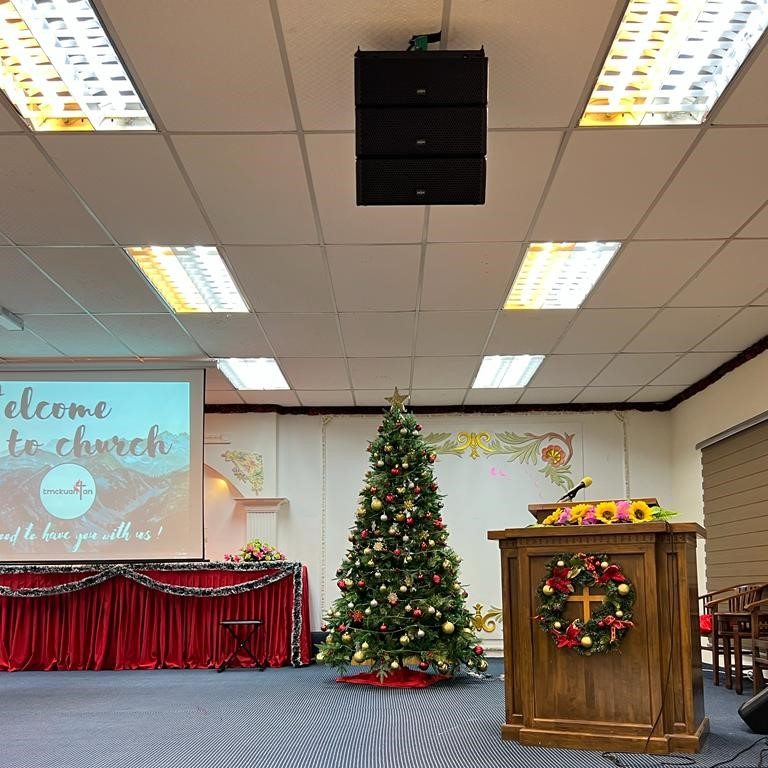
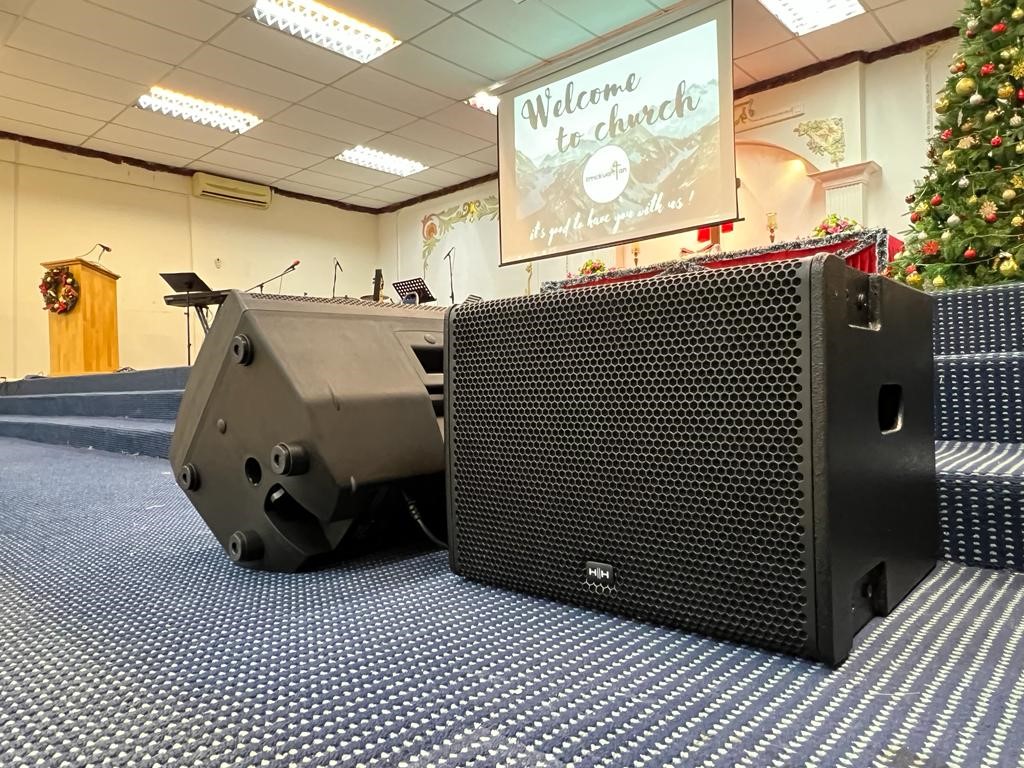
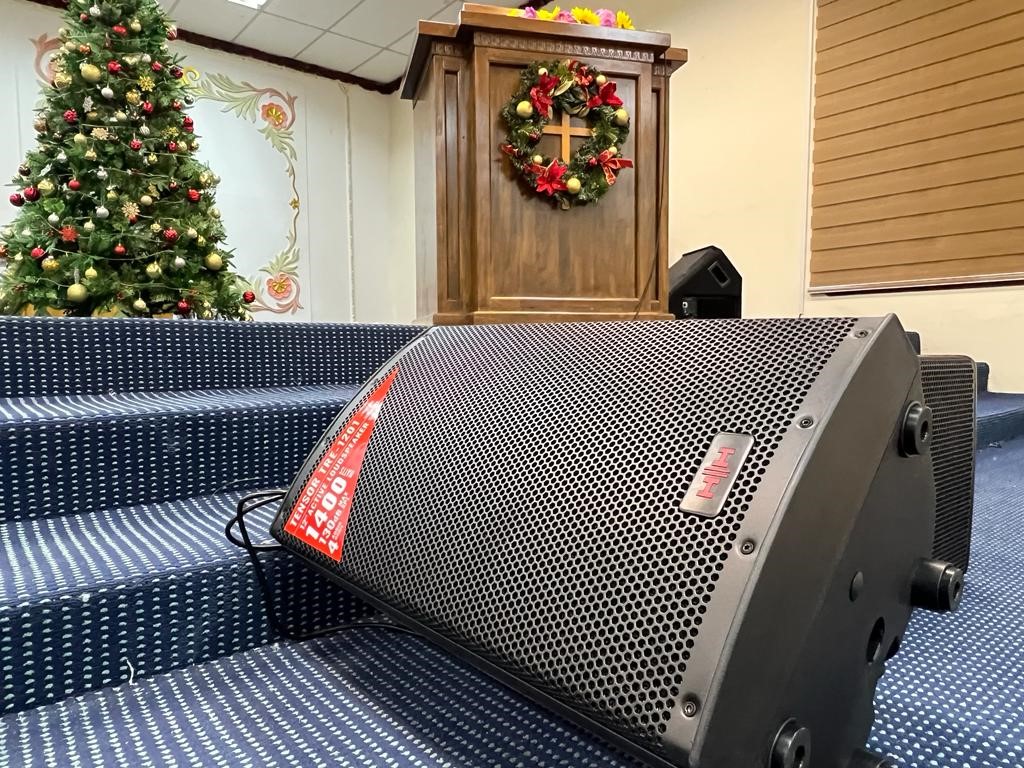
Meanwhile, in the eastern city of Kuantan, the Tamil Methodist Church arranged for the installation of a Tessen TNA line array to deliver power and punch for worship and music performances in its substantial space. A system comprising 6 x TNA-2051 units (flown 3 per side) and 2 x TNA-1200s floor-positioned subs, is completed by 2 x Tensor Series TRE-1201 full range active loudspeakers used as monitors.
 
All the products were supplied by our fantastic Malaysian distributor IMS Distribution.
Categories
HH Electronics

HH Electronics refreshes Audio Works

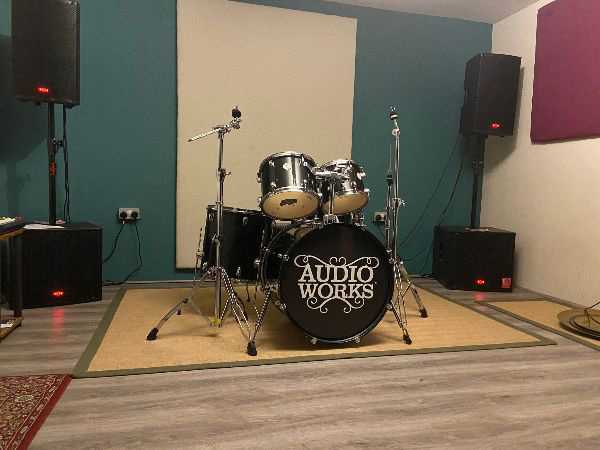
UK – Located in Northampton, Audio Works is a dedicated rehearsal facility catering for every kind of artist, from absolute beginner to seasoned professional. With three soundproofed rehearsal rooms and a wide range of leading brand back-line and drum-kits available for clients’ use, this popular facility has gone from strength to strength since it opened in 2010.
A little over two years ago, Audio Works was taken over by new owners who, while retaining the key features that had been essential in creating the studio’s great reputation, wished to refresh and add a new dimension to the business. Having redecorated and re-lit the rehearsal spaces and added a fully-equipped daytime meeting space to their offer, the Audio Works team also took the decision to upgrade their audio systems.
Director at Audio Works, Andy Labrum, invested in an HH Electronics solution, choosing loudspeakers from the UK manufacturer’s Tensor range:
“I’m keen to make sure that bands visiting Audio Works have the best possible experience from the minute they enter – that obviously has to include fantastic audio systems. A couple of members of my own band had seen a demo of the HH Tensor Series and were raving about it. With that kind of enthusiasm, I thought I’d better check it out for myself and wasn’t disappointed.”
Each of the three rehearsal rooms at Audio Works was equipped with two Tensor TRE-1201 12” active loudspeakers and two TRS1500 active subs, to provide a robust solution that delivers exceptional performance and reliability. The Tensor range was created in 2020 by HH with two key focus points in mind – premium audio performance and fantastic value for money, making it the perfect choice for applications like Audio Works, where great sound is essential but budgets can be tight.
Andy continues: “The speakers sound incredible, whatever the style or genre of music going through the system. Whether it’s a full-on band really going for it, someone using to backing tracks, or playing gentle acoustic material, the clarity and depth of sound is stunning – the response from musicians using the rooms has been excellent.”
Audio Works continues to develop its offering, and has diversified into providing office space on a newly constructed mezzanine which is currently being used by a local charity. A new online booking system has made access to the facilities easier, enabling the operation to run more efficiently, and now equipped with premium HH Electronics audio systems, the future for this popular Northampton rehearsal venue looks bright.