Categories
Martin Audio

MARTIN AUDIO GETS THERE ONTIME IN MUMBAI

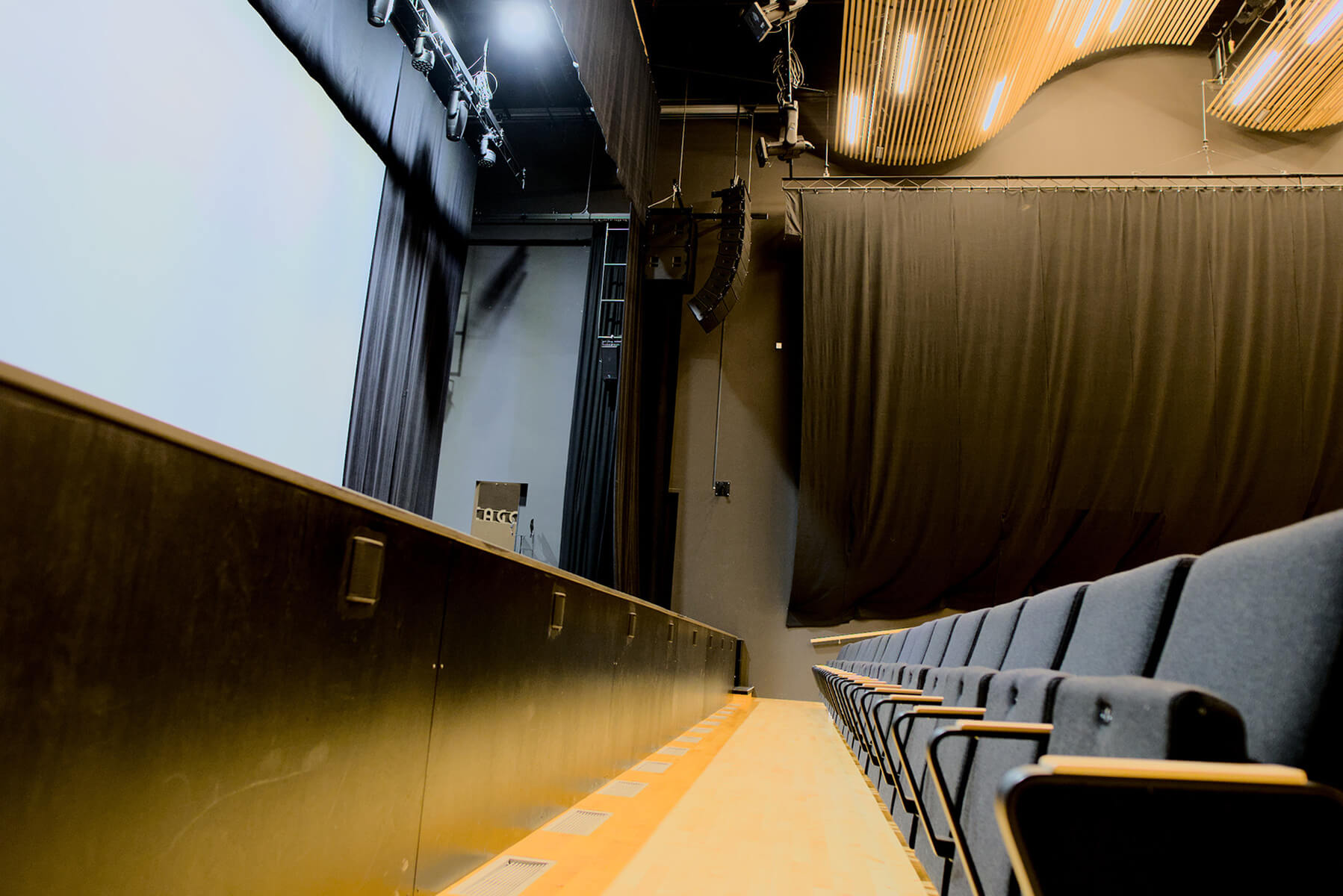
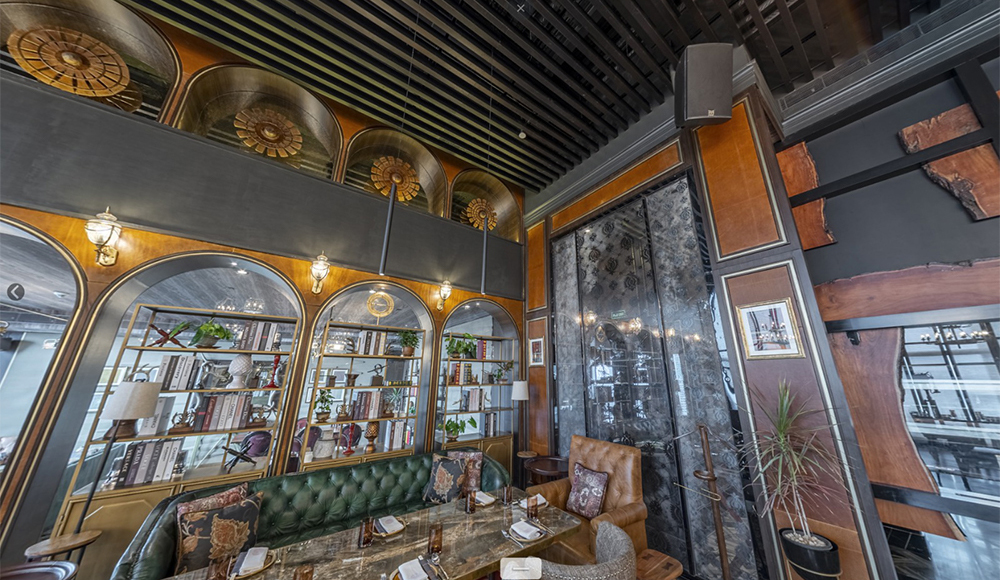
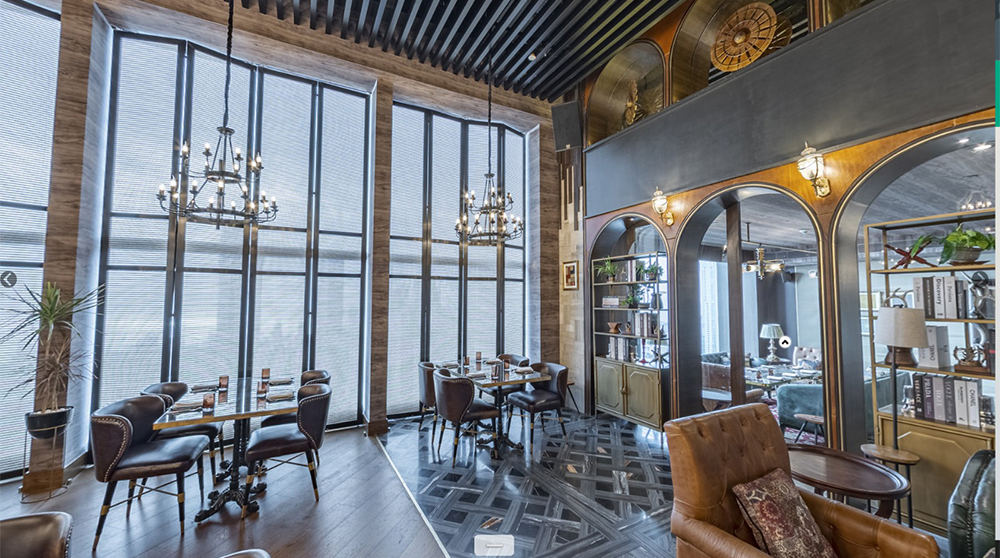
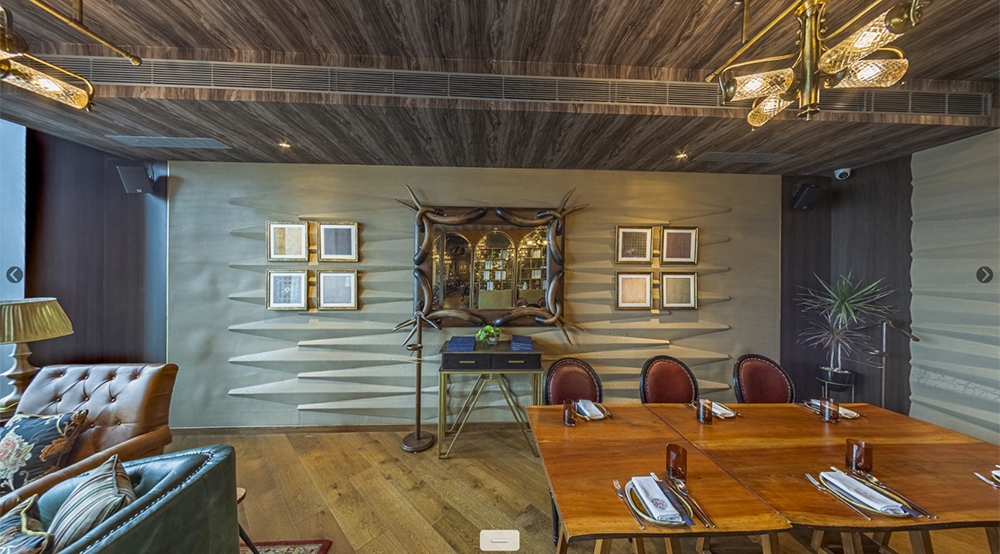
INDIA: The OnTime Hotel in Mumbai has upgraded its events spaces with Martin Audio systems, provided by VMT Distribution. Serving both corporate guests and tourists alike, the hotel chose to install new audio systems to provide top-quality audio for diverse occasions, while blending into the venue’s existing décor.

The management team wanted a new solution for various spaces, particularly the banquet halls that host corporate functions, weddings and entertainment events. One of the key considerations during the project was that the installation had to be done without disrupting the day-to-day operations of the hotel. The team had to work around tight schedules, installing the sound system in stages while ensuring the minimal impact on hotel guests and events. Additionally, the varied room acoustics across the two banquet halls required strategic placement of the speakers to ensure even sound distribution.

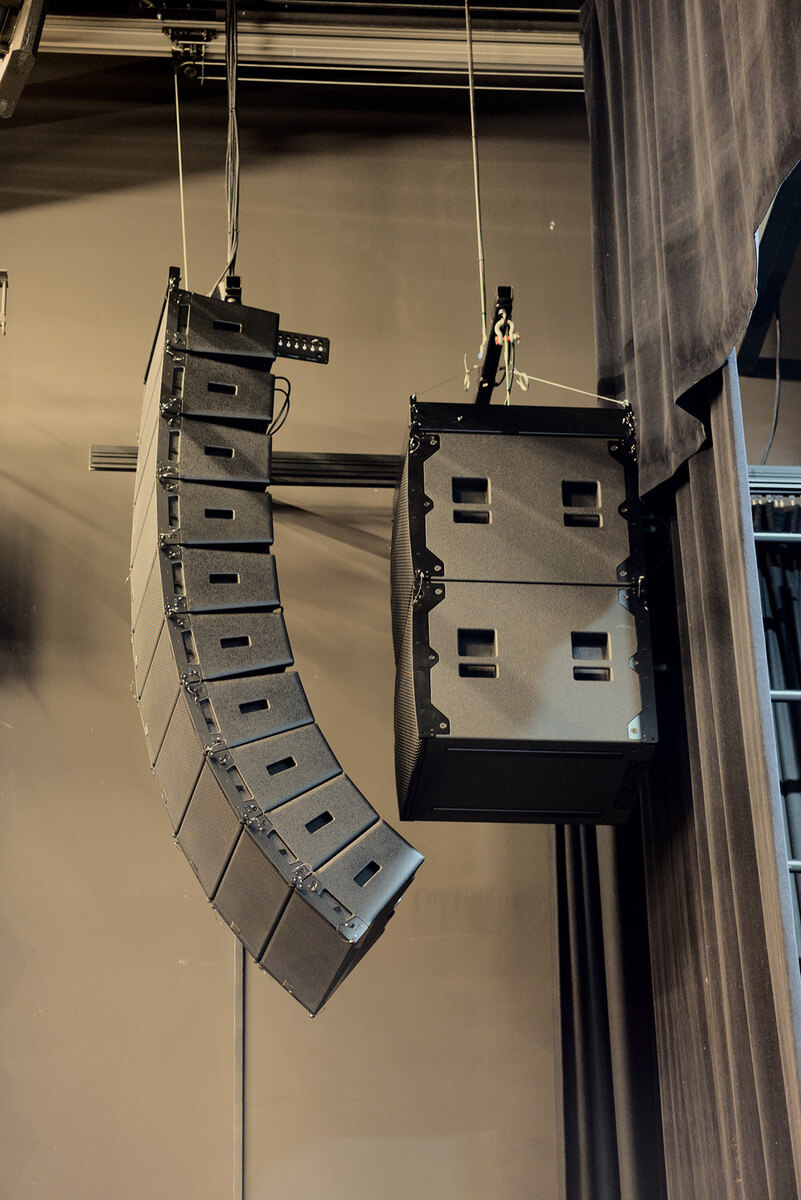
Several Martin Audio V.15 units were chosen for the hotel. According to VMT, the 15-inch passive 2-way loudspeaker has provided excellent sound clarity and power, handling both music and speech. Its on-wall design allowed it to be installed discreetly, preserving the aesthetics of the banquet halls.

“The installation of the Martin Audio V.15 system has been revolutionary for us at The OnTime Hotel,” commented Shusheel Rao, systems integrator, The OnTime Hotel. “The sound quality is exceptional, delivering crystal-clear audio that enhances every event we host, from corporate meetings to large-scale weddings. Not only has it transformed the overall guest experience, but it has also allowed us to meet the high expectations of our clientele.”

“The installation at The OnTime Hotel reflects a growing trend within the hospitality industry, where high-quality sound systems are becoming essential for creating immersive guest experiences,” remarked Jeff Mandot, director, VMT. “Projects like this not only meet the immediate needs of the client but also set a new standard for audio installations in similar venues across the country.”

Click here for original article.

Categories
TiMax

Two powerful spatial audio worlds collide as TiMax launches TiMax panLab

TiMax – the innovative pioneer of spatial audio technology – has announced the launch of TiMax panLab. Continuing its mission to democratise access to spatial audio, the new macOS application packs a vastly augmented feature set to enable users to take spatialised audio designs further in both entry-level and large-scale systems.

TiMax panLab is the first major product release since both TiMax and panLab joined the Focusrite stable, marking the first step in an exciting roadmap of product updates.  At launch, TiMax panLab adds 3D rendering capabilities to QLab, alongside a wide range of mixing consoles and system processors and now for the first time, TiMax SoundHub.

The clever simplicity of the 3D user interface in TiMax panLab provides a powerful tool for creators to intuitively craft multi-dimensional audio soundscapes. The finely-honed UX design of the original panLab spatial programming platform skilfully developed by the recently acquired Innovate Audio, has impacted with two decades of spatialisation and showcontrol experience directly from TiMax, leading afficionados of immersive audio

With TiMax panLab there are no barriers. The simple and intuitive drag and drop interface allows users to visualise and manipulate audio in a 3D space. The process of positioning elements such as speakers and sources on to the 3D visual interface empowers users to quickly and simply set up complex 3D spatial audio environments. Users are up and running in minutes.

With simplicity and ease of use a defining characteristic of the application, new and existing users will feel immediately at home in TiMax panLab. Once inside the application, users will discover access to both the original panLab functionality to work directly with QLab, panLab Console to interface with mixing consoles, plus all-new access to enhanced spatial pan programming and live Cue management for shows and systems mapped and rendered in the TiMax SoundHub spatial processor.

TiMax panLab’s unique 3D user interface sets it apart from all other spatial audio control packages and it can also be programmed in offline mode without connection to a QLab workspace. With sources and speakers placed within the 3D space, users can take advantage of the bespoke 3D amplitude-based panning algorithm to manipulate object positions not only on the x- and y- axes but also on the height axis.

Sequence paths can be drawn directly in to the 3D space where either individual nodes or the complex path can be then moved and changed – and now also looped. When sequences are played back in QLab the movement automation is displayed in the panLab.

TiMax panLab features new levels of control over actions and output. Sequences benefit from the addition of tempo mapping. The new software offers a tap tempo function and the ability to specify the number of bars each sequence should play across. Multi-selection is also available all across the user interface, adding speed and accuracy to object updates whether for positioning or object level control.

Significant performance improvements have been included in the new TiMax panLab. The software is built upon a new animation engine to allow for further functionality in future updates and offer an augmented experience for panLab Console users. An additional focus on optimisation for older Intel Macs has assured greater access of TiMax panLab to a wider range of users.

With so much to discover and investigate, users will be keen to know that each download of the new TiMax panLab comes with a free seven-day trial of the Ultimate licence, enabling users to connect to QLab, any supported mixer or processor, as well as any TiMax SoundHub.

To start your journey today, head to the TiMax Spatial website to download the software now. There are multiple license options depending on your requirements and working offline is always free.

More Informationhttps://timaxspatial.com/products/timax-panlab/

Click here for original article.

Categories
Martin Audio

WAVEFRONT PRECISION JOINS THE PARTY AT PORTUGAL’S GOLDEN GLOBES

PORTUGAL: Since the inauguration of Portugal’s Golden Globes awards ceremony back in 1996, production company Auditiv Audiovisuais has supported the event with advanced sound reinforcement and broadcast.

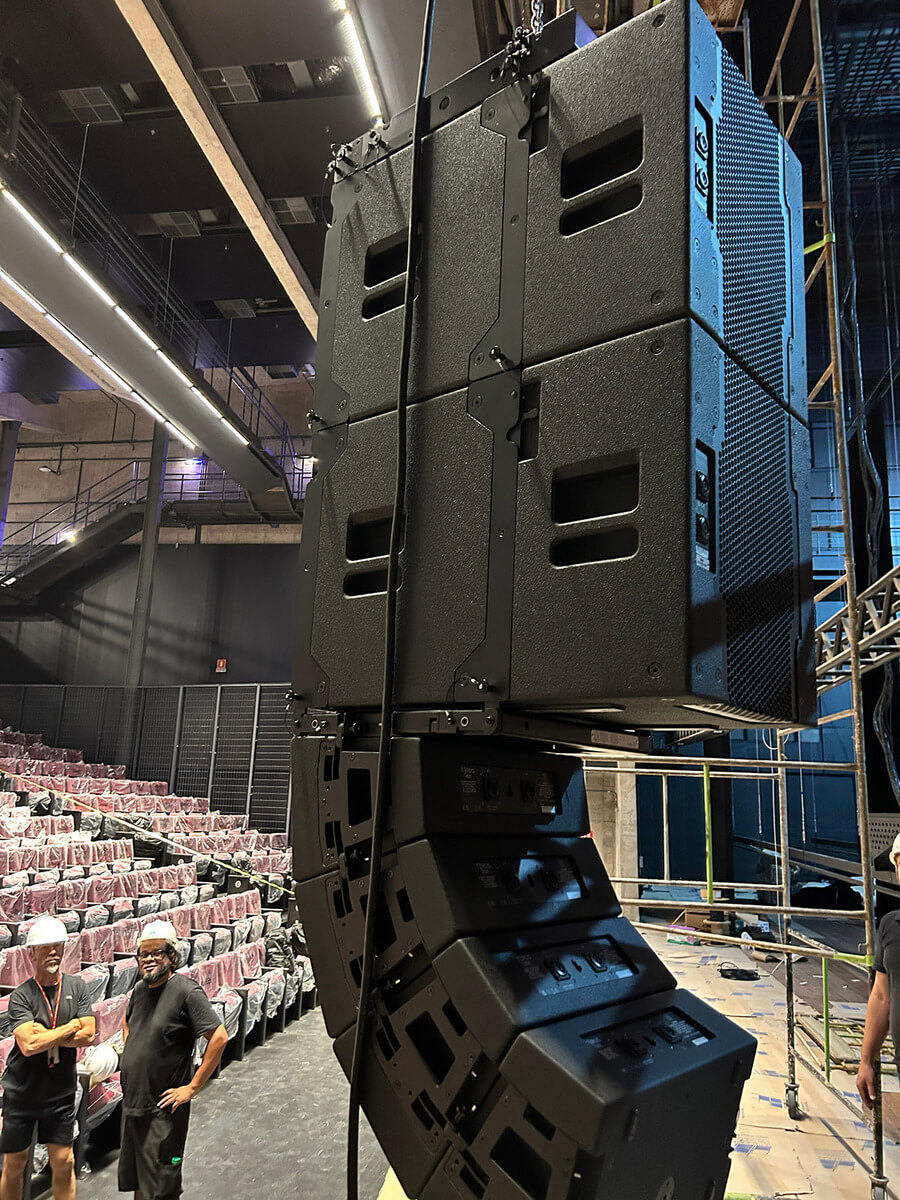
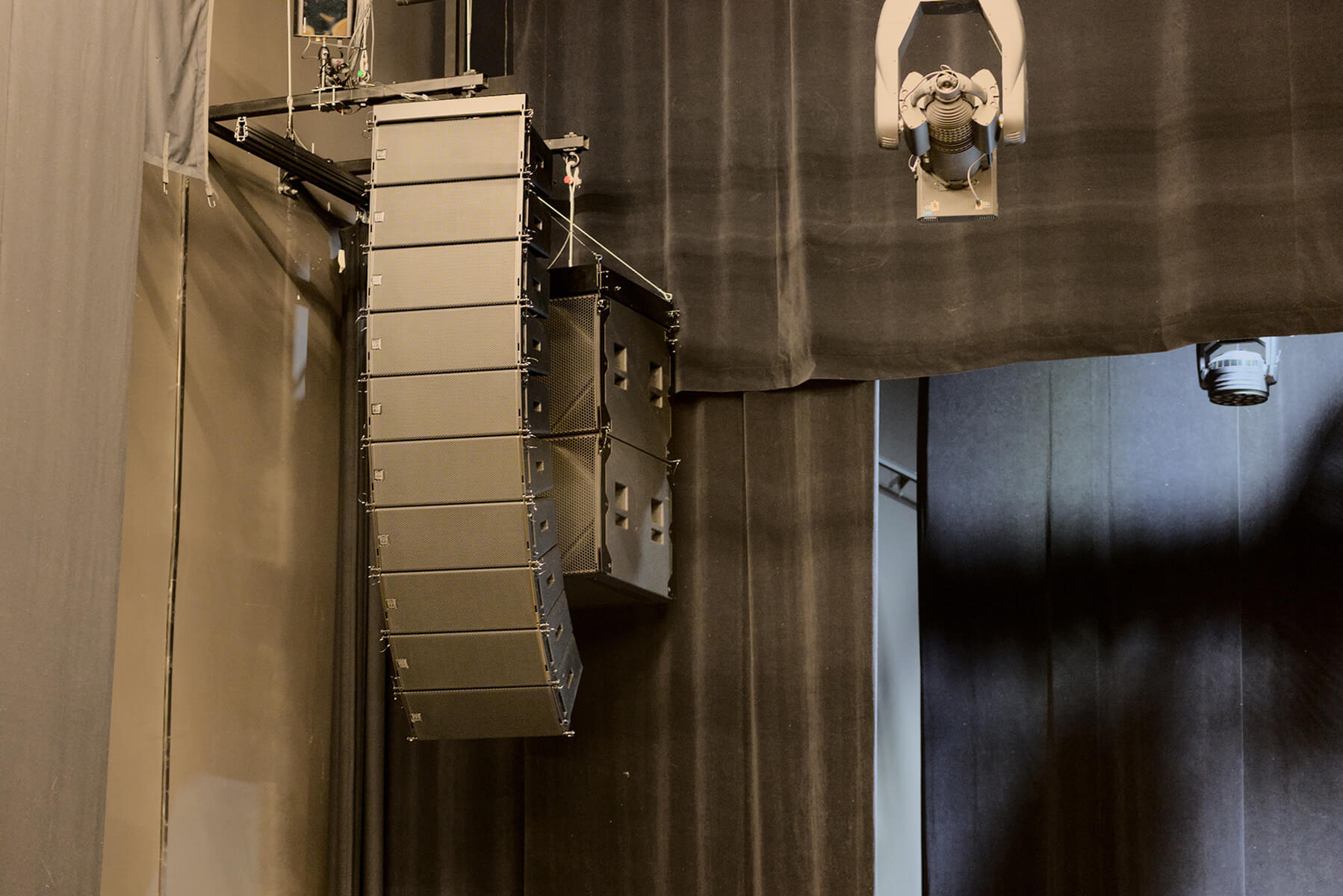
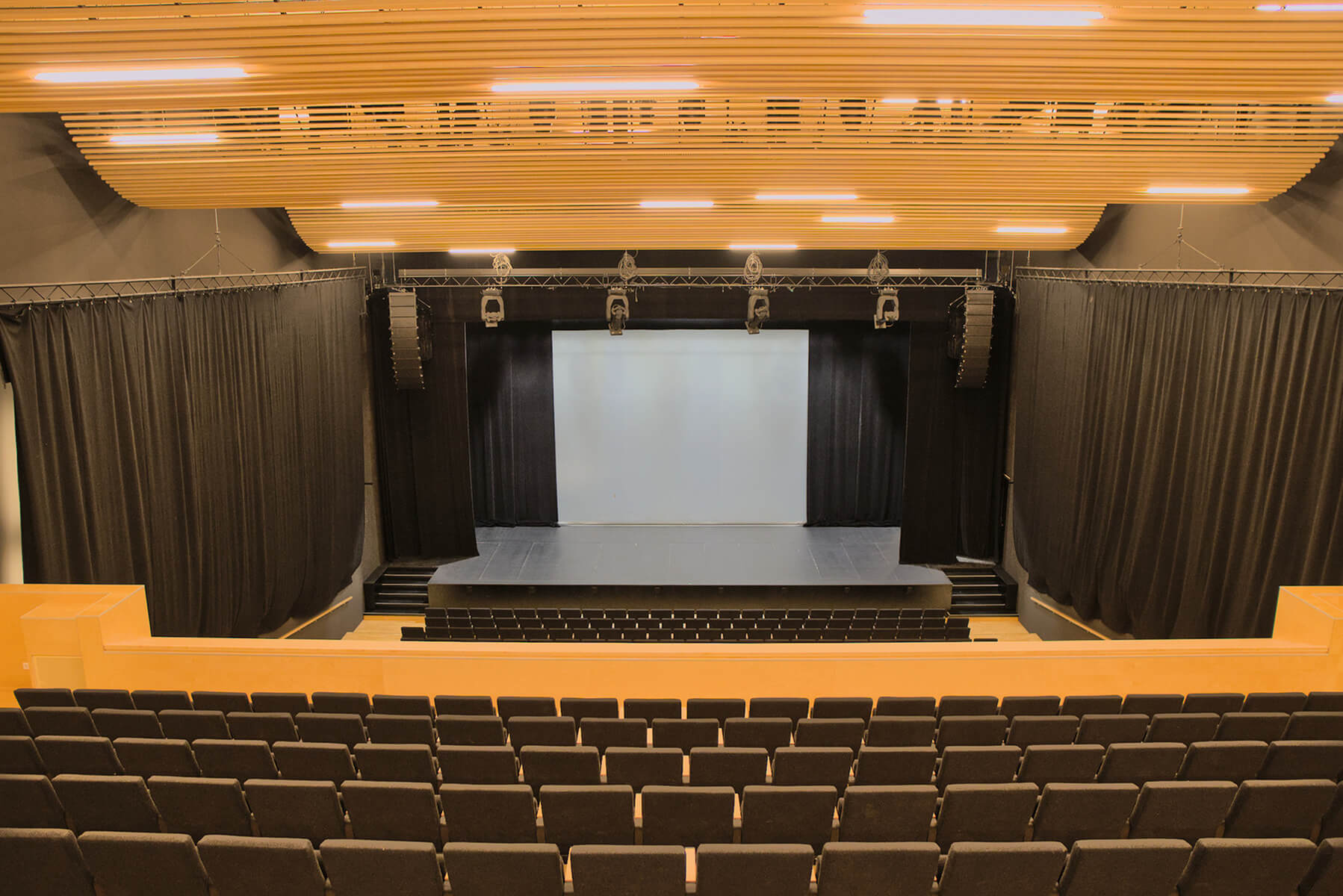
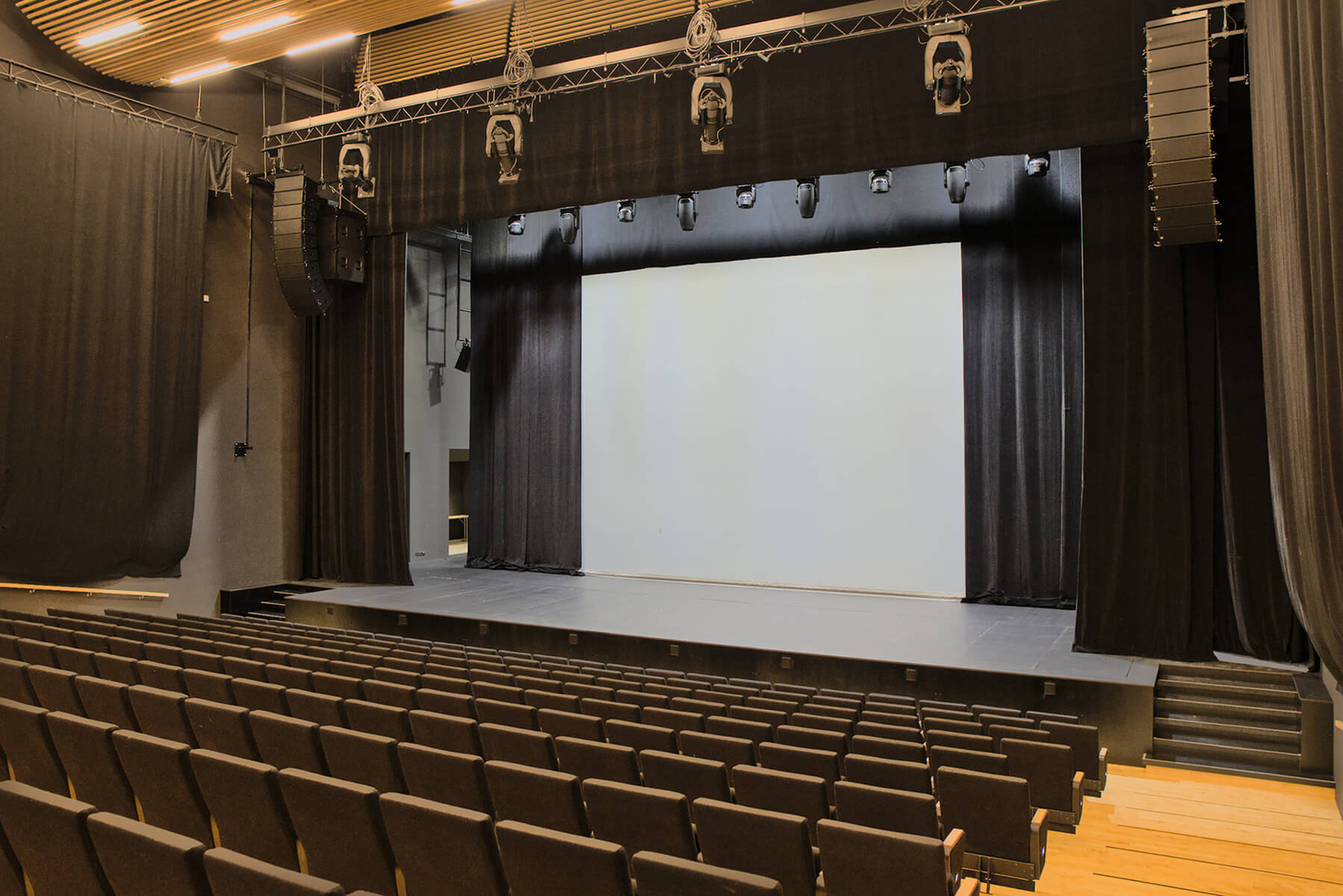
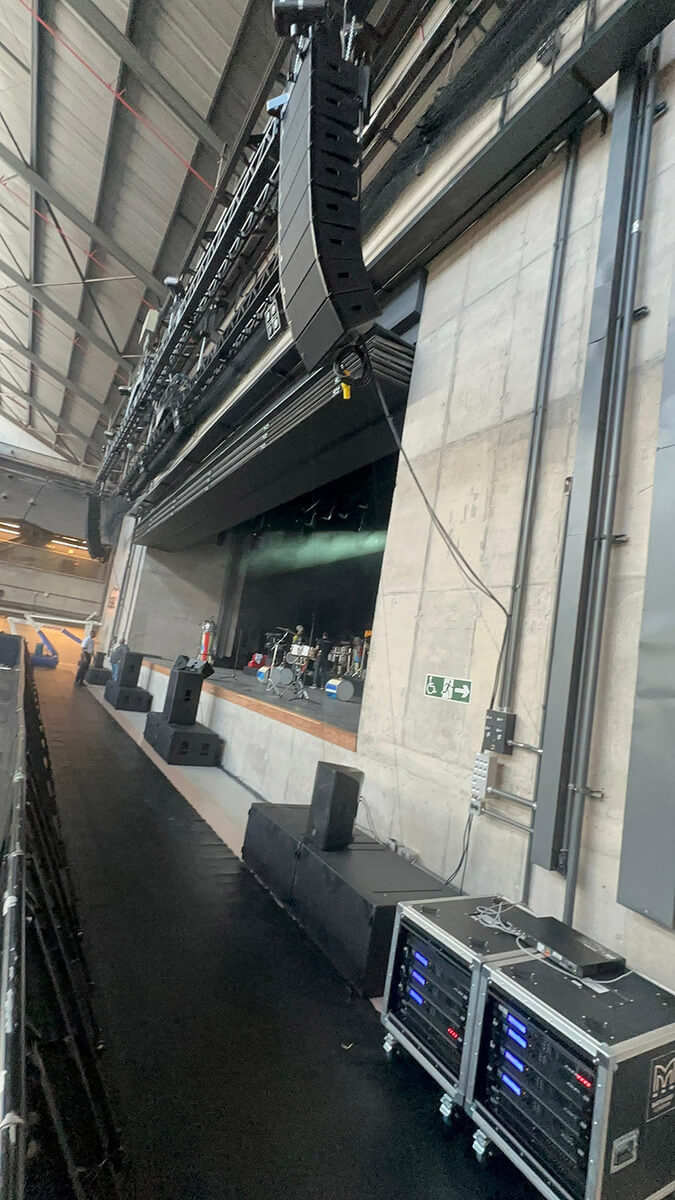
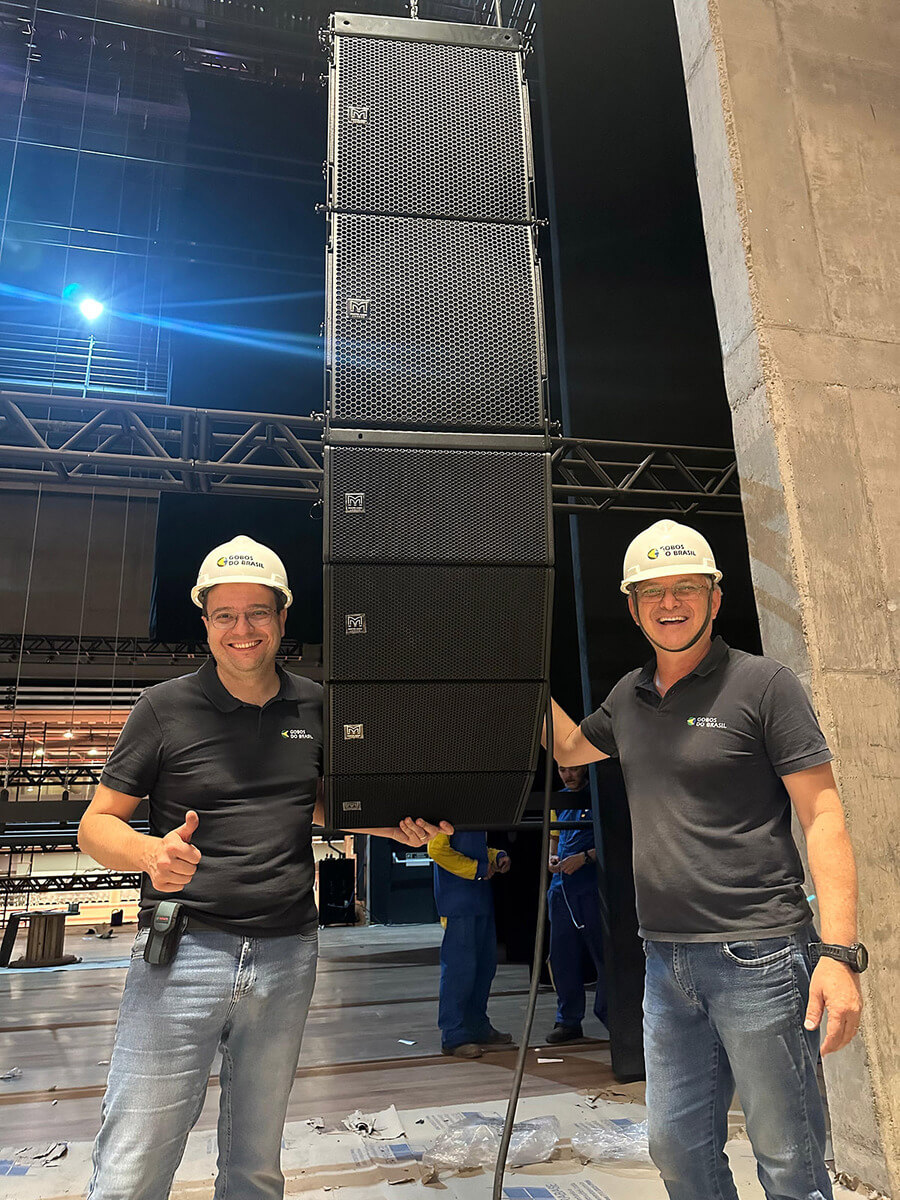
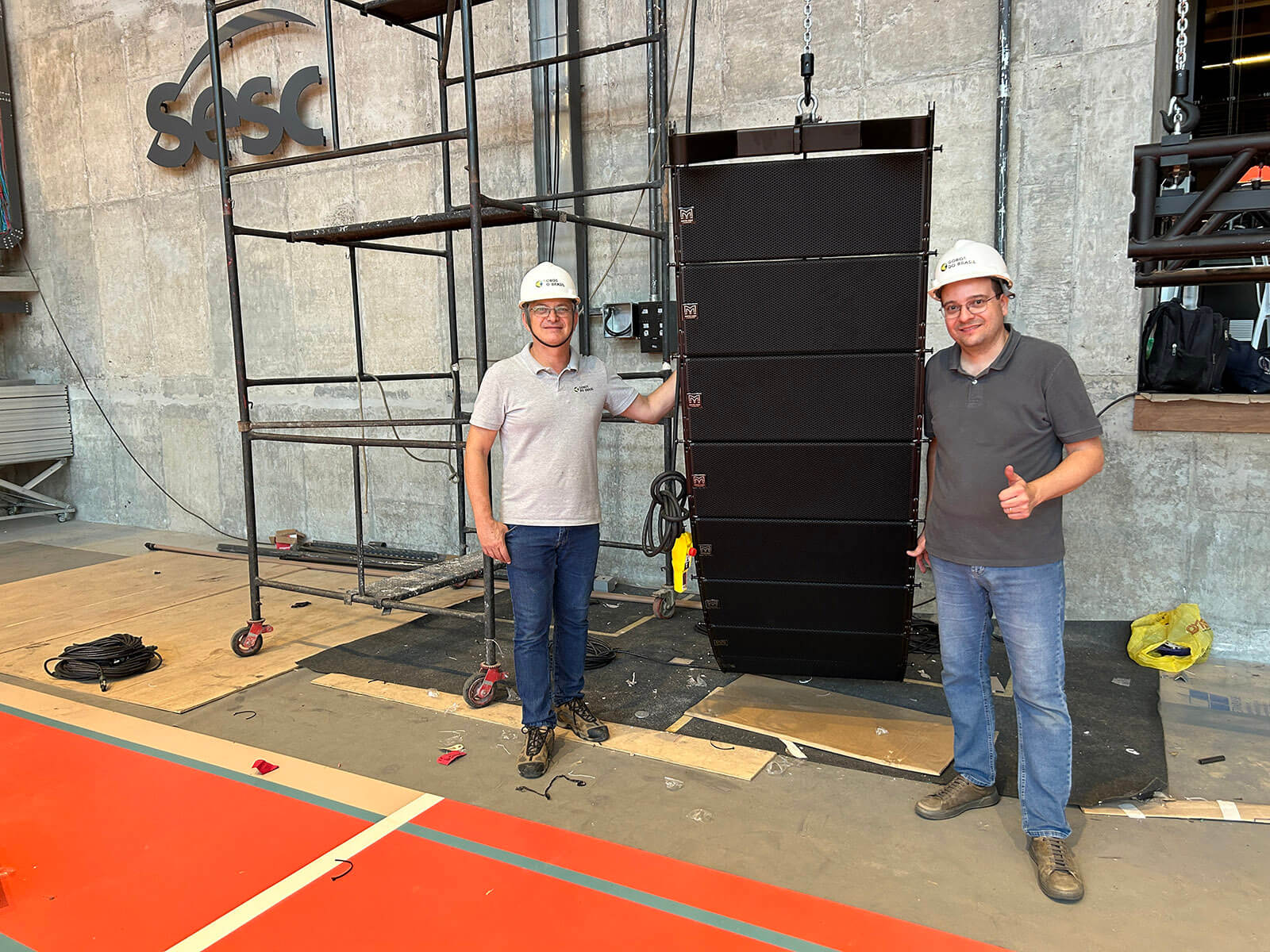
The company recently returned to the 4,300-capacity Coliseu dos Recreios in Lisbon with a Martin Audio WPC line array, providing the auditorium sound for the first time at the 2024 edition.

According to Auditiv directors Daniel Bekerman and João Escada, who also served as the event’s technical directors, the decision to deploy this advanced scalable PA was largely driven by a desire for innovation. They recognised that this solution would adapt to the space, be visually unobtrusive, provide improved coverage and adhere to the venue’s significant weight limitations.

“The WPC met this demanding challenge in every way possible.”
Daniel Bekerman – Auditiv

Two hangs of 12 WPC speakers were deployed—powered by Martin Audio iKON amplifiers, in 2-box resolution. Low-frequency extension was provided by SX218B, with Blackline X12 handling near-fill and outfill coverage, as well as stage sidefills. LE1200 wedge monitors completed the setup in a 100% Martin Audio deployment.

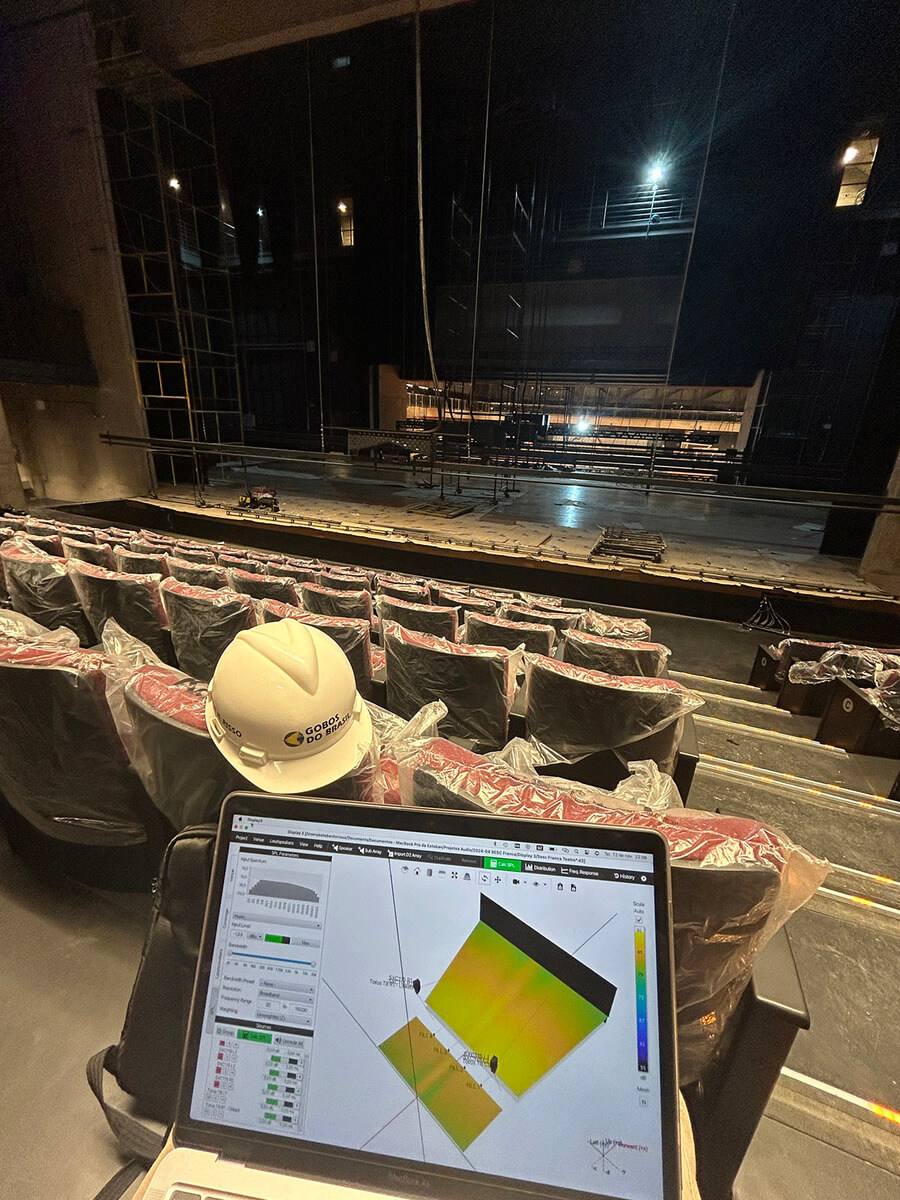
To ensure fully optimised sound, Auditiv utilised Martin Audio’s DISPLAY2 predictive software, VU-Net for control and SMAART for integrating the front fills, outfills and subs with the main system. System tech Isaac Bugalho was tasked with bringing the best out of the WPC. He was joined at FOH by Tiago Mendes, while Guilherme Vales managed the monitors.

Auditiv also handled the broadcast mix, sending splits via an Optocore/DiGiCo fibre loop.

The event was hosted by Clara de Sousa, one of Portugal’s leading journalists and TV presenters, with each award presented by different guests. The event production company was SIC – Sociedade Independente de Televisão. The evening’s content comprised a mix of various award presentations and live music, including a resident classical orchestra.

Summing up the event, Daniel Bekerman said he was “100% happy” with the Martin Audio performance. “Although we were very satisfied with the system used in previous years, the use of WPC brought improvements, mainly in terms of coverage uniformity.

“With two balconies and a VIP audience, including TV station representatives, the venue is very challenging, and the audience very demanding. With WPC, we were able to use more speakers, achieve better vertical dispersion, and maintain a wider 100° horizontal dispersion. All this was accomplished with less flown weight (the venue has tight limits), a reduced footprint (always important on a TV show), and a simpler, faster rigging setup, making coordination with video, scenery and lighting crews easier.

“The WPC met this demanding challenge in every way possible.”

Click here for original article.

Categories
LEA Professional

LEA AMPS RECEIVE CONTROL4 CERTIFICATION

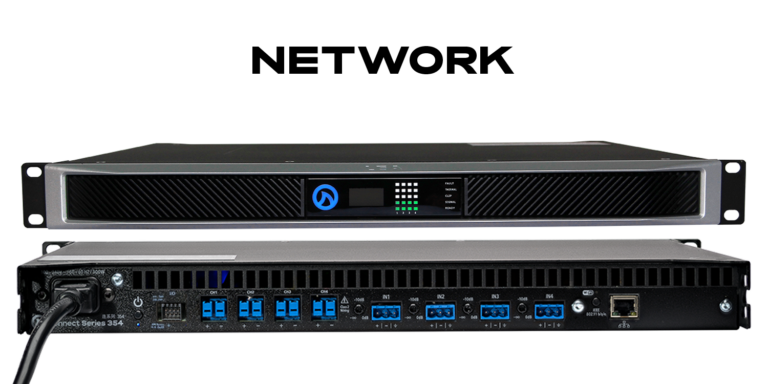
We are excited to announce that all Connect Series amplifiers are now Control4 certified! Residential dealers and integrators can now seamlessly incorporate LEA amplifiers into comprehensive Control4 distributed audio systems. This marks a significant step forward in expanding LEA’s footprint within the high-end residential market and elevating its role in the connected home ecosystem.

Control4 Certification Details

The new drivers in the Control4 system can automatically detect all LEA amps. The integrator can then drag and drop the discovered amps into the system design, assign each output to specific rooms, and establish audio paths from any audio device within the system to the amps. Once the setup is completed, the controls for the end user (such as volume, mute, or source selection) will appear on the controllers with user-friendly names. For instance, they can name their primary finished basement space “Basement Bar” and have controls for selecting sources like Spotify, DIRECTV, and more.

A Word From LEA

“This certification truly shows LEA’s commitment to our dealers and integrators,” said Nick Mourn, Applications Engineering & Consultant Relations Manager at LEA Professional. “To create a great audio system, every piece of the puzzle needs to be outstanding. Customers can identify the Control4 certification and know that’s exactly what they’re getting.

Click here for original article.

Categories
Martin Audio

ALL POINTS EAST STAYS IN CONTROL WITH WPL

UK: Situated in London’s East End, Victoria Park has been a popular festival venue for many years—but it has also traditionally been one riddled with challenges for incoming sound reinforcement teams.

One person who has worked there many times is Solotech Senior Account Manager, Martin Connolly. He has generally specified Martin Audio’s MLA multicellular array for its unique control ability, keeping the sound firmly focused onsite, with minimum bleed into the neighbourhood.

In recent years Victoria Park has played host to the popular All Points East [APE], promoted by AEG Live, which runs over two weekends. Here Solotech team up with LS Events and production manager, Mark Ward (Proper Productions) whom they also work with at British Summertime, Hyde Park.

However, it has become increasingly difficult for production teams to achieve the required SPL in front of stage, sending all parties back to the drawing board for a ‘root and branch’ reappraisal.

This year LS Events responded by demarcating the East Stage listening area—effectively the sound field—with flags, inside which their aim was to deliver a uniform sound, evenly distributed between 98db(A)-100dB(A) LaEQ15 at FOH, and no more than 75dB(A) LaEQ15 offsite at the nearest measurement point. They recognised that for a bill heavily tilted towards indie and electronic (ranging from Kaytranda to LCD Soundsystem) it needed to remain consistently ‘banging’—all the way to the delay points, set some 150 metres back.

Thus Solotech’s Robin Conway set about revising the existing PA design to meet that challenge.

With six main hangs on East Stage, he upgraded the infill drops from MLA Compact to full MLA (eight MLA plus an MLD Downfill), and had them flown rather than groundstacked. The main hangs again comprised 13 MLA and an MLD Downfill, and outfills six MLA (and an MLD) flown. Subwoofers consisted of 20 MLX in a broadside cardioid array, arced across the front (with seven of these rear facing), while eight Martin Audio XD12 provided the nearfills. The outer hangs, in particular, had been required to bolster the sound on house right.

But arguably the bigger achievement was to introduce Martin Audio’s flagship WPL into three of the five delay positions (in respective blocks of 8, 10 and 8 elements) which had previously been occupied by MLA Compact. Spanning the other two rear field delays Solotech deployed 20 MLA Compact (10-a-side), bolstered with three MLX subwoofers on each tower. Reasoned Martin Connolly, “Because WPL is physically a bigger box than the MLA-C, giving us a longer hang, it afforded us greater controllability on the low end.”

As consultant and former Martin Audio Engineering Director Jason Baird put it, “The DISPLAY optimisations for these arrays were configured with an SPL profile of +2 at the front and 0dB (c/w FOH) at the coverage stop position. This was to maintain the same SPL level as at FOH, right up to the handover to delay ring 1. The tighter horizontal dispersion of WPL, and improved low mid pattern control of the larger product, were hugely beneficial. The delays yielded incredibly consistent sound levels, not only front to back but side to side too. It almost goes without saying that the DISPLAY files made full use of the Hard Avoid feature too.”

For the headliners Solotech ran uniformly at 99dBA on Friday, 100dBA on Saturday and 98dBA Sunday, while working within offsite levels. To verify the onsite measurements, and establish proof of concept, AEG had introduced audio consultants, Electric Star.

How would this impact offsite? As a precaution Solotech had drafted in Jason Baird to act as audio coordinator between East Stage system tech Joseph Pierce and the event’s regular acoustic consultants Vanguardia, who were responsible for monitoring offsite sound.

The most sensitive (and nearest) of the measurement points was Waterside (75m to house right of stage). “With a normal PA side hang at 45° to the main PA it’s going right down the throat of that measurement microphone,” notes Connolly. “Jason would look at the data and for example decide to pull one frequency down by 2dB, or notch out sub frequencies on an act-by act basis, to stay within the off limits rather than turn the whole thing down by 6dB in a knee jerk reaction.” With some judicious tilting and tweaks they were able to overcome this.

Solotech UK equipped two further stages with Martin Audio, implementing the same designs as last year. On West Stage, where Josh Bruty was system tech, they fielded main hangs: of 12 x WPL, side hangs of12 x WPC; front fills of 8 x WPS and subs comprising 11 x SXHF218. There were two delay positions, each with six WPC.

Finally they equipped L’Oreal Stage (rebranded last year from BMW Stage) with 10 x WPS; 4 x DD12 and 4 x SX218 subs.

This overall solution provided all concerned with a feeling of ‘mission accomplished’ as consistent sound levels were maintained. “We achieved great results and have had nothing but positive feedback from production,” declared Martin Connolly. He said he hoped this universal approbation would finally allay misguided concerns about insufficient levels. “Now we’ve increased by 1-2dB that argument has been kicked firmly into touch. He added that there was no reason to consider changing the main PA system. “MLA may be well over a decade old, but it still really delivers.

“Victoria Park is more difficult to work than any other site we do, including Finsbury Park, and we are delighted to have pulled this off.”

And Jason Baird agreed. Stating that there is no ‘one-size-fits-all’ approach to festival PA design he simply explained: “Any festival site is a balancing act and for APE we found that balancing point.”

Other key personnel on duty included (East Stage): Xavier d’Arifat (FOH engineer); Jonny Buck,Alastair Hellard (monitor engineers). West Stage: Will Hall (FOH engineer); Isabella Di Biase and Kieran Niemand (monitors). Finally, on L’Oreal Stage, Jason Barton was the sound engineer.

Click here for original article.

Categories
SurgeX

SurgeX Launches Defender Series Plus in Asia Pacific

Defender Series+ delivers power protection, remote management, and value

US: AMETEK SurgeX has launched its Defender Series+ line of power protection products to the APAC market. The Defender Series+ line delivers comprehensive, cost-effective mains protection and conditioning for everyday applications, and now features the cloud-connected power quality analytics, fleet management, and risk prevention capabilities found within the SurgeX CONNECT platform.

“The Defender Series of products has been a staple of our line-up, with our Multi-Stage surge suppression technology delivering uninterrupted operation in thousands of installations around the world,” says Justin Peyton, Director of Sales EMEA and APAC, AMETEK SurgeX. “Its affordable price point means that efficient power protection is within reach for more projects. Now with SurgeX CONNECT compatibility, the new Defender Series+ line gives integrators an advanced feature set, allowing them to monitor and manage a fleet of installations remotely, improve their service offering, and save time and money by reducing expensive service call outs.”

Installed in AV and IT equipment racks, the IP-controlled Defender Series+ features remote turn on/off, power cycling, and sequencing, as well as advanced scheduling AutoPing and threshold triggered events. When a fault is detected, predefined actions are triggered automatically, streamlining workflow and minimizing downtime. Designed to protect high value technology and tackle the increasingly complex, processing-heavy AV systems of today, the Defender Series+ is also compatible with popular third party control systems for integration in residential and commercial applications. Its advanced power filtration technology delivers pristine power to equipment to help maintain peak performance for every project.

The Defender Series+ joins SurgeX’s Protect + Connect product line. All Protect + Connect products are compatible with SurgeX CONNECT, a cloud-based solution that allows for monitoring and managing an entire fleet of compatible SurgeX devices in a single, centralized dashboard. This integration brings transparency and flexibility to remote power management, saving time and money for both end users and integrators.

The Defender Series+ line of products is available now via SurgeX’s network of distributors throughout APAC.

Contact info@generationav.net for more information.

Categories
LEA Professional

LEA Amps Power Niagara Falls Community

Home to the iconic Niagara Falls, 5Day Productions has elevated the audio experience across three distinctive venues with LEA amplifiers. These next-level upgrades ensure powerful, crystal-clear sound, enhancing every event and performance in one of the world’s most breathtaking destinations.

THE SPEC

🏢 Venue: Niagara Falls High SchoolNiagara Community ChurchSēvā Kitchen and Bar

👷‍♂️ Integrator: 5Day Productions

🎶 Audio Spaces: Gymnasium, Sanctuary, & Bar/Dining Room

🦈 Product Used: Connect Series 354 (Multiple) & Connect Series Touch (1)
Niagara Community Church

Minutes away from the iconic Niagara Falls lies Niagara Community Church. The church was established in 1981 and is home to a small but thriving congregation of approximately 100 members. The high-peaked sanctuary ceiling and other hard surfaces resulted in low speech intelligibility, making it difficult for churchgoers to understand the worship service as the congregation grew. As part of a new audio system, amplifiers from LEA Professional were installed in the church to improve intelligibility and enhance worship experiences for the congregation..

Gambino installed Connect Series 354 amplifiers to power the system. The IoT-enabled 4-channel 354 provides 350 watts per channel into 2, 4, and 8 ohms, and 70Vrms and 100Vrms. It also supports Hi-Z (70V or 100V) and Lo-Z selectable by channel and features Smart Power Bridge technology. One amplifier powered the mains and delay speakers, while Gambino doubled the output on one channel on a second amplifier to power the subwoofer. He used the remaining channels to power the 70-volt ceiling speakers.

“Being able to mix and match four ohm, eight ohm, 70 volt, and 100 volt on the same amplifier is great,” said Gambino. “And my favorite fact is that you don’t lose channels when you want to do that. Top it off with cloud connectivity for remote support, and that’s why I use LEA amplifiers every chance I get.”

Sēvā Kitchen and Bar

voco The Cadence is a stylish and modern hotel in Niagara Falls, New York. Situated close to the famous Niagara Falls, it provides easy access to the natural wonder and various attractions in the area, making it a convenient base for tourists. The design of voco The Cadence combines contemporary elements with a warm and inviting ambiance. The decor features a mix of modern and classic styles, creating a unique and sophisticated environment.

Sēvā Kitchen and Bar is the culinary heart of the hotel. The name “Sēvā” is derived from a Sanskrit word meaning “selfless service,” reflecting the restaurant’s commitment to hospitality and community. Known for its vibrant atmosphere, creative cuisine, and exceptional service, the restaurant offers a unique culinary experience that blends modern flavors with a touch of local inspiration. The previously installed amplifier wasn’t meeting the restaurant’s needs, so they turned to amplifiers from LEA Professional to fulfill the performance requirements for the upscale dining experience.

Gambino installed the Connect Series 354 to power the system. Two channels drive the low-impedance main speakers, while a third channel powers a subwoofer. The fourth channel powers 70-volt outdoor speakers covering the patio dining area. A Connect Series Touch handles the source selection, volume adjustments, and mute status for the indoor and outdoor areas. The controller is PoE-powered for easy installation and allows for group control of source, volume, and mute. 
“After an initial phone call with LEA Tech Support we quickly got up to speed,” said Gambino. “Once we got used to the Connect Series Touch, it was smooth sailing—and our client is thrilled with the results!
Niagara Falls High School

Niagara Falls High School is the sole high school within city limits. It has over 2,000 students in grades 9-12 and a student-teacher ratio of 16 to 1. The school’s main gym, affectionately nicknamed the Wolvarena after the school’s wolverine mascot, was still using the AV system that was initially installed when the school first opened in 2000. The high school was looking to replace the system due to degrading performance and wanted to improve ease of use, so they turned to the award-winning amplifiers from LEA Professional.

The challenge of the project was meeting the expectations of a simple-to-use, intuitive system that would integrate with the existing speakers. The amplifier needed a powerful DSP to ensure the speakers wouldn’t be overdriven. 

Gambino successfully installed the Connect Series 354 to power the system and provide the necessary DSP. Each channel drives a low-impedance speaker hung from the high ceiling. The integrated DSP effectively eliminated the need for unnecessary equipment in the rack, ensuring the overall job cost was kept to a minimum.
“The school staff was very happy with the end result because it was exactly what they wanted: set it and forget it. The levels are set so anyone can come in and use microphones and music without any adjustments, so AV technicians are not required for most events in the Wolvarena.”

THE CONCLUSION

“Most amplifiers nowadays, you’re looking at almost the same exact price,” said Gambino. “But then LEA adds in DSP capabilities, a control system [WebUI], and remote connectivity [LEA Cloud], essentially all for free. Those are a huge benefit and a lot of the reason LEA is pretty much the only amplifier I’m installing these days.”

A special thanks to the teams at 5Day ProductionsNiagara Falls High SchoolNiagara Community Church, and Sēvā Kitchen and Bar for choosing our amps for their installation. We’re thrilled at the opportunity to collaborate and ensure unparalleled sound quality for many years ahead.

Click here for original article.

Categories
Martin Audio

MARTIN AUDIO CDD SOLUTION ON THE ALBANIAN GREEN COAST

ALBANIA: Green Coast is a luxury tourist retreat located in the Albanian resort of Palasë. Known as the Albanian Riviera, and overlooking the Ionian Sea, it is also a popular recreational hub, with a number of bars and restaurants.

One of these is the latest SALT, run by experienced restaurateurs, Revo Hospitality Group (RHG) which specialises in Mediterranean cuisine, seafood and sushi. Described as ae “one-stop shop for food and beverage experiences, providing something for everyone from daytime, dining, nightlife and events” it recently turned to Martin Audio’s local distribution partner, Prosound for a sound system installation. This was after they had successfully carried out other work for the Group (including SALT restaurants, and Lift Steak & Rooftop Bar.

Having used the Prosound / Martin Audio combination successfully on previous installations RHG had no need to change a winning formula. Tasked with reinforcing a wide range of music sources—including DJs and live bands (when the venue reverts to a night time / club atmosphere)—Prosound’s Endrit Veleshnja recommended a CDD solution.

CDD is Martin Audio’s most popular range, particularly for this type of venue. Drawing on Coaxial Differential Dispersion technology (which gives CDD its name) the system is versatile and easy to install, with flexible mounting options.

Prosound divided the single-storey venue into five different sound zones, with three different sound sources that can be combined. They specified a combination of CDD15, CDD10, CDD8, CDD6, for use both inside and out on the terrace, powered by Martin Audio VIA amplifiers, with Martin Audio ADORN A55 infilling the peripheral areas.

In the main dance area these were complemented by several SX118 subwoofers, with SX112 and SX110 providing LF extension in the other zones, routed through a third-party processor.

Thus the operators can once again reflect on a successful installation that meets all requirements over a trading pattern that runs from lunchtime right through until 3am.

Click here for original article.

Categories
TiMax

TiMax assures peak spatial performance on Germany’s oldest outdoor stage

Central Europe’s outdoor performance tradition determinedly eschews standard staging formats, seeking instead the most picturesque yet challenging environments to deliver their tales to audiences in their thousands. Set in a rock labyrinth with certain upstage scene elements offset at heights up to 25m above the main stage area, Wundsiedel’s Luisenburg Festspiele, on Germany’s oldest outdoor stage, turned to TiMax SoundHub to create intelligible immersive audio for every seat in the 2000-strong audience, via sophisticated object-based soundscapes rendered by the platform’s dynamic delay-matrix processing.

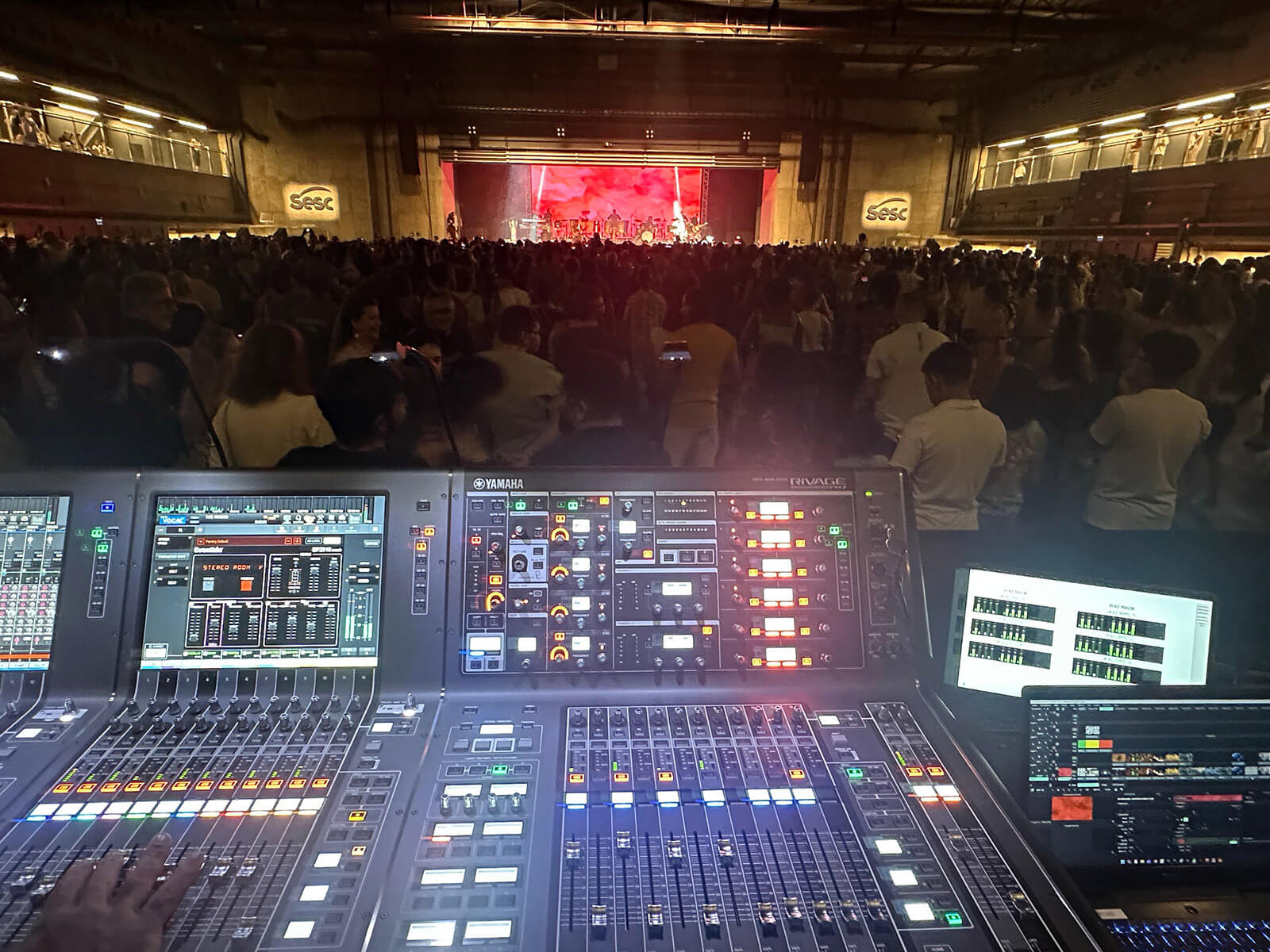
System-Sound Designer, David Horn, maintains four TiMax SoundHub showcontrol systems at his disposal, but used a single 64-channel unit activated for seamless real-time vocal localisation driven by a new TiMax TrackerD4, recently purchased from the TiMax German Distributor, Pro-Audio Technik.

Eight TiMax Tracker sensors, some mounted on trees and even rocks, covered the huge 38 metre-wide and 25 metres deep performance area, complete with one section of stage that rises into the hillside to a height of 25 metres.  The system captured every movement from 24 TiMax Tracker UWB RF Tags worn by the performers moving through the space.

The pioneering TiMax SoundHub is unique in its ability to translate the experience of audio coming from a height into the 3D soundscape received by the audience. It is able to convey such finer nuances of performances in a wide variety of environments due to its highly-evolved speciality of rendering audio spatialisation with both level and delay as opposed to simple level-panning.

With on-site support from TiMax product manager Dan Roncoroni and director Dave Haydon, Horn established 30 image definitions across the stage plus a number of others accommodating the upper woodland levels. TiMax was primarily deployed to enhance vocal intelligibility but was also used to distribute the audio within the space for spot effects. He explains, “I use TiMax because it is the only system that has such experience and proven longevity in theatre world but specifically, because of the dimensions of this stage TiMax was necessary for the audience to tell on the stage who is singing or talking.

“By using TiMax we guarantee a higher level of attention from the audience – particularly for the performances for children. It was very noticeable when we stage Pippi Langstrumpf at the beginning of the Festspiele Season in May, that the younger viewers were very focussed and engaged with the play. So using TiMax has made a real difference here.”

The loudspeaker system distributed under the canopy in front of the hillside stage comprised main line array systems with a total of six high Q80 speakers, complementing two centre array hangs each with three high Q40 units all from local German manufacturer, Ritterbusch Audio. Also supplied were eight B-18 sub bass units with four B-15 centrally placed subs, eight T6 for near fill and 16 LDK81 line array modules providing audience delay reinforcement. Weatherproofed Bose 802 speakers were place at three locations on the upstage hillside, acting as localisation anchors for these distant performance areas. TiMax and the Yamaha PM5 Rivage main console were all hooked up via Dante.

Horn concludes, “The vital features of TiMax that made short work of the sound planning were the Mixer and PanSpace features. TiMax added space and direction to the resulting audio as well as much more fun for the audiences in comparison to stereo.

Click here for original article.

Categories
HH Electronics

HH Q SERIES AND THE ART OF MIXING: FROM STUDIO TO STAGE

Meet the Q Series.

A series of 4 analogue mixing consoles which cover an array of live sound applications. Whether you’re podcasting, drum mixing, managing small ensembles, or handling live sound in churches and halls, the Q Series mixers are a fantastic tool to develop your mixing skills.
The Basics of Mixing

At its core, mixing is about balancing multiple audio sources to create a cohesive sound. The process involves adjusting levels, EQ, and effects for each input channel, and then combining them into a final output. Sounds simple, right? Let’s break it down.

1. Input Stage:

At its core, mixing is about balancing multiple audio sources to create a cohesive sound. The process involves adjusting levels, EQ, and effects for each input channel, and then combining them into a final output. Sounds simple, right? Let’s break it down.

Microphone Inputs:

  • Sensitivity: Microphone inputs are designed to handle very low-level signals, typically in the range of -60 dBV to -40 dBV.
  • Preamp: They include a microphone preamplifier to boost the weak microphone signal to line level.
  • Phantom Power: Many mic inputs provide phantom power (usually +48V) for condenser microphones.
  • Impedance: Mic inputs typically have a low impedance, around 1.5 kΩ to 3 kΩ.
  • Connector: Usually XLR connectors, though some mixers use 1/4″ TRS jacks for mic inputs.

Line Inputs:

  • Sensitivity: Designed for much stronger signals, typically around -10 dBV (consumer level) or +4 dBu (professional level).
  • No Preamp: They don’t include a preamplifier as the signal is already strong enough.
  • No Phantom Power: Line inputs don’t provide phantom power.
  • Impedance: Higher impedance than mic inputs, often around 10 kΩ or higher.
  • Connector: Commonly use 1/4″ TS or TRS jacks, or RCA connectors for consumer gear.
  • In the context of the HH Audio Q Series mixers:
  • The Q6FX has 2 mono input channels (which can accept both mic and line level signals) and 2 stereo line input channels.
  • The Q8FX features 4 microphone inputs and 3 stereo line inputs.
  • The Q12FX offers 6 mic inputs, 4 mono line inputs, and 4 stereo line inputs.
  • The Q16FX provides 10 mic inputs, 8 mono line inputs, and 4 stereo line inputs.

This variety of inputs allows these mixers to accommodate a wide range of audio sources, from microphones to instruments to audio playback devices.

2. Gain Staging:

Gain staging is the process of controlling the level of your audio signal throughout the entire signal path. Ensuring that you keep a clean signal that is well above the noise floor and can be processed without clipping or introducing unwanted distortion before being sent to your output source.

To begin, ensure that your sound sources are producing an appropriate level of signal. This prevents you from needing to add large amounts of gain to achieve a good level. There is a lot of input gain on tap with Q Series mixers (+5 to +45dB), however, a side effect of needing to add too much input gain to get to an appropriate level can be introducing unwanted noise into the signal path. So, getting the right level from your sound source will start you off on the right foot.
Next, adjust your input gain to give your signal enough headroom. Headroom is how much room your signal has before becoming distorted and clipping. This breathing space for your audio signal acts as a buffer to allow for any additional level you may introduce from EQing, enabling the built-in DSP effects or for dynamic changes from your sound source. Dynamic changes could be from electric guitar boost pedals or fluctuations in volume from your vocalist. Adjusting input gain for each channel so that the level peaks between -10 and -6dB is a good starting point.

Once your input gain is set you can move on to the built-in compressor featured on the Q8FX, Q12FX, and Q16FX. Compression helps to control the dynamic range of a sound source and is perfect for taming loud signals from sound sources with wide dynamic ranges whilst allowing quieter signals from the same source to be brought up to an appropriate level. The single knob compressor featured on Q8FX, Q12FX, and Q16FX mixers makes this process very easy.

Next, you can move on to shaping the tone of your sound sources with the 3-Band EQ. Note that by boosting frequencies you will be adding more gain to the signal path. Again, it’s important to leave enough headroom when setting your input gain to allow for this.

Always keep an eye out for the peak LED indicator illuminating on individual channels as well as on the main output meter. These indicators will highlight if there is a problematic signal clipping in your mix. Keep checking regularly as gain structure may shift during a performance.

Remember, proper gain staging is about finding the sweet spot where your signal is strong enough to maintain quality throughout the system, but not so strong that it causes distortion. It is a balancing act that becomes easier with practice and attentive listening.

3. EQ Adjustment:

Shape the tone of each input using the built-in EQ. The HH Q Series offers a 3-band EQ on each channel, with high (12kHz), mid (2.5kHz), and low (100Hz) frequency controls. This allows you to boost or cut individual frequency bands to enhance clarity and eliminate problematic resonances.
Using EQ on a mixing console isn’t quite the same as using the tone stack on a guitar amplifier as each channel on a mixer isn’t operating in complete isolation, it has a relationship with all the other channels. It’s important to be mindful of your whole mix when adjusting individual channel EQ, to ensure you achieve an overall balance.

The 3-band EQ on Q Series mixers offers the ability to cut and boost specific frequency bands which is perfect for shaping the tone of the sound source on the channel you’re adjusting and making space in the mix for sound sources on other channels. The ability to cut and boost these individual bands means that non-essential frequencies can be cut from one source to carve space for the fundamental frequencies of a different source on a different channel, thus creating a tonal balance between these sources. For example, cutting mid frequencies on electric guitar channels to ensure your lead vocal is crystal clear.

The 75Hz low-cut function on the Q8FX, Q12FX, and Q16FX can be a useful EQ tool when it comes to removing unwanted low rumble.

4. Adding Effects:

Enhance your mix with effects like reverb or delay. The HH Q Series mixers come with 16 built-in high-quality DSP effects including reverbs, delays and echoes. Having these effects built in allows you to These effects are based on hand-selected algorithms and are easily controlled via the FX enable button and parameter level knob (Q8FX, Q12FX and Q16FX).

5. Setting Levels:

Use the channel faders to balance the volume of different inputs in relation to each other. The larger Q12FX and Q16FX models also offer subgroup routing, allowing you to control multiple related channels together – that’s useful for a drum mix or for grouping backing vocals.

6. Monitoring:

Use headphones or monitor speakers to listen to your mix. The HH Q Series provides dedicated monitor outputs and a headphone out for this purpose. You can also set up monitoring for the musicians too, either in the form of a monitor wedge or in-ear monitoring via the Aux send outputs.

7. Main Output:

Finally, send your mixed audio to your main speakers. This is where the HH Tensor range of portable PA powered speakers comes in, offering clear and powerful sound reproduction for various venue sizes.

Mixing Scenarios

Podcasting

For podcasting, you will primarily use the mic inputs. Focus on clear vocal EQ and subtle compression (available on select HH Q Series models) to maintain consistent levels. The USB interface on all HH Q Series mixers allows easy recording to your computer. Now all you need to do is come up with an interesting podcast topic and you’re away!

In-Ear Monitor Mix for Drummers

Click-tracks and backing tracks are commonplace in larger scale productions, drummers can sometimes like to have control of these individual levels in their monitor mix (either in-ear or wedge) using a small mixer situated by their drum kit. The Q6FX would be a perfect solution for this scenario enabling the drummer to take feeds of these individual elements from a front of house engineer or a monitor engineer’s console. The drummer can then control the balance of these individual elements locally and adjust accordingly throughout the performance.

Balance is key for small ensembles. Here are some tips to get you started:

Input Assignment:

  • Use mic inputs for acoustic instruments and vocals.
  • Use line inputs for electronic instruments like keyboards or drum machines.

For the Q8FX, you have 4 mic inputs and 3 stereo line inputs, allowing for a good mix of acoustic and electronic sources.

EQ Adjustment:

  • Use the 3-band EQ on each channel to shape individual instrument tones.
  • Cut frequencies rather than boost where possible to carve space for other sound sources and reduce overall mud in the mix.
  • For vocals, a slight boost at around 2.5 kHz can improve clarity.
  • Utilise the 75Hz low-cut on Q8FX, Q12FX and Q16FX to remove low end rumble.

Creating Space in the Mix:

  • Pan instruments to create a stereo image. For instance, spread backing vocals slightly left and right of centre.
  • Use the built-in effects like reverb carefully to add depth without cluttering the mix.

Level Balancing:

  • Start with the main instrument or vocals at a comfortable level.
  • Bring in other instruments one by one, balancing them against the main element.
  • Use the faders to adjust the relative volumes of each instrument in the mix.

Subgrouping (for Q12FX and Q16FX):

  • Group similar instruments together (e.g., all vocals, all rhythm instruments) for easier control.
  • Use subgroup faders to adjust the overall balance of instrument groups.

Monitoring:

  • Use the headphone output to critically listen to your mix.
  • If possible, set up a separate monitor mix (or in-ear mix) for the performers using the Aux send.

Dynamics Control:

  • For the Q8FX, use the built-in compressor on channels 1-2 for vocals or dynamic instruments.
  • On the Q12FX and Q16FX, take advantage of the compression on more channels for consistent levels.

 Feedback Management:

  • Use the 75Hz low cut/high pass filter on vocal mics to reduce low-frequency rumble and potential feedback.
  • If using the Q12FX or Q16FX, utilise the 9-band graphic EQ to notch out problematic frequencies in the room.

Effects Usage:

  • Use reverb sparingly to add depth to vocals or acoustic instruments.
  • Consider using a short delay on vocals for a thickening effect without muddying the mix.

Blend Acoustic and Electronic:

  • Balance the levels between acoustic instruments (via mic inputs) and electronic instruments (via line inputs) carefully.
  • Use EQ to carve out space for each instrument type in the frequency spectrum.

Aux Sends:

Utilise the Aux send for creating a separate monitor mix for the performers, or use it to send certain instruments to an external effects unit if needed.

Main Output:

  • Keep an eye on the main output meters, ensuring you are not overloading the system.
  • Aim to keep the main output around -6 dB to maintain headroom.

Sound Check:

  • Conduct a thorough sound check, listening to each instrument individually and in the context of the full ensemble.
  • Make notes of any problematic frequencies or balance issues to address during the performance.

Simple Recording:

Utilise the USB interface on any HH Q Series mixer for direct recording to your computer. Set your levels carefully and use the EQ to avoid frequency clashes between instruments.

Live Mixing in Churches, Halls, and other Venues:

For live mixing, start with a sound check to set initial levels and EQ. Use the graphic EQ on the Q12FX or Q16FX to tune the system to the room. Our Tensor range of PA speakers will ensure your mix translates well to the audience.

Final thoughts

The HH Q Series analogue mixing consoles provide a great training platform for becoming a competent audio engineer. They are easy to use, reliable, and have everything you need to build a perfect mix in a variety of situations – not to mention, they look great.

Designed and engineered by HH Audio (formerly HH Electronics), with a long-standing history in mixer design, the Q Series brings decades of British innovation to your audio productions. From our most compact mixer, the Q6FX, to the largest in the series, the Q16FX, there’s a mixer to suit a variety of needs.

Click here for original article.